How Organic Farming Is Reshaping The Agriculture Sector Towards A Sustainable Future

Yesterday, I was able to attend a webinar entitled “Good Nutrition For Cancer Prevention” hosted by Sir Rome Rob of TryPH and the guest speakers were Dr. Katherine V. Hernandez, a medical oncologist, and Dr. Divina Cristy Redondo-Samin, a medical nutrition specialist. I would like to thank the organizers as well as the doctors for this very informative webinar. 👍👍

Watch the webinar here: https://fb.watch/pYoU5H2iQC/?mibextid=Nif5oz

In the webinar, Doc Cristy cleared the misconception that organic vegetables are healthier than the regular vegetables produced and sold in the market. Not to mention that organic vegetables are more pricey. An article by Harvard Health Publishing also explained why going organic won’t really make any difference when it comes to the amount of vitamins and minerals absorbed by our bodies.

Organic Farming And Sustainable Agriculture

In light of this, I would like to include my reasons for making a proposal to my family regarding venturing into organic farming on our farm back in 2018. The detailed rationale behind my proposal is in my previous posts listed at the end of this article.

It is my primary goal to support the UN’s Sustainable Development Goals, which include combating the effects of climate change by lowering carbon emissions in agricultural production. There have been numerous studies that can also prove how organic farming can prevent land degradation and desertification.

The purpose of organic farming is not mainly to produce vegetables that contain less to zero pesticides. Organic vegetables are only the by-products of organic farming. There is still so much more that organic farming can actually offer, and this is why it is now considered the future of sustainable agriculture. The articles below were lifted from credible sources and can further expound on the scope and limitations of organic farming and sustainable agriculture.


https://www.sciencedirect.com/science/article/pii/S2949

https://sarep.ucdavis.edu/sustainable-ag/organic-farming

https://www.britannica.com/topic/organic-farming

https://www.undp.org/kazakhstan/stories/organic-farming-not-just-trend-its-future-agriculture

https://www.fao.org/organicag/oa-faq/oa-faq6/en/

https://www.researchgate.net/publication/348558256_Organic_Farming_A_Key_to_Sustainable_Agriculture

https://news.climate.columbia.edu/2019/10/22/organic-food-better-environment/


Speaking of sustainable farming, one way to prevent nutrient loss on the farmland is to perform crop rotation or allow the land to rest for a certain period in between cropping seasons. And I didn’t know this before until I attended the seminar of one of my favorite agribusiness mentors, Sir Dodong Cacanando. I was also surprised when he said that it’s actually stated in the Bible to let the land rest in the 7th year also called “The Sabbath Year.”


“While Moses was on Mount Sinai, the Lord said to him, “Give the following instructions to the people of Israel. When you have entered the land I am giving you, the land itself must observe a Sabbath rest before the Lord every seventh year. For six years you may plant your fields and prune your vineyards and harvest your crops, but during the seventh year, the land must have a Sabbath year of complete rest. It is the Lord’s Sabbath. Do not plant your fields or prune your vineyards during that year. And don’t store away the crops that grow on their own or gather the grapes from your unpruned vines. The land must have a year of complete rest. But you may eat whatever the land produces on its own during its Sabbath. This applies to you, your male and female servants, your hired workers, and the temporary residents who live with you. Your livestock and the wild animals in your land will also be allowed to eat what the land produces.” – Leviticus 25:1-7


Aside from Sir Dodong Cacanando, I’m also an avid follower of former DA Secretary Manny Piñol. Both of them provide very insightful information regarding agriculture and agribusiness on their social media profiles. I am also very much looking forward to how the use of AI in farming mechanization will simplify complex systems that require a substantial amount of manual input.

AI is still in the beta testing stage though when it comes to integrating it into how an industry conducts its processes i.e. manufacturing, education, healthcare, etc. Speaking of AI in the healthcare industry, I believe it will revolutionize how medical services and procedures will be delivered and conducted in the future.

AI In Health Care

I also support the efforts of Doc Kath and other medical practitioners when it comes to addressing misinformation and disinformation in the health sector. Digital literacy is the gap that we have to fill in first as part of raising awareness on responsible social media use. How do we utilize technology nowadays to combat misinformation and disinformation? Like how do we teach users where to look for credible sources and how to look for the right information?

I noticed that some of the users have to be guided step by step. In the case of patients who aren’t technologically adept, the caregivers can be educated on behalf of the patient. Is it also possible to integrate an AI chatbot into the Facebook pages of the doctors that can answer questions from the patients?

These are the commonly asked questions or FAQs during consultations. Questions can also be based on Answer the Public (we use this in digital marketing to assess the current trends and demand in the market) if applicable. Or maybe utilize Google Search recommendations. The challenge here is that these questions still have to be reviewed and contextualized based on demographics i.e. the person’s age, gender, location, and other set parameters so the AI chatbot can provide accurate and relevant information to the user.

The medical secretary might have to do extra work explaining to the patients and caregivers how to use social media if they have other queries after the consultation. The answers to the FAQs will also have to be translated into Filipino. Will this help lessen the time that a doctor needs to answer the patients’ queries after the consultation? How promising are the results if we leverage the use of social media when informing patients or the general public through an AI chatbot? Because one disadvantage I’m seeing is that the patient might end up getting the wrong answer if the AI chatbot becomes a bad robot. lol

I know how frustrating it is to be asked the same questions especially if the patient already asked them before but keeps on forgetting the answers. I tend to be that kind of patient. 😁 Maybe that is why sick people are called patients because they teach doctors to be patient. lol Seriously though, what if the patient doesn’t get the answer right away because the doctor is busy (we know how tight their schedules are)? Will this increase the patient’s anxiety and result in him/her finding answers from unreliable sources instead?

The advantage of convos with an AI chatbot is that the patient can go back to the conversation at any time. This is helpful for visual learners like me. I am not an auditory learner because my mind wanders during lectures, and I am easily distracted. So I need intense concentration when listening to someone explaining.

During doctor visits, I usually record what the doctor is saying using my phone’s voice recorder. Because if I don’t, the only thing that I will remember from what the doctor said is to take enough bed rest (sleeping is my favorite hobby). 😆

Speaking of auditory learners, you might want to ask for Siri or Alexa’s help to read the articles below aloud. They are all a long read. Also, please don’t forget to tell Siri or Alexa to sound like Christine. My voice will make you sleepy, though, so nah I think it’s a bad idea.

Have a blessed weekend, everyone! ❤️

P.S. I’m writing my articles using my phone because my laptop’s in Bicol. Yes, I am challenging myself now to come up with a 1,000-word article that is ready to publish or in other words has 0-1% grammatical and spelling errors and is backed up with credible sources from the web in just 2 hours. It’s doable naman pala. Kangalay nga lang sa daliri. 😭😀 So please do correct me if you find errors in my articles – misinformation, wrong spelling/grammar, etc. I would really appreciate it. 👍👍😊

WE Rice & Agri: My Vision of a Social Enterprise

Hello, my dearest readers! After a year of hibernation and very busy months, I’m finally posting here on my WordPress blog. This is not a regular blog post, however, as it’s actually one of our requirements in the Social Entrepreneurship online class I’m currently enrolled in at the University of the Philippines Open University. By reading my concept paper, I hope you will be encouraged to take the online course as well and be part of the catalysts for social change.

——————————————————————————————————–

My Vision of a Social Enterprise: WE Rice & Agri

by: Christine Lailani Ginete-Rome, LPT

BACKGROUND & RATIONALE

The social enterprise that my family and I have envisioned to organize one day, God willing, will be called “WE Rice & Agri.” It is derived from the statement, “We rise and agree.” When I was choosing the name for our social enterprise, I thought about what will highlight the main agricultural produce of our family’s agribusiness (rice) in the Bicol region with a subtle note on women empowerment. WE Rice & Agri stands for “Women Empowerment thru Rice and other Agricultural products.” 

Why use women’s empowerment for this social enterprise? When the pandemic started in 2020, researchers have identified an alarming increase in the statistics of domestic abuse and violence on women and children. According to an article by Business Mirror,

[In the report titled, “Covid-19 and Violence against Women: The Evidence Behind the Talk,” UN Women partnered with the United Nations Population Fund (UNFPA) and analytics company Quilt.AI and determined that these online searches surged 63 percent in the Philippines. These online searchers included specific references to “men hitting women,” “spouse abuse,” “boyfriend hit me,” and “controlling men” or “controlling husband.”

There are several studies that can confirm that women in abusive relationships oftentimes do not seek protection or report the incidences of abuse because of several factors. One of them is economic security especially in the case of couples who already have children. 

According to an article by the National Network To End Domestic Violence,

“Financial abuse is often cited by victims of abuse as the main reason that they stayed with or returned to an abusive partner…Research indicated that financial abuse occurs in 99% of domestic violence cases. Surveys of survivors reflect that concerns over their ability to provide financially for themselves and their children were one of the top reasons for staying in or returning to an abusive partner. As with all forms of abuse, financial abuse occurs across all socio-economic, educational, and racial and ethnic groups.”

VALUE PROPOSITION

WE Rice & Agri hopes to empower women in the Bicol region to rise up against domestic violence and abuse, provide economic security through livelihood opportunities, and assist in their recovery from the trauma through spiritual mentoring and counseling. The business initiative can also extend to widows and female senior citizens who are still capable of performing light tasks.

The organization seeks to partner with the DSWD and/or international agencies that are advocates of women’s and children’s rights. To aid in the empowerment, counseling, and therapy sessions guided by Biblical principles that will be held once a week, the organization will reach out to churches for volunteers who will be working under the Women’s Outreach Ministry of the organization. 

Our agribusiness currently employs around 20-30 farmworkers, but they are comprised of men and mostly the heads of the families. Through our social enterprise, we also hope to provide an alternative source of income to full-time house moms by allowing them to work in the company as part-time workers. We are looking into setting up a daycare center where our women workers can leave their young children while working inside our farm. 

DESCRIPTION OF PRODUCTS OR SERVICES 

Our family’s agribusiness is a micro-enterprise but we plan to expand our business operations in the future focusing on Climate-Smart Agriculture (CSA) in support of the climate change mitigation efforts being conducted worldwide. We are into copra-making and rice farming for how many generations already starting from my great grandparents, which can be dated back to pre-World War II. Fast forward to 2021, we are now transitioning to innovative approaches in sustainable farming. Our 6.5-hectare farmland is located in Bulan, Sorsogon, wherein 1 hectare is allotted for rice farming and a small portion is used to grow coconut trees for copra. 

We are also currently cultivating other rice fields with lot sizes ranging between .8 to 1 hectare located in different areas of the town. Another idle property is located in the town proper, which measures 264 square meters. We are still in the business planning stage on how to utilize it and one of our options is to set up a small store where we will be displaying all the agricultural products for sale. This will help us minimize our operating costs since we no longer need to rent a stall at the public market. The property is also located just a few blocks away from the commercial hub of our town.

There are some portions in one of our properties where we grow bamboos and cacaos but they were only used for personal consumption. We are planning to add organic vegetables and corn to the agricultural products that we would like to sell to the market. The following is the complete list of crops that we have and would like to grow in the future and the possible processed products that will be prepared by our women workers.

  1. Rice – rice-based pastries or kakanin, rice wine, rice noodles, etc. 
  2. Coconuts – vinegar, tuba, walis tingting, buko juice, coconut husks for gardening compost, uling, etc. 
  3. Bamboo – weaved baskets, bags, mats, hats, other home decors
  4. Cacaotablea, other chocolate-based products
  5. Organic Vegetables – lettuce and other high-value crops through hydroponics/greenhouse farming/mushroom farming
  6. Corn – sold as raw and/or processed via mini food carts (popped corn, steamed corn, cheese corn, etc.); prepare the husks that can be utilized for industrial purposes i.e. fiber, cattle feeds, etc. 

BENEFITS TO STAKEHOLDERS

Gender inequality is included in the 17 Sustainable Development Goals of the United Nations. Stakeholders will not only be supporting a local cause but should the project becomes a success, it will add up to the communities all around the world that address and eliminate gender inequality. The percentage of locally expanding the network for this type of social enterprise is also high since there is only a small number of social enterprises operating using this business model in our region. We hope to encourage more local business owners to follow suit and also become catalysts for social change. 

We are also exploring other viable projects for our 6.5-hectare farmland such as developing a portion of it as a sustainable agritourism site. This will provide other means of income and will also serve as a buffer during the typhoon and drought seasons wherein it will be difficult to grow some of the crops needed for the production of the agricultural products listed above. By diversifying our project portfolio, we hope to achieve sustainability in our social enterprise so our women workers will have a consistent income stream. 

Consumers will benefit from more affordable prices as raw materials don’t need to be outsourced since our farm will be supplying them. For local buyers, they will now have a wider range of agricultural products to choose from in the market that can be purchased without spending on costly shipping fees.

We are targeting to cater to nearby communities and cities in the region by considering options such as contract farming and as a model farm through the Department of Agriculture’s Agribusiness and Marketing Assistance and by exploring other marketing channels provided by private organizations. The local community will also benefit from environment-friendly farming practices such as agroforestry that will enable the preservation and conservation of local biodiversity and ecosystems.

WE Rice & Agri will act as our company’s forerunner in enriching the lives of the local community in a holistic sense starting from the “ilaw ng mga tahanan” – the beloved mothers.

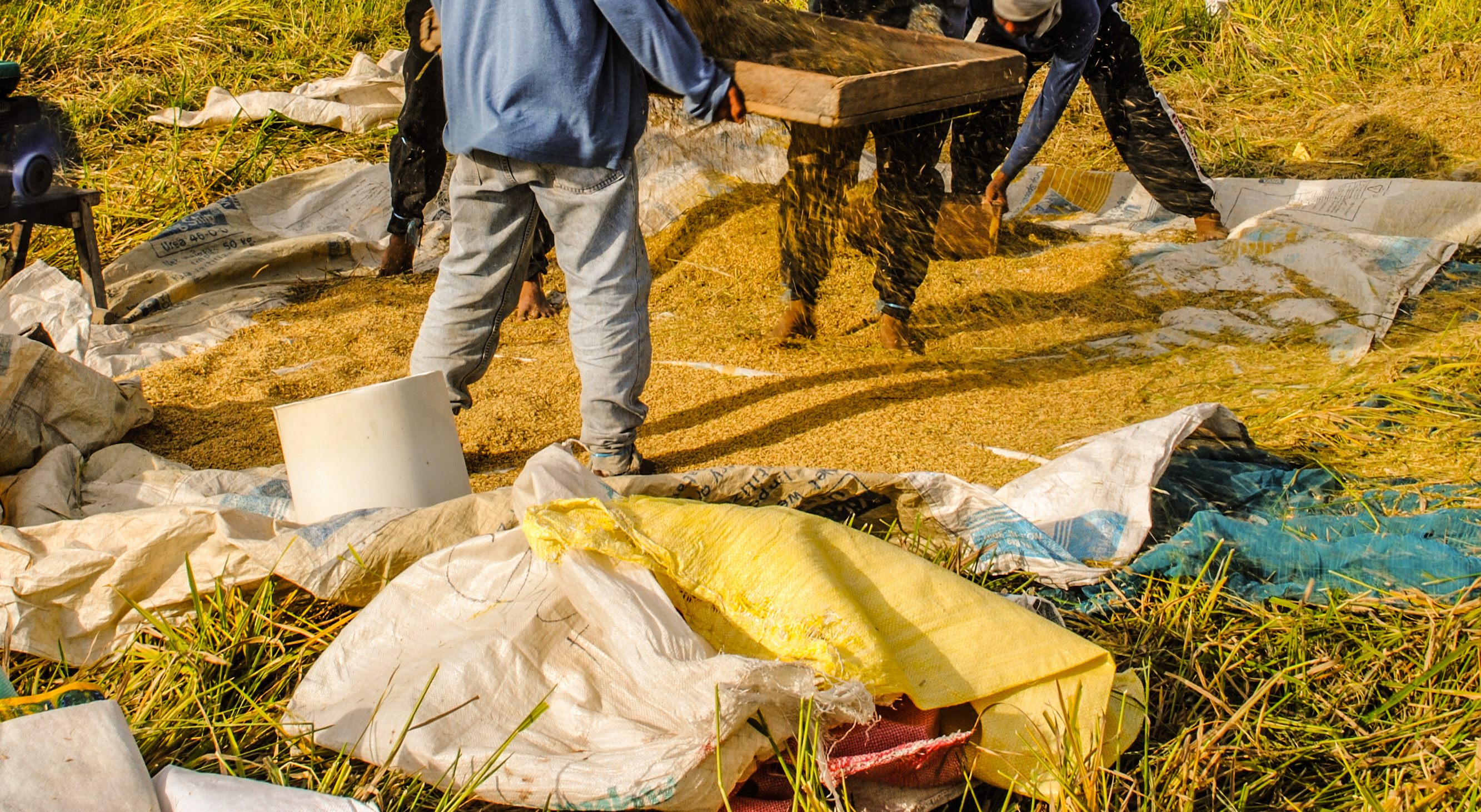
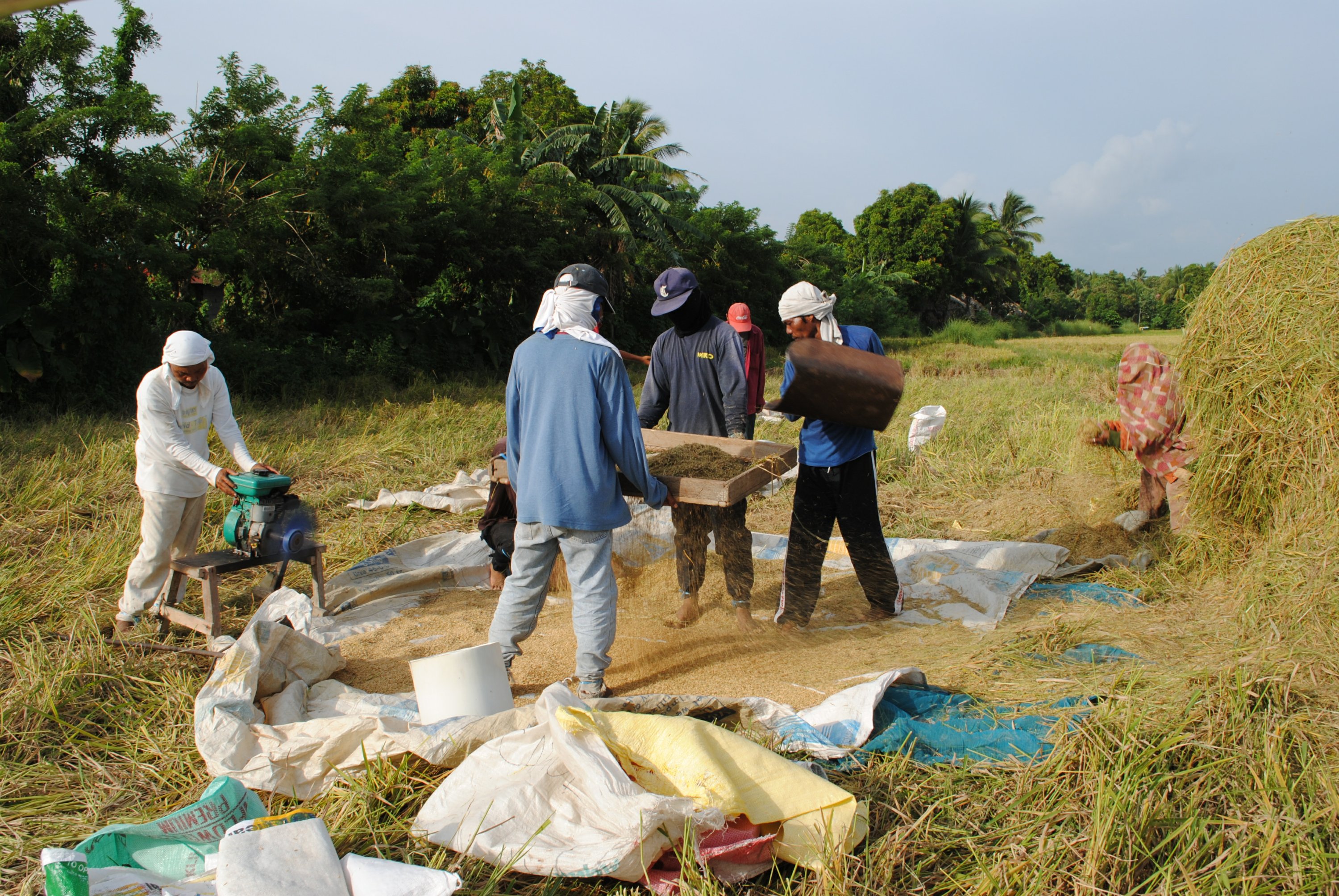
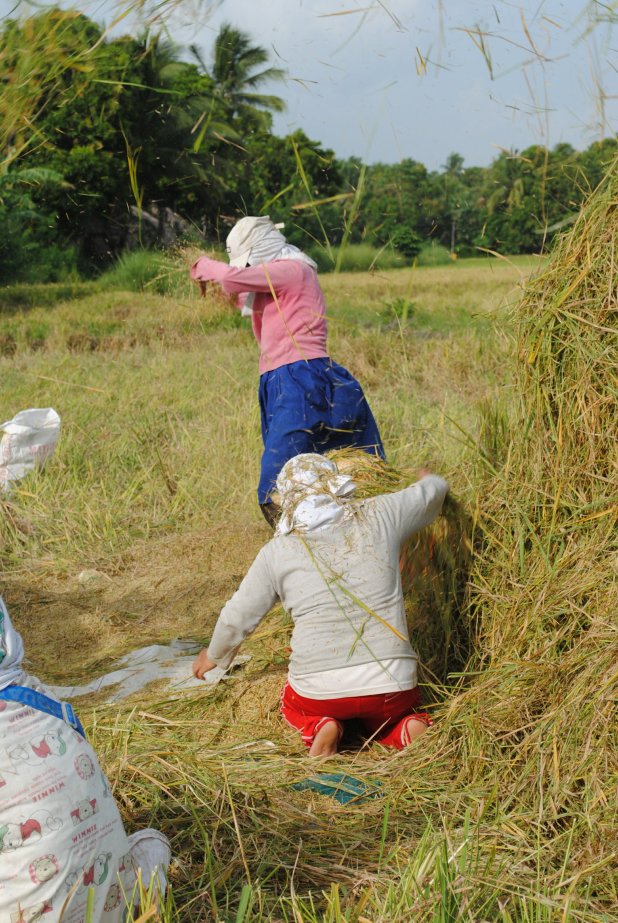
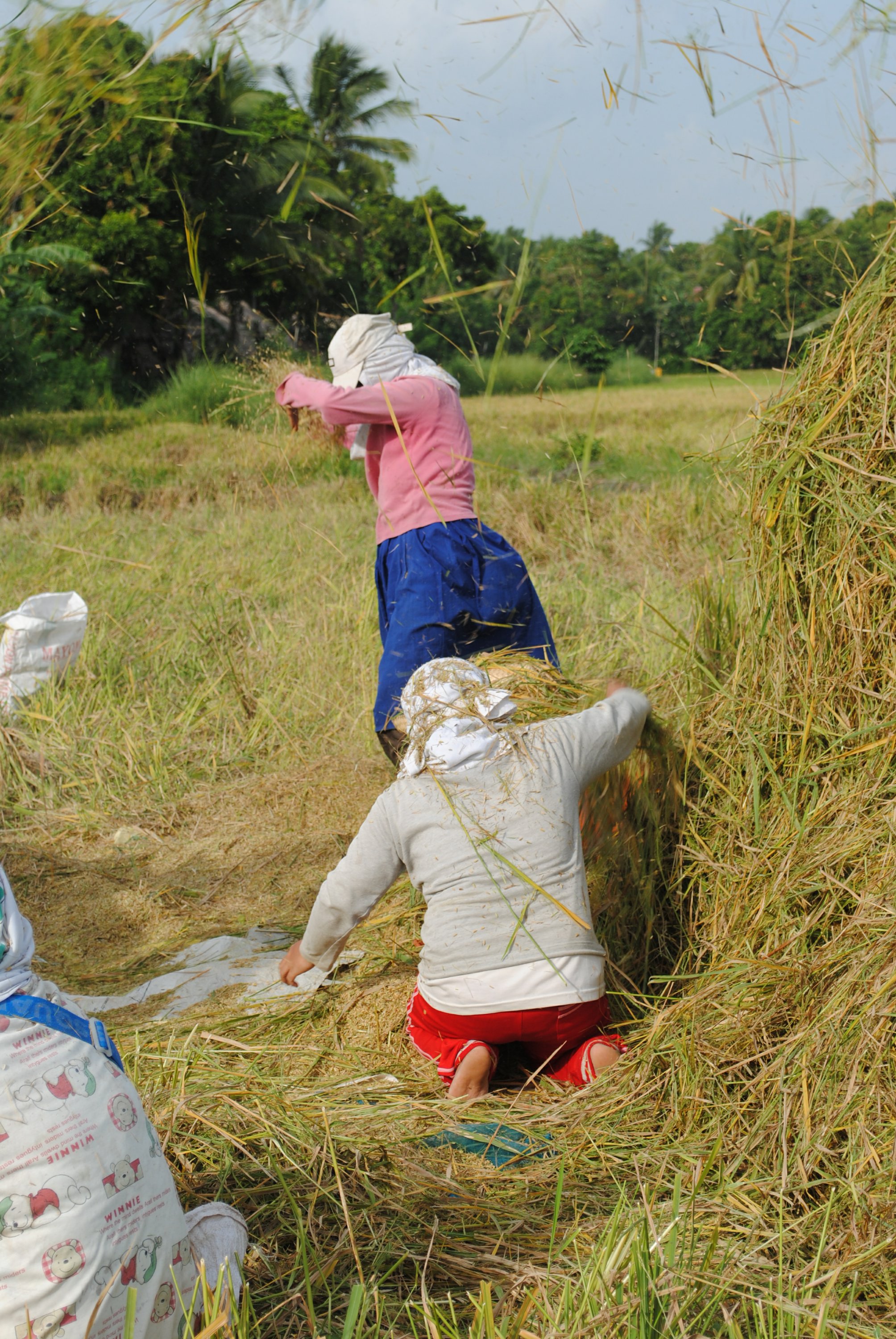
Photo by Christine Lailani Ginete-Rome (Bulan, Sorsogon): Some of the women farmworkers would gather excess palay grains in our rice fields during threshing. They no longer do this now since we’re already using a harvester.
“Commit to the LORD whatever you do, and He will establish your plans.” - Proverbs 16:3

Padayon by God’s grace,

tin ginete rome

Container Gardening 101: A Drive Towards Local Food Movement

It’s just funny how a tiny sign of life no matter how minute it is can be enough to give you the hope that you need. Much like humanity these days. Every single sign of life, we get to appreciate more and more with each passing day.

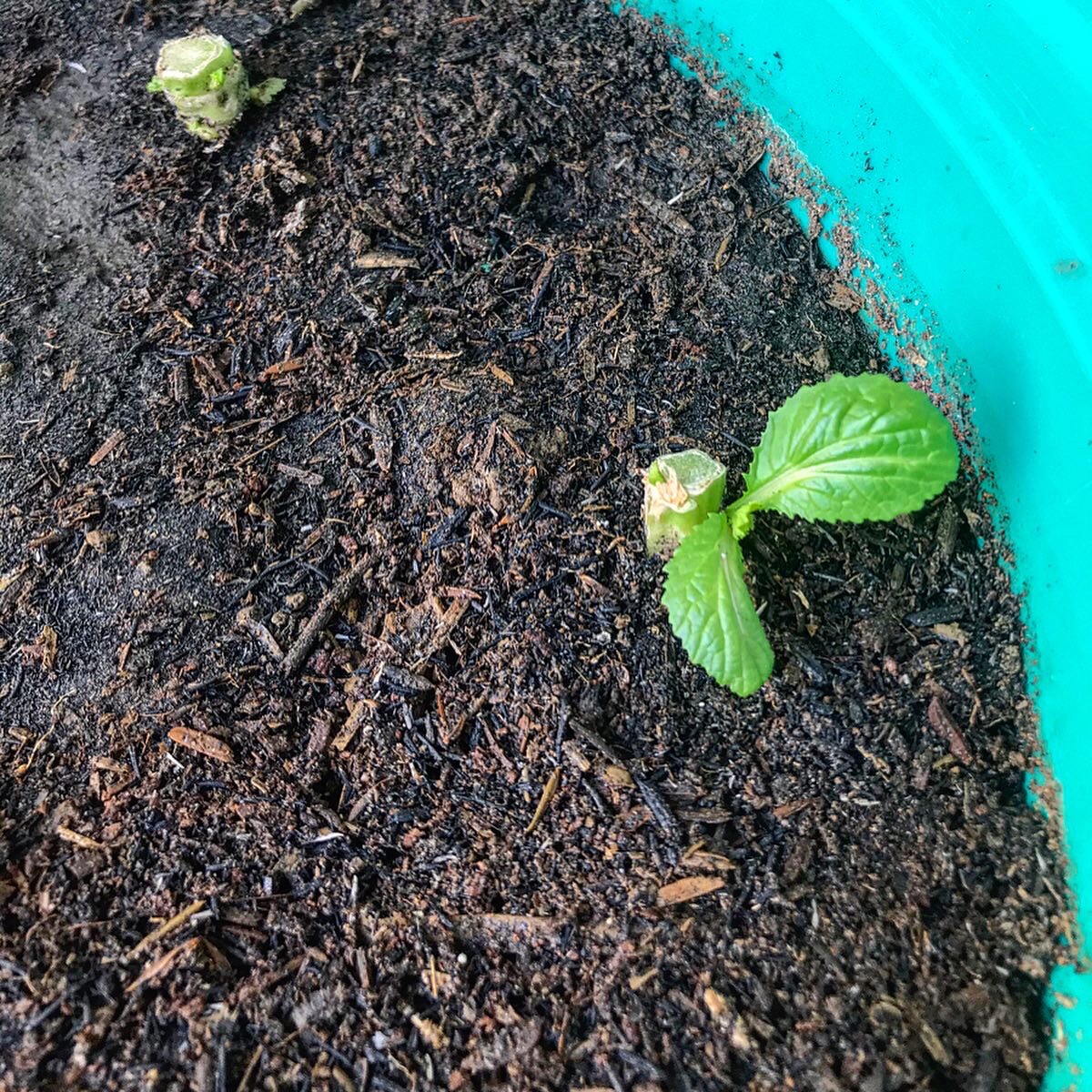
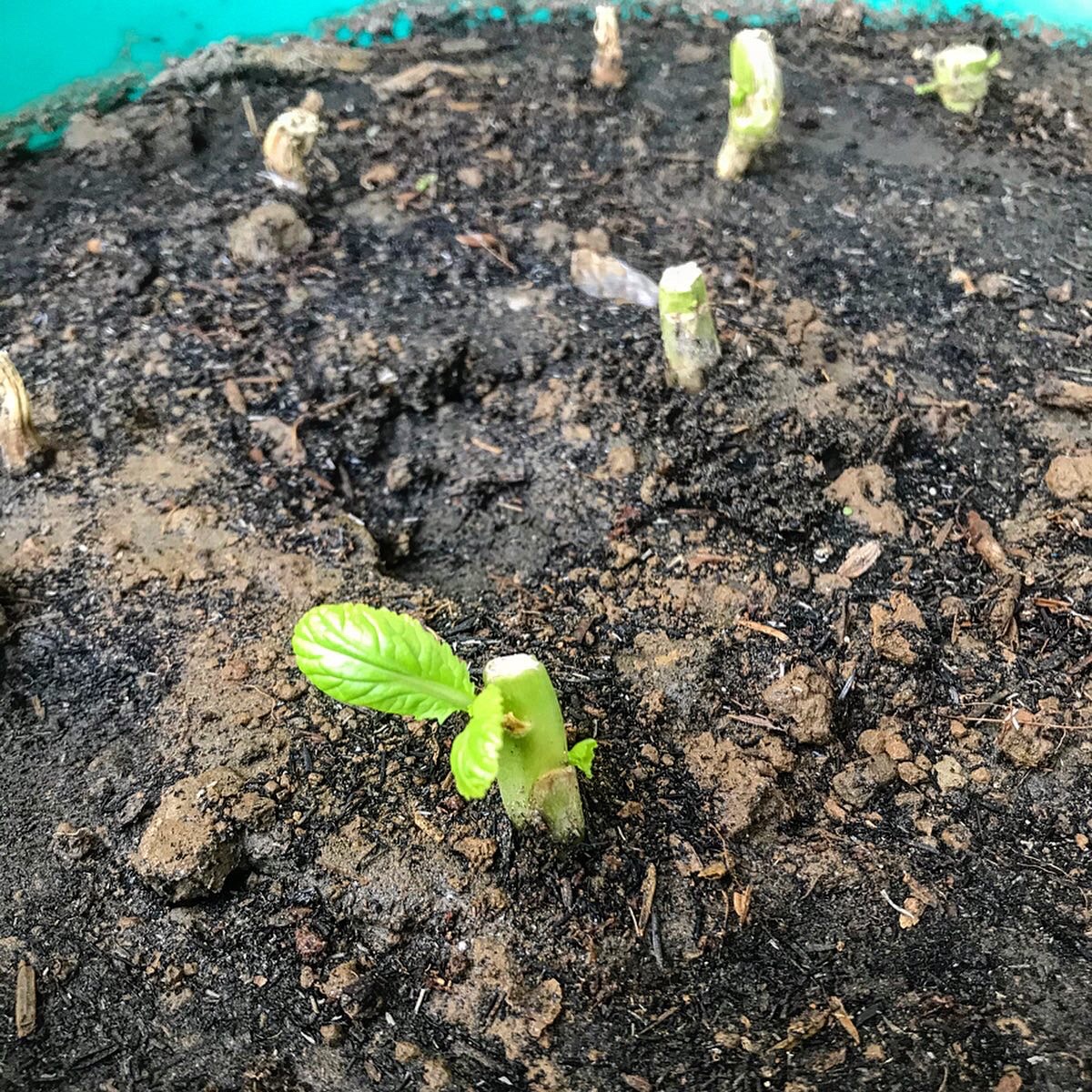
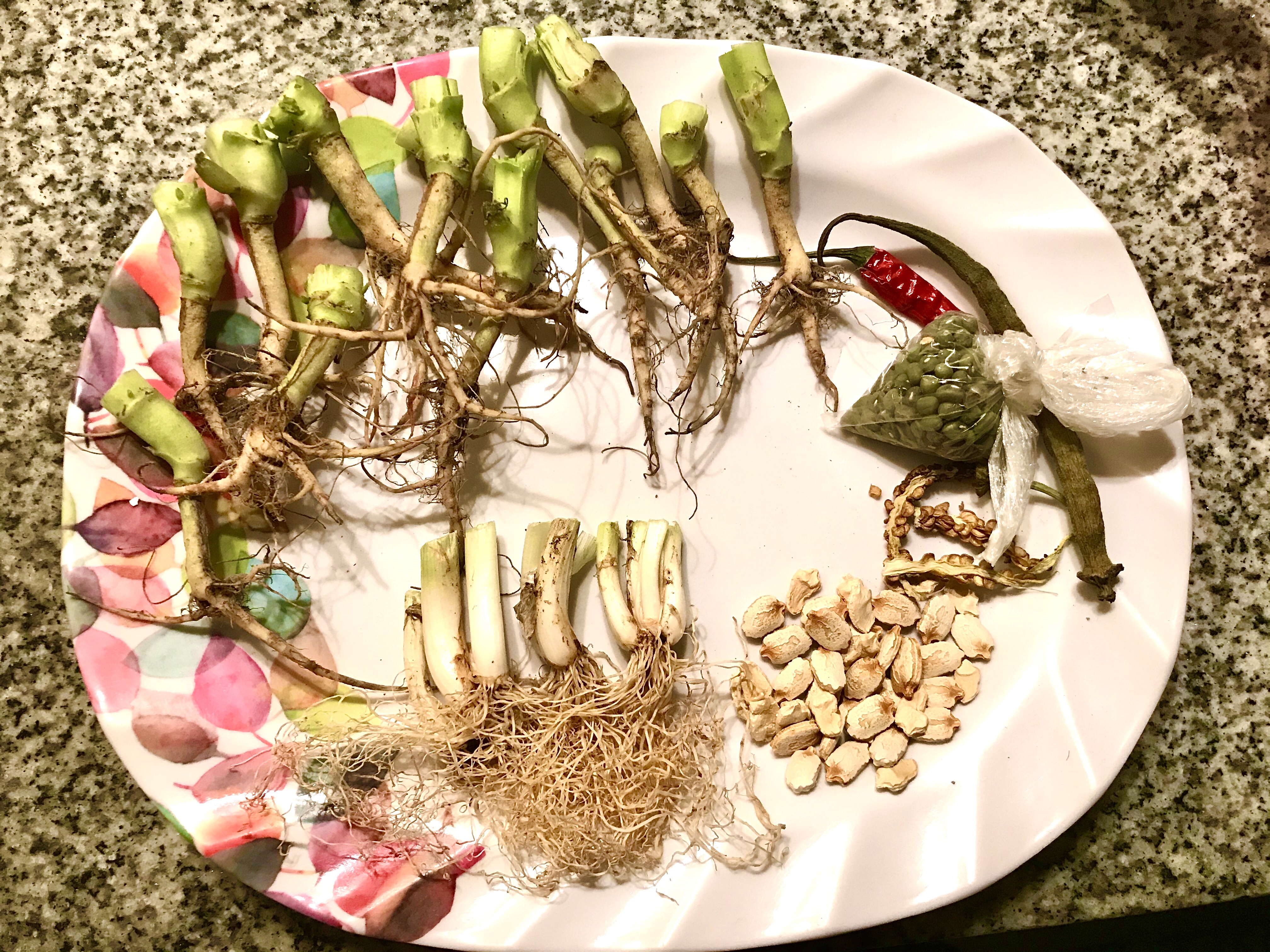
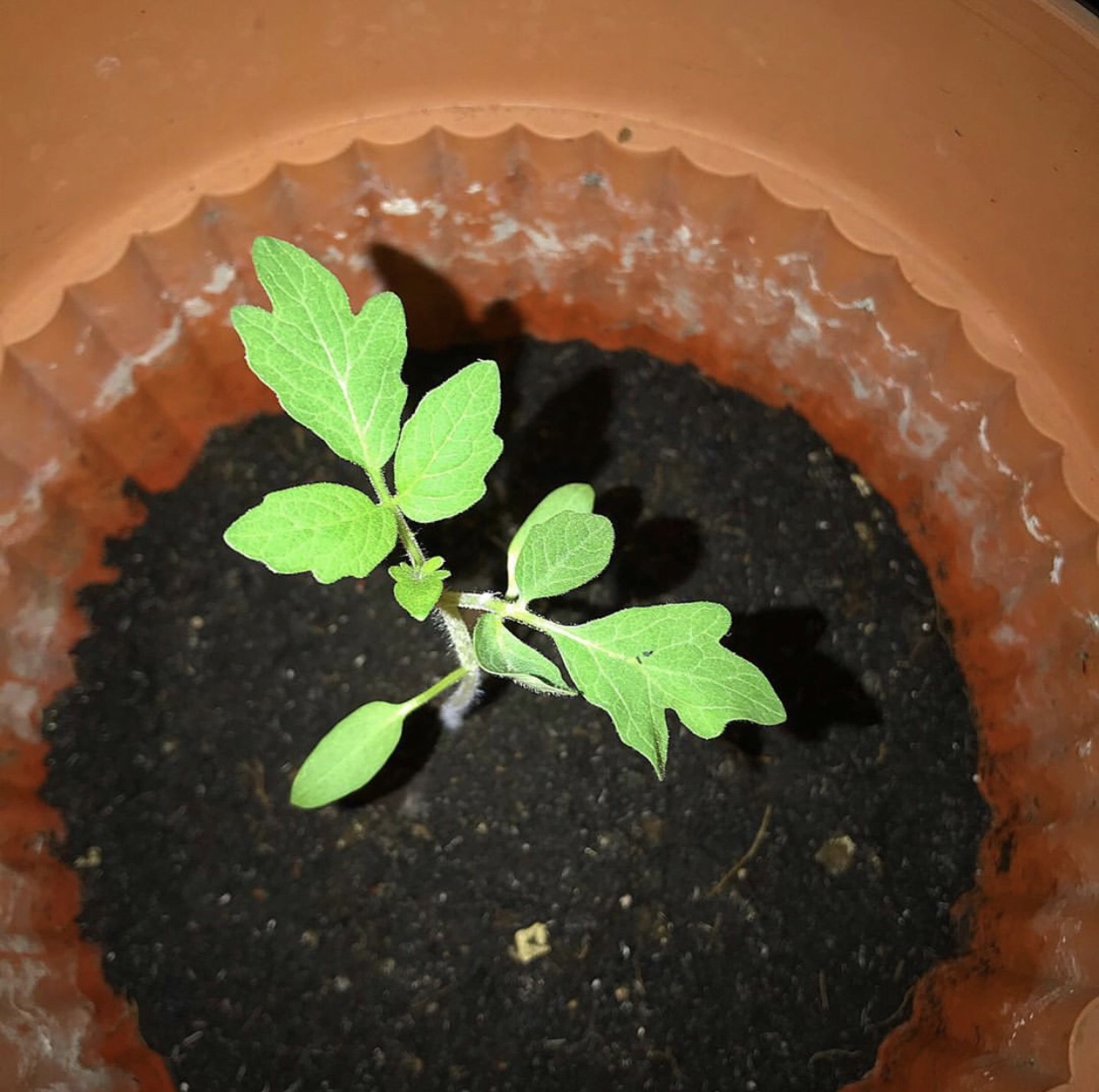
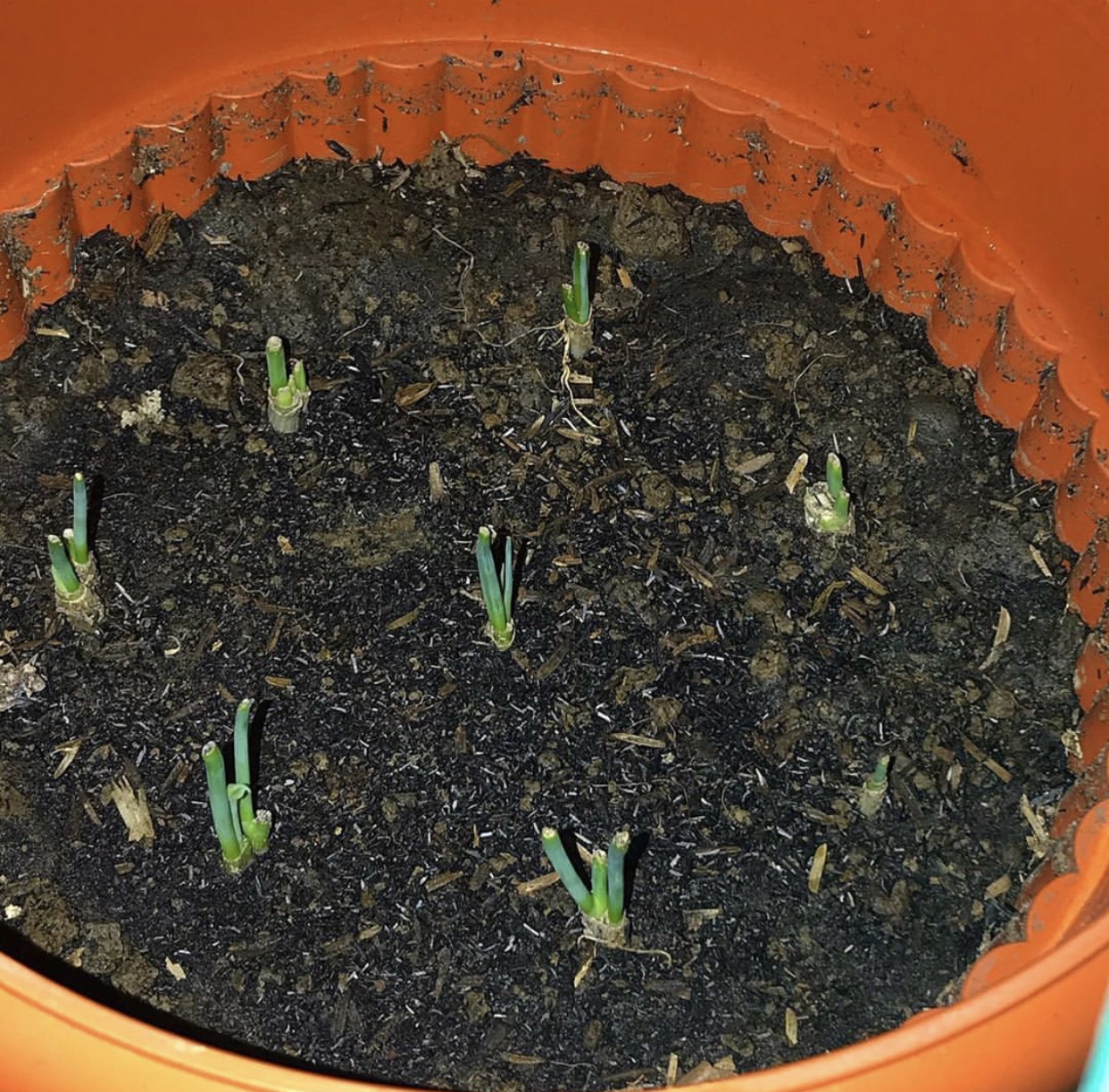
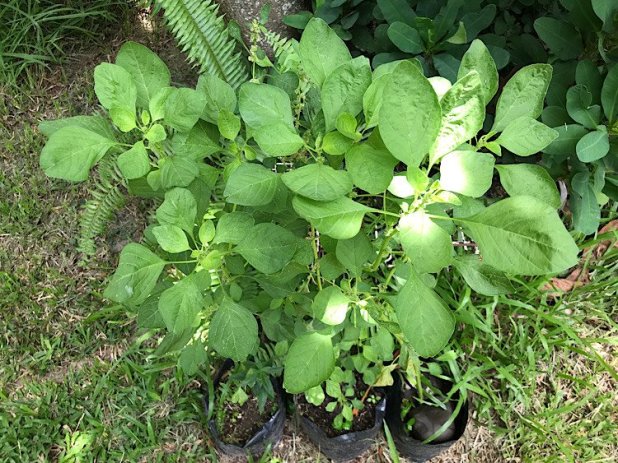
These are the roots of the mustard greens I planted. I didn’t do my research on how to propagate mustard greens so I ended up cutting the entire plant and leaving just a one-inch stub above the roots. When I searched the net, all the propagation info I found suggested cutting all the leaves but leaving the center as is since it’s a rosette.

I was close to giving this plant up after not seeing any progress for 5 days. But hubby told me to give it a couple more days. The next day, new leaves came out. Yay! Indeed, it is one resilient plant, and yet I am still praying God will let them grow well.

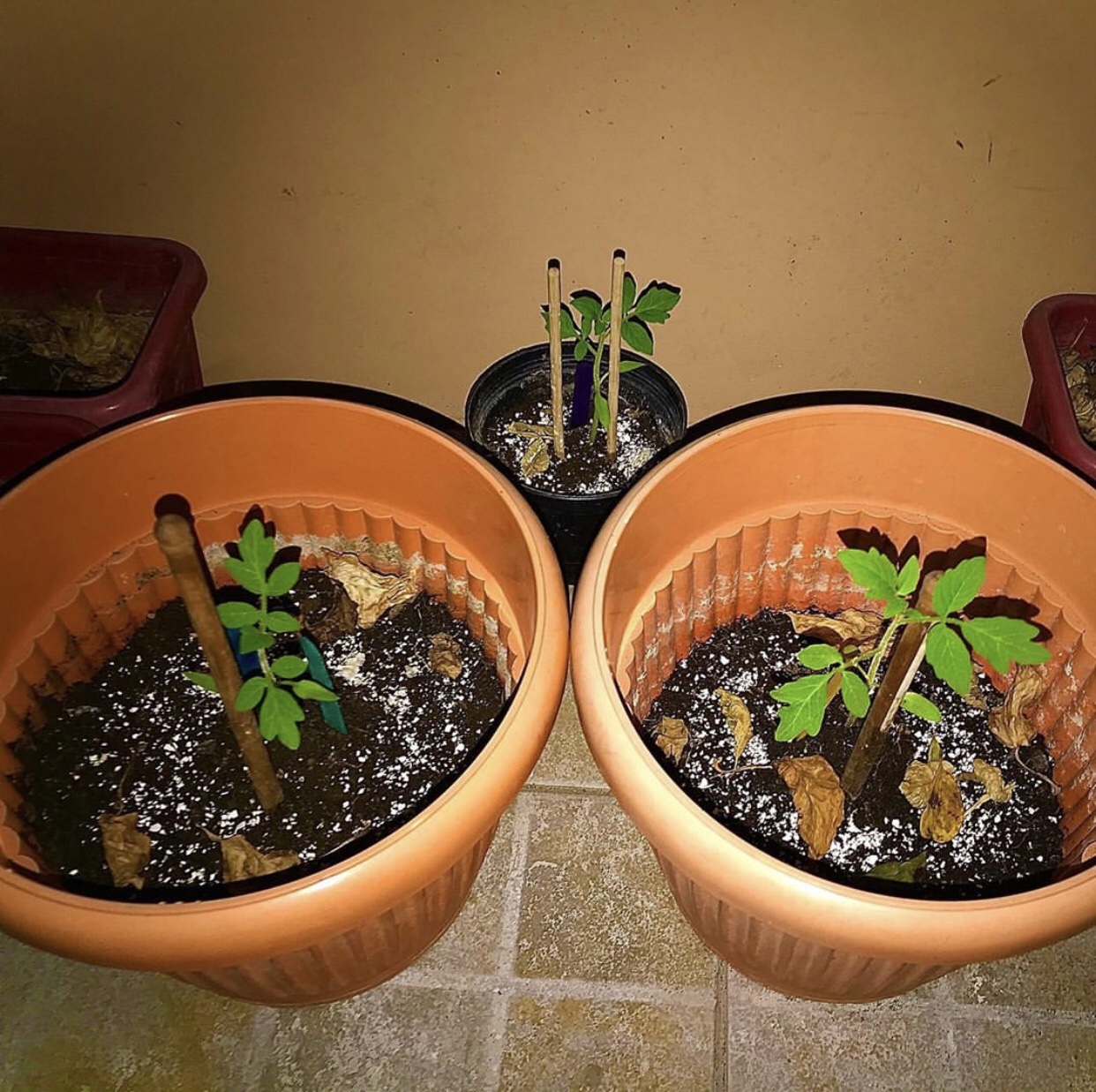
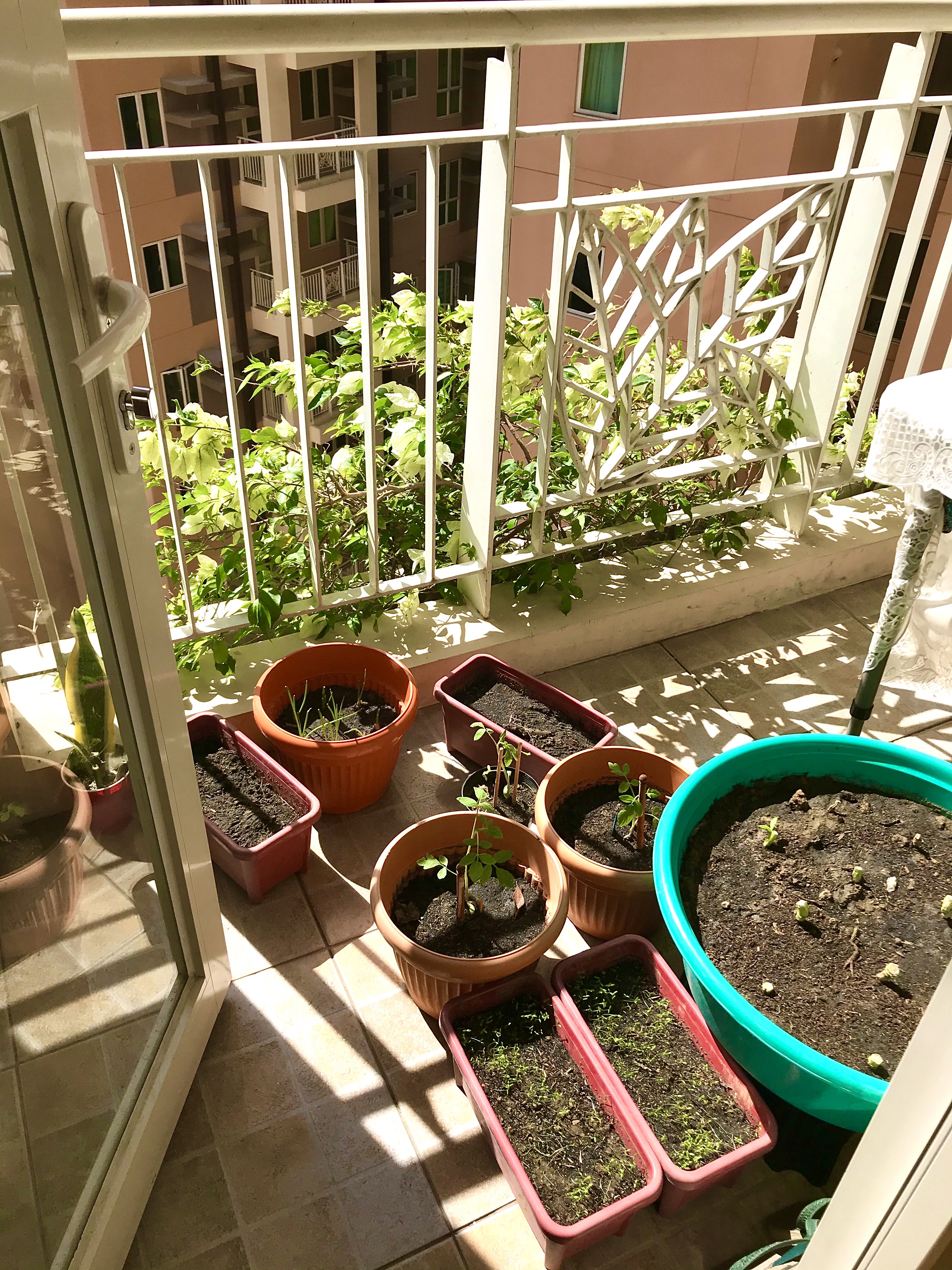
This is my first time to grow this plant along with other vegetables i. e. tomatoes, spinach, garlic, and green onions. So we’ll see in the next couple of days if my own style of “cut-and-come” method is successful. I almost killed it. 😂

We also have other challenges in growing these vegetables such as minimal sun exposure and very strong winds during the day. I guess in this case, I’ll just ask the Great Gardener, Himself, to watch over them for me. 🙏❤️😊

Tending God’s garden in my own little way,

#sustainableagriculture #localfoodmovement

The Role of Climate Change and Rice Tarrification Law in Rice Production: Agri Talk

Before I begin the actual article, I’d like to share an update to those of you who have been following my blog posts lately. And let me begin by saying, thank you to all those who prayed for my checkup – the doctor’s initial assessment turned out negative. BUT, she suggested I still undergo the 2D and 3D mammography tomorrow. We will get my other test results tomorrow, too, but it will be assessed by my doctor on Saturday. The battle is not over yet, not yet.

But life must go on – I am still breathing and I am still walking. So, let’s keep the ball rolling. 😉

What Do Experts Have to Say About the Rice Tarrification Law?

For today’s article, I will be sharing about the Rice Tarrification Law recently signed by President Rodrigo Duterte. Since a majority of our family’s agribusiness revolves around rice farming, I had to do a lot of research on what this law entails and what are the different opinions of industry experts on the matter.

Here are some of the articles I was able to dig up:

“Rice Tarrification Bill Enacted Into Law”

“Rice Tarrification Law Good for Farmers, Agri Group Says”

“Rice Tarrification Law: Farmers Worry; Lawmakers Wary”

“CARD MRI Holds Forum on Rice Tarrification; Vows to Launch Related Module for Its 6.2M Clients”

The Rice Tarrification Law basically proposes a better alternative to consumers by lowering the market price of rice through minimal import restrictions, and importers pay a 40 percent tariff only. Tariffs collected will be distributed to farmers as incentives and financial assistance which the government will provide through programs irrigation, new grains, fertilizers, etc.

This law also aims to eliminate rice traders and middlemen since the tariffs will go directly to the rice industry, experts said. But along with the elimination of rice traders in the agri system sprouts two new challenges – rice cartels and rice smuggling.

The latter poses a new threat since there will be those who will try to evade paying the tariffs imposed by the Bureau of Customs. The challenge to the government is this – will there be other security agencies who can monitor the imported rice that comes in? For one, we don’t have enough border patrols.

The emergence of rice cartels would also mean an even stronger market group to compete with. The challenge here is this – will small-time local rice farmers, who cannot pay enough for the tariffs, get the chance to buy imported rice or still have a chance to sell their produce locally and earn a decent profit?

Yet another challenge is this – with the unresolved cases and ongoing graft and corruption in the country, what is the assurance that the farmers will receive their due share of the tariff proceeds?

When I called my Dad and Mom last Saturday to check up on them and talk about this matter, as expected, the conversation lasted for 2 hours. 😀 That’s one thing about our family, it is like a debate team. We love to discuss, analyze, and assess matters with little oppositions and contradictions here and there but can honestly escalate to an actual debate later on. lol Just kidding. 😀

My parents advised us to let this year pass since this will be the adjustment period, so to speak, for registrations and all. Next year will be the time to assess whether this new law will indeed benefit the local farmers or not. I suggested to my parents that if this means producing rice for personal consumption only, maybe it is about time we explore other crop ventures – the initial proposal of my siblings and I for the new family project.

The Toll of Climate Change on Rice Industries

DSC_0430_edited

Local rice farmers are facing yet another challenge brought about by the extreme heat wave. Dad told me we are experiencing El Nino this summer – severe drought. The last time this happened was back in 2008. My Mom said time will come when intervals between seasons of El Nino will be shorter with the ever-worsening climate change and heat wave.

Extreme drought for farmers means lacking sufficient ricefield irrigation which will then result in lower crop yields a.k.a. less or no profit at all. According to Dad, farmers right now are in dire need of sufficient water supply since rivers are almost dried up. He shared how two farmers started to drill on their ricefields hoping to tap into a good water source such as a spring, but to no avail.

Every drilling activity costs 15k. This means that if you attempted to drill twice, you shelled out 30k already. It’s a big waste of money unless you were able to find a water source asap so you won’t have to spend more. If you’re unable to get the water supply that you need for your crops, they will all dry up with huge losses on your end than gains.

An Outpour of Blessings

God, in all these circumstances, was good to my Dad. Maybe it’s because I pray about the farm every night? 😀 Nah, I won’t take the credit because I know it is all God and God alone.

Dad shared how he “luckily” drilled through a major source with overflowing water and not just a trickle. It was more than enough to irrigate all his ricefields. I told Dad it was indeed a wonderful blessing and maybe he can share the water supply to nearby ricefields and ask the owners to pay for it since the water will be coming from our land.

I know they will take the offer than to let their crops completely dry out and earn nothing. Dad will be able to help other farmers irrigate their crops and save on drilling costs and he can also recover the amount he spent for drilling and pumping for water – a win-win situation.

By the way, the average pumping cost for ricefield irrigation is 150php per hour. So I asked Dad how long does it take to completely fill up one ricefield, he said it’s overnight and sometimes it takes days depending on the size of the ricefield. Indeed, there really is more to farming than planting the crops, letting them grow, and harvesting them without doing anything. Yes, it is nowhere close to gardening. I was totally wrong. 😀

What better alternatives do rice farmers have?

I browsed the internet for better options not just for our business but for other local rice farmers, too. I found online groups and websites where they share information and discuss different agricultural practices that are on par with the drastic climate changes – how farmers can adapt to these changes.

These organizations are the Food and Agriculture Organization of the United Nations (FAO), the United Nations’ International Fund for Agricultural Development (UNIFAD), and Young Professionals for Agricultural Development (YPARD). You may check them out through their social media channels if you’re also in the agribusiness industry.

One topic that requires urgent attention now is about how climate change can affect biodiversity and how biodiversity, in turn, affects food production. I realized that my Dad and other rice farmers were just worried about water supply. And yet what I’ve found out was something more catastrophic than that given the alarming depletion rate of earth’s natural resources. This is where the imbalance comes in, which, in turn, can affect how we produce our food.

One scary thought, or rather, challenging question I had after my research is this – will our children or the future generation still have enough decent food to consume in the next decades or centuries, perhaps? I am promoting two advocacies now in agribusiness and they are sustainable agriculture and local food movement. These two encapsulate the mission of the new family project that my siblings and I are working on.

In our own little ways, what can we do to support these advocacies?

I’ll have to discuss this in the next article because this post’s too long already. 😀 But here’s one to motivate us to do something and this is also one of my core beliefs when it comes to creativity: “Where there are seasons of drought, there is ingenuity.” The geniuses of our time and the times before made a lot of discoveries and inventions out of a lack of something.

How to Be Good Stewards of God-Given Resources

But let us not forget that God owns everything that we have and we are only stewards of what He has entrusted us. He will be the one to provide us everything that we need so we can continue the work that He has tasked us to do.

I am praying for summer rain in Bicol and all other rice-producing regions. Rain during the summer season is a miracle. But I have a God who makes things possible and I believe in miracles because I have faith. So, I say, it will happen. 😉

And yes, I pray for a healthy body, too. Because there are a lot of things that I still need to do and my body’s the vessel to move around. But then again, not my will but His will and not my plans but His plans always. ❤

“The earth is the LORD’s, and all it contains. The world, and those who dwell in it.” – Psalm 24:1

P.S.

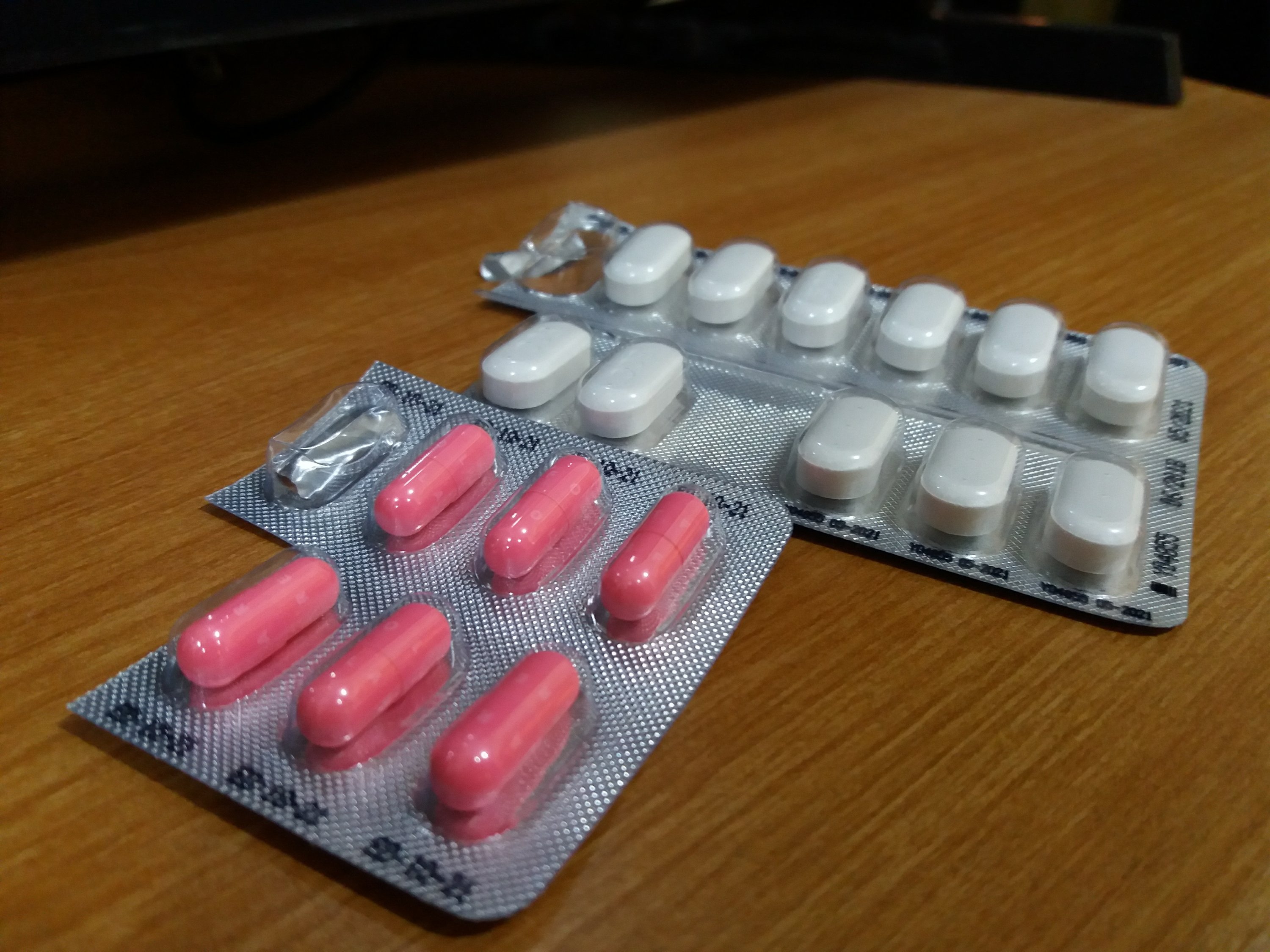
Is there any pill cuter and girlier than this? The bright pink got stuck in my head it helps me remember when I should take them. 😉

I’m also squeezing this article in real quick because I still have other articles to do at work until the end of this week. I just want to get this off my head – like lice. Off with your head! Errr, off with the lice! I mean, off with the thoughts. 😀

It Is Not Labor Day But I’ll Honor Them Anyway

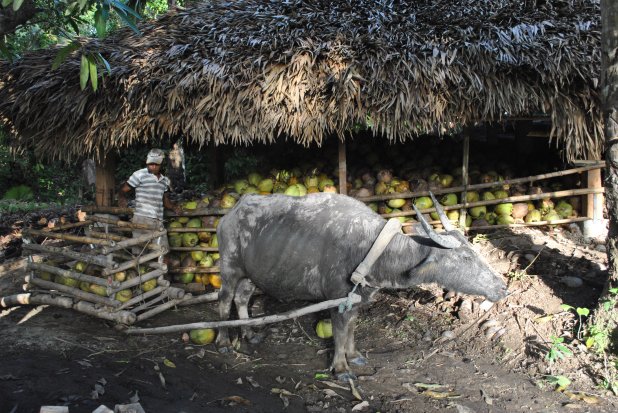
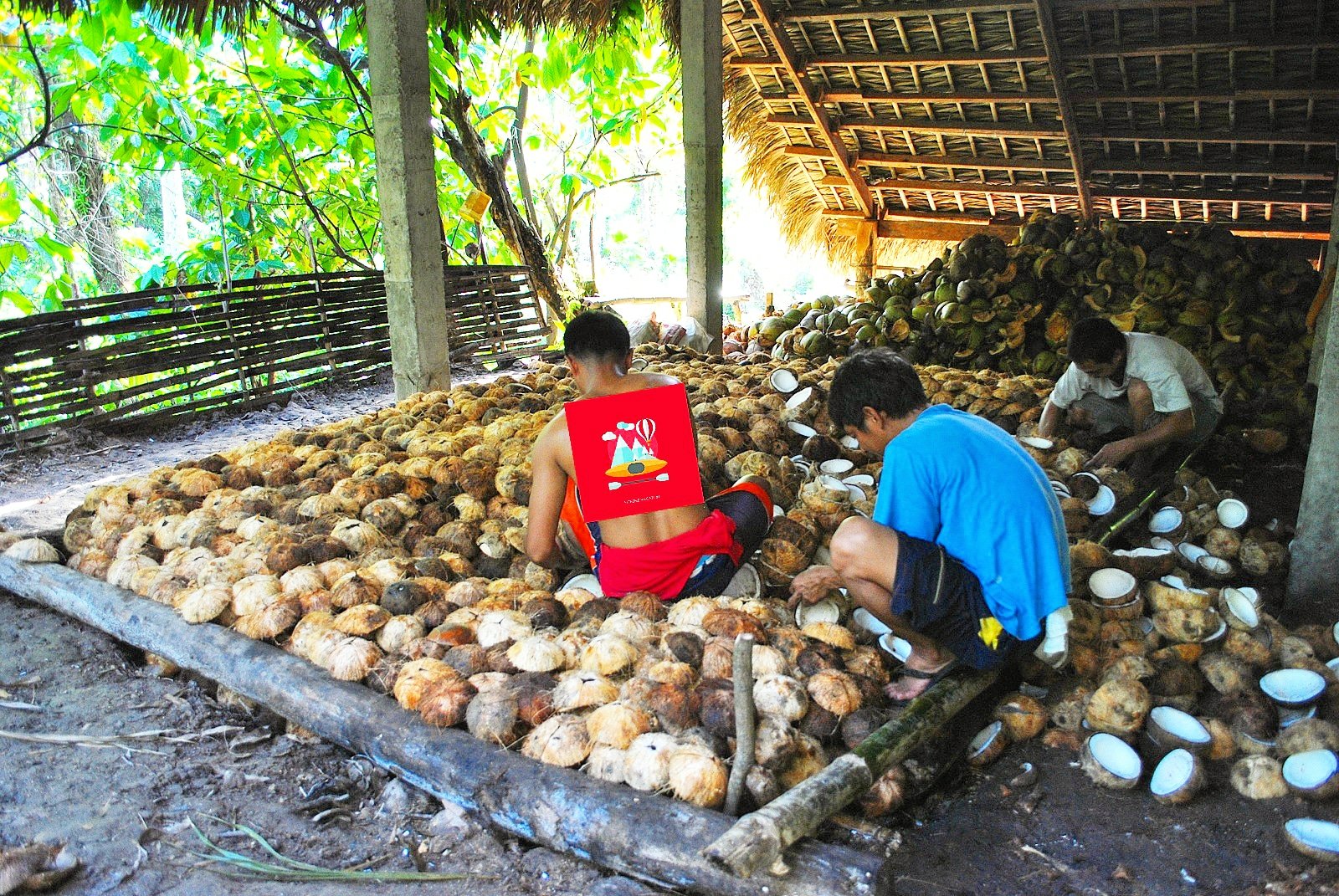
So I’ve been honoring our beloved and trusted farm workers over IG. I thought why not honor them on WordPress, too. 😉 I’ve known them since I was a kid and they are Dad’s best team. Farm work and copra production won’t be made possible without them and their loyalty to my Dad. ❤

It’s my Dad and Mom’s commitment when they were still working professionals that the families of all our coconut and palay heroes receive their annual Christmas Eve package as an appreciation for their hard work. And now that my parents are both retired professionals, my second sister and brother took over in upholding the family’s commitment to them.

We already regard them as a part of our extended family, too. I am praying that the future family project (if God wills it) will help them not just by receiving Christmas packages from us, but in giving opportunities for a better future to their kids, grand kids, and the entire community if possible. 🙏

I’d rather not have a better life if there are many who can’t have it. Better together as always. 😉

“And may the Lord our God show us His approval and make our efforts successful. Yes, make our efforts successful!” – Psalms 90:17

If you and your family are into this type of business or you’d like to venture in on one, please also support these causes I am promoting: #sustainableagriculture and #localfoodmovement.

Also called to serve others,

P.S.

When they all saw me carrying a camera, they attempted to hide. lol They teased me that they don’t want to be discovered by a talent search. 😂 Ah yes, I love these people. ❤

Agribusiness: The Future Of Today’s Economy

With all the skyscrapers being built all around us, we can also expect a higher demand in commodities within the metro. When there is a high demand but limited supply, we can then expect an increase in the prices of goods.

What we can ask ourselves at this point is why is it that there is a limited supply? When I go to the provinces, I see a lot of idle lands that are not being utilized. If we are going to utilize them for crop production, this will then increase the number of supply and there’s a possibility the prices of the commodities and goods will also decrease once they reach the city where the demand is high.

This is easier said than done though because there are a lot of factors that are preventing farmers from utilizing agricultural lands on a wider scale. These factors are what my siblings and I are currently addressing in our endeavor now.

meric-tuna-186605-unsplash

Photo courtesy: Unsplash

Agribusiness Venture

My family’s engaged in palay and copra production for how many decades already, and yet there are a lot of things that we still don’t know about agriculture and farming.

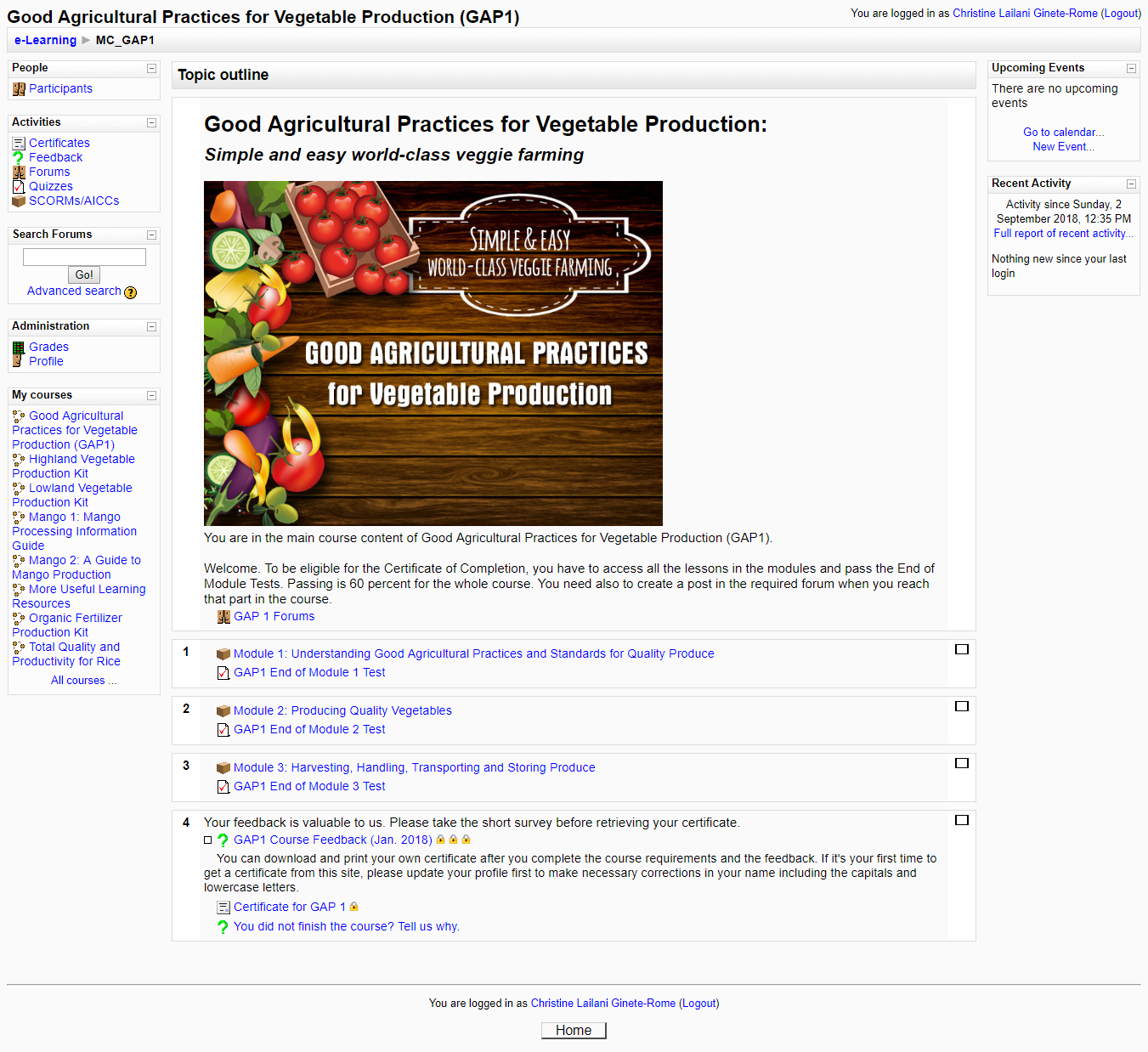
So I searched through the web what I can learn about agribusiness and farming. I was able to dig out a lot of online resources, and I’m actually enrolled in these online courses now. One of them is DA’s e-learning portal and this is how it looks like:

e-classroom

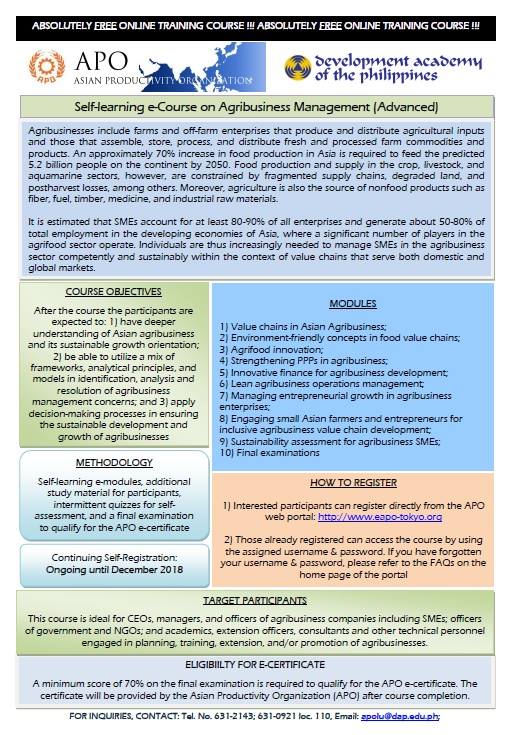
This is what currently preoccupies me most of the time and probably the reason why God was firm in telling me I can’t have a full-time job at the moment. For a more comprehensive free online course, you can check this one out:

APO-DAP Agribusiness Management E-Course FREE

My family and I are currently in this season of gathering all the necessary information we need to make sure the project will push through. Our long-term goal is for the project to be sustainable enough and can be passed on from generation to generation.

It is the project’s mission to promote sustainable agriculture and support the local food movement. The following are the definitions lifted from Wikipedia:

Sustainable Agriculture

Sustainable agriculture is farming in sustainable ways based on an understanding of ecosystem services, the study of relationships between organisms and their environment.

It has been defined as “an integrated system of plant and animal production practices having a site-specific application that will last over the long term”, for example to satisfy human food and fiber needs, to enhance environmental quality and the natural resource base upon which the agricultural economy depends, to make the most efficient use of non-renewable and on-farm resources and integrate natural biological cycles and controls, to sustain the economic viability of farm operations, and to enhance the quality of life for farmers and society as a whole.[4]

Key Principles

There are several key principles associated with sustainability in agriculture[5]:

  1. The incorporation of biological and ecological processes into agricultural and food production practices. For example, these processes could include nutrient cycling, soil regeneration, and nitrogen fixation.
  2. Using decreased amounts of non-renewable and unsustainable inputs, particularly the ones that are environmentally harmful.
  3. Using the expertise of farmers to both productively work the land as well as to promote the self-reliance and self-sufficiency of farmers.
  4. Solving agricultural and natural resource problems through the cooperation and collaboration of people with different skills. The problems tackled include pest management and irrigation.”

Local Food Movement

Local food (local food movement or locavore) is a movement of people who prefer to eat foods which are grown or farmed relatively close to the places of sale and preparation.

Local food movements aim to connect food producers and food consumers in the same geographic region, in order to develop more self-reliant and resilient food networks; improve local economies; or to affect the health, environment, community, or society of a particular place.[1] The term has also been extended to include not only the geographic location of supplier and consumer but can also be “defined in terms of social and supply chain characteristics.”[2] For example, local food initiatives often promote sustainable and organic farming practices, although these are not explicitly related to the geographic proximity of producer and consumer.

Local food represents an alternative to the global food model, a model which often sees food traveling long distances before it reaches the consumer. A local food network involves relationships between food producers, distributors, retailers, and consumers in a particular place, where they work together to increase food security and ensure economic, ecological and social sustainability of a community.[3]”

Aside from conducting our own research, the season demands we also look for mentors. As they say, if you are looking for mentors, seek for thought leaders who have been in the industry for a long time. And thank God for giving us the right ones at exactly the right time.

My brother, sister-in-law, and I are attending a “Farm For Profit” seminar by Semilya sa Kinabuhi founder, Sir Dodong Cacanando, tomorrow. Then next Saturday, I am attending an online seminar entitled “Money Machines: How To Create Passive And Active Income At The Same Time” by Bro. Bo Sanchez.

Ah yes, all I can say is that God has been so faithful to us during this season. He has prepared everything we needed at this point and I know He’ll be with us all the way. 🙂

“And God is able to bless you abundantly, so that in all things at all times, having all that you need, you will abound in every good work.” – 2 Corinthians 9:8

I believe, too, that this is not just a plan that He reserved for me and my family alone. This might be the start of collective efforts among the body of Christ (every one of us) in addressing some of the social issues that we’re currently facing such as the recent price increase in commodities.

In this regard, I would like to encourage everyone reading this to consider venturing into the agribusiness sector. And I hope that you will also be able to get a lot of ideas and insights from the opportunities and what I have learned, which I will be sharing in my future blog posts (including our future failures, if there will be any). 🙂

Always Learning

What is constant in every season is that God always provides us with new opportunities to learn all about this new endeavor. When I graduated from college back in 2008, I was able to get a job as a communications assistant for the deaf and mute. Through this job, I learned all about the struggles that persons with disabilities (PWDs) face every day.

It was such an eye opener for me. So when I resigned in 2010, I had a new goal – learn more about how I can help alleviate the challenges of PWDs and hopefully put up my own foundation in the future for special children who can’t afford expensive therapies.

I took a master’s degree in Special Education that focuses on catering to the needs of children with disabilities. This season introduced me to the field of teaching but unfortunately, I wasn’t able to finish my master’s degree because God brought me to a new season yet again in 2015 – married life.

Before I quit my graduate studies, I used the teaching units I got from the classes I took to get my professional license. I do love teaching but after contemplating whether it is the career for me or not, I felt it in my heart to pursue my first love instead, which is writing.

I found an opportunity in the digital marketing industry. It was in 2017 when my writing career started. Everything was new to me, but I was eager to learn because I love what I am doing.

After a year, I have decided to let it go because God brought me to yet another season – focus on the family project which is the agribusiness.

God’s Plans

We really can’t see what God’s plans are and only God can tell. I have assumptions, but I can’t claim that these are God’s plans as well. What are my assumptions?

God gifted me with a talent in writing. From grade school until college, it was all a preparation. So, why take SpEd? It will satisfy some of the objectives of the family project which will include putting up a social enterprise that will teach young entrepreneurs and a foundation to help those in need (special children, orphans, etc.). The main objective of our project is for other people to benefit more.

As a licensed teacher, I can teach young students and it might not be in the area of my expertise which is English. But, it can be in the field of agriculture, farming, and entrepreneurship applying everything I will learn on our farm.

Why digital marketing? That is the trajectory of the future of businesses. Marketing using the traditional way can benefit a lot alongside digital marketing. The latter can boost the growth and development of a company not just in finance but in terms of creating partnerships and remaining competitive in the global market.

Writing plays a huge role when establishing the company’s online presence in the digital world. Businesses have to be at par with the rapidly evolving digital technology and storytelling is just one of the ways.

My brother’s comment before when it comes to my writing is this – you have such a flair for the dramatic. I told him that well, I was created to be a poet. 😉

My writing appeals to the emotions. This appeal is the reason why I love persuasive writing. I persuade my readers to know the Truth. But if they can’t find out what the Truth is after reading my posts, then I believe I haven’t persuaded them enough. 😀

Going back to God’s will and plans over my family’s endeavor, hubby and I were having thoughts to transfer homes back in 2017. We already have plans to start investing in our own home even if it is a small one. I shared it with my brother who then suggested we stay at my sister’s condo instead. He said that we can save more this way and get a house later on that is located in a place that we love.

We agreed that we will pay the association dues since my sister waived the rental fee (thank you so muchos, Ate Ayn!). At the same time, we will look out after the place for her since she and her husband live in Norway.

God’s Favors

I am extremely grateful for all of these because they were all favors from the Lord. Yes, my brother is right that this new season of us living in yet another new home will help us save a little. But we can do it even if I don’t have a full-time job. This means I can concentrate on learning all that I need to learn for our farm projects.

My other siblings don’t have the time to learn them all so it is my task to fill them in with all the info I can gather from my research. My other sister in the province will be my partner in applying what we have learned from the e-courses when I go back home. And yet our other siblings’ careers are important, too, in helping fund the project’s expenses.

My other sister and I have the time to learn so much but we don’t have well-paying careers and our other siblings have high-paying careers but they don’t have enough time. Combined together is now a perfect team to make the project work. I bet God is really the best project manager ever He knows the best persons to delegate certain tasks with. 😀

But then again, 5 heads are better than 1 or 2. So yes, I need all of my siblings’ wisdom in this endeavor. And I am glad I have their full support and cooperation. (Love you, my dear sibs!)

Put God First

With all the info overload I gathered from my research, I am estimating that it’ll take about more than a year to study all the business concepts when it comes to agriculture and farming. I am always seeking for God’s wisdom though on what to do with all the collated info.

As we all know, learning how to do something is actually very different from doing exactly what you learned a.k.a. theories vs. application. I realized we have a lot to learn in this endeavor and if we want our projects to be sustainable, we need to be equipped with the right business and farming concepts and be able to apply them well.

If you are to ask me why should we pursue this endeavor, it is because of this: how we build the world today is how we set the course of the future. That is, I don’t want the future generations to eat very pricey vegetables due to the high demand and low supply. Even if I don’t have kids, I still have high hopes that what we do now will impact the world later on for the better. That is, with God’s guidance as our “chiefest” CEO. 😉

To end this article, here’s a very inspiring message (the best commencement speech for me) from none other than one of the Academy Award-winning and most acclaimed actors, Denzel Washington:

P.S.

Please don’t blame me if ever you ventured into agribusiness and failed. 😀 Endeavors like this require consulting with God first and foremost because we all have our own God-given purposes.

Writing this postscript actually made me realize that pursuing the things that we don’t have can become only that – an endless pursuit. But if we pursue an endeavor by making good use of what God has already given us, we might actually find our purpose in and through them. 🙂

*Update as of 9/15/2018: “Farm for Profit” seminar was cancelled due to typhoon Ompong.