What To Expect When A Loved One Enters Hospice (from The Gospel Coalition)

God sure knows when to reinforce my calling (a long-term goal and possibly a retirement project) lest I get distracted and focus on other things. I stumbled upon this article from The Gospel Coalition a couple of days ago, and this is exactly what I needed for the hospice project I am planning to propose to my siblings. I thought I’d share it here as well to help those who are going through a similar situation. 🙏

Original Article Link: https://www.thegospelcoalition.org/article/expect-loved-one-hospice/


“What To Expect When A Loved One Enters Hospice”

By Kathryn Butler

I recently lost a dear friend to cancer. She’d struggled with treatments and recurrence for years, and when her doctor finally said the heavy word “hospice,” she and her family were neither surprised nor despairing. As Christians, they drew comfort from the assurance she’d be with the Lord after she took her last breath (Rom. 14:8; 2 Cor. 4:17–18).

And yet, although my friend embarked on her hospice journey with full acceptance, none of her family was prepared for the tumult of emotions her final days incited. They trembled and choked back tears when she bolted upright in agitation. When she no longer responded to their voices, they nursed the ache of loss. Throughout, they struggled to reconcile the grim realities of death with the mother, sister, and wife they so cherished.

Families with loved ones in hospice all too frequently weather such storms. As the wages of our sin (Rom. 6:23), death is by nature harrowing, even when anticipated. We weren’t meant for death, and those of us who encounter it often struggle with lingering grief, confusion, and regret afterward, especially when it steals away someone we dearly love.

With a million and a half people in the U.S. receiving hospice care annually, many families will walk this troubling road, suffering doubts and heartache along the way. How do we shepherd caregivers and families as they aim to love the dying? How do we walk with them through the valley of the shadow of death, reminding them all the while of the Good Shepherd whose love covers them when the light dwindles (Ps. 23:4)?

𝗪𝗵𝗮𝘁 𝗛𝗼𝘀𝗽𝗶𝗰𝗲 𝗜𝘀

Misunderstandings about hospice abound and contribute to the pain families bear. Many people equate hospice with “giving up” on a loved one. Others confuse it with physician-assisted suicide and euthanasia. Still more have an accurate idea of hospice but can’t bring themselves to say goodbye to someone they can’t fathom living without.

To clarify, hospice care seeks to minimize pain and suffering at the end of life among those with terminal illnesses. A multidisciplinary team, usually comprised of physicians, nurses, social workers, chaplains, and health aides, provides medical care as well as spiritual and social support with a focus on symptom control and quality of life, rather than on cure. Although we often associate hospice with cancer, the most common qualifying diagnoses are severe dementia, emphysema, and heart failure.

For people with a life expectancy of months, hospice services often begin as regular home visits from nurses, social workers, and home health aides to ensure patients are stable and comfortable. As the illness advances, support increases, and eventually the dying require continuous care at the bedside and frequent doses of medications to ameliorate pain, anxiety, and air hunger. In the home, this care often falls to loved ones, which can be emotionally traumatic. In such circumstances, a hospice house, where staff nurses monitor patients 24/7, may be a better alternative.

People can only receive hospice services if they have a life expectancy of six months or less. Such patients, after consultations with doctors they trust, accept that further interventions for a cure would be futile (e.g., a cancer has metastasized to other organs and treatment options have run out). In hospice, medical care continues, but that care shifts to focus on lessening symptoms rather than eradicating the disease.

Studies suggest that rather than indicating caregivers have “given up” on patients, this shift in care can actually increase the life expectancy of terminally ill patients for up to three months. In our highly technological medical system, accepting the inevitability of death has a clear, measurable benefit.

It also has a biblical precedent. Although Scripture directs us to honor life (Ex. 20:13), it also reminds us our times are in God’s hand (Ps. 31:15). Like the grass of the field, we wither and fade (Isa. 40:7–8); until Christ returns all of us will succumb to death (Rom. 5:12). When we deny our mortality and chase after treatments that don’t promise cure, we dismiss God’s grace in Christ and the power of his resurrection. Christ has transformed death, swallowing it up in victory (1 Cor. 15:54) such that, as the Heidelberg Catechism aptly states, it’s no longer “a payment for our sins, but only a dying to sins and an entering into eternal life.”

𝗪𝗵𝗮𝘁 𝗛𝗼𝘀𝗽𝗶𝗰𝗲 𝗜𝘀𝗻’𝘁

While hospice reflects biblical teaching, the same can’t be said for euthanasia or physician-assisted suicide (PAS). Families facing hospice for a loved one may confuse these practices, especially given the terminology of “Medical Aid in Dying,” or MAiD, now adopted in Canada and used in the U.S. with increasing frequency. While in hospice, death occurs secondary to an underlying illness, in MAiD, terminally ill patients seek medical means to deliberately end their lives.

In euthanasia, for example, a healthcare provider administers a lethal dose of medication––often an injection––on a patient’s request. Similarly, in PAS, doctors prescribe a dose of pills for a patient to take on his or her own. In both cases, the “aid in dying” isn’t symptom support but rather a lethal dose of medication.

As the legalization of PAS has steadily increased in the U.S. over the past 20 years, it’s crucial to understand its distinction from hospice. In hospice, the aim is to alleviate suffering from futile or excessively burdensome measures. People can “graduate” from hospice; if a patient unexpectedly improves and is no longer deemed terminal, clinicians rejoice and hospice services are discontinued. PAS, by contrast, involves the active taking of another life with the explicit goal to end it, and it violates God’s Word (Ex. 20:13).

𝗪𝗵𝗮𝘁 𝘁𝗼 𝗘𝘅𝗽𝗲𝗰𝘁

The knowledge that hospice care aligns with biblical teachings can provide solace to families. Yet even with this consolation, watching a loved one die can be crushing. Many families embark on this journey with confidence, only to find the unsettling details of dying overwhelm them.

The following common changes may occur when death is near, which may trouble those at the bedside:

As a dying person’s organs shut down, 𝗯𝗿𝗲𝗮𝘁𝗵𝗶𝗻𝗴 𝗿𝗲𝗳𝗹𝗲𝘅𝗶𝘃𝗲𝗹𝘆 𝗯𝗲𝗰𝗼𝗺𝗲𝘀 𝗿𝗮𝗽𝗶𝗱 to remove excess acid from the bloodstream. As such breathlessness worsens anxiety and fatigue, nurses will administer a narcotic (usually morphine) or a sedative to help slow the breathing.
Intestines shut down as death nears. 𝗣𝗲𝗼𝗽𝗹𝗲 𝘄𝗶𝗹𝗹 𝗵𝗮𝘃𝗲 𝗻𝗼 𝗮𝗽𝗽𝗲𝘁𝗶𝘁𝗲, and although loved ones may worry about starvation, forcing them to eat or drink leads to vomiting or abdominal cramping.
In the setting of dehydration close to death, 𝘁𝗵𝗲 𝗺𝗼𝘂𝘁𝗵 𝗮𝗻𝗱 𝗹𝗶𝗽𝘀 𝗱𝗿𝘆 𝗮𝗻𝗱 𝗰𝗿𝗮𝗰𝗸. Hospice care workers provide moist mouth swabs to counteract the discomfort.
𝗔𝗴𝗶𝘁𝗮𝘁𝗶𝗼𝗻, 𝗱𝗲𝗹𝗶𝗿𝗶𝘂𝗺, 𝗮𝗻𝗱 𝗵𝗮𝗹𝗹𝘂𝗰𝗶𝗻𝗮𝘁𝗶𝗼𝗻𝘀 are common near death and can be especially upsetting to witness. In the mildest cases, patients will see people from their past, which may alarm onlookers. In the most distressing, the dying will suddenly panic or lash out at others with cruel insults. Clinicians give medications to calm patients and avoid such outbursts, but when they do occur, delirious patients’ words can deeply hurt those they love. In such moments, we can reassure families that death affects the mind as well as the body and that their loved ones are unaware of their actions. Agitation near death reflects the disease, not the patient’s true thoughts and feelings.
People 𝗴𝗿𝗮𝗱𝘂𝗮𝗹𝗹𝘆 𝗹𝗼𝘀𝗲 𝗰𝗼𝗻𝘀𝗰𝗶𝗼𝘂𝘀𝗻𝗲𝘀𝘀 as death nears. However, in the days to hours before death, some suddenly awaken and carry on clear, coherent conversations. Called “𝘁𝗲𝗿𝗺𝗶𝗻𝗮𝗹 𝗹𝘂𝗰𝗶𝗱𝗶𝘁𝘆,” this phenomenon is poorly understood but well documented and can confuse loved ones who mistake the sudden clarity for clinical improvement. A good approach is to treat these moments as gifts from the Lord, offering loved ones a final glimpse of the person they’ve treasured.
Even when the dying are unresponsive, evidence suggests 𝘁𝗵𝗲𝘆 𝗰𝗮𝗻 𝘀𝘁𝗶𝗹𝗹 𝗵𝗲𝗮𝗿, with their brains responding to sounds as distinctly as do awake, healthy individuals. This can provide families with enormous comfort, as it means their loved one may still hear and understand their words. Encourage families to speak to their loved one, to read Scripture, to pray aloud, and to sing hymns and favorite songs. Such connection can provide much-needed closure and solace to the living, and minister lovingly to the dying.
In the last 24 hours, 𝘁𝗵𝗲 𝘀𝗸𝗶𝗻 𝘁𝘂𝗿𝗻𝘀 𝗺𝗼𝘁𝘁𝗹𝗲𝗱 𝗮𝗻𝗱 𝗯𝗹𝘂𝗶𝘀𝗵, especially in the hands and feet. This is normal and signals the circulatory system shutting down.
The last few hours of life are often marked by 𝗱𝘆𝘀𝗿𝗲𝗴𝘂𝗹𝗮𝘁𝗲𝗱 𝗯𝗿𝗲𝗮𝘁𝗵𝗶𝗻𝗴. People will breathe deeply and rapidly for several breaths, then not breathe at all for up to two minutes. Secretions pooling in the airways also create an unsettling rattling sound with each breath. Additionally, relaxation of the vocal cords can produce a sound similar to moaning, even in the absence of discomfort. While these changes are upsetting to witness, at this point patients are unaware of their surroundings and unlikely to experience suffering.
𝗛𝗼𝗽𝗲 𝗘𝗻𝗱𝘂𝗿𝗲𝘀

In addition to the troubling realities outlined above, families of hospice patients may wrestle with questions about the faith and salvation of their loved one. If a loved one isn’t a believer, relatives may urge nurses to withhold sedatives, clinging to hope for a deathbed conversion. If a loved one has proclaimed faith, moments of agitation may raise doubts about the sincerity of that profession.

While their heartache is understandable, to withhold medication and incur unnecessary suffering is neither loving nor compassionate. As solace, we can point families to the thief on the cross (Luke 23:39–43), whom Jesus invited into his kingdom as he was dying. We can reassure them that the Holy Spirit can work in someone’s heart regardless of their capacity for language or cognition, and the Lord can bring all he wills to himself (Eph. 1:3–7). The good news of the gospel declares that salvation depends not on us but on God’s grace––and he can turn every heart he wills from stone into flesh (Ezek. 36:26).

Above all, when families walk alongside a loved one in hospice, they show him or her, as well as surrounding caregivers, the character of Christ.

To abide with another through death is to love in the sacrificial, soul-weary way our pierced Savior loved us first (Matt. 26:38; John 13:34–35; 1 John 4:19). It’s to weep with those who weep (Rom. 12:15) and to bear another’s burdens (Gal. 6:2). It’s to offer a loved one a tangible reminder––perhaps with a hymn heard through the shadows, perhaps with a gentle touch––that God’s love endures forever (Ps. 107:1) and that, in Christ, nothing––not even death––can pry his beloved away from his grasp (Rom. 8:38–39).

“Don’t Quit” By Edgar Albert Guest


“DON’T QUIT”

by Edgar Albert Guest

When things go wrong, as they sometimes will,
when the road you’re trudging seems all uphill,
when the funds are low and the debts are high,
and you want to smile but you have to sigh,
when care is pressing you down a bit – rest if you must, but don’t you quit. 
Life is queer with its twists and turns.
As everyone of us sometimes learns.
And many a fellow turns about when he might have won had he stuck it out.
Don’t give up though the pace seems slow – you may succeed with another blow.
Often the goal is nearer than it seems to a faint and faltering man;
Often the struggler has given up when he might have captured the victor’s cup;
and he learned too late when the night came down,
how close he was to the golden crown.
Success is failure turned inside out – the silver tint of the clouds of doubt,
and when you never can tell how close you are,
it may be near when it seems afar;
so stick to the fight when you’re hardest hit – it’s when things seem worst, you must not quit.


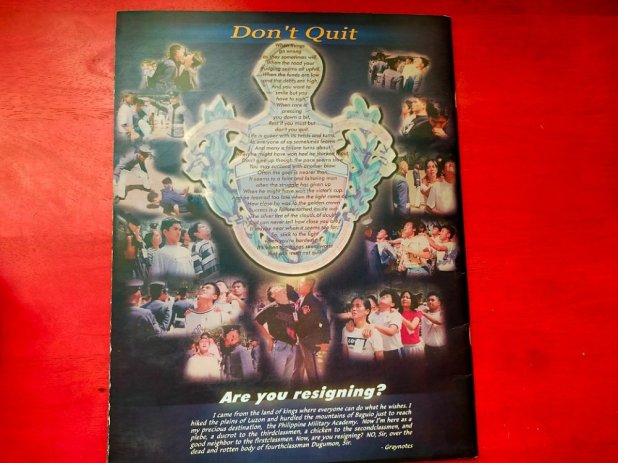
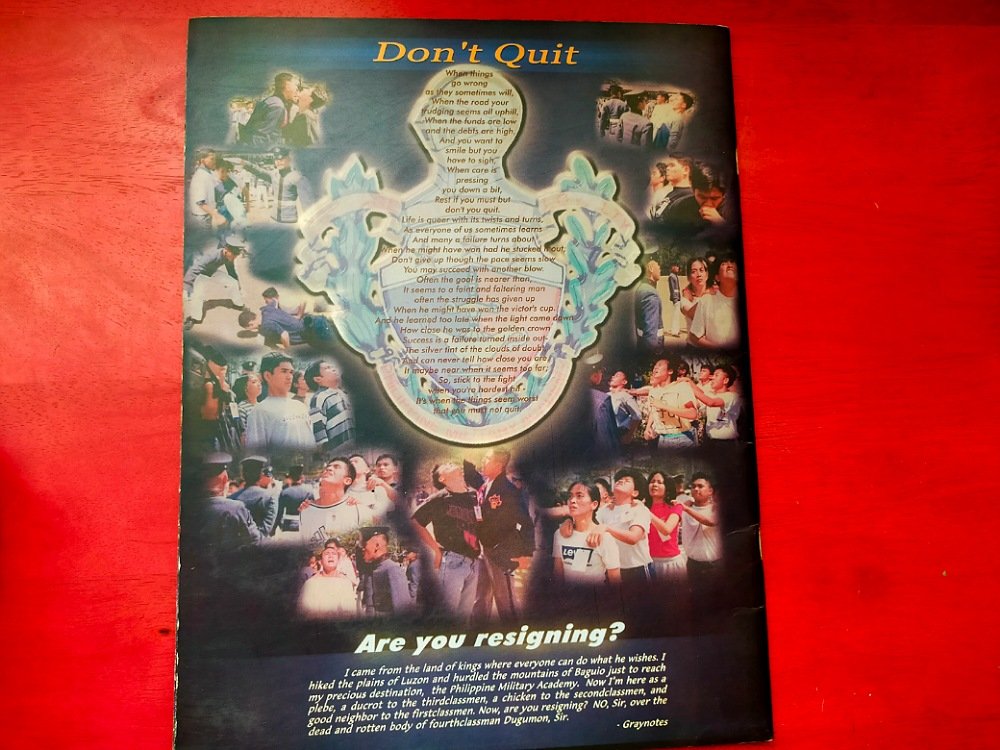
I was looking for the Filipino-English dictionary in our book shelf and found this magazine instead from Kuya’s stuff when he was still studying at the Philippine Military Academy. Dito ko una nabasa ang poem na “Don’t Quit.”

My brother is one of my accountability partners na tiga-sabi sa akin ng “don’t quit.” Sya rin actually nag-introduce ng faith sa akin. Dahil napagod na sya kaka-advise kapag nagte-text ako sa kanya ng madaling araw back in 2012 dahil sa mga problema ko. 🤣 Nah, kami kasi magkasunod sa magkakapatid kahit pa 5 years ang agwat naming dalawa kaya mas close ako sa Kuya ko. But I also love my sisters just the same and I get to talk to them always, too. ❤️

My brother has been serving the country as a military officer since 2006. And I must say na napakalaki ng influence nya sa akin pagdating hindi lang sa faith kundi pati in life in general. And if ever matuloy ang plan ko to have an IUI (via sperm donor from a fertility clinic) and ma-diagnose ako with breast cancer later in life and ‘di ko sya ma-survive, I will ask my brother and my sis-in-law to adopt my child.

O di ba, ganun ako kalayo magplano. Tapos sasabihin ni God, nagsayang ka lang ng energy Tin dahil hindi ‘yan ang plano ko for you. lol Saklap. 😆 But seriously, if ever that happens, my bro and sister-in-law will be my first choice para sa magiging adoptive parents ng aking anak. My sis-in-law will make a very good Mom (she adopted not less than 5 street cats and still counting 😁). She is a flight attendant at Cebu Pacific, and I call her “the Gal Gadot of the Philippines” because she really looks like her – the Asian version. 😍

Taken during Kuya’s NAG graduation in 2010 kung tama pagkakaalala ko.
Friends, madali lang pala magpaandar ng eroplano. Parang nagda-drive ka lang ng kotse……sa panaginip.
With the Phil Navy Cessna Plane
Bawal po pala mag-drive ng eroplano nang naka-skirt. Bakit kaya? 🤔
Ang Pamaypay. Bow. Miss you, Mom. ❤️

Kasama din pala sa mga nagpe-perform during the flying exhibition sa Philippine International Hot Air Balloon Festival ang mga piloto ng Naval Air Wing (formerly Naval Air Group) of the Philippine Navy represented by the top officer of their class.

Circa 2013: 18th Philippine International Hot Air Balloon Festival w/ Victory GT Toyota (UP Diliman) churchmates @ Clark Air Base.

Speaking of hot air balloon festivals, Bicol will also be having its very own hot air balloon event on May 3-5, 2024, which will be held at the old Legazpi airport as part of the Bicol Loco Festival. I hope my 3rd sister will join me to watch this event and hopefully Dad, too, if he is fit enough to travel. And I’m praying for a clear and picturesque view of the ever beautiful and ever perfect Mt. Mayon as the backdrop. 😍

At dahil kailangan ko maghanap ng old photos for this post, I had to reactivate (and deactivate again lol) my personal Fb account, and I found myself reminiscing. Sakto sa #flashbackFriday feels kaya minabuti ko nang mag-screenshot ng ibang photos just in case may mangyari sa Meta, at least may kopya pa din sa WordPress.

Nakaka-miss balikan ang mga happy memories and fun times with friends, former coworkers and classmates, and relatives. Ah yes, it was a past lived well. But God is calling me now to make more meaningful memories with new faces in new places – I am very much looking forward to it. And yet not my will, but His will be done always. ❤️

But wait, introvert nga pala ako. Introvert nga ba talaga ako? 🤔🤣

P.S. Para akong Camaro ngayon na nagre-rev sa garahe, naka-standby lang. Pero kapag binuksan na ang pinto ng garahe, kakaripas na until I’m out of sight. 😂 So baka ang mga susunod kong blog posts ay mga 1 sentence na lang kasi sobrang busy na. lol

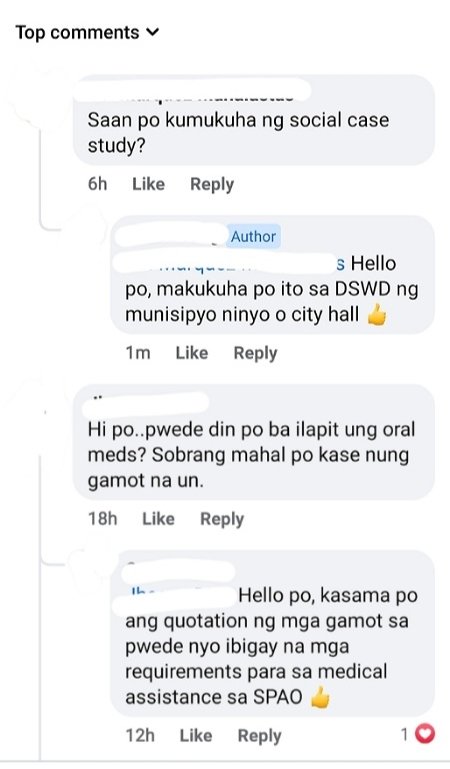
My next post actually is for the breast cancer community because I am currently consolidating data regarding the medical assistance provided by different government agencies lalo na para sa mga indigents. Ang hirap mag-copy and paste every time na my nagtatanong kaya naisipan ko dito ko na lang sa blog i-post then share na lang ang link sa mga nagtatanong. Dahil sa kaka-share ko sa breast cancer support groups e napagkamalan tuloy akong resource person kaya andaming nagtatanong. 😅

But I am very happy to help. ♥️ Dahil ito lang ang maitutulong ko sa kanila because time is what I have now – oras para mag-research at oras para sagutin ang kanilang mga katanungan. Kagaya kay Nanay. I am praying na sana nakatulong sa kanya ang info. 🙏 Gusto ko rin sana sya samahan personally para tulungan sya kaso busy na din ako tulungan husband ko now para sa pag-alis nya.

Panawagan ko lang sa mga ahensya ng gobyerno na sana may Filipino version din ang mga instructions sa mga websites nila dahil ang hirap lang kaya mag-translate from English-Filipino. Waaaaah 😭 Sunggo much na ako. Tissue, please.

Ang haba na pala ng postscript ko. lol K. Tnx. Bye.


“And let us not grow weary of doing good, for in due season we will reap, if we do not give up. So then, as we have opportunity, let us do good to everyone, and especially to those who are of the household of faith.” – Galatians 6:9-10


KonsultaMD + Singlife & Sun Life: Are They Worth It?

This year, God is telling me to prioritize my health above anything else. And once again, God never fails to provide when you ask.

“Keep on asking, and you will receive what you ask for. Keep on seeking, and you will find. Keep on knocking, and the door will be opened to you.” – Matthew 7:7

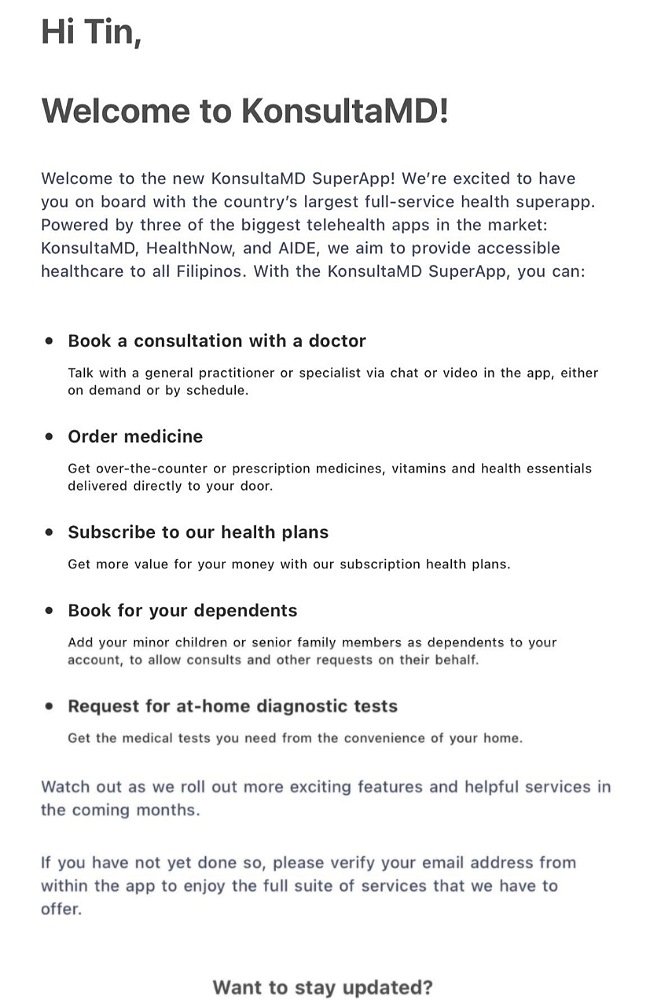
My KonsultaMD activation came just in time for the celebration of International Women’s Day yesterday. Ah yes, thank You, Lord, for this wonderful gift. 🙏


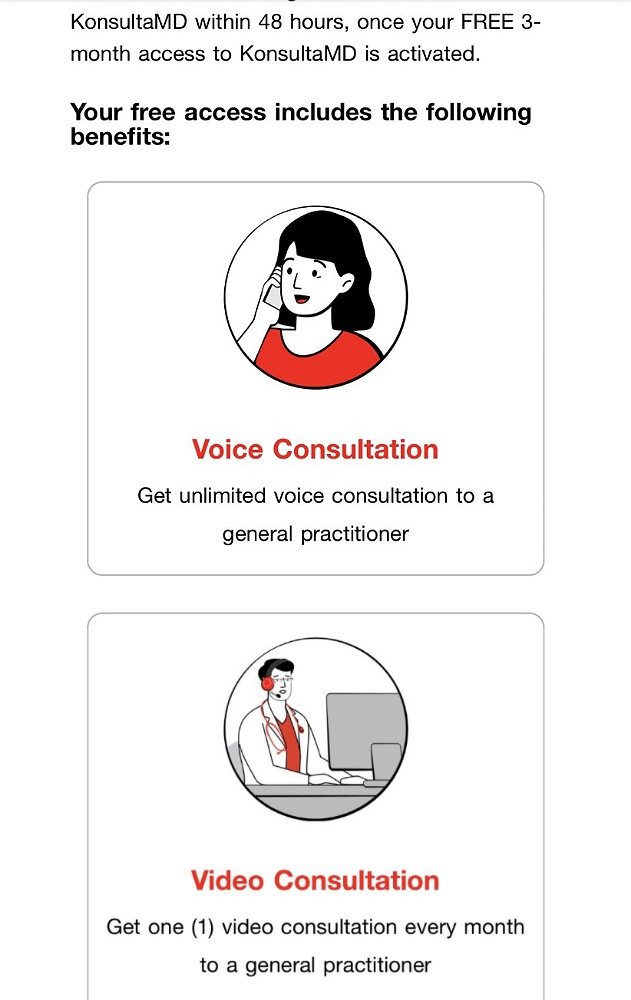
And yes, it’s really a blessing because I got 3 months’ worth of free access including 1 video and unlimited voice consultations with a general practitioner/specialist. Super awesome, right? I can’t wait to ask the doctor every question I could think of like, “Doc, as a man of Science, do you think the air there in Nibiru is toxic to humans?” Or how salty is salty? Or why is cancer called “cancer”? Can’t we call it “Scorpio” or “Capricorn”? Or how about “Taurus”? 😂

Most likely the doctor will red-tag me as the worst patient ever in human history. lol And the next time I consult with the doctor, he/she is going to tell me to stop pestering him/her with all this nonsense. But I already prepared an answer for that, too: “Oh I am terribly sorry, Doc. I thought you’re an AI Doctor.” 😆

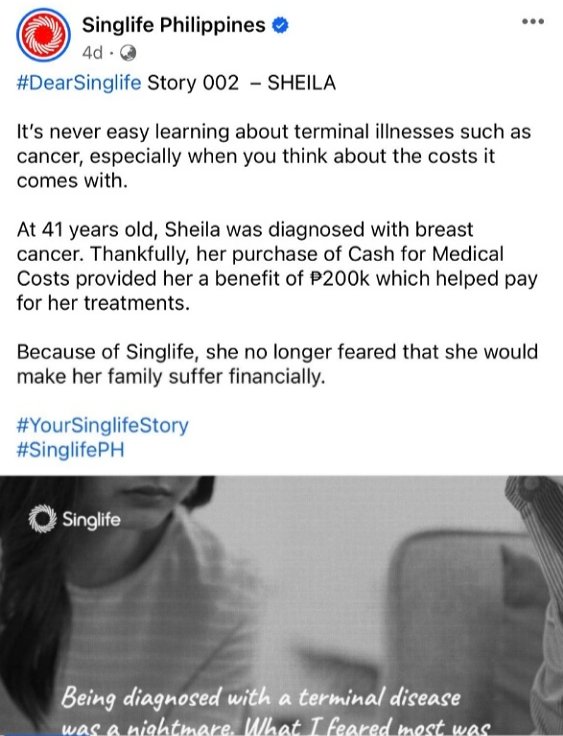
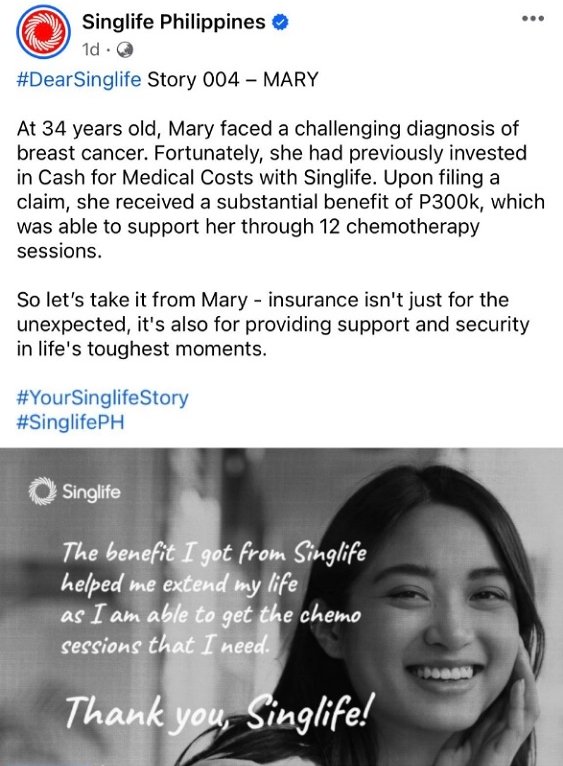
Okay now, let’s skip the jokes lest the doctors who get to read this block me on the app forever. Going back to KonsultaMD, if you’re wondering how I got the free access, it’s included in the new Singlife health insurance I purchased through the GCash app. For the past weeks, I’ve been researching and comparing the differences between HMOs (Health Maintenance Organizations), health insurance, and VUL (Variable Universal Life) insurance. We all know that getting sick can be quite expensive, and we don’t want to spend all our life savings on hospital bills and medications.

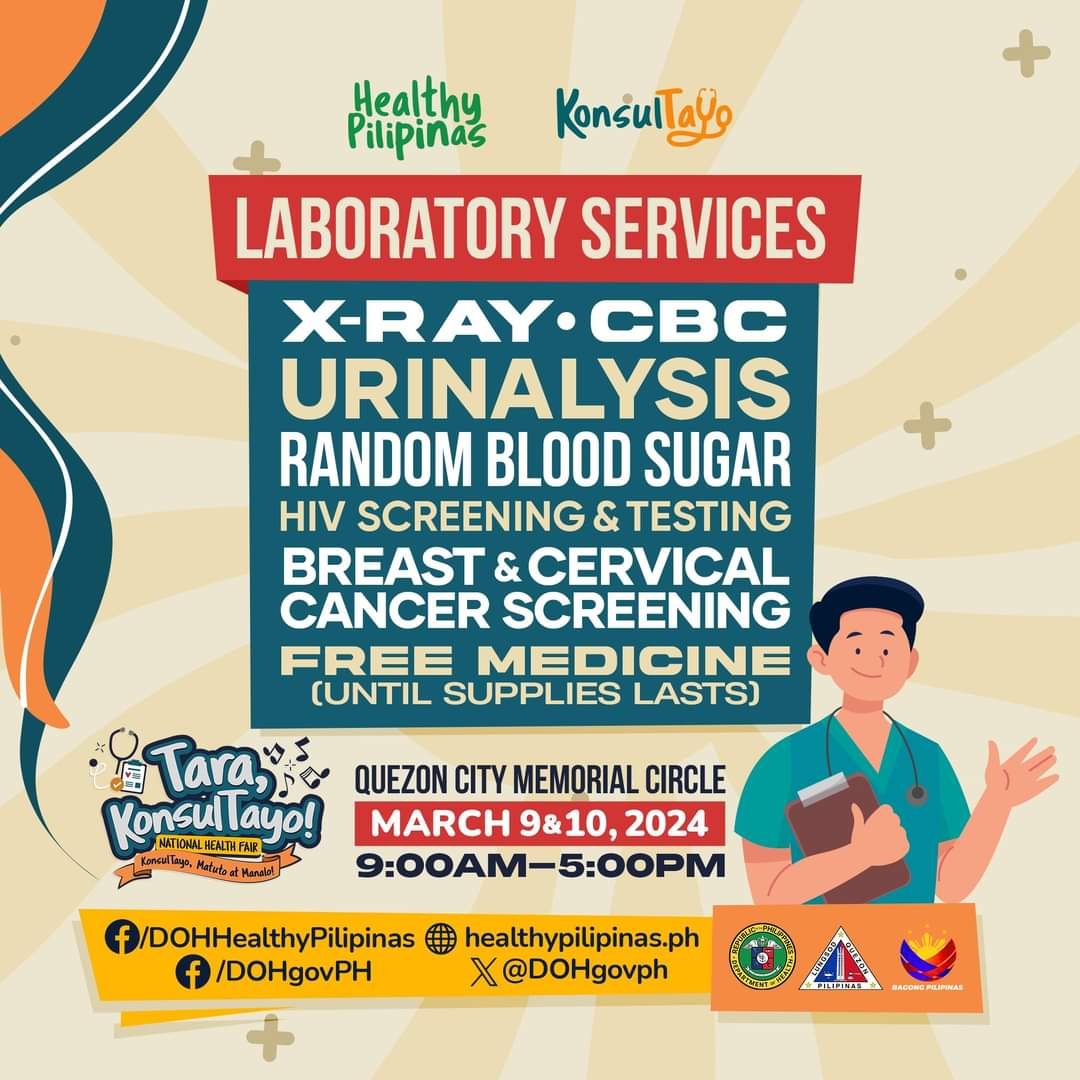
I was doing my research on insurance the past weeks, thus, the WordPress hibernation. Another reason for my absence is that I have to limit my digital footprint as part of my preparations for yet another task. So this means I’ll be setting the visibility of this blog to “private” after a few weeks. But I’ll change it to “public” again when the time is right (because I just love my WordPress community). I was also busy “scrounging” the internet for any free medical services that I could find so I can share them with the breast cancer support groups on Facebook.

The number of breast cancer warriors who do not have the means to get their medical checkups is still increasing. My heart bleeds for these women. Sometimes I can’t help but cry because some of them are too sick and have been suffering from severe pain for a long time already because they don’t even have enough money for their basic needs.

But how do I help them? I feel like I only have 5 barley loaves and fishes and there are thousands to feed (Matthew 14:17-19). Day and night, every time I see a post asking for help where to get free medical consultations, lab tests, medicines, etc., I would pray to God to give me the resources to help them.
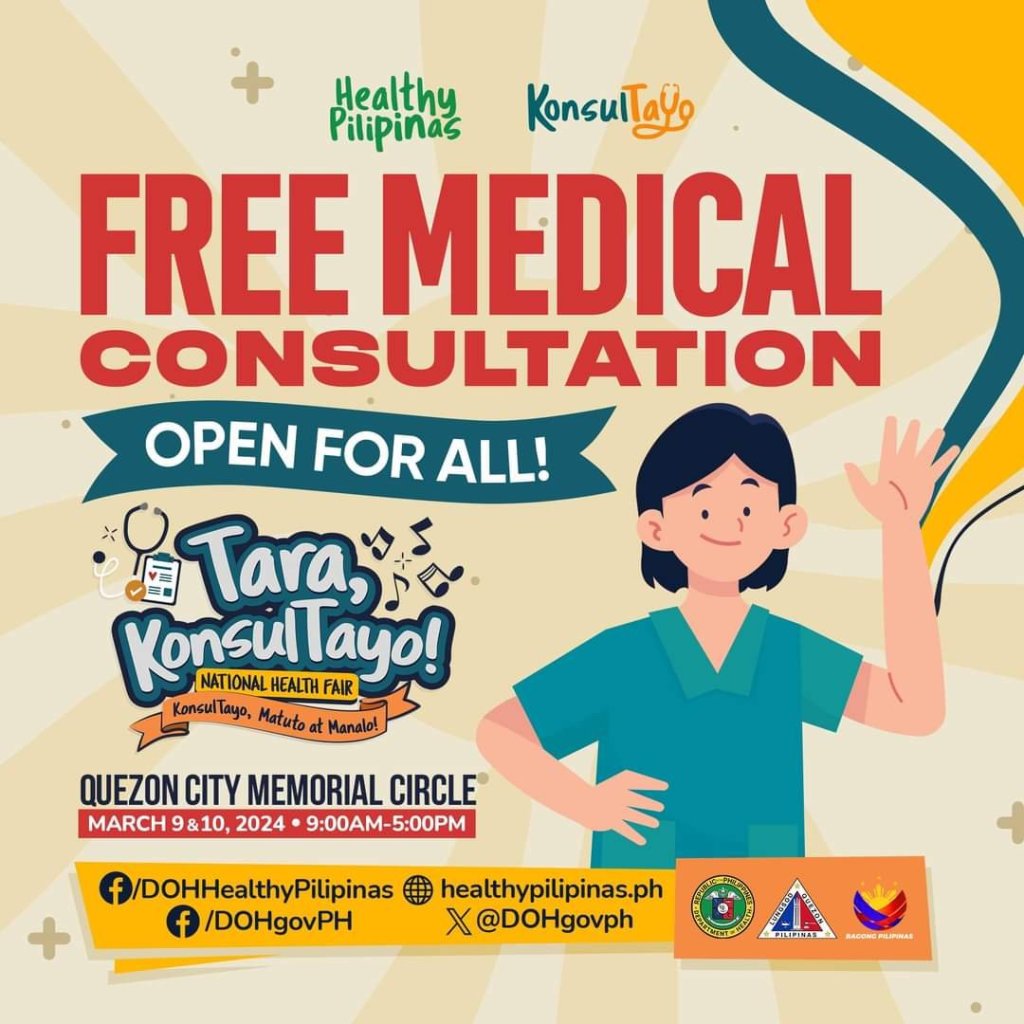
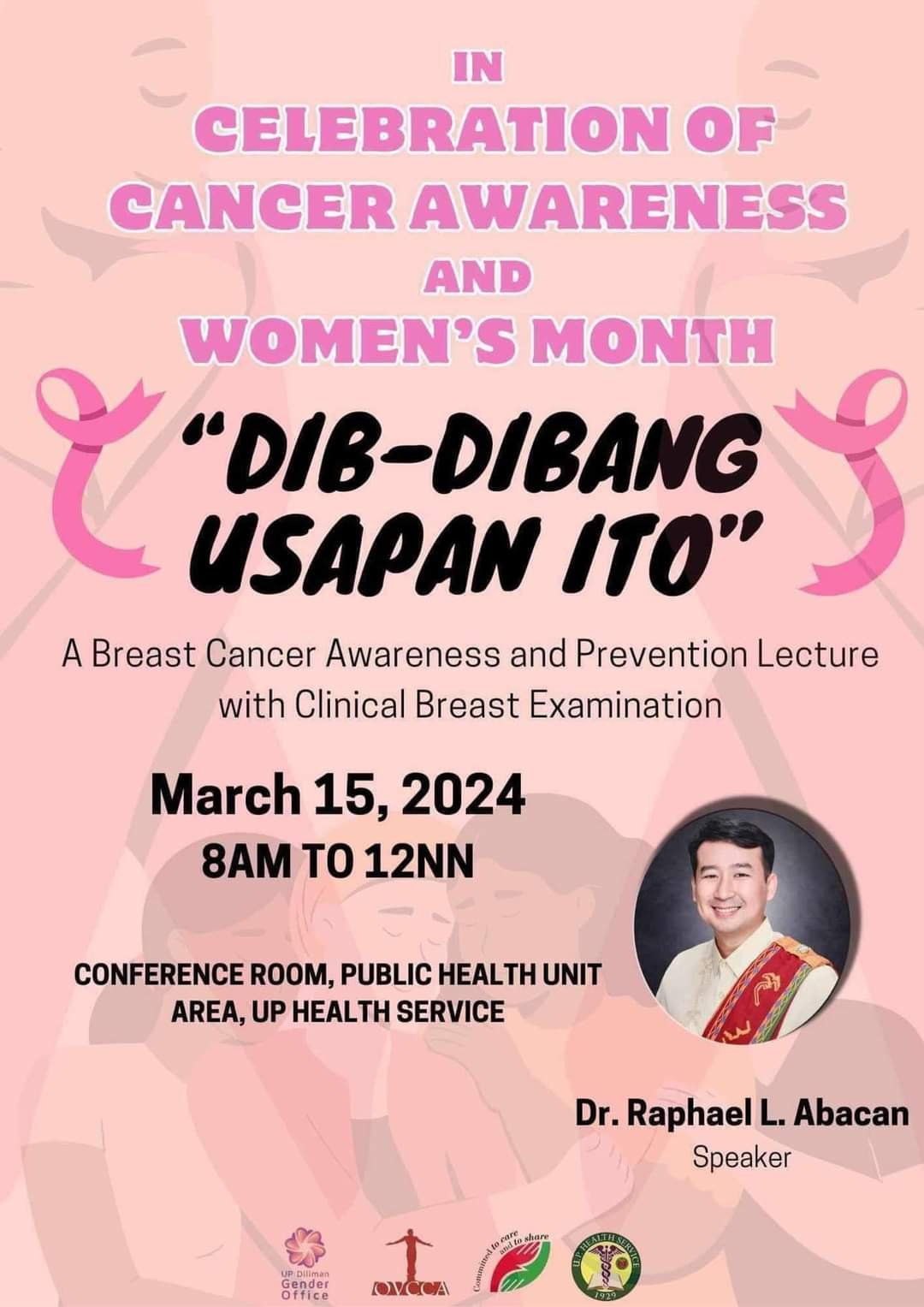
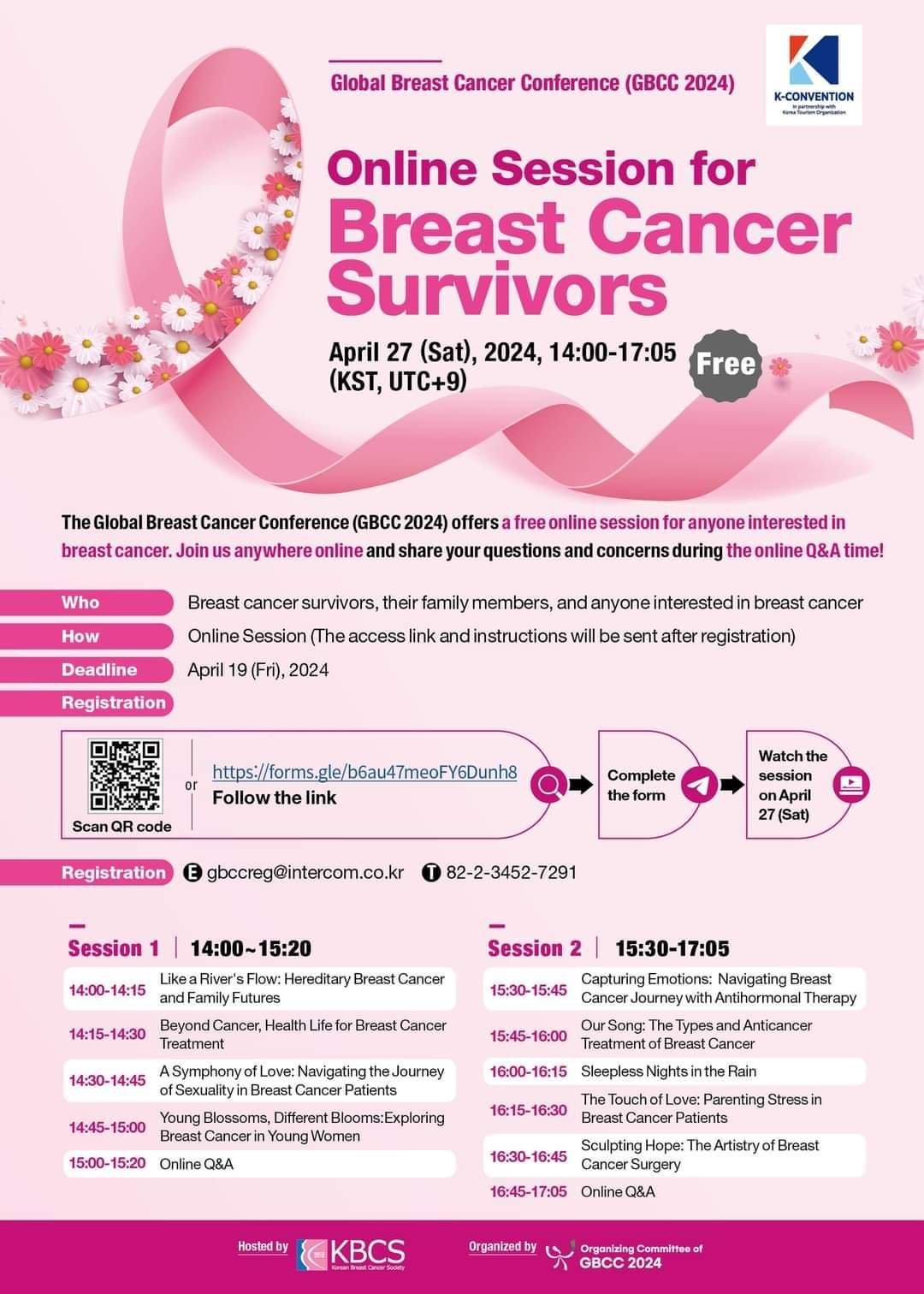
And God answered – I came across these free events and lectures (thanks, Doc Emmeline!) on social media. I am also praying for opportunities to accompany some of the women in the group especially those who are alone, are too weak to go to nearby hospitals, are too scared, are at a total loss for what to do and where to start, or don’t have enough money to pay for transportation expenses.


Unfortunately, this will have to wait because I’m currently busy helping my husband prepare for his exam this coming Monday. I am praying he will pass the exam so he can achieve his dream of working abroad. I am so happy to see how God is working in my husband’s life right now. It also motivates me to trust God even more. After sending him off, I hope I can devote some of my time doing volunteer work for breast cancer warriors back home.

Why Singlife?

I discovered Singlife through Globe’s GCash app back in 2020 when the Covid-19 pandemic started. I wasn’t able to activate the free health insurance though which covered illnesses like Covid-19 and dengue because I didn’t need it at that time. But after what happened to Mom, I thought that now was the perfect time to explore what Singlife has to offer.

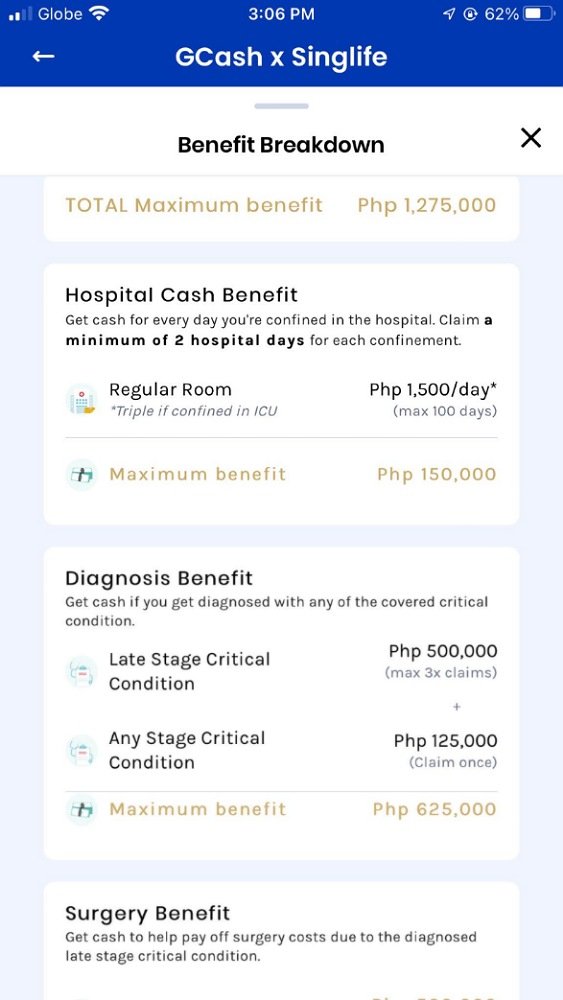
I chose Singlife because it’s a low-risk investment, and yet offers higher coverage compared to HMOs (up to 100-120k only). But it is best to use the HMOs during medical emergencies. A lot of my friends tried to convince me to get a Sun Life insurance a few years ago (and until now), but I told them I’ll hold off getting one for now.



I guess these are the advantages of delayed gratification – you get to wait for a service or product to improve after some time, maximize the benefits later on, and get your money’s worth because there are now better options. My other reason for not getting Sun Life insurance is that my husband and I do not have kids. We don’t have beneficiaries in other words.

I am also apprehensive about getting one after what happened to previous insurance companies that went bankrupt, and policyholders weren’t able to get their invested funds back. Now that the US is heading toward another economic recession, I am unsure how these insurance companies will protect their policyholders’ funds that were invested in stocks and other volatile investments given the global economic outlook in the coming years.

Sun Life’s VUL insurances are a bit of a high-risk investment for me. Though I am considering getting their Business Owner Insurance Package later on God willing. I’m assuming this is one of their new insurance plans so this means conducting due diligence on my end and assessing how our family’s business could benefit from this insurance package. I’m considering it as another option that will add an extra layer of protection (buffer funds) to help sustain the business and recover in case of an economic collapse. Agripreneurs, by the way, can insure their businesses through the Philippine Crop Insurance Corporation under the Department of Agriculture.

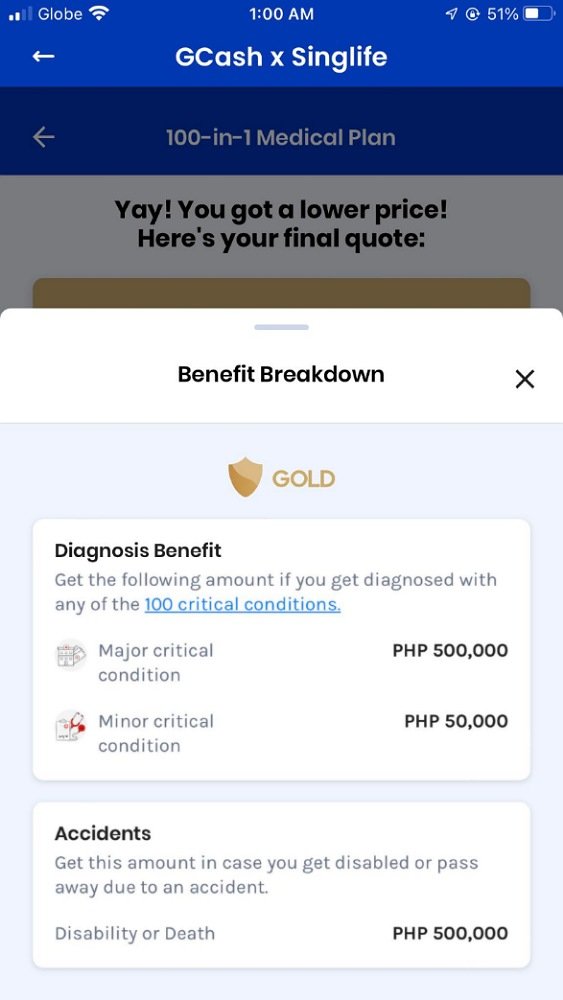
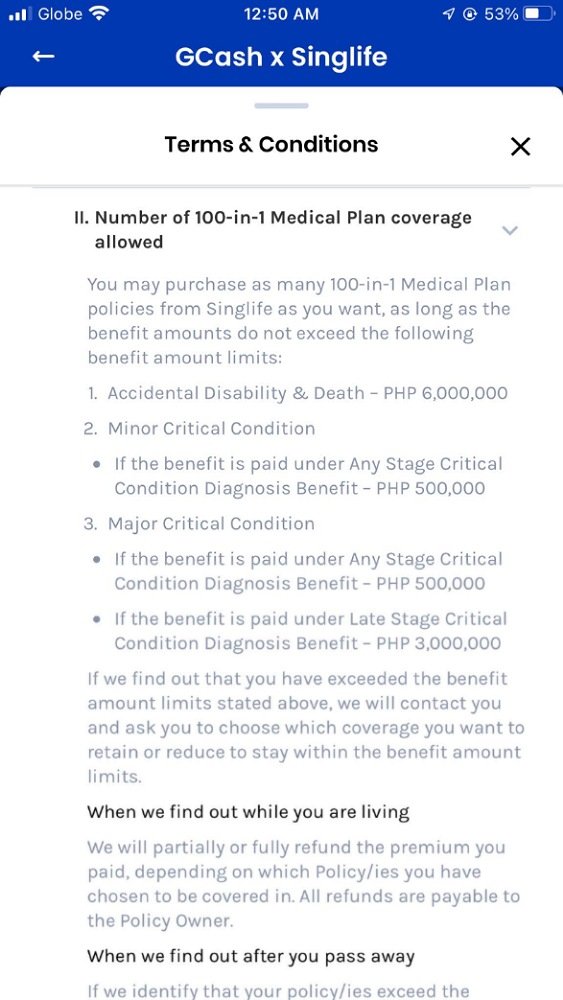
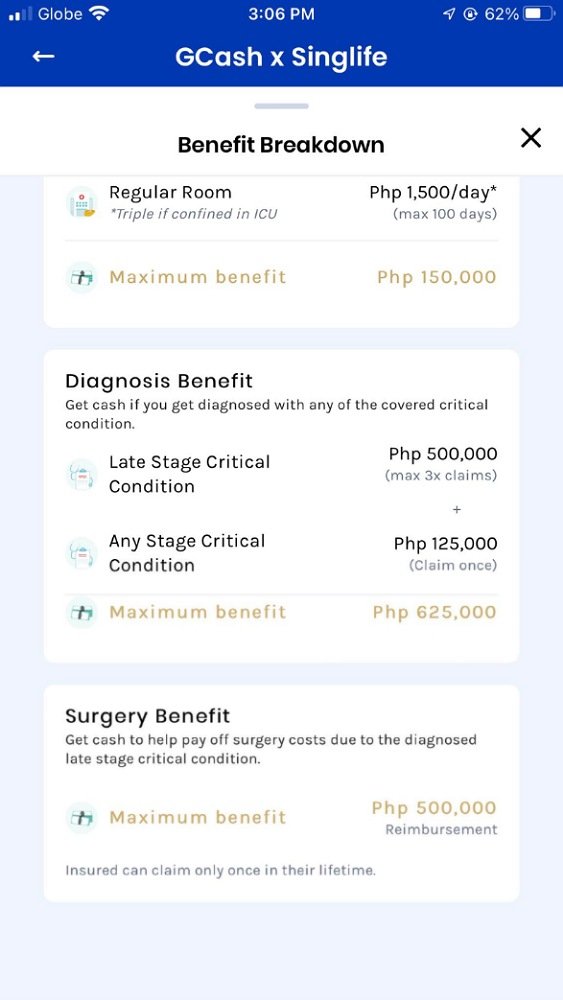
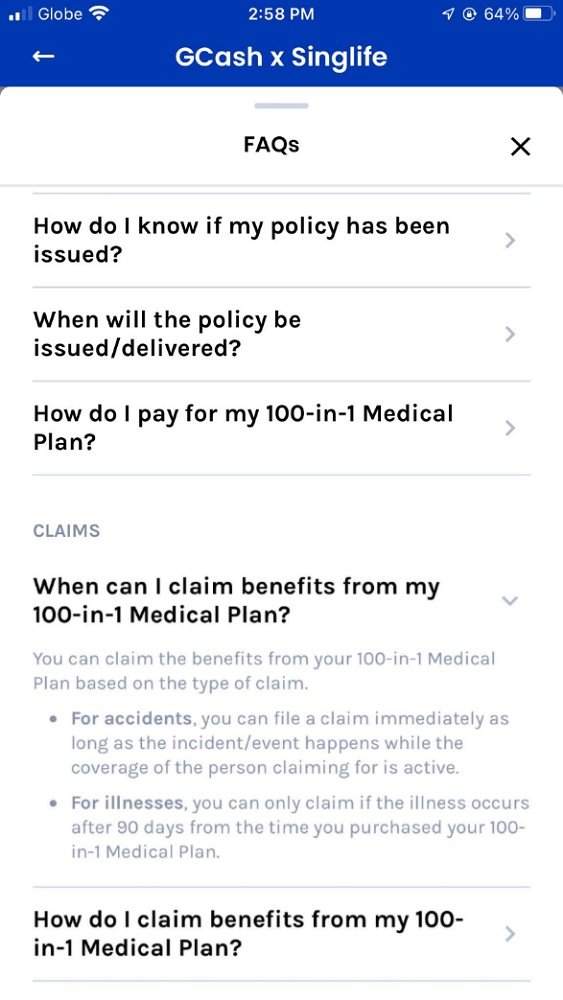
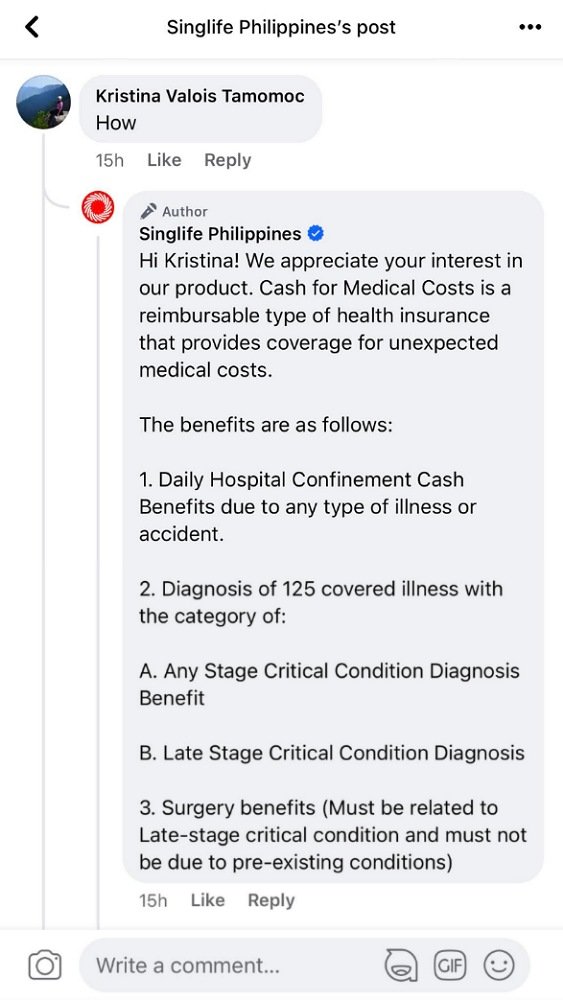
As for Singlife, it offers more flexibility when it comes to monthly premiums. I tried the 100-in-1 Medical Plan, and I am looking into buying another plan (Cash for Medical Costs), which offers a higher monthly premium to increase my insurance coverage. But I’ll wait until the free KonsultaMD subscription of my first Singlife plan ends so it won’t overlap with the new plan.


My only prayer now is to find a way to share these unlimited consultations with some of the women in the BC support groups. How I wish I was allowed to schedule a doctor’s appointment on their behalf using my account. So my next task is to explore these opportunities and continue to look for more of them. As they say, when a door won’t open after you knocked, break it down. I’m kidding. We just keep on looking for more doors to open.

I am planning to share all about Singlife on social media because I believe this will help reduce the number of patients trying to avail the free medical services offered by public hospitals. Those who can afford to pay the monthly premiums offered by Singlife can choose a plan that fits their budget. The benefit of having one is that policyholders get to skip long lines and long waiting times to schedule laboratory tests and initial medical consultations (thru KonsultaMD) aside from the cash benefit that they can claim upon diagnosis of an illness and during hospitalization.


I am praying though that more doctors will sign up at KonsultaMD. We can expect more inquiries coming in and possibly more health insurance applications and medical consultations once I share this on social media. I also noticed there is 0-1 doctor only listed under some specializations. I hope there are still more doctors who can accommodate consultations via KonsultaMD in their schedules. Don’t worry Docs, we will try to ask (nonsensical) questions sparingly. ✌️

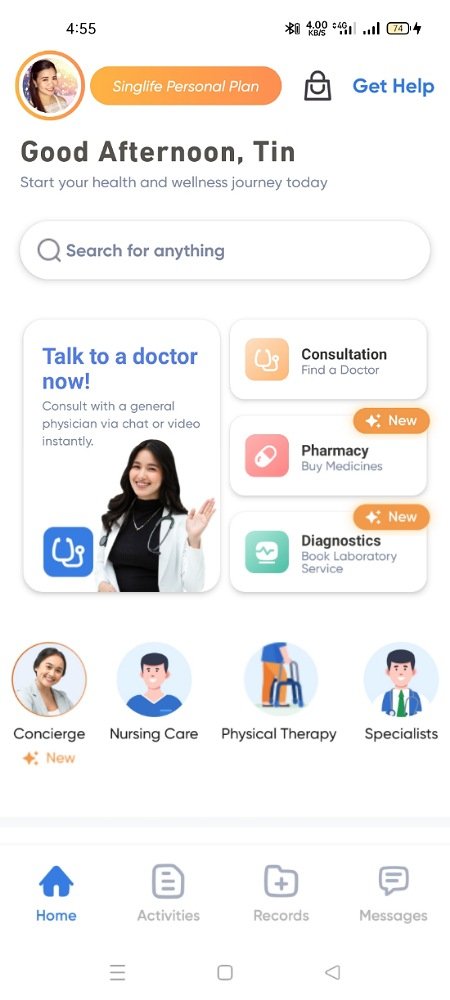
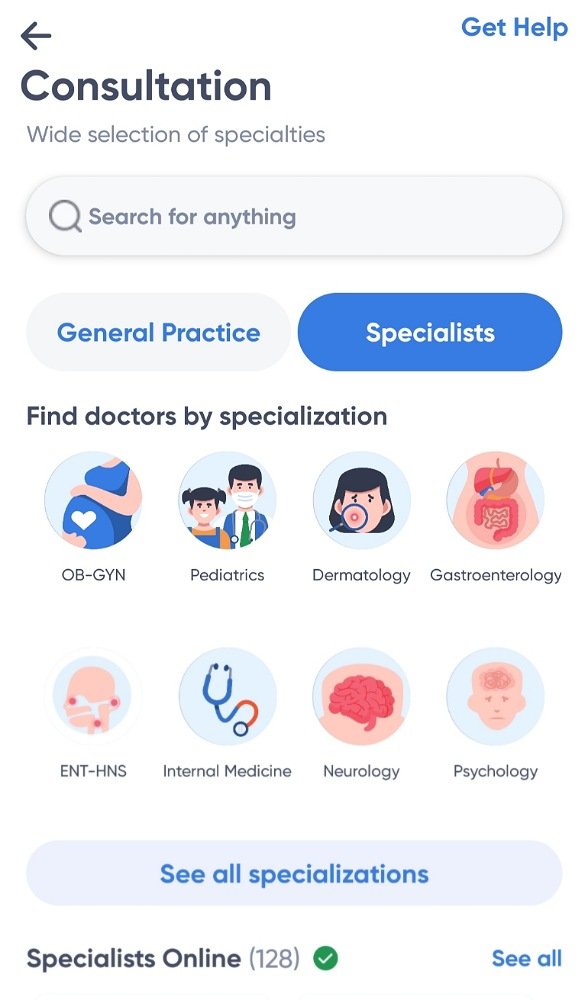
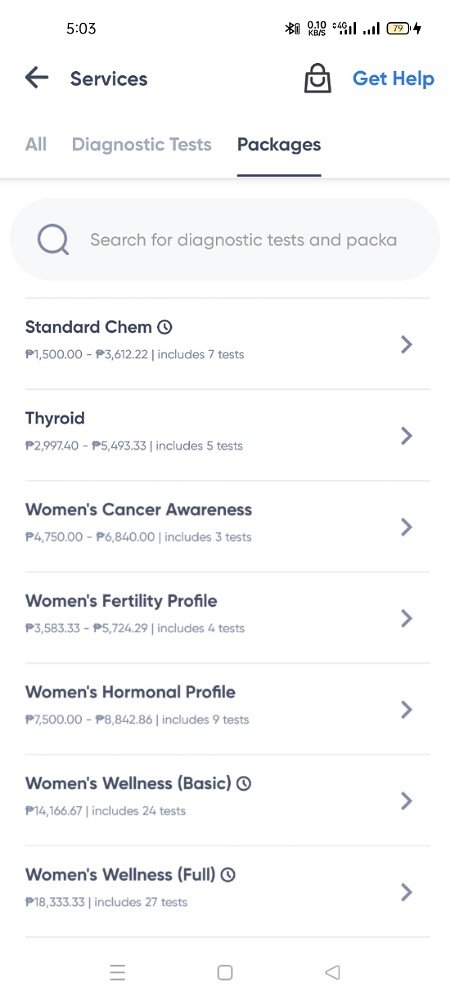
When it comes to the KonsultaMD app’s overall interface, it is very user-friendly. It is also easy to access and switch from one app feature to the other. And I love the portion of the app where they have a list of comprehensive medical checkup packages (prices included) classified according to gender, age, and illness. I find this very helpful because I plan to have my executive checkup soon though I am feeling well right now, and it’s next on my to-do list after I send off ze hubby. In summary, our best option to safeguard our assets, investments, and life savings when we get sick is to maximize what we can benefit from our HMO, health insurance, and PhilHealth.


And yes, we also never stop looking for opportunities to offer help in any way we can, especially to those who are in dire need of medical assistance. I agree with Prof. Samar Aoun, one of the speakers at the recently held webinar hosted by the European Association for Palliative Care, when she emphasized the need for reflective practice by addressing social needs (identifying the circumstances surrounding the need) and not just look into the pathological lens when it comes to understanding and dealing with patients.

To end this article, here’s my favorite quotation by Edward Everett Hale that hopefully will encourage us all to keep on doing what is good and what is best for everyone:

“I am only one, but I am one; I cannot do everything, but I can do something. What I can do I ought to do, and what I ought to do, by God’s grace, I will do.”

P.S. God’s surprises never end here. Stay tuned for my next post. 🙂