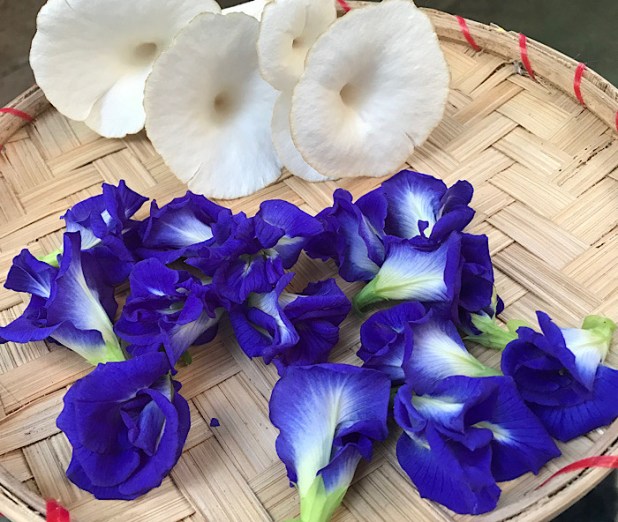
How healthy is healthy? I wasn’t sure so I did my homework and here’s what I found – polyphenols.
Maybe by next year, I can also work as a Research Assistant with the extensive research I am doing now. 😉 So what are polyphenols and their role in fighting against cancer?
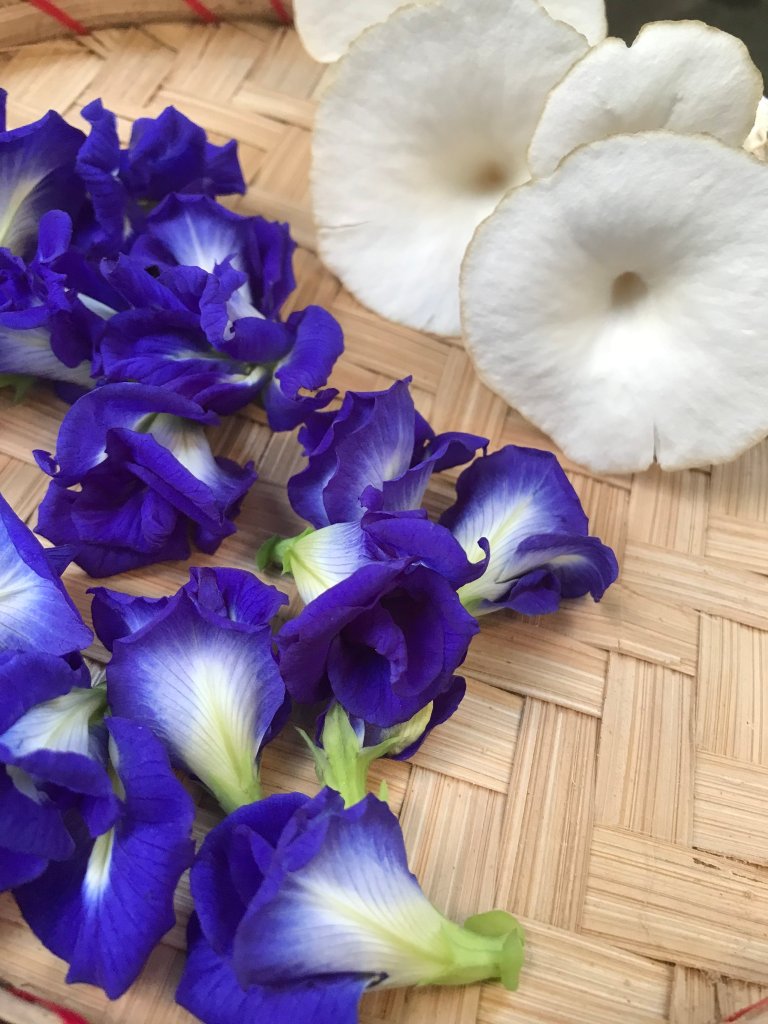
Polyphenols On The Spot
“Polyphenols are a class of compounds found in many plant foods that includes flavonoids, phenolic acids, lignans, and stilbenes. There are more than 8,000 different types of polyphenols that have been identified so far. Some polyphenols that have gained popularity are epigallocatechin gallate (EGCG) in green tea and resveratrol in grapes and wine.
“Most polyphenols work as antioxidants in the body, meaning they can combat environmental harm such as UV damage and pollution. Click here to learn more about antioxidants. In addition to their antioxidant activity, polyphenols have many other health benefits. Some studies strongly suggest that diets rich in polyphenols may offer protection against development of certain cancers, cardiovascular diseases, diabetes, and neurodegenerative diseases.” – CSU, Kendall Reagan Nutrition Center
Here are other helpful links to articles and scientific journals that contain comprehensive information regarding polyphenols:
What Are Polyphenols? Types, Benefits, and Food Sources
The role of polyphenols in overcoming cancer drug resistance: a comprehensive review
Advanced Delivery System of Polyphenols for Effective Cancer Prevention and Therapy
A Garden of Polyphenols
Meanwhile, I’d like to share with you some of the edible plants I started growing when I came to Bicol last year. I had no idea each of them contained large quantities of cancer-fighting components. They are very prolific growers, too.
I actually bought these seeds without knowing their full benefits. Indeed, God’s ways are higher than our ways, and His thoughts are higher than our thoughts. (Isaiah 55:8-9)
I wasn’t able to replant some of them this year though because of what happened to Mom. But I plan to resume growing them and increase the yield next year, God willing. Because “many are the plans of man, but it is the Lord’s purpose that prevails.” (Proverbs 19:21)
1. Blue Butterfly Pea
This is my favorite because the deep blue-violet color of the flowers just never fails to captivate me. And the funny thing about it is that I got these Blue Butterfly Pea seeds as a freebie (thank you, dear online seller) when I bought the seeds of some flowering trees I intend to propagate on our farm (do watch out for my next article on this). It’s also not just the regular variety of Blue Butterfly Pea, but she gave me the one that has double petals (yay!).
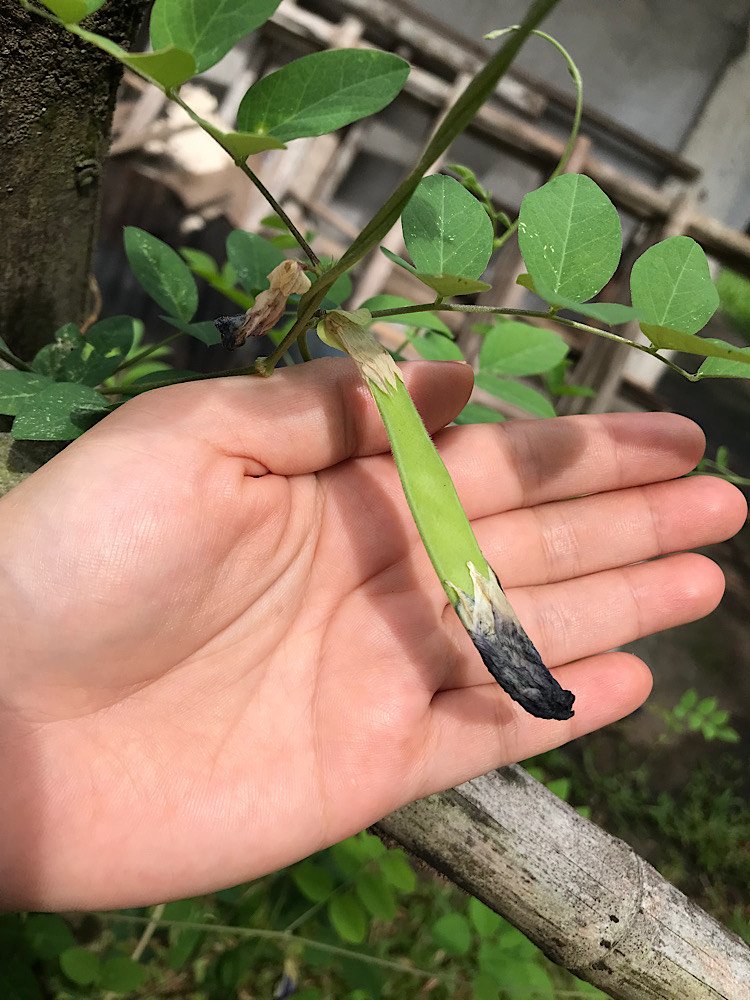
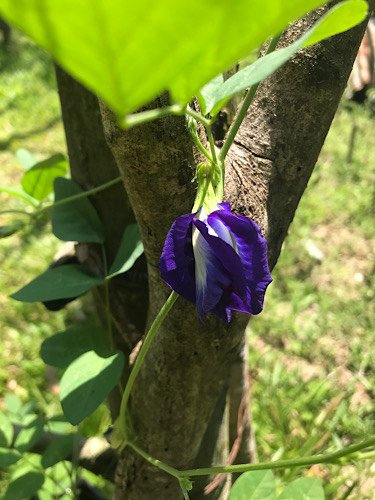
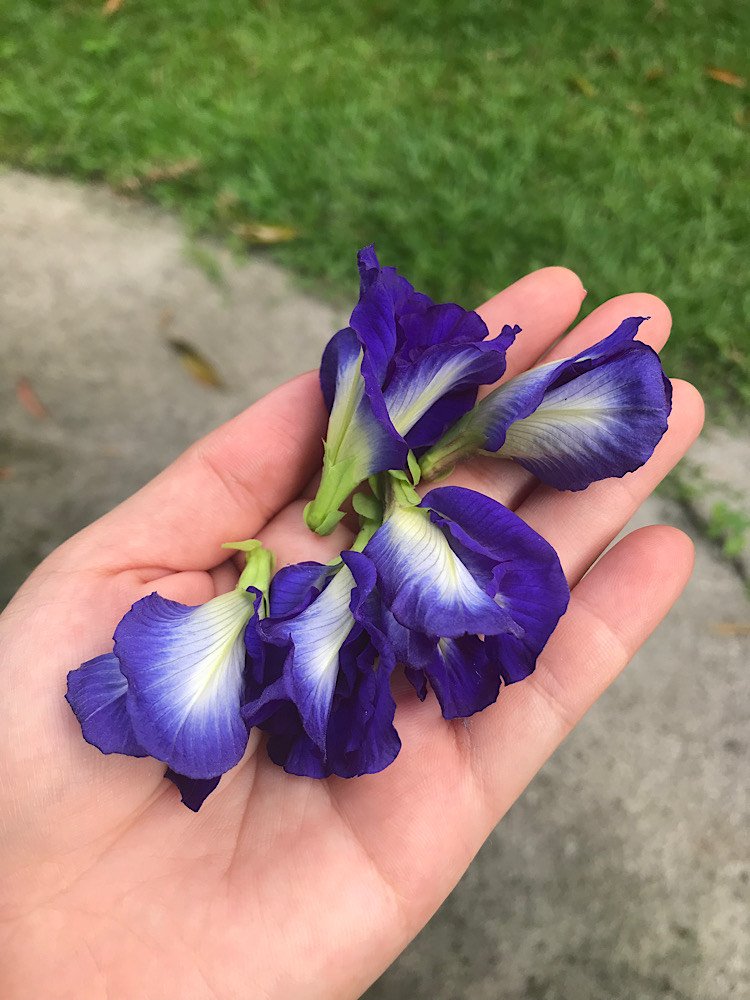
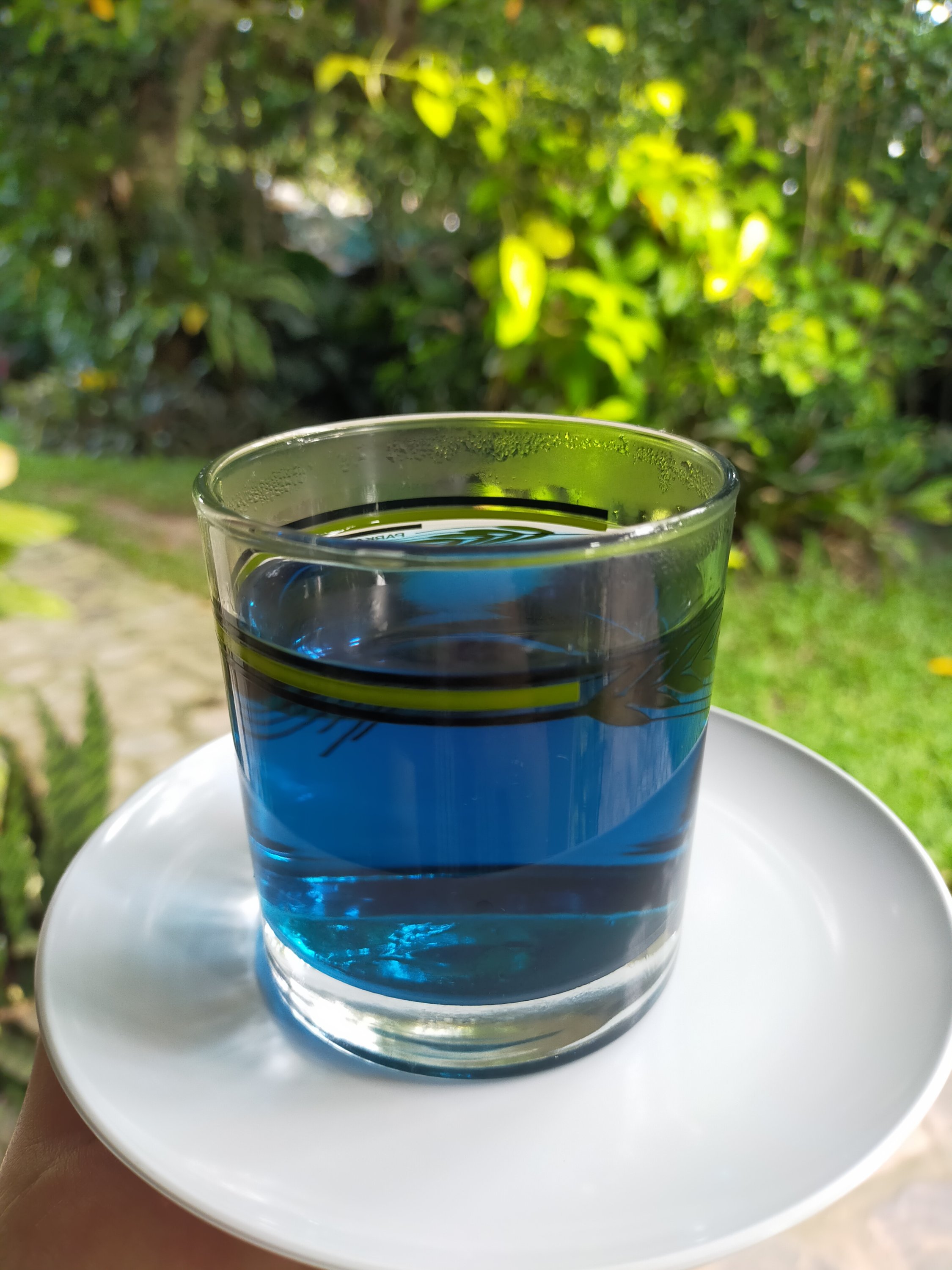
You may read the articles below to learn more about this plant and its anti-cancer properties.
Chemosensitizing activities of cyclotides from Clitoria ternatea in paclitaxel-resistant lung cancer cells
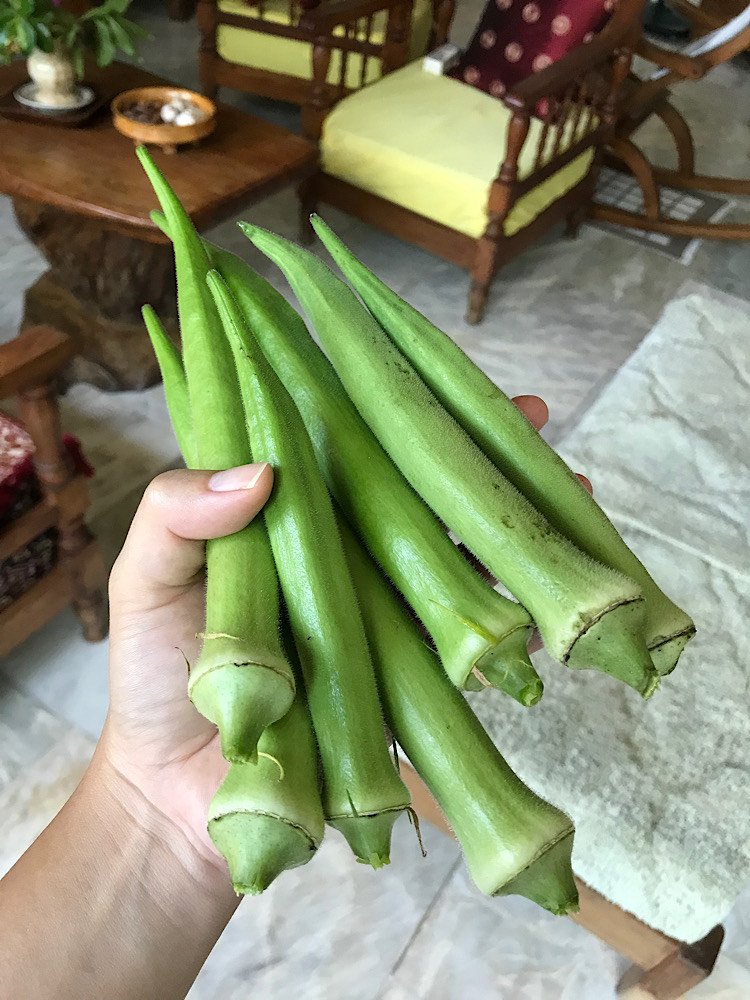
2. Okra
I usually steam this and eat it plain without any seasoning. Growing them is easy, but you would need at least 10 Okra plants to gather a decent harvest. It’s also best to harvest them young.
3. Oyster Mushroom
This is my very recent planting project, and I’m amazed by the outcome. You may read more about my Oyster Mushroom growing experience here.
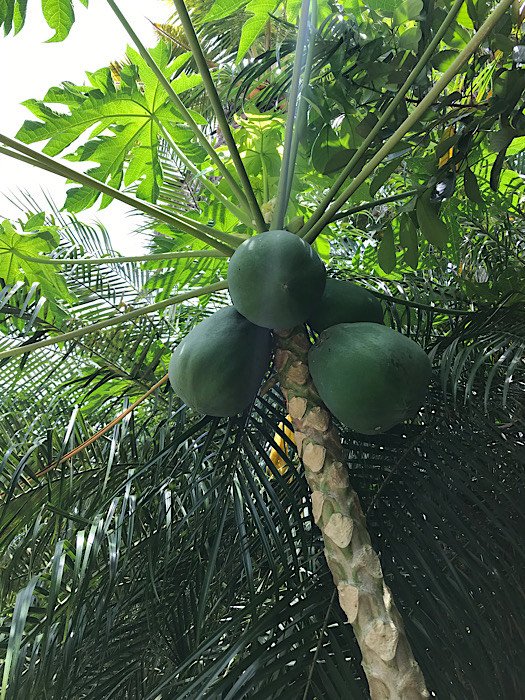
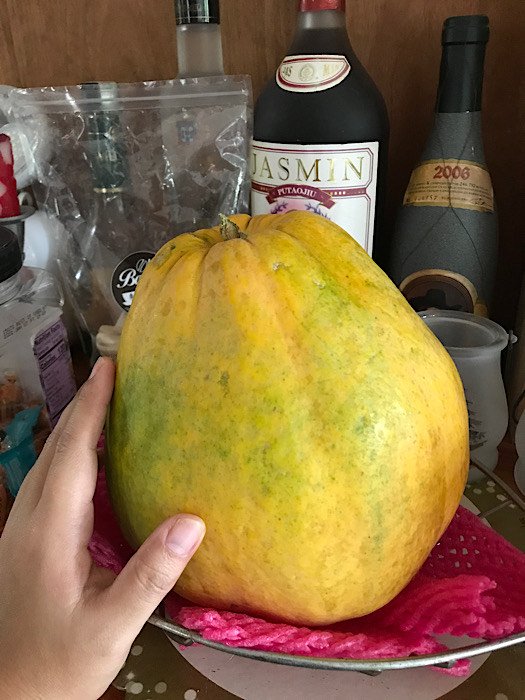
4. Papaya
I love this fruit though it stinks quite a bit. When it comes to growing papaya, well, it just grows anywhere in the garden through bird droppings. Fascinating how nature finds a way to grow on its own, isn’t it?
5. Cacao
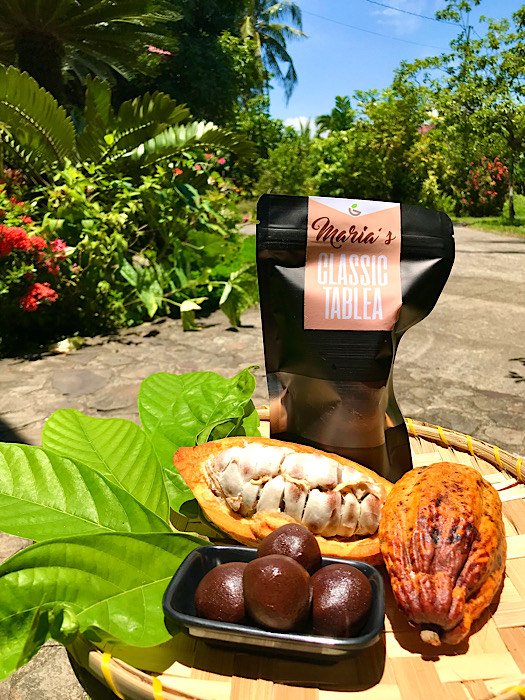
This is my paternal grandmother’s (Maria’s her name) legacy that my Aunt is now continuing – tablea making. Tablea is unrefined chocolate made of sugar and ground, roasted cacao seeds. Tableas are always my favorite when making hot choco drinks because they’re perfect during the cold weather.
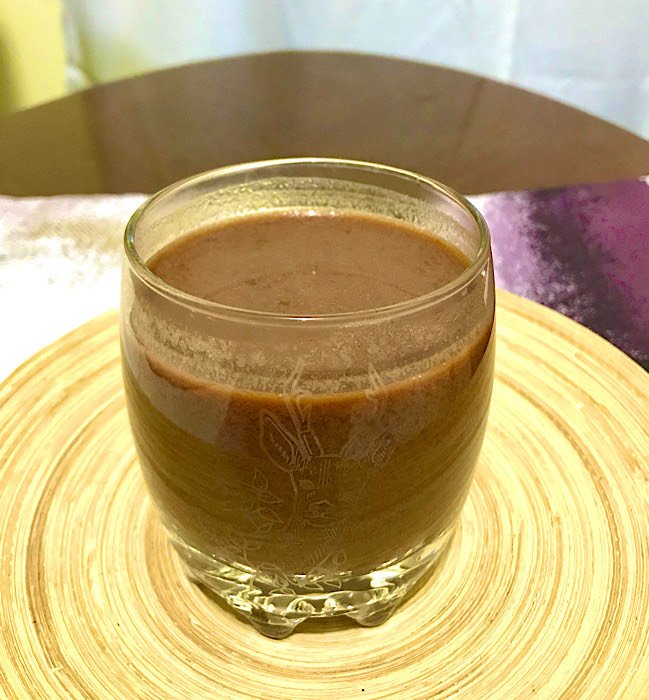
Read: Is Chocolate Good For You?
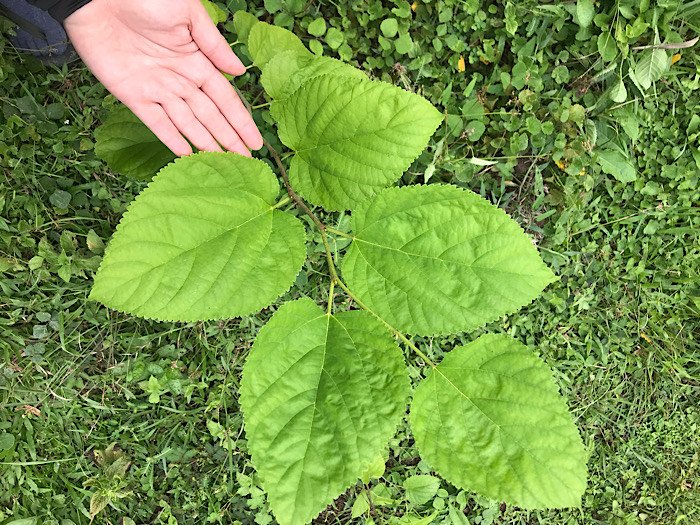
6. Mulberries
I started planting Mulberries at the farm last year as part of our poultry project there. But it might take a couple of years before we can harvest a lot of these berries. I’m so glad though that some of the cuttings started fruiting already. Unfortunately, I had to pluck them out to encourage root growth.
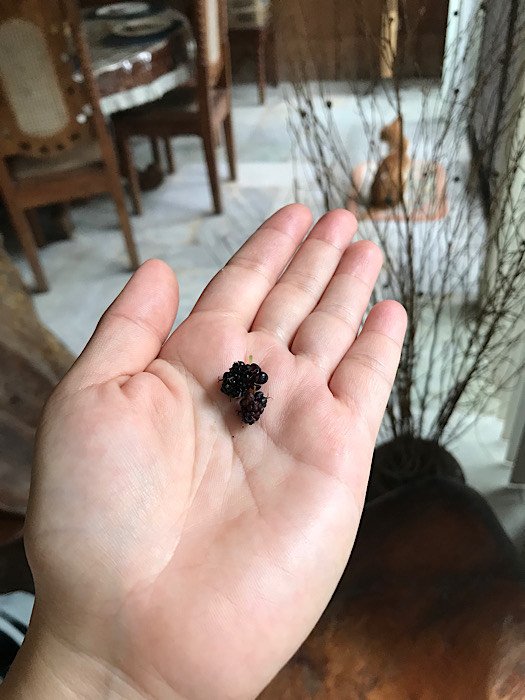
7. Other Veggies in the Polyphenol-Rich Garden
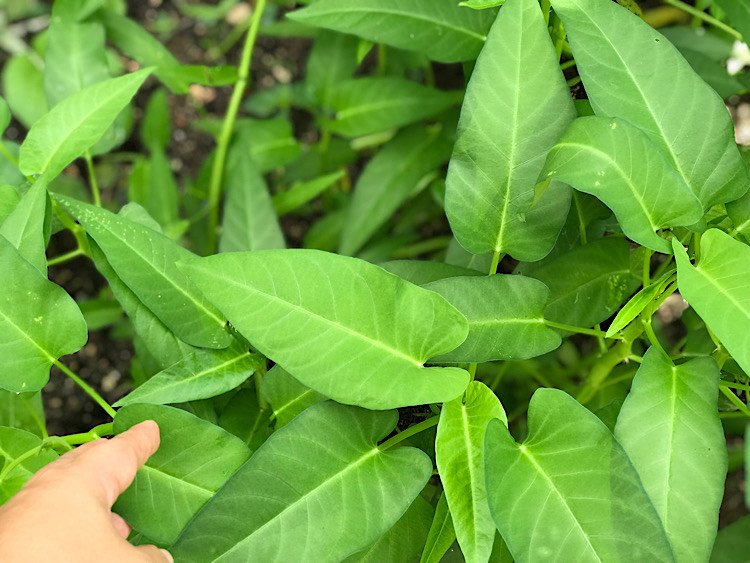
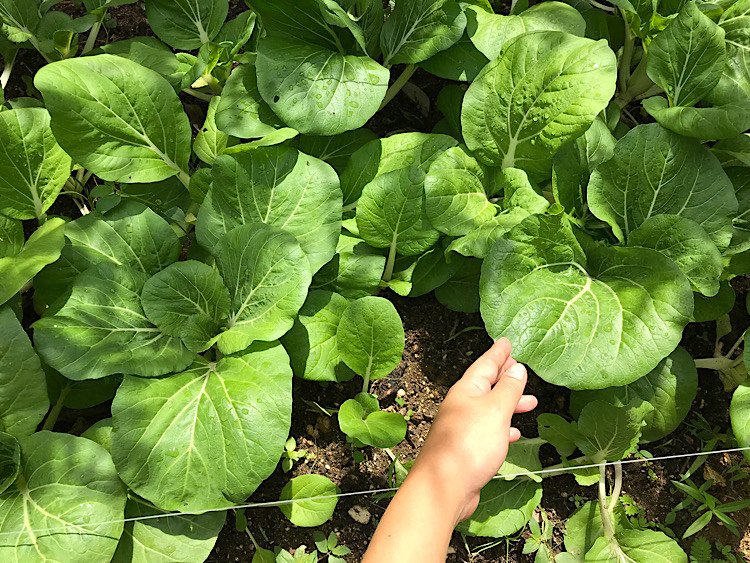
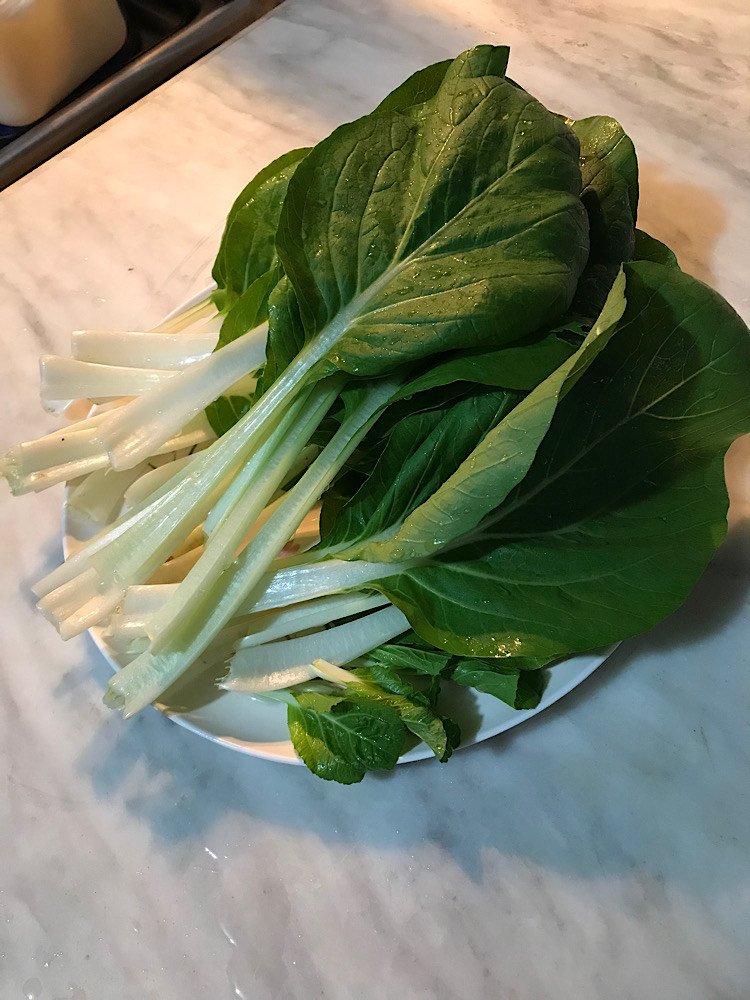
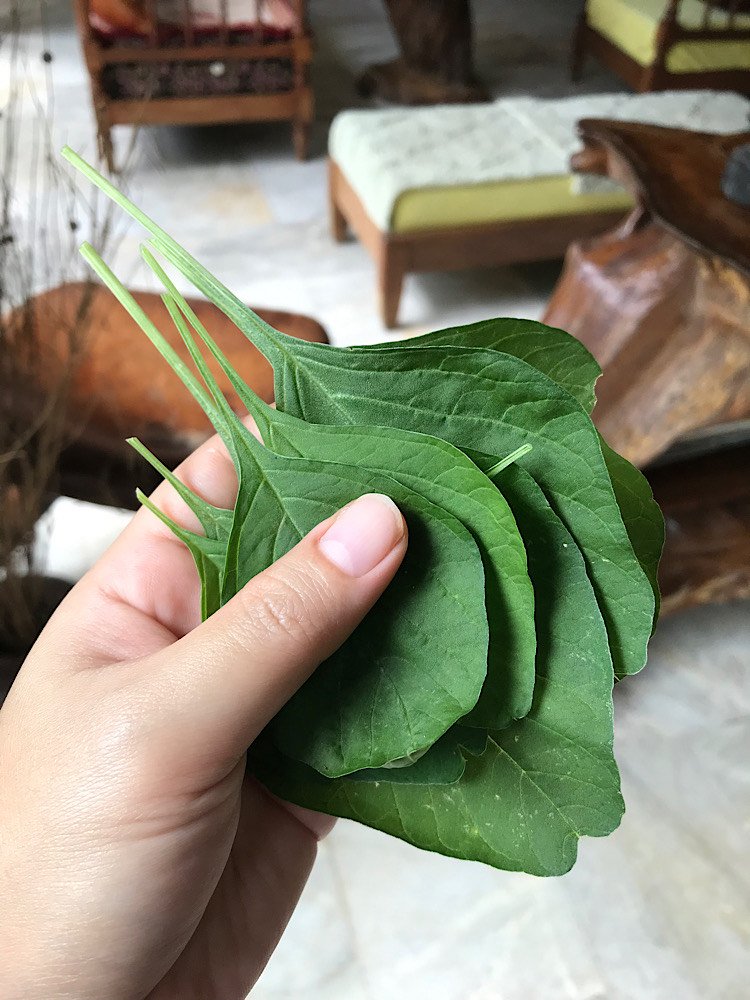
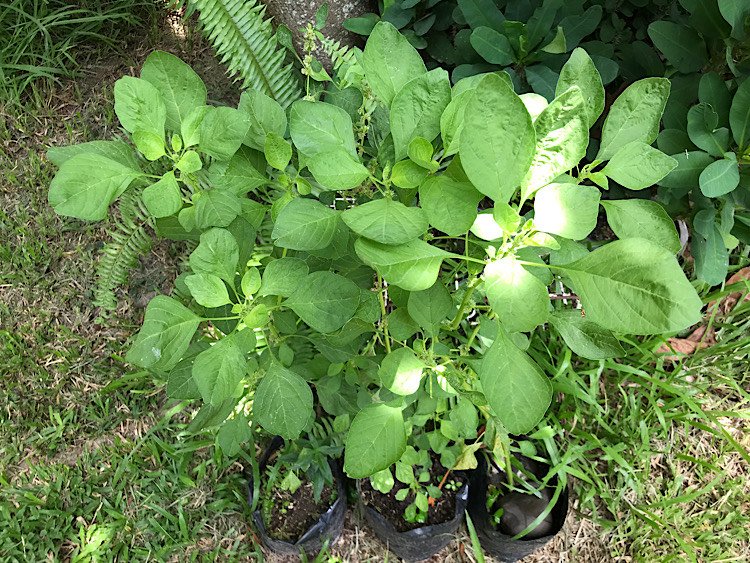
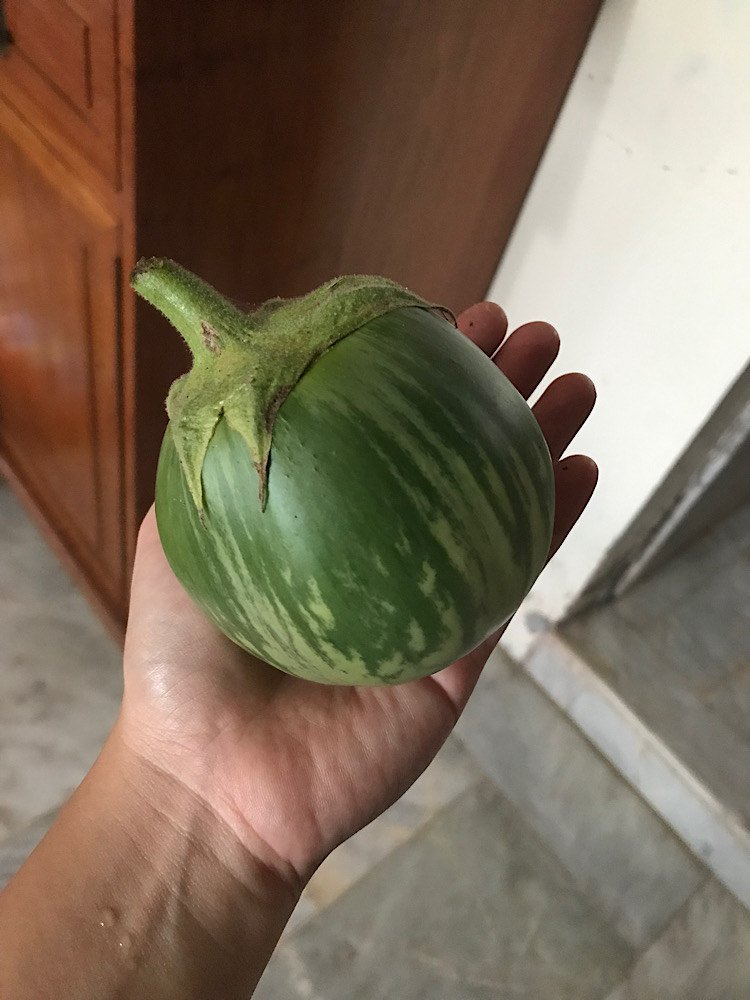
If you are a believer of the “biophilia” concept, then the more you plant, the better it is for your entire well-being. And yes, I can totally relate to this meme I stumbled upon my social media newsfeed a couple of days ago. The world is getting cray cray every day, let’s just do all that we can to get by.
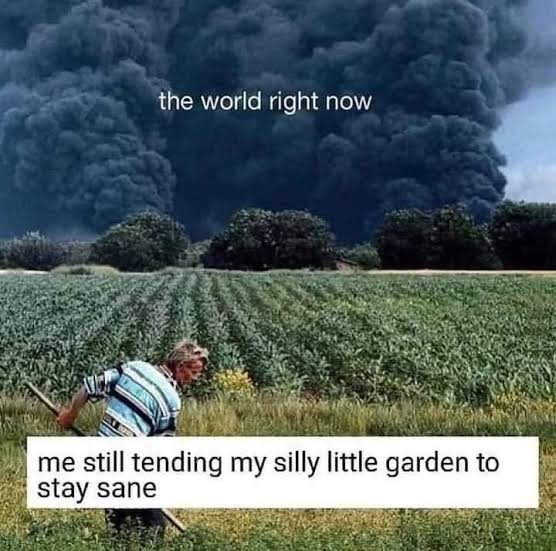
We have to remember though that these edible, cancer-fighting plants may lower our risk of getting cancer, but I still highly recommend a regular checkup with your doctor. This reminder applies to me, too. 😉
P.S. I forgot to mention in this article of mine to include seeds in your Go Bag so you can plant in your Bug Out Location if food is already scarce. That means you may have to start practicing how to plant seeds now for higher chances of growing plants successfully later on.
P.P.S. Since today’s the last “Friday the 13th” of the year, I’m going to end this article with something upbeat to celebrate God’s goodness in our lives. 🙏 Try to see though how the two ideas in the sentence before this are connected. 😀










 The Journeyman's Moments