High Hopes For The COP 28 – UN Climate Change Conference 2023

The COP 28 or the 2023 United Nations Climate Change Conference is currently being held in the United Arab Emirates, which commenced on November 30, 2023 and will end on December 12, 2023. Here’s what we can expect from the Conference of Parties for this year:

“High on the agenda for COP28 is the conclusion of the first-ever Global Stocktake (GST), the main mechanism to assess progress on the goals set in the Paris Agreement. The GST will be an opportunity for countries to assess their climate efforts so far and to identify the gaps in current climate action.  

Beyond making COP 28 the “most inclusive” ever, the UAE has also announced three additional priorities for COP28:

  1. fast-tracking the energy transition and slashing emissions before 2030;
  2. transforming climate finance, by delivering on old promises and setting the framework for a new deal on finance; and
  3. putting nature, people, lives and livelihoods at the heart of climate action.” – Global Witness

Despite man’s inability to avert the impacts of climate change, I still remain hopeful that global leaders and respective government agencies will be able to help us adapt and mitigate all the risks involved.

Environmental Meltdown

The World Economic Forum shared this video and I believe it speaks volumes to all of us – ecological destruction has already reached its tipping point. The accelerated melting of ice caps in the Arctic region has drastically increased sea levels and it looks like the “Waterworld” scenario is no longer a far-fetched reality. Decreasing snow caps exacerbated warmer seas resulting in a high percentage of deaths of marine species and disrupted habitats.

Here in our hometown, which is a coastal area, there is already a decline in seafood supply. When I was young, wet market stalls were always teeming with different kinds of fish on any day of the week. Only a few of them are available now, and the sizes are also getting smaller.

I’m afraid an imbalance in the supply and demand, coupled with overfishing, climate change, political and social instability, and an increasing population will indeed confirm what experts have predicted that it is not possible to solve the problem of food insecurity by 2030. The question that all of us are asking now is what kind of climate action are we taking?

I am sure we’re all familiar with Greta Thunberg and all other climate activists who made waves in the internet for desperately calling out to the world that we are already in a climate emergency. It is no longer imperative that we look for ways to halt Earth’s degradation. Our approach now is more centered on how to survive the looming threats of climate change.

Combating Food Insecurity

So how do we prepare for the global food shortage? Let’s take into account our current world population that already reached 8,045,321,447 as of 2023. If marine biodiversity can no longer offer us with an abundant supply, we might have to consider indoor aquaculture.

During extreme heat waves and droughts, we can explore cultivating edible plants that grow in deserts and can withstand extended periods without irrigation. During the rainy season, floating gardens are a great alternative. We might also have to improve our hydroponic systems to make them more wide scale.

In the coming decades, we can expect more scientific breakthroughs and discoveries in bioengineering, cloning, and genetic modifications. We are racing against time, and I have high hopes that climate financing will focus on these developments because experts will need to work double time if we want to ensure the survival of humanity.

Btw, I am no scientist and environmental expert, though if I am given an opportunity (kun dire ako polpolon sa Math 😅), my preferred branches of Science to study are Biology and Botany.

A Collective Effort, Better Together

I hope our farm will be able to contribute towards climate change mitigation efforts. My family and I have a series of projects in the pipeline and yet I am asking God when and how we execute them. The tasks to do are a bit overwhelming, but I always make it a habit to start with small, achievable tasks related to these projects. And most importantly, we follow God’s timeline by seeking His will in every plan.

I support the idea that you have to be diligent and disciplined enough even in doing mundane tasks and routines in order to get good results. And if you want excellent results, you have to equip yourself with the necessary skills and knowledge in order to make modifications as needed.

One farming component that I am particularly interested in now is Bokashi composting. I see it playing an integral role in our farming activities to make our farm more sustainable. Although just like what I’ve mentioned in my previous articles, the fulfillment of some of these plans might not take place during our lifetime. But I firmly believe that God will assign people from the next generations to continue what we have started. And yet, not our will but let God’s will be done always.
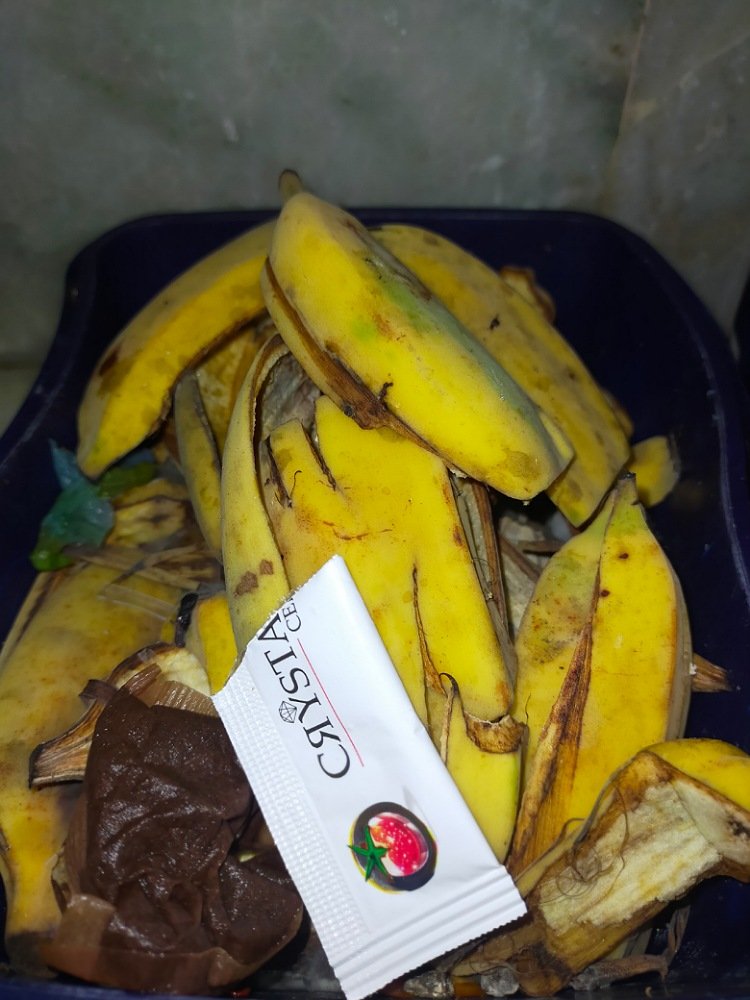

But why, oh why, Daddy? A non biodegradable in a biodegradable bin??? But because you’re 83 years old already, love you still, Dad. 😀

I am praying for more breakthroughs in organic farming and the successful integration of climate-smart farming practices here on our farm. Even David Beckham is starting his own organic farm. If we are to do this as a collective whole, the impact will be greater compared if only a small number of individuals or organizations are performing their climate change mitigation initiatives in order to achieve sustainability.

We act now, then we let God lead us to do the rest according to His timeline. 🙏

P.S. In case you see me looking like a man and acting so manly and all, pls. don’t ever think I have gender issues or an identity crisis. lol I was driven by circumstances to behave in such a manner due to a lack of males in the household. 😃

This is how I cope with and adapt to a very masculine industry in order to survive. I can also be girly, cute, and sweet, but I actually have a Kraken inside me that I am trying so hard to keep hidden and is just waiting to be unleashed. lol Thanks to my faith, I have managed to keep it hidden in most circumstances. 😉


“Let us not become weary in doing good, for at the proper time we will reap a harvest if we do not give up.” – Galatians 6:9

Polyphenols In Edible Plants And Their Role In Fighting Against Cancer

How healthy is healthy? I wasn’t sure so I did my homework and here’s what I found – polyphenols.

Maybe by next year, I can also work as a Research Assistant with the extensive research I am doing now. 😉 So what are polyphenols and their role in fighting against cancer?

Lovely blooms.

Polyphenols On The Spot

Polyphenols are a class of compounds found in many plant foods that includes flavonoids, phenolic acids, lignans, and stilbenes. There are more than 8,000 different types of polyphenols that have been identified so far. Some polyphenols that have gained popularity are epigallocatechin gallate (EGCG) in green tea and resveratrol in grapes and wine.

“Most polyphenols work as antioxidants in the body, meaning they can combat environmental harm such as UV damage and pollution. Click here to learn more about antioxidants. In addition to their antioxidant activity, polyphenols have many other health benefits. Some studies strongly suggest that diets rich in polyphenols may offer protection against development of certain cancers, cardiovascular diseases, diabetes, and neurodegenerative diseases.”CSU, Kendall Reagan Nutrition Center

Here are other helpful links to articles and scientific journals that contain comprehensive information regarding polyphenols:

What Are Polyphenols? Types, Benefits, and Food Sources

The role of polyphenols in overcoming cancer drug resistance: a comprehensive review

Advanced Delivery System of Polyphenols for Effective Cancer Prevention and Therapy

A Garden of Polyphenols

Meanwhile, I’d like to share with you some of the edible plants I started growing when I came to Bicol last year. I had no idea each of them contained large quantities of cancer-fighting components. They are very prolific growers, too.

I actually bought these seeds without knowing their full benefits. Indeed, God’s ways are higher than our ways, and His thoughts are higher than our thoughts. (Isaiah 55:8-9)

I wasn’t able to replant some of them this year though because of what happened to Mom. But I plan to resume growing them and increase the yield next year, God willing. Because “many are the plans of man, but it is the Lord’s purpose that prevails.” (Proverbs 19:21)

1. Blue Butterfly Pea

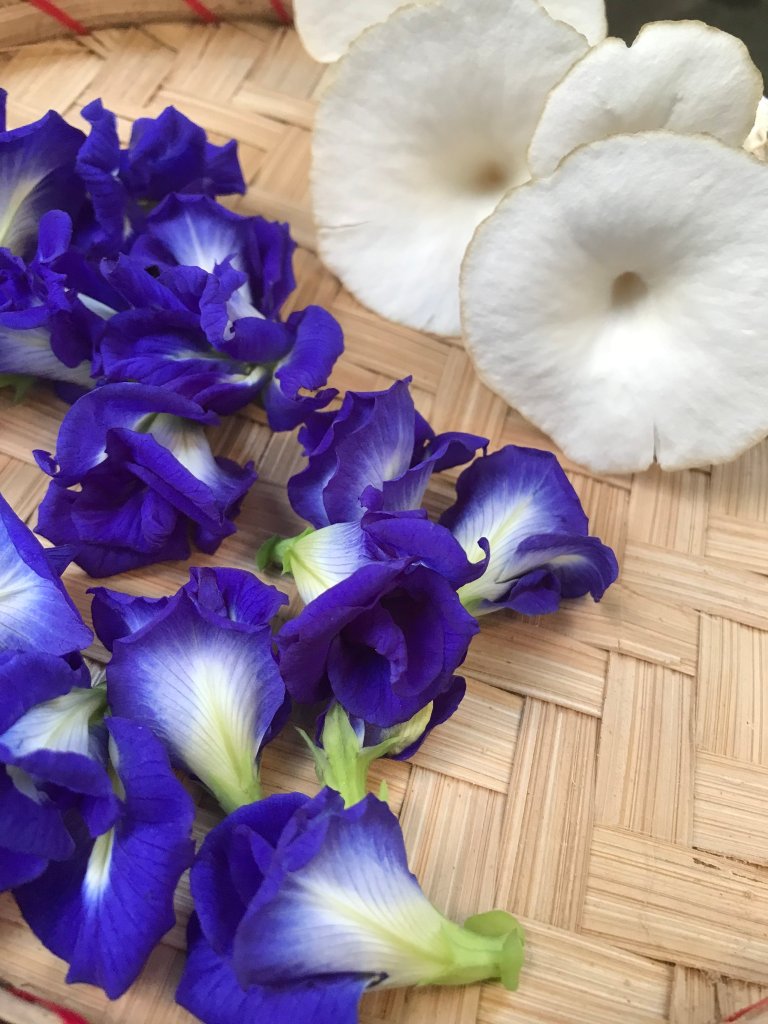
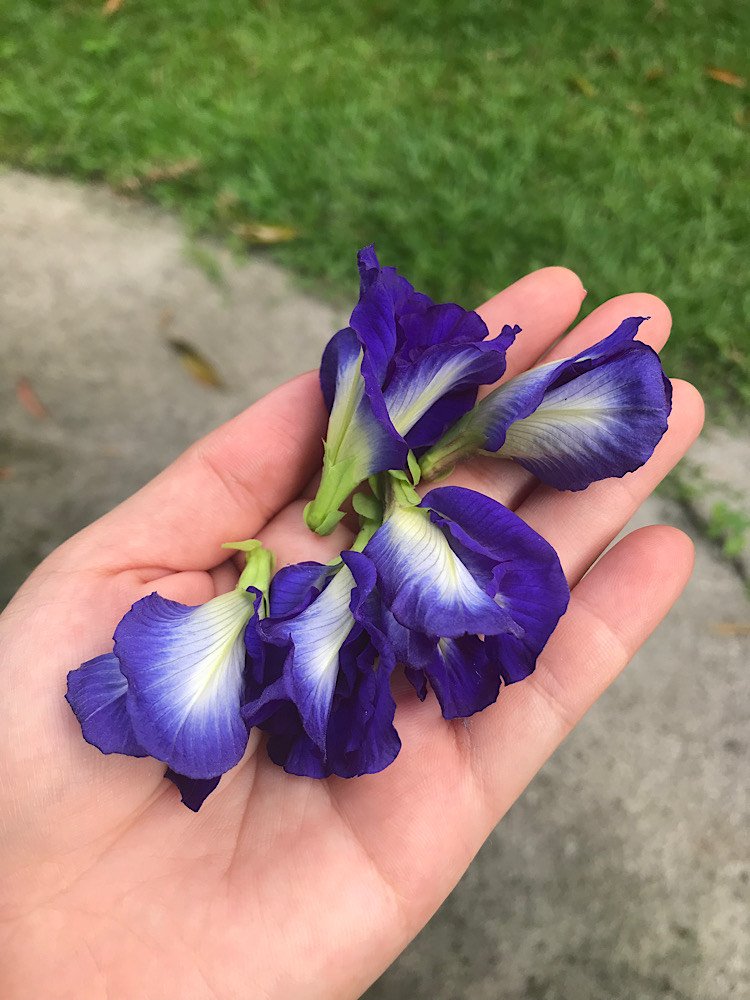
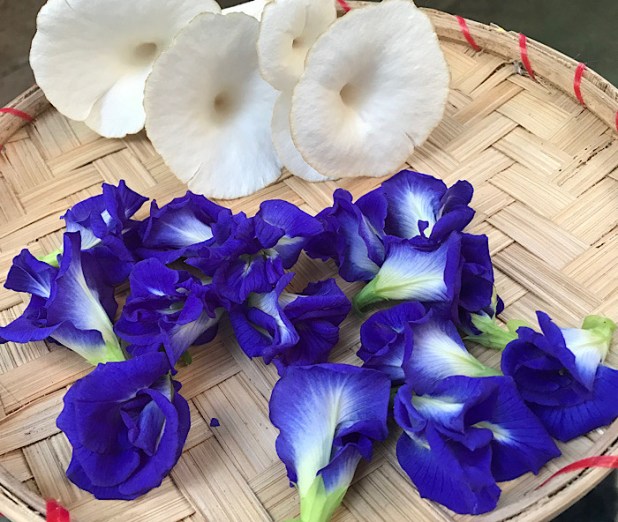
This is my favorite because the deep blue-violet color of the flowers just never fails to captivate me. And the funny thing about it is that I got these Blue Butterfly Pea seeds as a freebie (thank you, dear online seller) when I bought the seeds of some flowering trees I intend to propagate on our farm (do watch out for my next article on this). It’s also not just the regular variety of Blue Butterfly Pea, but she gave me the one that has double petals (yay!).

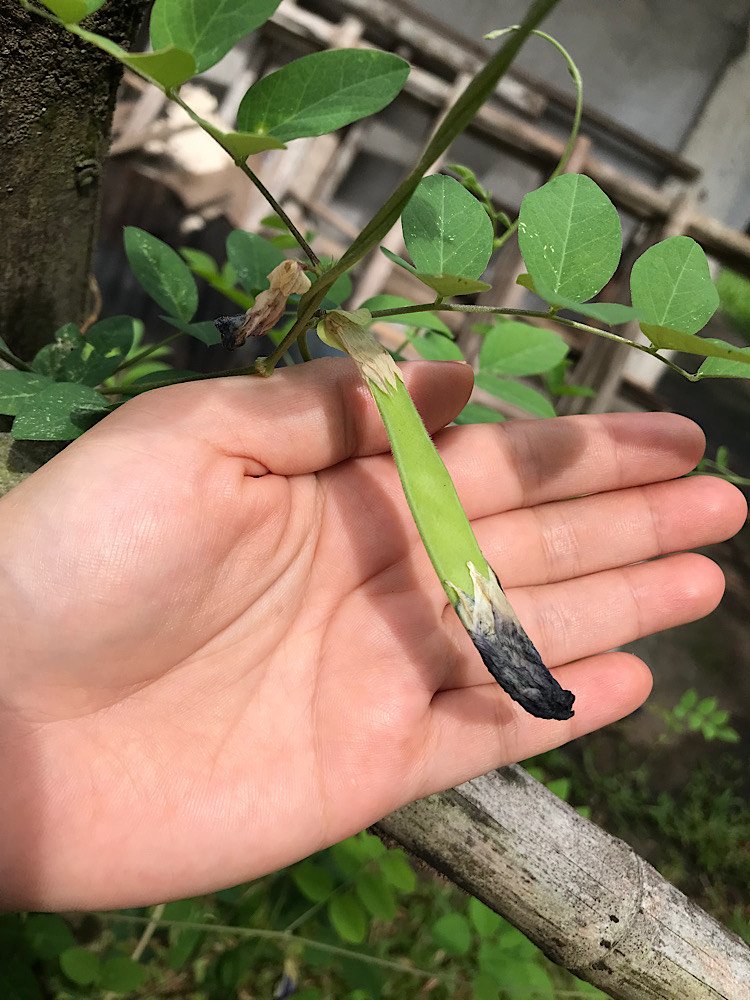
Blue Butterfly Pea Pod
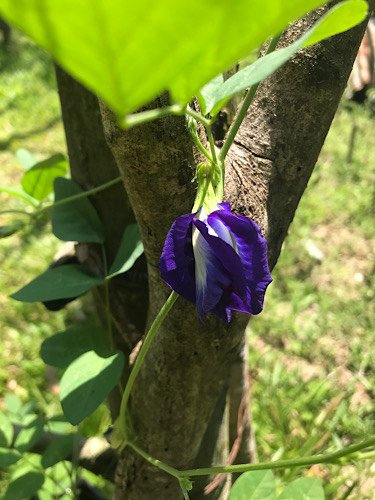
Blue Butterfly Pea Vine
Double petal variety of the Blue Butterfly Pea.
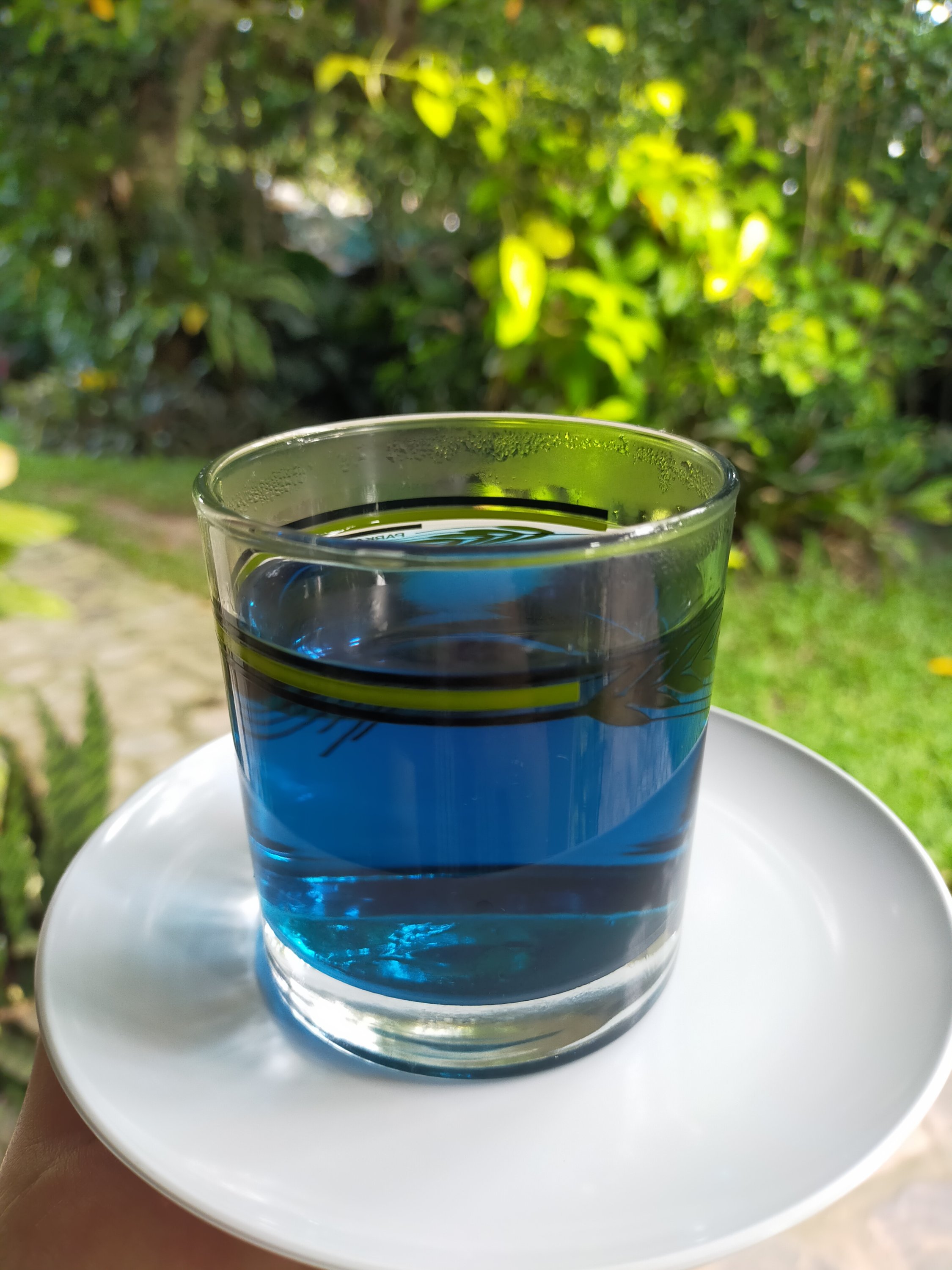
To make the Blue Butterfly Pea tea, just add boiling water to 4 flowers and let it steep for 5-10 minutes.

You may read the articles below to learn more about this plant and its anti-cancer properties.

Chemosensitizing activities of cyclotides from Clitoria ternatea in paclitaxel-resistant lung cancer cells

Butterfly pea (<italic>Clitoria ternatea</italic> Linn.) flower extract prevents MCF-7 HER2-positive breast cancer cell metastasis in-vitro

2. Okra

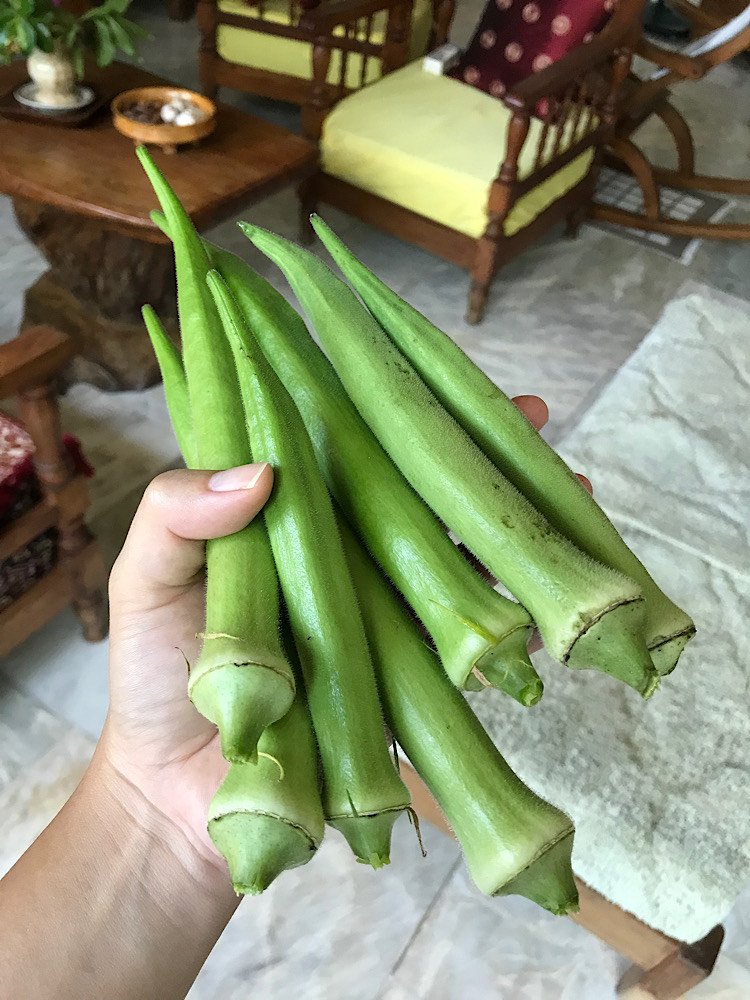
I usually steam this and eat it plain without any seasoning. Growing them is easy, but you would need at least 10 Okra plants to gather a decent harvest. It’s also best to harvest them young.

First batch of Okra harvest.

Read: Lectin of Abelmoschus esculentus (okra) promotes selective antitumor effects in human breast cancer cells

3. Oyster Mushroom

This is my very recent planting project, and I’m amazed by the outcome. You may read more about my Oyster Mushroom growing experience here.

Read: Promising anticancer activity of polysaccharides and other macromolecules derived from oyster mushroom (Pleurotus sp.): An updated review

4. Papaya

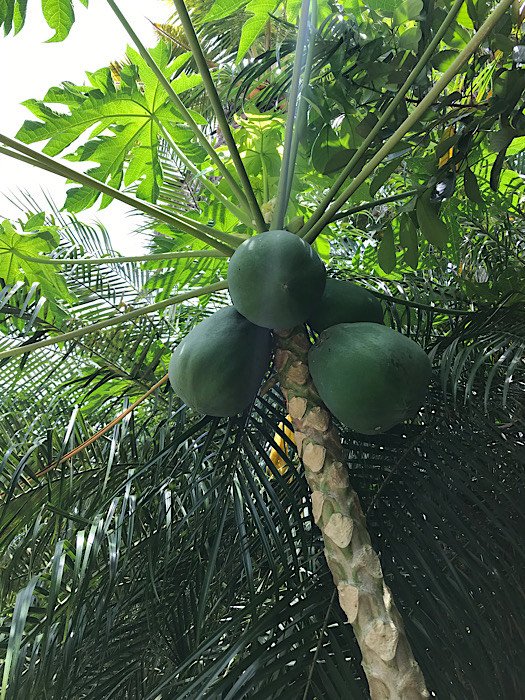
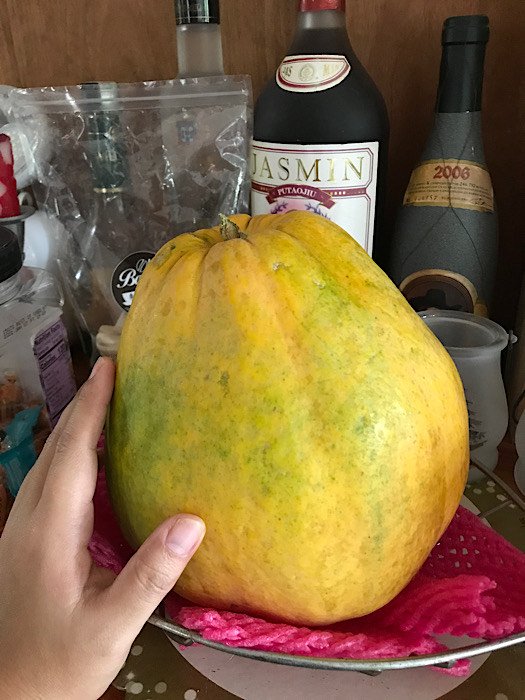
I love this fruit though it stinks quite a bit. When it comes to growing papaya, well, it just grows anywhere in the garden through bird droppings. Fascinating how nature finds a way to grow on its own, isn’t it?

Papaya Tree
Papaya Fruit

Read: Anti-proliferation and Apoptosis Induction of Aqueous Leaf Extract of Carica papaya L. on Human Breast Cancer Cells MCF-7

5. Cacao

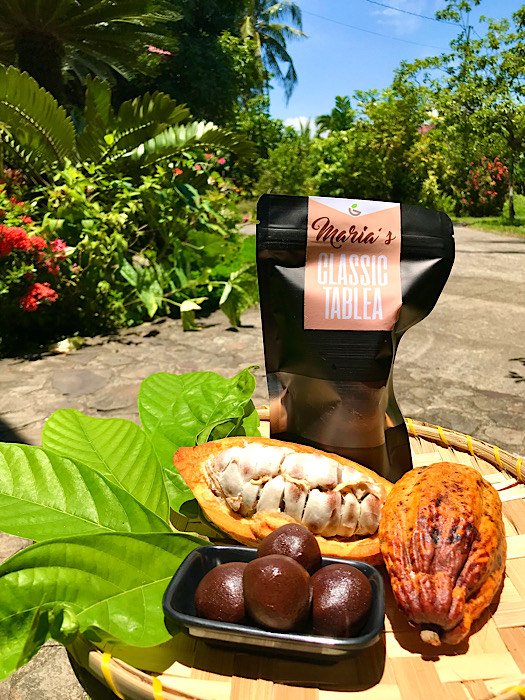
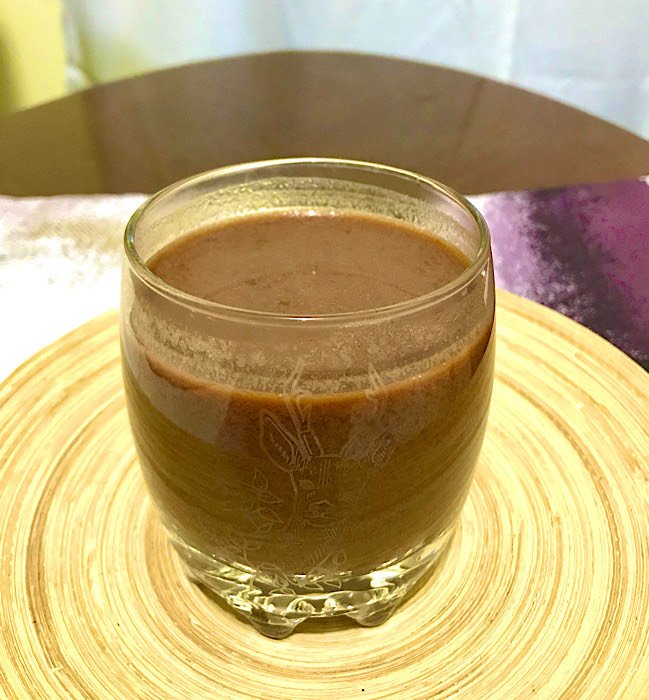
This is my paternal grandmother’s (Maria’s her name) legacy that my Aunt is now continuing – tablea making. Tablea is unrefined chocolate made of sugar and ground, roasted cacao seeds. Tableas are always my favorite when making hot choco drinks because they’re perfect during the cold weather.

Lola Maria’s Tablea.
Hot choco drink, anyone?

Read: Is Chocolate Good For You?

6. Mulberries

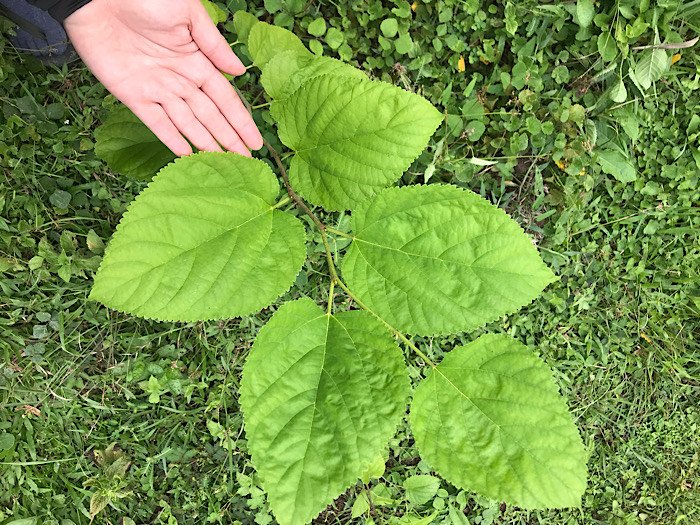
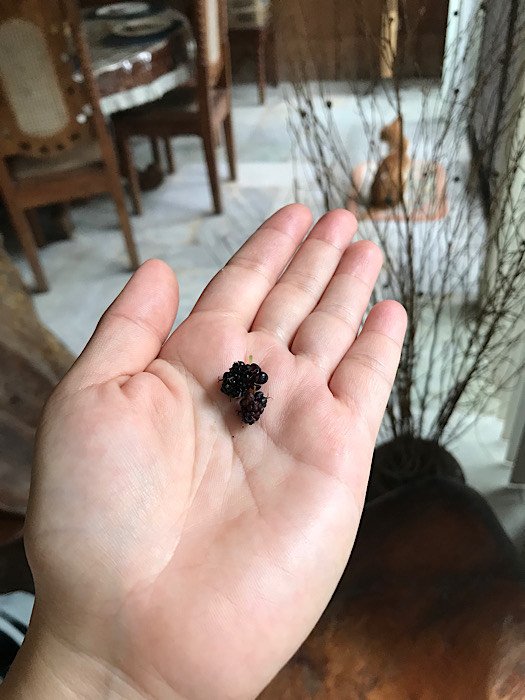
I started planting Mulberries at the farm last year as part of our poultry project there. But it might take a couple of years before we can harvest a lot of these berries. I’m so glad though that some of the cuttings started fruiting already. Unfortunately, I had to pluck them out to encourage root growth.

Newly transplanted Mulberry.
First Mulberry fruits came out only just a couple of months after we planted the cuttings.

Read: Purified mulberry leaf lectin (MLL) induces apoptosis and cell cycle arrest in human breast cancer and colon cancer cells

7. Other Veggies in the Polyphenol-Rich Garden

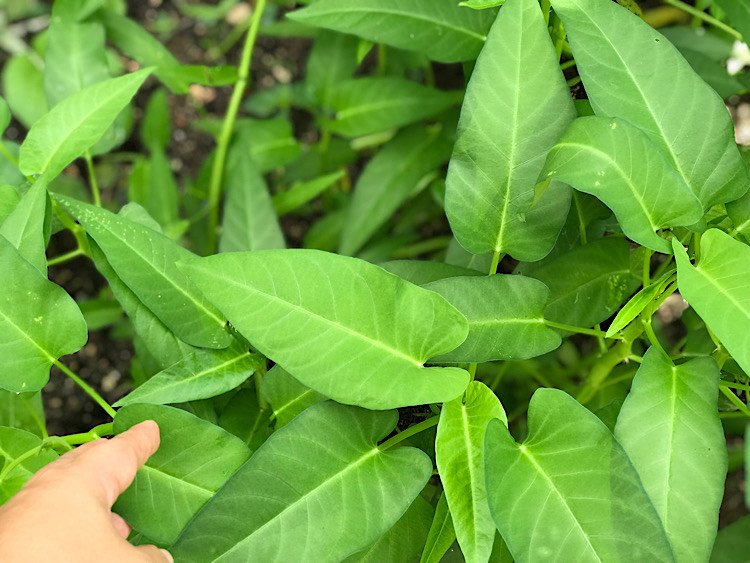
Lush greens courtesy of Kangkong.
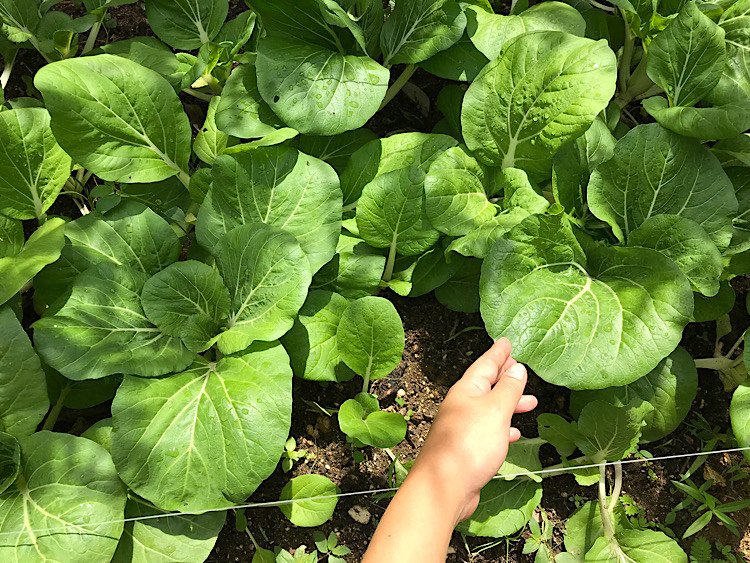
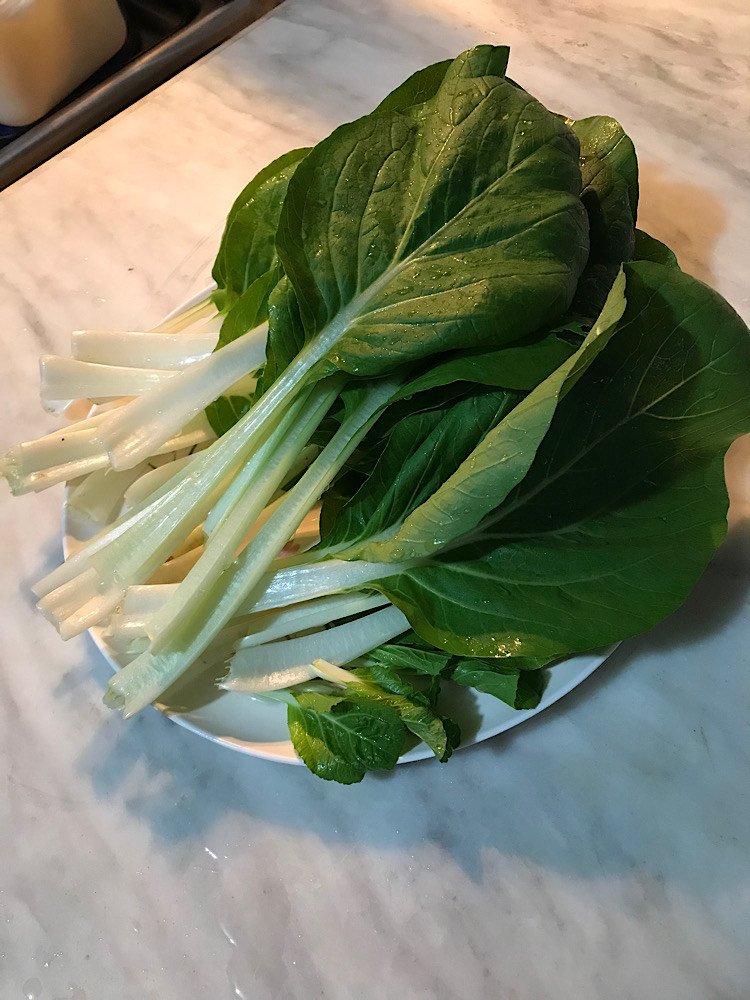
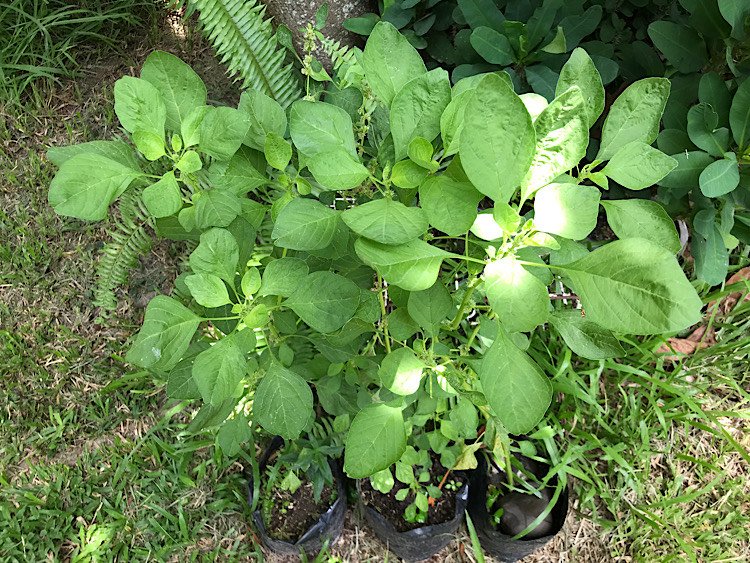
Pechay
The leaves were so huge. All thanks to my Mom for the extra TLC. 😉
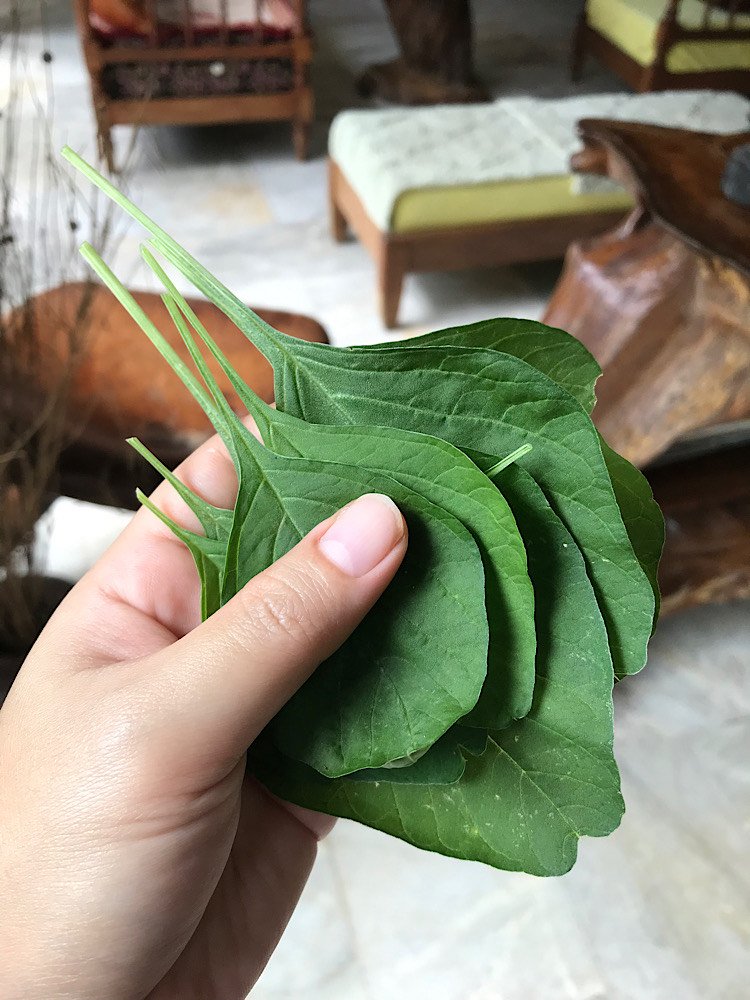
Spinach Leaves
Spinach Plants
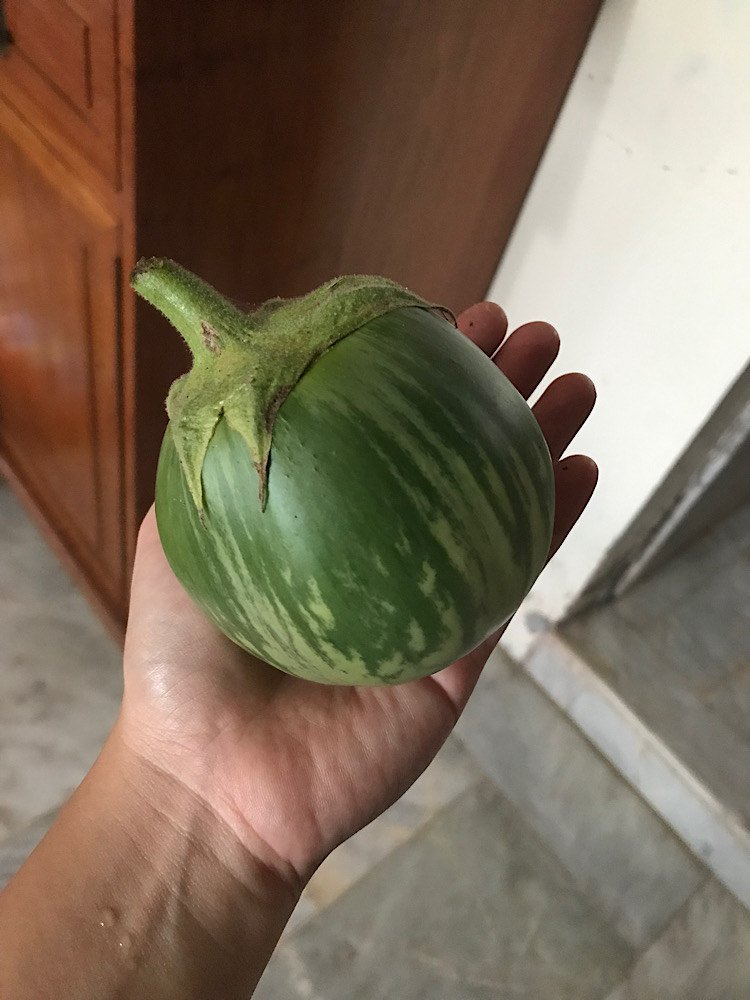
Ilocano Eggplant

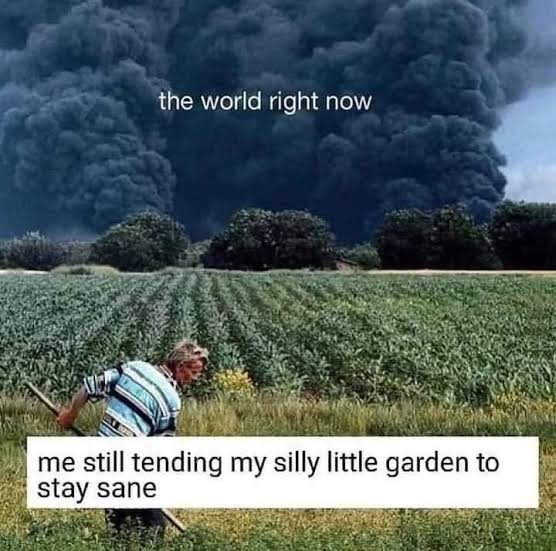
If you are a believer of the “biophilia” concept, then the more you plant, the better it is for your entire well-being. And yes, I can totally relate to this meme I stumbled upon my social media newsfeed a couple of days ago. The world is getting cray cray every day, let’s just do all that we can to get by.

CTTO

We have to remember though that these edible, cancer-fighting plants may lower our risk of getting cancer, but I still highly recommend a regular checkup with your doctor. This reminder applies to me, too. 😉

P.S. I forgot to mention in this article of mine to include seeds in your Go Bag so you can plant in your Bug Out Location if food is already scarce. That means you may have to start practicing how to plant seeds now for higher chances of growing plants successfully later on.

P.P.S. Since today’s the last “Friday the 13th” of the year, I’m going to end this article with something upbeat to celebrate God’s goodness in our lives. 🙏 Try to see though how the two ideas in the sentence before this are connected. 😀