Juggling June

Ah yes, the title is just fitting to describe what transpired during this month. I’m back here in Manila to oversee repairs at my sister’s condo in preparation for their arrival this coming August.

It looks like it is only when I’m here in Manila that I get to write a lot of longer articles. I think it’s also safe to say that Manila is my “downtime” where I get to do only one task at a time. 😃

A lot has happened during the past 2 months that I was there in my hometown. I hope I won’t bore you with too much details. lol So, I’ll try to summarize everything and just jot down the important ones.

1. Farmville Mode

We made our regular visits to the farm – I was so glad and grateful that somehow most of the plants (flowering trees and forage plants) we planted last year survived. Some thrived such as in the case of the Napier Grass. The goal is to grow at least one plant for each kind, and we were able to grow several of them. It looks like we more or less succeeded. And thank God for taking good care of these plants on our behalf. 🙏

I pray that God will continue to watch over these babies. 🙏
When you’ve been tasked again to flatten the grass using an SUV (???) and you documented it as proof that you accomplished the task even if 90% of your bored self objects to the idea. lol I just love my Dad. He makes me laugh even without trying. 😅
Now, THIS is what I would love to drive. Seriously.
Where there is smoke, there is BBQ. Dyan po namin niluluto ang mga nahuhuli naming nagte-trespassing sa bukid. lol Joke lang. Ang maniwala, sya ang next na isasalang dyan. 😄

2. The Gardener At Work

I also planted Okra, Eggplant, Pechay, Tomato, Spinach, and Mustasa again. Hopefully they are still alive when I get back. I planted them as soon as I got home last May since I am targeting that before I get a full-time job, they’re all grown up and settled in in their own pots so our house help can just water them.

I can’t wait to transplant them to their individual pots.
Meron sanang gustong tumulong sa brainstorming kung anong mga gulay itatanim ko. Nga lang na-hypnotize sya ng aking ballpen. lol
Tapos tinulugan ako ng PA (Polly Assistant) ko. Magpa-plot pa naman sana kami ng mga farming activities and other projects sa calendar of events. Tsk.

3. Farewell, Mama Bon

One of my Aunts (mother side) passed away in her sleep at the age of 80 – it was another heartbreak. But it gave us the opportunity to reunite with relatives whom we haven’t seen for more than a decade.

4. Fence Project

The construction of a fence back home is also ongoing – we need to fortify our defenses against the enemies a.k.a. stray cats, stray dogs, and stray chickens. 😅

5. The Beautiful PENINSULA DANCALAN

We visited my Uncle’s (Dad’s youngest brother) new beach resort in Dancalan, Bulusan – I instantly fell in love with the place. ♥️ Their infinity pool exudes the perfect Santorini vibe. 😍 If you have inquiries re reservations, please do visit Peninsula Dancalan‘s Facebook page and watch out for updates on their grand opening in September. 👍👍

The pool is just – 😍😍😍!!!
The infinity pool at night. 🥰

6. Exploring Sitio Laboy (Matnog, Sorsogon)

We also visited Dad’s property in Sitio Laboy in Matnog, Sorsogon. I love the winding road. It looks like it’s headed straight to Neverland. Lezzzzggggoooo! 😄

Yep, I know, I know. I know you missed my chubby cheeks. lol ☺️

7. New Season, New City

And last but definitely not the least, I finally found a place to stay in Sorsogon City – the newly constructed place exceeded my expectations. Indeed, God makes everything beautiful in His own time exactly like what I have envisioned in this article. It’s like the apartment was built just for me. lol

I got the last unit for a reasonable rental fee, it’s just a block away from Victory Sorsogon, it’s a gated compound w/ provisions for car parking, and it’s located right at the heart of the bustling city – what more can I ask for? 🙏😍

According to one of the owners, some of the tenants also work in “sanggunian. It has always been my dream to be a public employee. Is this a sign, Lord? 😅 If there will be an opportunity for me to work as a government employee in Sorsogon City, then I take it that it is His will. But if not, then I’m back to being a remote worker, which will allow me to stay in Bulan for a couple of days during the middle of the week and go back to Sorsogon City on weekends.

Why Sorsogon City? I did share in my previous articles some of the advocacies (Bayanihan Knitted Knockers | Breast Cancer ADVOCACY and Not Just An Advocacy, But A Higher Calling) that I felt like God wanted me to pursue according to His timeline. But His first instruction was to connect with a spiritual family in Bicol first.

I was baptized and was born-again in Victory that’s why I want to continue my spiritual journey in this church. And Sorsogon City happened to have one of the Victory churches.

So yes, I am very excited to start my new season in Sorsogon City. But only after the bed is delivered – I still have to wait for 2-3 weeks. 😃

I felt like I had to get a place in the city just in case it is Dad’s turn to be hospitalized. This way, we won’t have a hard time looking for a place to stay just like what happened when Mom was confined at the hospital last year.

We were fortunate enough that Ma’am Roge opened her Sor Ci (the locals’ colloquial abbreviation of Sorsogon City) home to us though it’s technically not available and even if it’s for a short-term lease only. My sincerest gratitude goes out to her as well as to Kuya Soc and Ate Rina for cooking hearty meals for us while we were taking care of Mom at the hospital. Their hospitality and generosity helped us tremendously, especially during that very difficult moment in our lives. ♥️

Traveling from Bulan to Sorsogon City and vice versa is just too exhausting especially if you are taking care of a sick loved one in one of the city’s hospitals. It is also my plan to open the studio apartment albeit small to other family members, relatives, and friends who need a place to stay in the city for a short while (maximum of 2 pax only).

I am also praying that Bulan will have another hospital since it is already being prepped for cityhood. If it is not yet possible, then I am hoping the one hospital we have now will add more health care services, will increase the hospital’s bed capacity, and will hire more medical personnel to accommodate more patients, especially during emergencies. Bulan’s population listed a total of 105,190 residents according to the 2020 census, and it is increasing.

So, it looks like my first article for August will officially document my new season in Sorsogon City. In fact, I already have a title for said article, and it’ll go something like this: “All My “Firsts” In Sorsogon City” – my first worship service, my first Bible study group, my first early Saturday morning walk along the boulevard, and a whole lot more of possible “firsts” in the city. And yet in everything, not my will but let God’s will be done always. 🙏🙂

I believe God intended I write all about my “firsts” in Sor Ci during the month of August – it’ll be Mom’s first year death anniversary, too. ♥️

P.S. The mid-year Prayer and Fasting in church happening on July 3-5, 2024 is just the perfect time for me to pray for God’s will and straighten out my plans in Sorsogon City. Indeed, God is good all the time. Always. 🙏

P.P.S. Because we had a surplus of Kamias and my Dad and 3rd sister were craving for gulay na Kamias/Iba, I made them one. We usually pair this vegetable viand with fried marinated Bangus or any fried fish. 👍 Karaon tabi kita. 😋
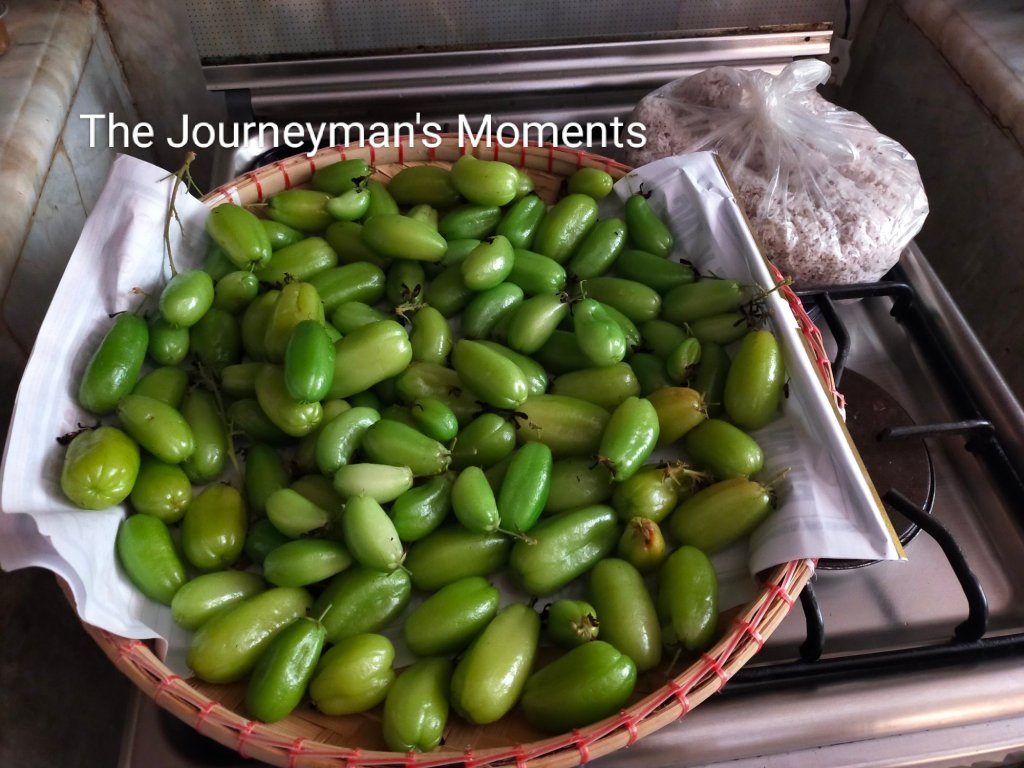
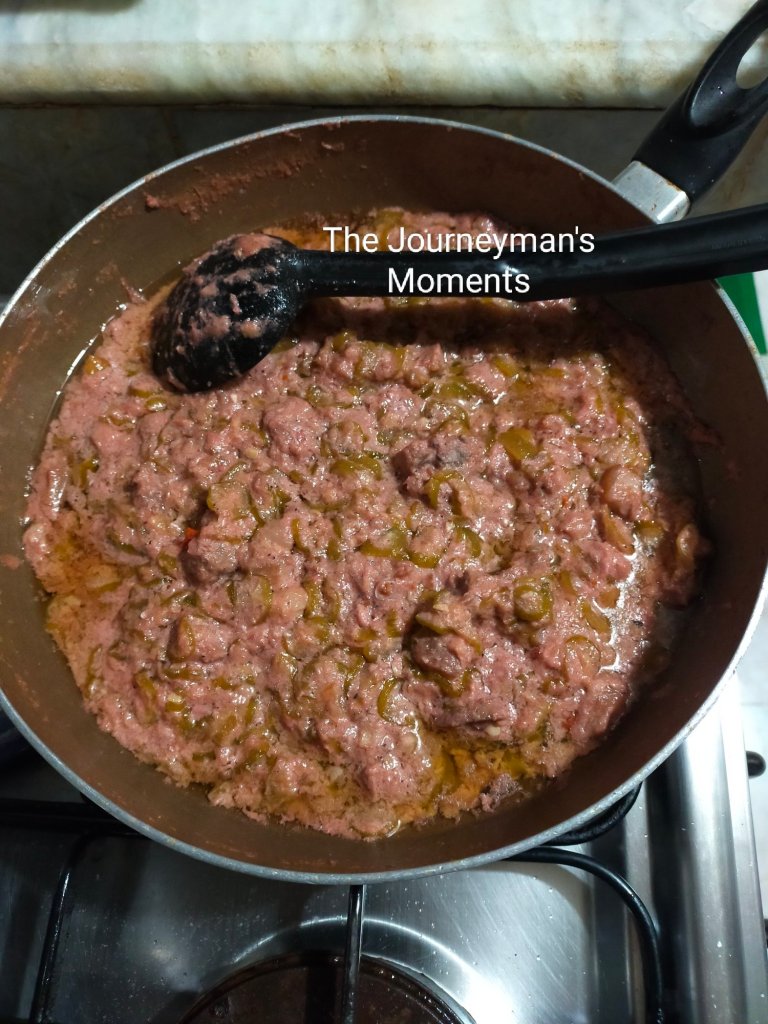
Kamias Overload
Mas bet ko ito lutuin nang pinapa-curdle ang gata.
Siram mag-kinamot. 😋
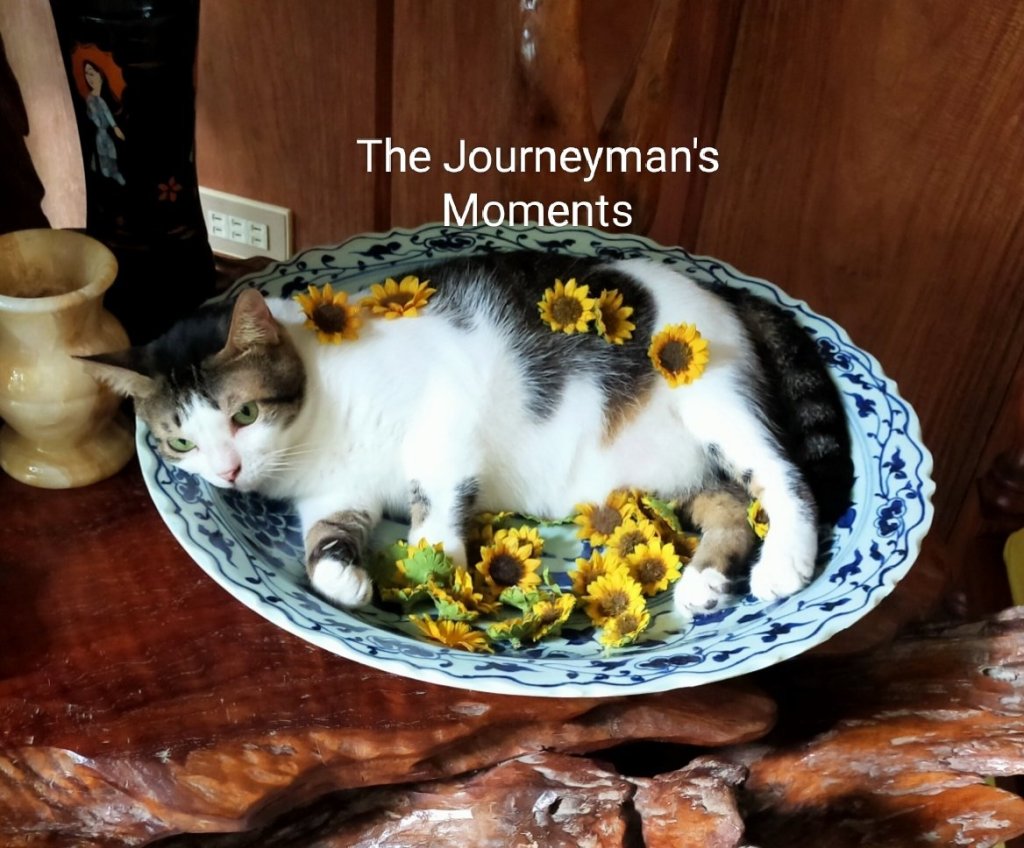
We also serve Lechon Munchkin garnished with tiny sunflowers. 🤣

What To Expect When A Loved One Enters Hospice (from The Gospel Coalition)

God sure knows when to reinforce my calling (a long-term goal and possibly a retirement project) lest I get distracted and focus on other things. I stumbled upon this article from The Gospel Coalition a couple of days ago, and this is exactly what I needed for the hospice project I am planning to propose to my siblings. I thought I’d share it here as well to help those who are going through a similar situation. 🙏

Original Article Link: https://www.thegospelcoalition.org/article/expect-loved-one-hospice/


“What To Expect When A Loved One Enters Hospice”

By Kathryn Butler

I recently lost a dear friend to cancer. She’d struggled with treatments and recurrence for years, and when her doctor finally said the heavy word “hospice,” she and her family were neither surprised nor despairing. As Christians, they drew comfort from the assurance she’d be with the Lord after she took her last breath (Rom. 14:8; 2 Cor. 4:17–18).

And yet, although my friend embarked on her hospice journey with full acceptance, none of her family was prepared for the tumult of emotions her final days incited. They trembled and choked back tears when she bolted upright in agitation. When she no longer responded to their voices, they nursed the ache of loss. Throughout, they struggled to reconcile the grim realities of death with the mother, sister, and wife they so cherished.

Families with loved ones in hospice all too frequently weather such storms. As the wages of our sin (Rom. 6:23), death is by nature harrowing, even when anticipated. We weren’t meant for death, and those of us who encounter it often struggle with lingering grief, confusion, and regret afterward, especially when it steals away someone we dearly love.

With a million and a half people in the U.S. receiving hospice care annually, many families will walk this troubling road, suffering doubts and heartache along the way. How do we shepherd caregivers and families as they aim to love the dying? How do we walk with them through the valley of the shadow of death, reminding them all the while of the Good Shepherd whose love covers them when the light dwindles (Ps. 23:4)?

𝗪𝗵𝗮𝘁 𝗛𝗼𝘀𝗽𝗶𝗰𝗲 𝗜𝘀

Misunderstandings about hospice abound and contribute to the pain families bear. Many people equate hospice with “giving up” on a loved one. Others confuse it with physician-assisted suicide and euthanasia. Still more have an accurate idea of hospice but can’t bring themselves to say goodbye to someone they can’t fathom living without.

To clarify, hospice care seeks to minimize pain and suffering at the end of life among those with terminal illnesses. A multidisciplinary team, usually comprised of physicians, nurses, social workers, chaplains, and health aides, provides medical care as well as spiritual and social support with a focus on symptom control and quality of life, rather than on cure. Although we often associate hospice with cancer, the most common qualifying diagnoses are severe dementia, emphysema, and heart failure.

For people with a life expectancy of months, hospice services often begin as regular home visits from nurses, social workers, and home health aides to ensure patients are stable and comfortable. As the illness advances, support increases, and eventually the dying require continuous care at the bedside and frequent doses of medications to ameliorate pain, anxiety, and air hunger. In the home, this care often falls to loved ones, which can be emotionally traumatic. In such circumstances, a hospice house, where staff nurses monitor patients 24/7, may be a better alternative.

People can only receive hospice services if they have a life expectancy of six months or less. Such patients, after consultations with doctors they trust, accept that further interventions for a cure would be futile (e.g., a cancer has metastasized to other organs and treatment options have run out). In hospice, medical care continues, but that care shifts to focus on lessening symptoms rather than eradicating the disease.

Studies suggest that rather than indicating caregivers have “given up” on patients, this shift in care can actually increase the life expectancy of terminally ill patients for up to three months. In our highly technological medical system, accepting the inevitability of death has a clear, measurable benefit.

It also has a biblical precedent. Although Scripture directs us to honor life (Ex. 20:13), it also reminds us our times are in God’s hand (Ps. 31:15). Like the grass of the field, we wither and fade (Isa. 40:7–8); until Christ returns all of us will succumb to death (Rom. 5:12). When we deny our mortality and chase after treatments that don’t promise cure, we dismiss God’s grace in Christ and the power of his resurrection. Christ has transformed death, swallowing it up in victory (1 Cor. 15:54) such that, as the Heidelberg Catechism aptly states, it’s no longer “a payment for our sins, but only a dying to sins and an entering into eternal life.”

𝗪𝗵𝗮𝘁 𝗛𝗼𝘀𝗽𝗶𝗰𝗲 𝗜𝘀𝗻’𝘁

While hospice reflects biblical teaching, the same can’t be said for euthanasia or physician-assisted suicide (PAS). Families facing hospice for a loved one may confuse these practices, especially given the terminology of “Medical Aid in Dying,” or MAiD, now adopted in Canada and used in the U.S. with increasing frequency. While in hospice, death occurs secondary to an underlying illness, in MAiD, terminally ill patients seek medical means to deliberately end their lives.

In euthanasia, for example, a healthcare provider administers a lethal dose of medication––often an injection––on a patient’s request. Similarly, in PAS, doctors prescribe a dose of pills for a patient to take on his or her own. In both cases, the “aid in dying” isn’t symptom support but rather a lethal dose of medication.

As the legalization of PAS has steadily increased in the U.S. over the past 20 years, it’s crucial to understand its distinction from hospice. In hospice, the aim is to alleviate suffering from futile or excessively burdensome measures. People can “graduate” from hospice; if a patient unexpectedly improves and is no longer deemed terminal, clinicians rejoice and hospice services are discontinued. PAS, by contrast, involves the active taking of another life with the explicit goal to end it, and it violates God’s Word (Ex. 20:13).

𝗪𝗵𝗮𝘁 𝘁𝗼 𝗘𝘅𝗽𝗲𝗰𝘁

The knowledge that hospice care aligns with biblical teachings can provide solace to families. Yet even with this consolation, watching a loved one die can be crushing. Many families embark on this journey with confidence, only to find the unsettling details of dying overwhelm them.

The following common changes may occur when death is near, which may trouble those at the bedside:

As a dying person’s organs shut down, 𝗯𝗿𝗲𝗮𝘁𝗵𝗶𝗻𝗴 𝗿𝗲𝗳𝗹𝗲𝘅𝗶𝘃𝗲𝗹𝘆 𝗯𝗲𝗰𝗼𝗺𝗲𝘀 𝗿𝗮𝗽𝗶𝗱 to remove excess acid from the bloodstream. As such breathlessness worsens anxiety and fatigue, nurses will administer a narcotic (usually morphine) or a sedative to help slow the breathing.
Intestines shut down as death nears. 𝗣𝗲𝗼𝗽𝗹𝗲 𝘄𝗶𝗹𝗹 𝗵𝗮𝘃𝗲 𝗻𝗼 𝗮𝗽𝗽𝗲𝘁𝗶𝘁𝗲, and although loved ones may worry about starvation, forcing them to eat or drink leads to vomiting or abdominal cramping.
In the setting of dehydration close to death, 𝘁𝗵𝗲 𝗺𝗼𝘂𝘁𝗵 𝗮𝗻𝗱 𝗹𝗶𝗽𝘀 𝗱𝗿𝘆 𝗮𝗻𝗱 𝗰𝗿𝗮𝗰𝗸. Hospice care workers provide moist mouth swabs to counteract the discomfort.
𝗔𝗴𝗶𝘁𝗮𝘁𝗶𝗼𝗻, 𝗱𝗲𝗹𝗶𝗿𝗶𝘂𝗺, 𝗮𝗻𝗱 𝗵𝗮𝗹𝗹𝘂𝗰𝗶𝗻𝗮𝘁𝗶𝗼𝗻𝘀 are common near death and can be especially upsetting to witness. In the mildest cases, patients will see people from their past, which may alarm onlookers. In the most distressing, the dying will suddenly panic or lash out at others with cruel insults. Clinicians give medications to calm patients and avoid such outbursts, but when they do occur, delirious patients’ words can deeply hurt those they love. In such moments, we can reassure families that death affects the mind as well as the body and that their loved ones are unaware of their actions. Agitation near death reflects the disease, not the patient’s true thoughts and feelings.
People 𝗴𝗿𝗮𝗱𝘂𝗮𝗹𝗹𝘆 𝗹𝗼𝘀𝗲 𝗰𝗼𝗻𝘀𝗰𝗶𝗼𝘂𝘀𝗻𝗲𝘀𝘀 as death nears. However, in the days to hours before death, some suddenly awaken and carry on clear, coherent conversations. Called “𝘁𝗲𝗿𝗺𝗶𝗻𝗮𝗹 𝗹𝘂𝗰𝗶𝗱𝗶𝘁𝘆,” this phenomenon is poorly understood but well documented and can confuse loved ones who mistake the sudden clarity for clinical improvement. A good approach is to treat these moments as gifts from the Lord, offering loved ones a final glimpse of the person they’ve treasured.
Even when the dying are unresponsive, evidence suggests 𝘁𝗵𝗲𝘆 𝗰𝗮𝗻 𝘀𝘁𝗶𝗹𝗹 𝗵𝗲𝗮𝗿, with their brains responding to sounds as distinctly as do awake, healthy individuals. This can provide families with enormous comfort, as it means their loved one may still hear and understand their words. Encourage families to speak to their loved one, to read Scripture, to pray aloud, and to sing hymns and favorite songs. Such connection can provide much-needed closure and solace to the living, and minister lovingly to the dying.
In the last 24 hours, 𝘁𝗵𝗲 𝘀𝗸𝗶𝗻 𝘁𝘂𝗿𝗻𝘀 𝗺𝗼𝘁𝘁𝗹𝗲𝗱 𝗮𝗻𝗱 𝗯𝗹𝘂𝗶𝘀𝗵, especially in the hands and feet. This is normal and signals the circulatory system shutting down.
The last few hours of life are often marked by 𝗱𝘆𝘀𝗿𝗲𝗴𝘂𝗹𝗮𝘁𝗲𝗱 𝗯𝗿𝗲𝗮𝘁𝗵𝗶𝗻𝗴. People will breathe deeply and rapidly for several breaths, then not breathe at all for up to two minutes. Secretions pooling in the airways also create an unsettling rattling sound with each breath. Additionally, relaxation of the vocal cords can produce a sound similar to moaning, even in the absence of discomfort. While these changes are upsetting to witness, at this point patients are unaware of their surroundings and unlikely to experience suffering.
𝗛𝗼𝗽𝗲 𝗘𝗻𝗱𝘂𝗿𝗲𝘀

In addition to the troubling realities outlined above, families of hospice patients may wrestle with questions about the faith and salvation of their loved one. If a loved one isn’t a believer, relatives may urge nurses to withhold sedatives, clinging to hope for a deathbed conversion. If a loved one has proclaimed faith, moments of agitation may raise doubts about the sincerity of that profession.

While their heartache is understandable, to withhold medication and incur unnecessary suffering is neither loving nor compassionate. As solace, we can point families to the thief on the cross (Luke 23:39–43), whom Jesus invited into his kingdom as he was dying. We can reassure them that the Holy Spirit can work in someone’s heart regardless of their capacity for language or cognition, and the Lord can bring all he wills to himself (Eph. 1:3–7). The good news of the gospel declares that salvation depends not on us but on God’s grace––and he can turn every heart he wills from stone into flesh (Ezek. 36:26).

Above all, when families walk alongside a loved one in hospice, they show him or her, as well as surrounding caregivers, the character of Christ.

To abide with another through death is to love in the sacrificial, soul-weary way our pierced Savior loved us first (Matt. 26:38; John 13:34–35; 1 John 4:19). It’s to weep with those who weep (Rom. 12:15) and to bear another’s burdens (Gal. 6:2). It’s to offer a loved one a tangible reminder––perhaps with a hymn heard through the shadows, perhaps with a gentle touch––that God’s love endures forever (Ps. 107:1) and that, in Christ, nothing––not even death––can pry his beloved away from his grasp (Rom. 8:38–39).


Hospice Care 101 | Making Peace With Death

I often wondered what is it with death that we are so afraid of. Maybe we’re not really afraid about dying per se, but more of how we are going to die. The topic of death has always been considered morbid and taboo. And yet all the more that we should talk about it because acceptance is always the pathway to peace.

When God placed a desire in my heart about hospices after my Mom passed away last year due to stage 4 breast cancer and the possibility of providing hospice care on our farm in the future, I asked Him to give me the means to make it happen. And it looks like I got my confirmation because He sent me a whole lot of resources and instructions to prepare for it. Or maybe this was the work of Facebook’s algorithm since I’ve been doing research on hospice care which is why I was getting similar recommendations on my newsfeed. 😀

By the way, I don’t have a personal Facebook account because I deactivated it. I have 1 dummy account though where I only have 1 friend and she’s my spiritual Mom/coach/mentor. I mainly use Facebook to stay updated with news and current events.

Here are some of the organizations I found if you need information on hospice care:

The Philippine Society of Hospice and Palliative Medicinehttps://www.pshpm.org/

Asia Pacific Hospice Palliative Care Networkhttps://aphn.org/

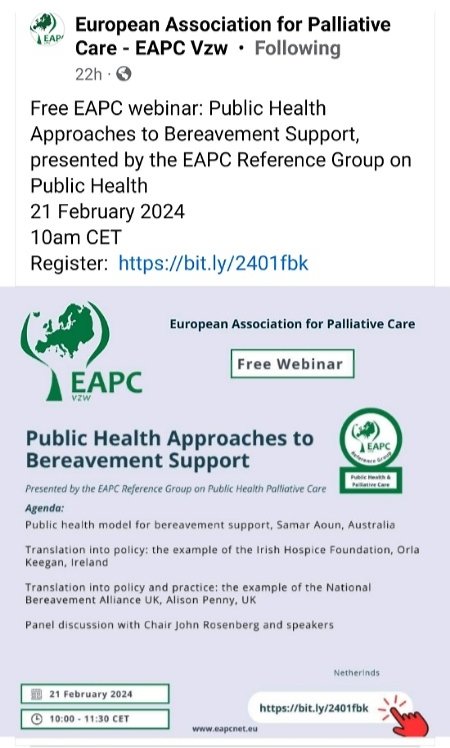
The European Association for Palliative Care is also conducting a free webinar on February 21, 2024 at 5pm (Manila Time) entitled “Public Health Approaches to Bereavement Support.” Here’s the link to register: https://us02web.zoom.us/webinar/register/9717054994060/WN_A7NsLepPSIO2sn28NnZx9Q?fbclid=IwAR1KbkSVq0tRwg3MVTQXfmXUrVVvXab0TXiicyzBcL2F6NZzY8jvdd4qMyU#/registration.

I also chanced upon the website of the National Institute on Aging, which is one of the institutes of the National Institutes of Health in the U.S. It’s a privilege to be able to subscribe to their weekly newsletters and receive free caregiving tips and resources, which are all very informative.

I cannot tell though if the fulfillment of these plans will happen in my lifetime, but this might inspire others to follow suit if they also receive the same calling. But first, let’s define hospice care.

What Is Hospice Care?

Merriam-Webster Dictionary defined it as “a program designed to provide palliative care and emotional support to the terminally ill in a home or homelike setting so that quality of life is maintained and family members may be active participants in care. It is also a facility that provides such a program.”

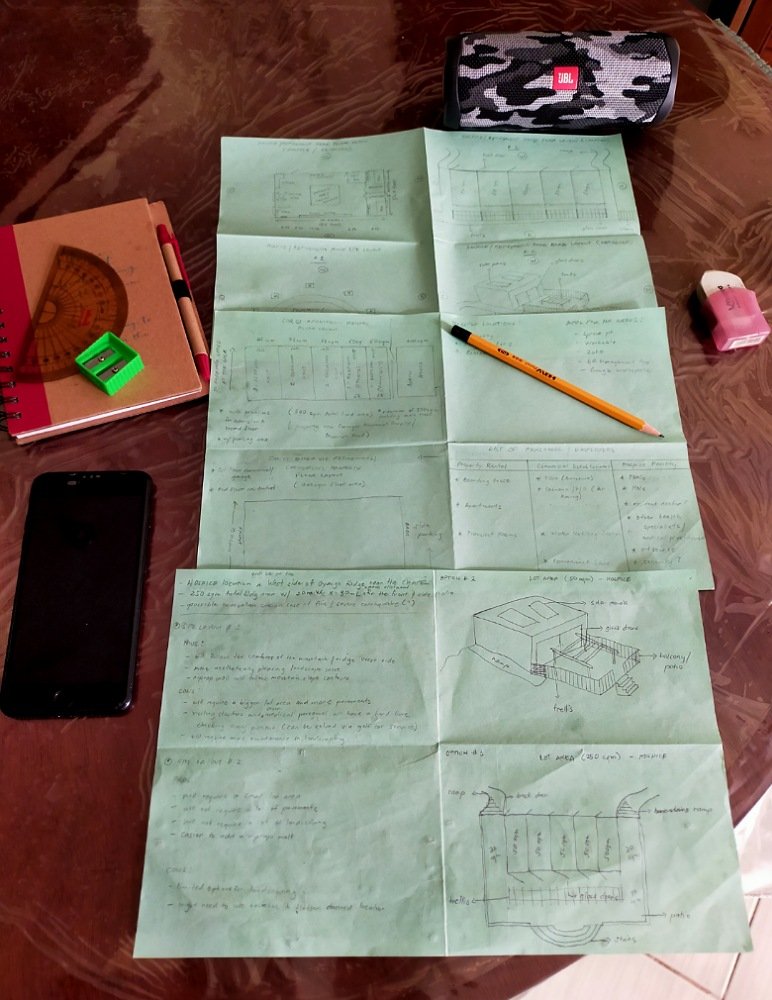
The hospice project proposal and draft for another project are currently at 30% and 20% progress rates, respectively. I still have a lot of work to do. But, all in God’s perfect time. And I cannot work on a project without listening to worship songs. It’s a must. 😉

What To Do During The Terminal Stage Of An Illness?

It is part of my preparations to always assume the worst-case scenario. This helps me prepare holistically. However, I would suggest limiting these worst-case assumptions to a minimum because they can trigger anxiety, and we don’t want that. So let’s say I am diagnosed with a terminal illness, how am I going to take it?

1. Seek For Expert Opinion Re Treatments

I’ll ask my doctor how long I have like if I opt to go through all the treatments, will I have a couple of years and if I don’t, do I have a couple of months only to live? I will also ask what is my quality of life after receiving the treatments. Will I be able to live a normal life again?

If the answer will depend on how my body will respond to the treatments, then it’s a “go.” If my body won’t be able to survive the treatments, then I’m choosing palliative care and pain management instead.

2. Plan My Next Move

I did ask God what more can I do if I only had a couple of months or years to live. Because I felt like I could only do so much in just a short span of time. And yet God’s answer was that what we might consider as small efforts now may actually have a lasting and significant impact later on.

One example is meeting another patient who is already on the verge of ending his/her life, but by talking to him/her, hope in God is restored and this person is now helping others as a result. Or it could be a student who will be inspired by my testimony, and decades from now, that kid will become the President of this country who fears God and will genuinely serve his people. It’s like God was saying that there are plenty of opportunities to touch other people’s lives that don’t really require that much effort and too much time.

3. Prepare For The Actual Battle

We never go to a battle unprepared. And we don’t prepare ourselves only, but those around us, too. It is also important to be surrounded by people who can pray for you and encourage you to keep on fighting. The church is the right community for this.

Equipping warriors with the Armor of God in every battle (Ephesians 6:11-13). JEHOVAH NISSI. 🗡️🛡️

Breast cancer support groups, in a way, provide emotional and psychological help and other information based on every patient’s journey. But, we can’t totally rely on them because most of the people in these groups are going through treatments or have a family member who is ill. When one member dies, it can pull the morale of the rest of the members down.

Because when this happens, I know the next questions that will pop into their minds are these, “Lord, am I next? When will my time come?” Questions like these, if they are what occupy the patient’s mind often, will result in depression. And in the webinars I attended, when depression hits, it affects every treatment plan, especially if the patient doesn’t want to eat and take their medications or continue the treatments.

So I actually came up with this mantra to combat depression – we do not mourn the living, we mourn the dead. We can’t be sad all the time and cry over how difficult life is as a sick person. We don’t lose heart, but we keep moving forward. As long as we still breathe, we move forward. We call this in UP as “Padayon.”

4. Pray And Let God Take Control

Once I start with my treatments, I will leave the results to God. Whether I get healed or my condition worsens, I will accept what God’s will is for me. If ever I decide to push through with palliative care, then I will let nature run its own course just like the stance of Ezekiel Emanuel, an oncologist, to refuse all treatments after the age of 75. You may read more about it in the following articles:

https://www.pbs.org/newshour/show/doctors-argument-living-longer

https://www.google.com/amp/s/www.dailymail.co.uk/health/article-11619519/amp/White-House-oncologist-Obamacare-architect-wants-die-75.html

Can We Ever Get Used To Seeing People Die?

I once asked my second sister who works as a nurse in a nursing home in Norway how she ever got used to seeing patients die. How do you care for someone without getting emotionally attached and not be sad when he/she passes away?

My sister answered that you will never get used to it. You somehow just learn to accept it. I guess we can learn from doctors, too, and how they approach every patient’s case objectively. However, this isn’t always the case like what our pastor shared in church about how one doctor cried because the patient, a member of the congregation, was all good to undergo surgery but suddenly died the next day. And they weren’t expecting it at all.

This is why I have so much respect for doctors. What they do is really not easy. Also, not all patients are the same. There are those who will use 15 minutes of the doctor’s time venting out his/her sob story but still fail to answer directly the doctor’s question of what their concern is. 😁✌️ Then there are those who are sometimes too stubborn to obey doctor’s orders (is that you, Christine? lol). And there are those who blame the doctors when results turn out differently than what they’re expecting (this is definitely not me). But, we all love and care for these patients just the same.

That is why I keep on praying to God that doctors will be given the best support system that they could ever have may it be in the form of trusted friends, a spiritual family, loving parents and siblings, a supportive partner, or awesome kids (even if they can get too rowdy sometimes). And this is also what I was hoping the hospice facility would be able to provide – whatever the dying patient wishes, it will be granted (as long as it is reasonable).

Look To Jesus For Salvation Amid Suffering

Each one of us will go through different ways of dying. Each of these deaths will have its own struggles and pain – except for those who died instantly. We will all go through these struggles before our last breath. And yet we should not be afraid.

Instead, we look up to Jesus and how He conquered death. And yet even His death did not happen in His own timeline. Only God knows when we leave this world. What really matters is what we do with this one life that we have here on Earth.

If we’ve been born again, then we only have one purpose and that is to use our lives for God’s plans and His glory. We are a living testimony of God’s grace through every pain, every sorrow, and every suffering that we encounter in this life. The book of Revelation already gave us a glimpse of what those who endured suffering will get in the end – the promise of eternal life. This is a wonderful place to look forward to because in it there will be no more pain, no more sickness, and no more death. ❤️


“My flesh and my heart may fail, but God is the strength of my heart and my portion forever.” – Psalm 73:26


“Therefore we do not lose heart. Though outwardly we are wasting away, yet inwardly we are being renewed day by day. For our light and momentary troubles are achieving for us an eternal glory that far outweighs them all. So we fix our eyes not on what is seen, but on what is unseen, since what is seen is temporary, but what is unseen is eternal.” – 2 Corinthians 4:16-18


Then I saw “a new heaven and a new earth,” for the first heaven and the first earth had passed away, and there was no longer any sea. I saw the Holy City, the new Jerusalem, coming down out of heaven from God, prepared as a bride beautifully dressed for her husband.

And I heard a loud voice from the throne saying, “Look! God’s dwelling place is now among the people, and He will dwell with them. They will be His people, and God Himself will be with them and be their God. He will wipe every tear from their eyes. There will be no more death or mourning or crying or pain, for the old order of things has passed away.” – Revelation 21:1-4


P.S. Here are some videos that I felt like God wanted me to watch as part of our preparation for the hospice project. Again, providing hospice care may or may not materialize in our lifetime, but maybe those who get to read this article might benefit from watching these videos. These videos can be emotionally heavy for some so I suggest being ready with your comfort food, favorite hobby, or a trip someplace else after watching these videos to release all the negative emotions. And don’t forget your rolls of tissue. *sniff*


“5 Things You Should Know When Someone Is Actively Dying”

“How Doctors Tell Patients They’re Dying | Being Mortal | Frontline”

“Before I Die: A Day With Terminally Ill Patients | Death Land #2”

“Inside The Children’s ICU | Episode 4: Facing Death”

“The Last Hours With Our Daughter”

“Brain Cancer: Dying To Live, Living To Die In 4:42 Minutes”