The musings of a wandergeselle about faith, literature, music, dancing, culture, food, travels, art, fashion, photography, life experiences, and everything in-between from journée to journée.
August is National Language Month here in the Philippines or what we commonly call as “Buwan ng Wikang Pambansa.” In line with the month-long celebration and as an artist and a poet, I have written a poem using our native language which is “Filipino.”
This was what my friend and former co-worker, Sigrid, told me when she asked me if I could donate some of my artworks for an exhibit.
A donation for a good cause, I never hesitated. An answer was given – YES.
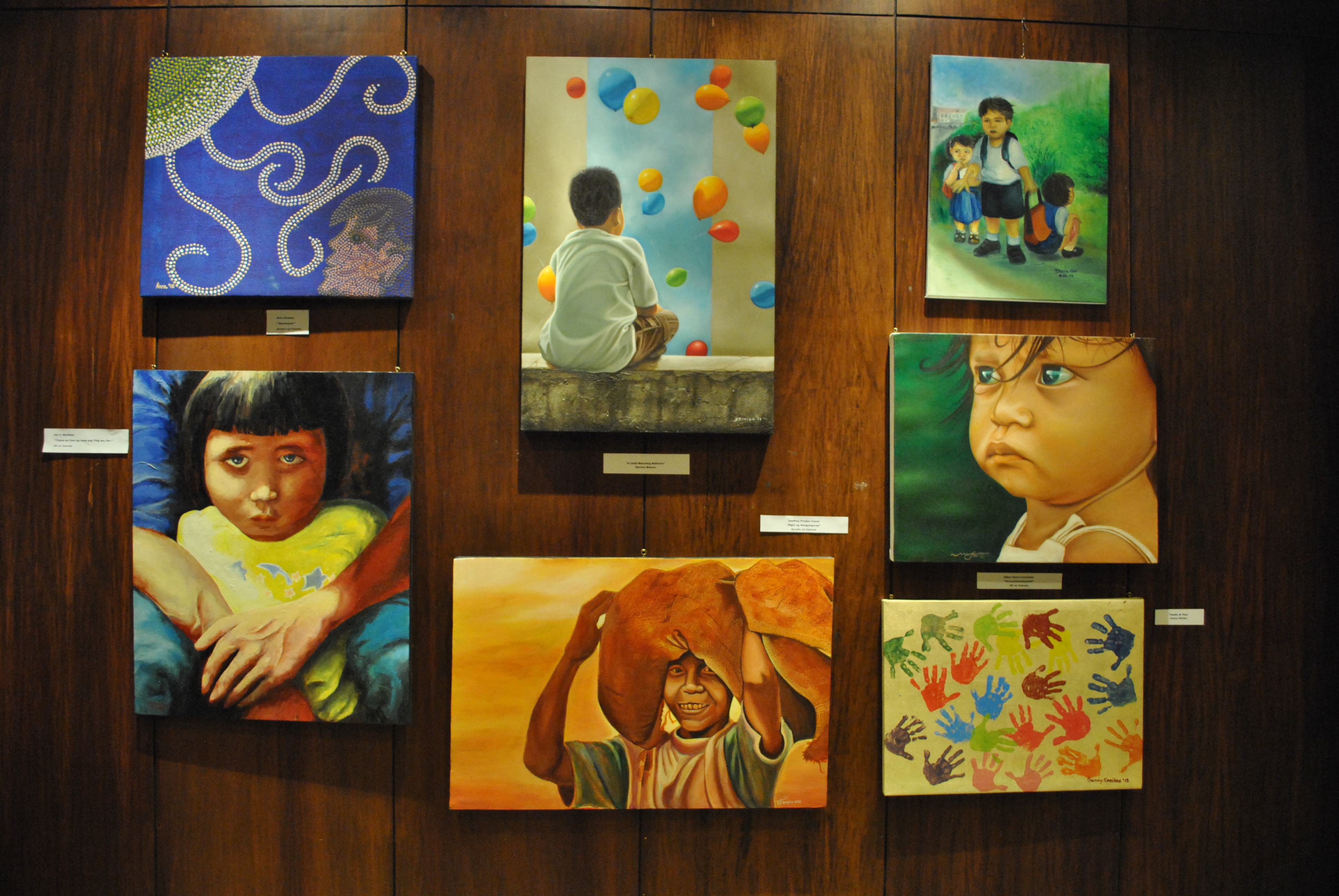
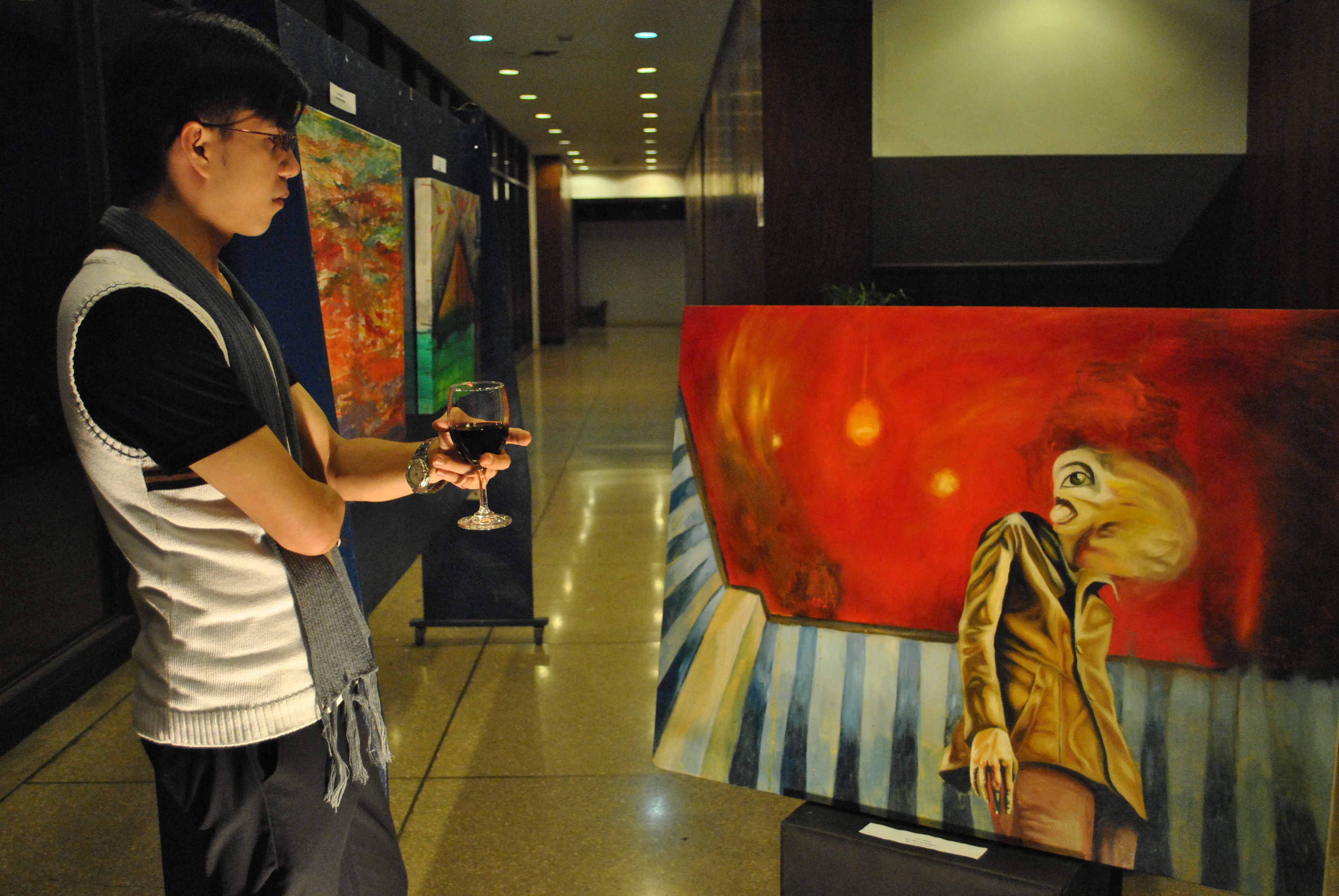
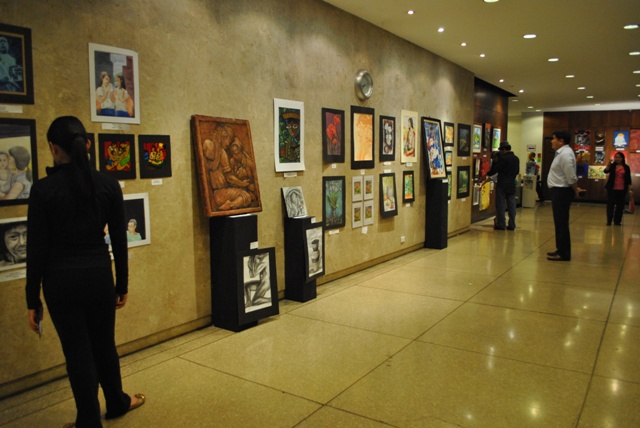
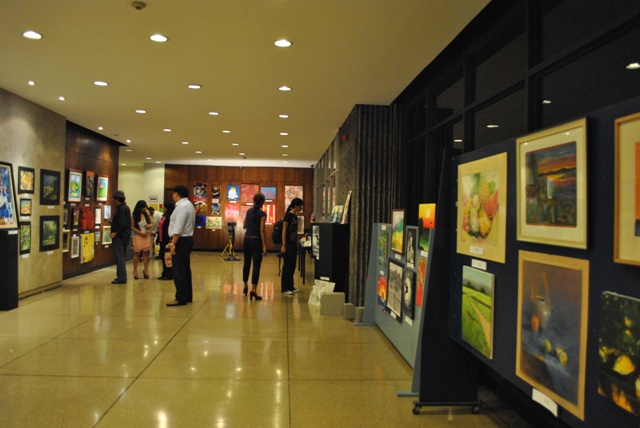
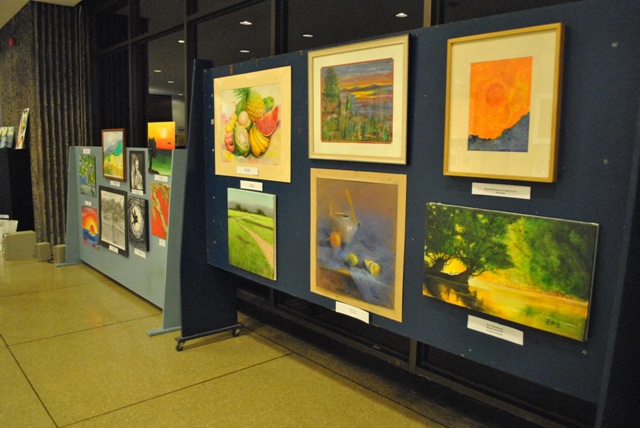
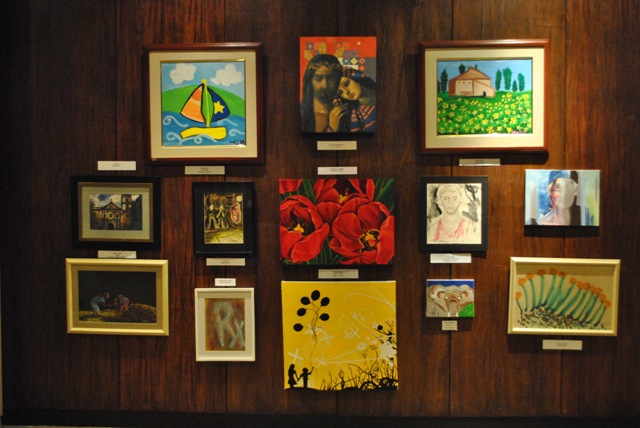
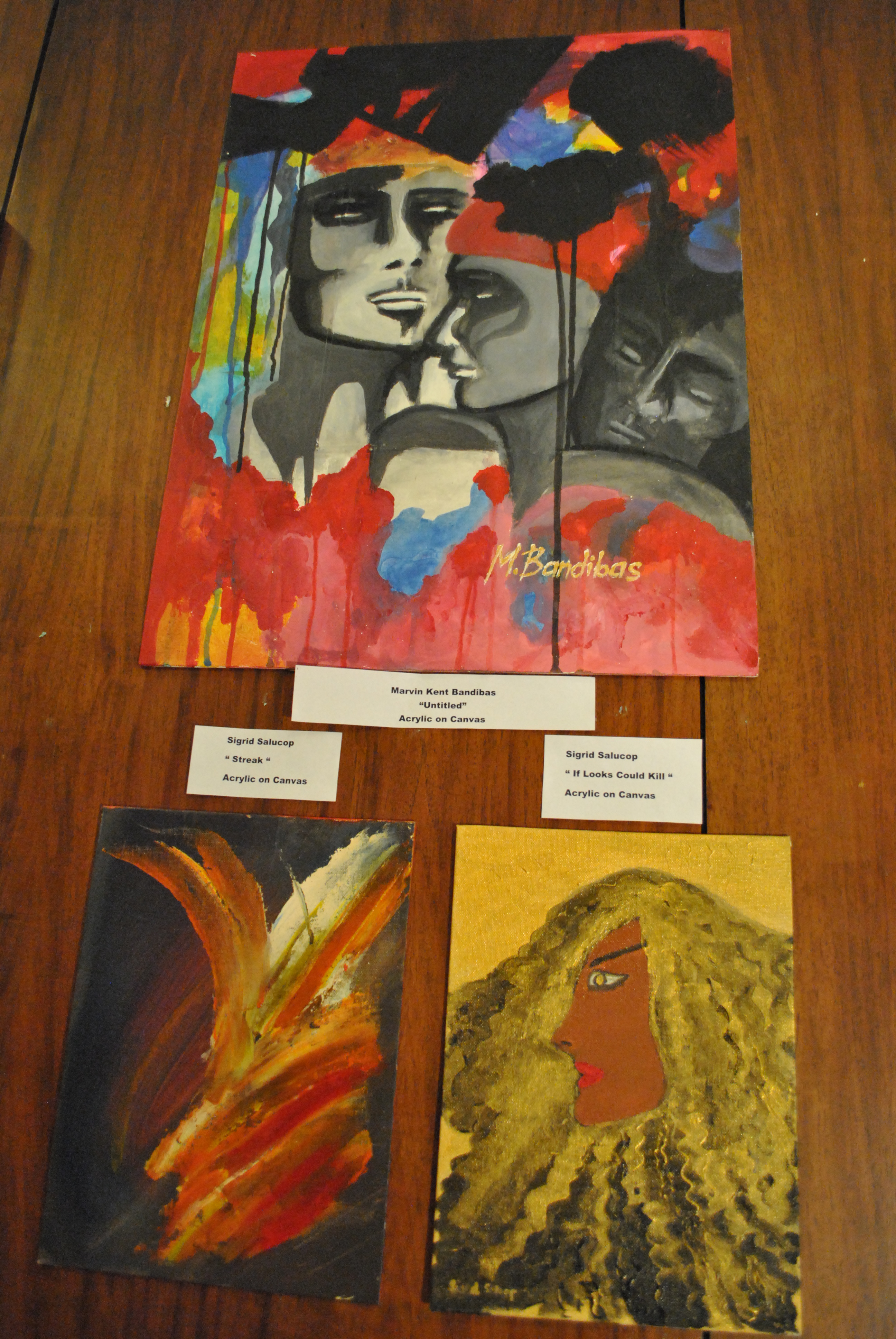
‘Sandaang Pintor, ‘Sang Damdamin (A Hundred Painters, One Passion) is a collaboration of over a hundred painters all over the Philippines to raise funds for the treatment of two ailing kids, Zack and Zoei, sponsored by the UP Diliman Delta Pi Omicron Sorority, where Sigrid is affiliated with.
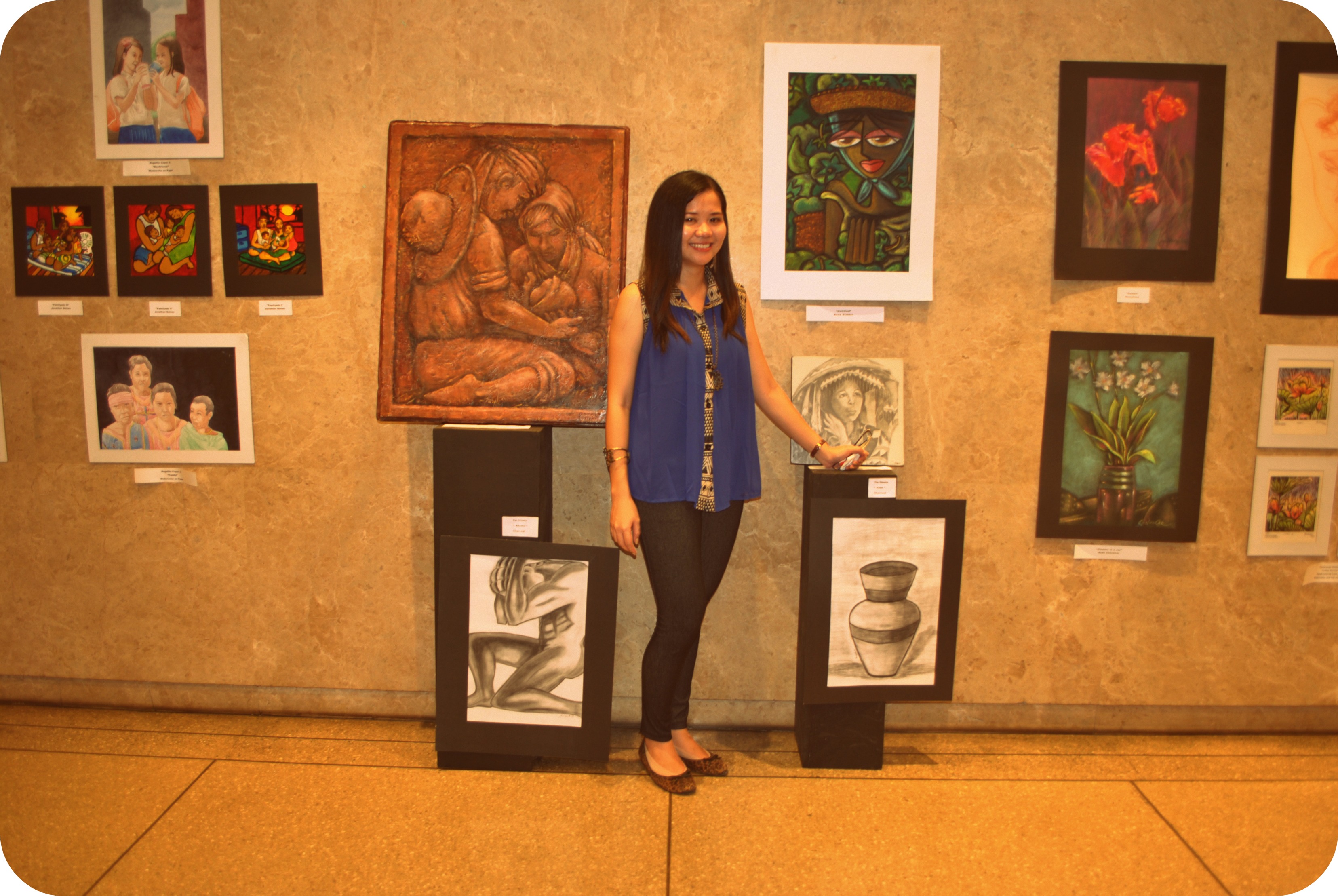
w/ my “Atlas” and “Banga”
I donated two of my artworks: “Atlas” (my first charcoal sketch on a big canvas) and “Banga.” It truly is a privilege to be part of a cause and be able to help in saving lives, most especially those of these young children.
I was able to attend the opening of the exhibit last December 6, 2012, at the PCPD Building in Taguig City and met my two great friends, UP DPO Sorority’s Lady Omicrons, Tish and Sigrid, the rest of the Omicron ladies, and other supporters of the event.
w/ the UP Delta Pi Omicron Sorority
Manny O Wines
Baguette
Chocos and Baguettes
Tish’s dear friend, Pat
The great news then arrived – someone bought one of my donated artworks. I felt like a teenager who just got his driving pass. 😉
Happy is an understatement to describe it, not only because I was able to help raise funds for the two kids, but also because I know they will have a greater chance of surviving. Honestly, I wasn’t confident about displaying my artworks since I had just started creating them. But, my friend Sigrid happens to be so good at convincing. 😀 And I really want to help.
This is an ongoing project, and if you would like to help, please visit the ‘Sandaang Pintor, ‘Sandaang Damdamin website and be part of this very good cause: http://www.sandaangpintor.com/.
From us, fellow supporters, our sincerest gratitude, and join us as we pray for Zack and Zoei’s healing and fast recovery. ❤
Though it was my second visit to Davao, I must say that the place never fails to amaze me, geographically and culturally. It was a trip to Talikud Island when I first visited Davao along with my co-workers, way back in 2009, as my supervisor was a “Dabawenyo” (a local of Davao city). But if there is one thing that differentiates this second visit from the first, it would be the visits to the schools.
With former office mates (2009)
Davao’s Talikud Island
Davao’s pristine waters
My second visit to Davao was with my fellow graduate students last February 16-18, 2013, as the field work is part of our requirements in our Socio-Cultural Foundations of Education class in UP Diliman. Before the trip, I already had my own expectations about the visit, i.e., what we would learn regarding the different educational systems that they have in Davao, what kind of classrooms they have, what kind of students they cater to, how teachers instruct students, what are the materials they use for teaching, etc. And as far as my observations are concerned, somehow all my expectations were met and even more.
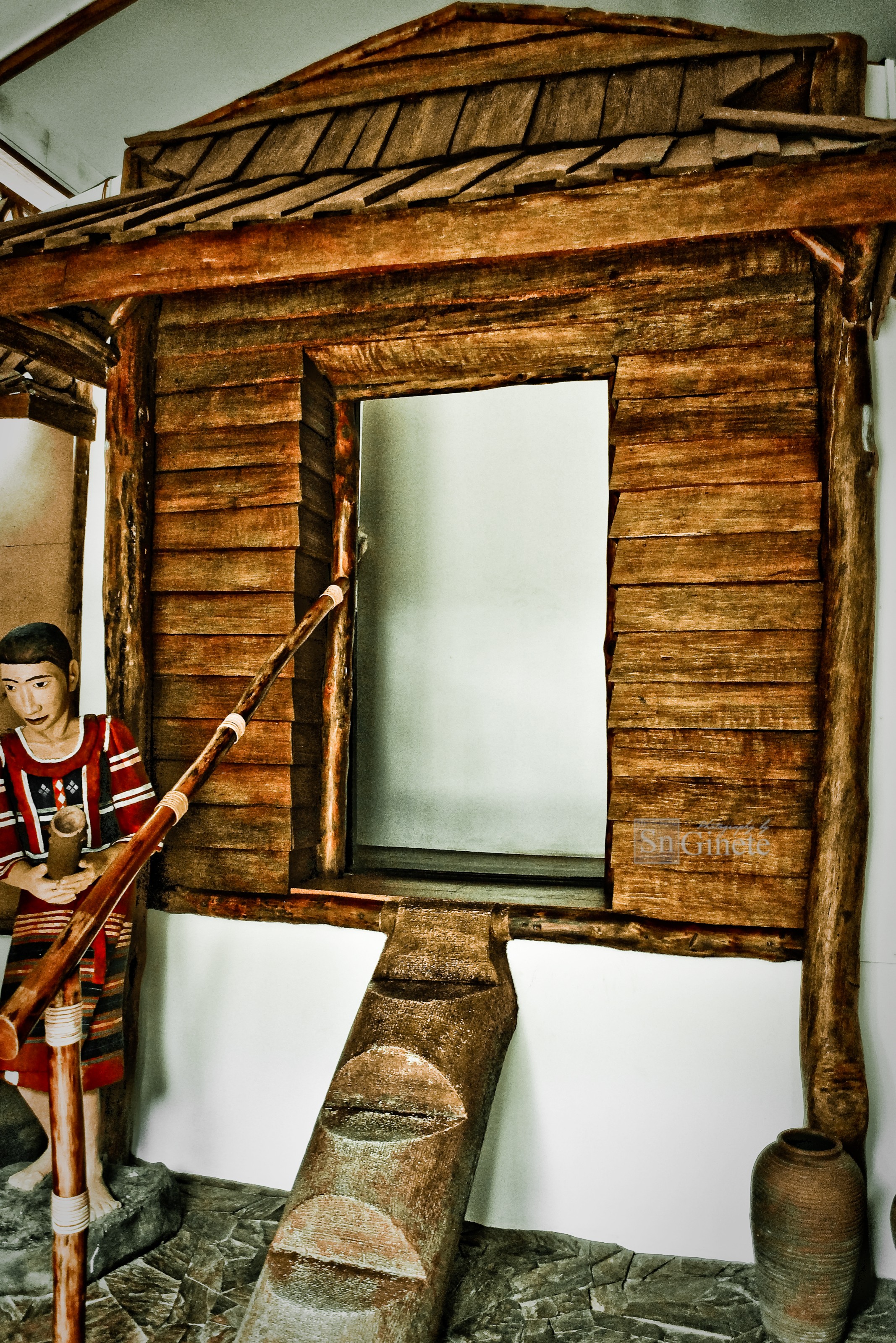
Pamulaan (Center for Indigenous People’s Education)
Pamulaan
If there is one thing that I find particularly significant about the educational systems in Davao, it would be the support, active participation, and involvement of the local government with regard to the implementation of the said systems.
For example, in the Badjao community, the ALS (Alternative Learning System) program provides opportunities for the settlers in that community to participate in socio-civic affairs, which would then allow them to raise their concerns and the issues that need to be dealt with i.e., health, source of livelihood, promotion of wellness for every family, etc.
But it posed one certain dilemma – the idea of culture slowly diminishing once the Badjaos were educated. I believe educators, through the mobile teachers, are not just sent out to the field to teach the basics of writing and reading to the people of the Badjao community, old and young.
It is also their responsibility to teach the Badjaos how to preserve their culture through the knowledge that they have acquired. For example, in folk songs, these can now be written and preserved for the future use of the next generation.
In the ALIVE Madrasah, for example, the children were taught Arabic, which preserves the native language by passing it on and teaching it to the younger generations. MTBMLE (Mother Tongue-Based Multilingual Education) also has the same aim, and in the class that I have observed, children are more receptive, they are more at ease when it comes to learning, and they do participate actively in the discussions.
The ALS at the city jail, however, may not be inclined to cultural preservation but it somehow shares the same vision to that of the E-skewala Program and the Open High School of the Davao National High School which look into holistic development of skills to those who may not have the same opportunities as what regular students commonly have.
Badjao community
ALS among Badjao children
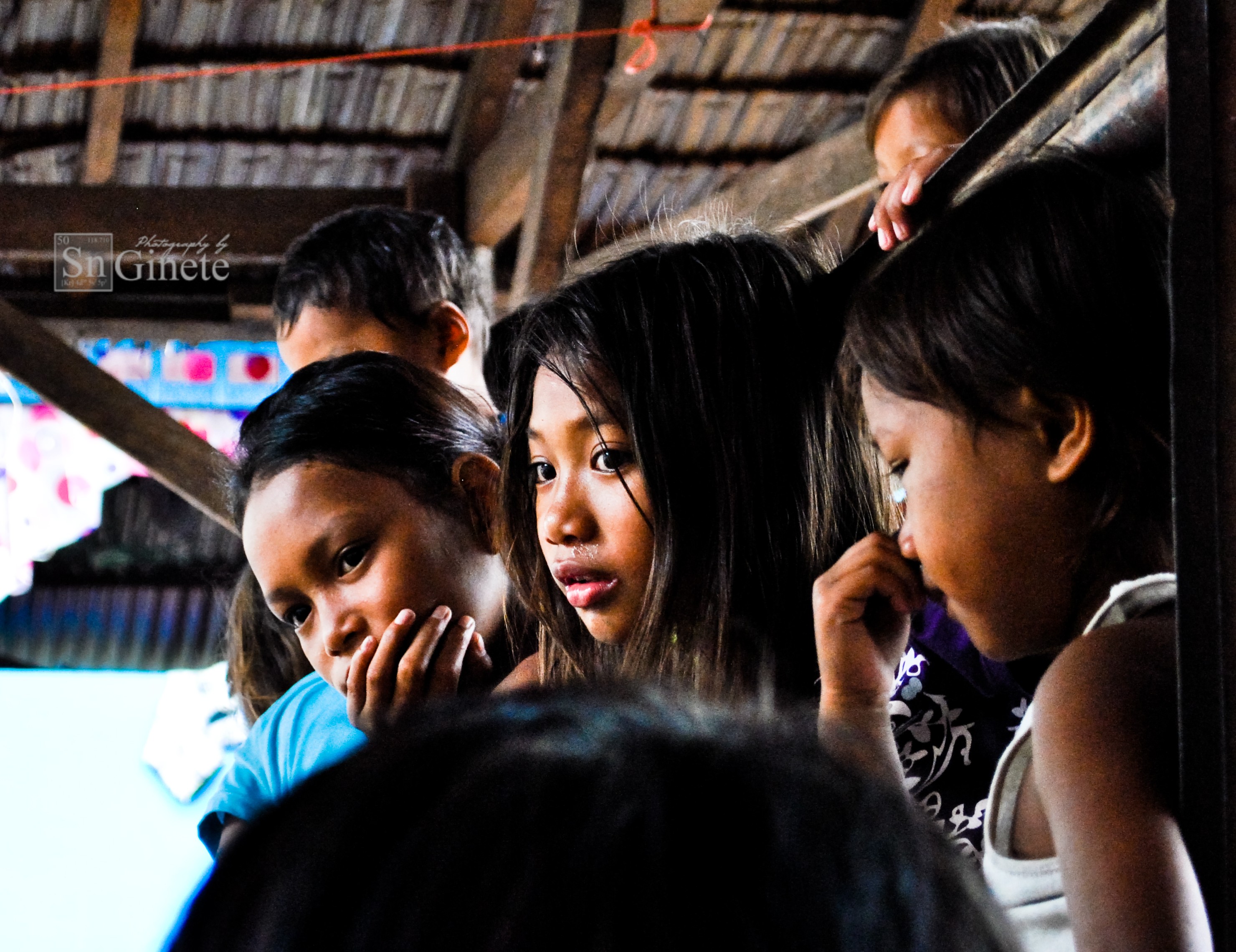
Badjao girl
All the educational systems that we were able to look into in the selected schools in Davao hold one very good vision, which would benefit all, both the indigenous groups and the non-indigenous groups. I see this as satisfying one very important goal and should be the main goal of every educator and every educational system – breaking down barriers when it comes to providing opportunities in terms of knowledge acquisition, cultural ventures, and holistic development of every learner.
The Pamulaan College and the ALS at the city jail are very promising projects, considering that learning is not held in a regular classroom setting/school. It posits greater challenges not just for the educators involved in running the program, but also to the learners themselves.
Indeed, the society, as a whole, has a huge part in making the program a success. For example, in Pamulaan College, one challenge that I see in the implementation of their mission is considering how open the society would be when it comes to promoting culture and passing it on by teaching the cultural traditions, beliefs, and practices to the younger generation.
The idea may sound interesting to foreigners and those who are not particularly in the area, but will the locals themselves voluntarily participate in promoting the advocacy, or will they do so only because it was required by the city government of Davao? It is imperative in every advocacy/mission that they aim for the system’s success, recognizing that its success depends entirely on community involvement, not only on satisfying the goals set by the supporters and the organizers who run the program.
I would also like to emphasize the career opportunities available to the college’s graduates and whether they will continue to devote themselves to promoting the college’s aims after graduation. As for the ALS in the city jail, it is a huge responsibility not just for the educators but also for the government agency involved with the project to make the program not just a one-time, testing project, but ensure its implementation will remain consistent regardless of who holds office, both in the department of education in Davao and the local government.
I have observed that when it is time to change officials, the problem lies in keeping the projects running implemented by the previous officials and maintaining consistency. Newly elected/ appointed officials also would like to raise and push through with their own projects regarding the educational system and society in general.
It remains a greater challenge to achieve a very good collaboration between the local government and the educators for these programs to push through. Any difference between the two when it comes to promoting projects will and can affect the status of the implementation of said programs.
Learning the culture part is where leisure would come in. Yes, the less serious part. I must say that our dissecting Davao’s educational system started and ended on a very positive note.
And to cap off the 3-day field work, we have decided to tour around Davao City’s local hot spots on the last day of our stay there. If there is one thing I can say about Davao’s cuisine, it may not be far from the regular dishes we have in Manila, but the recipes have a slight twist to them that makes them truly Dabawenyo.
Davao Restaurant
Davao Restaurant
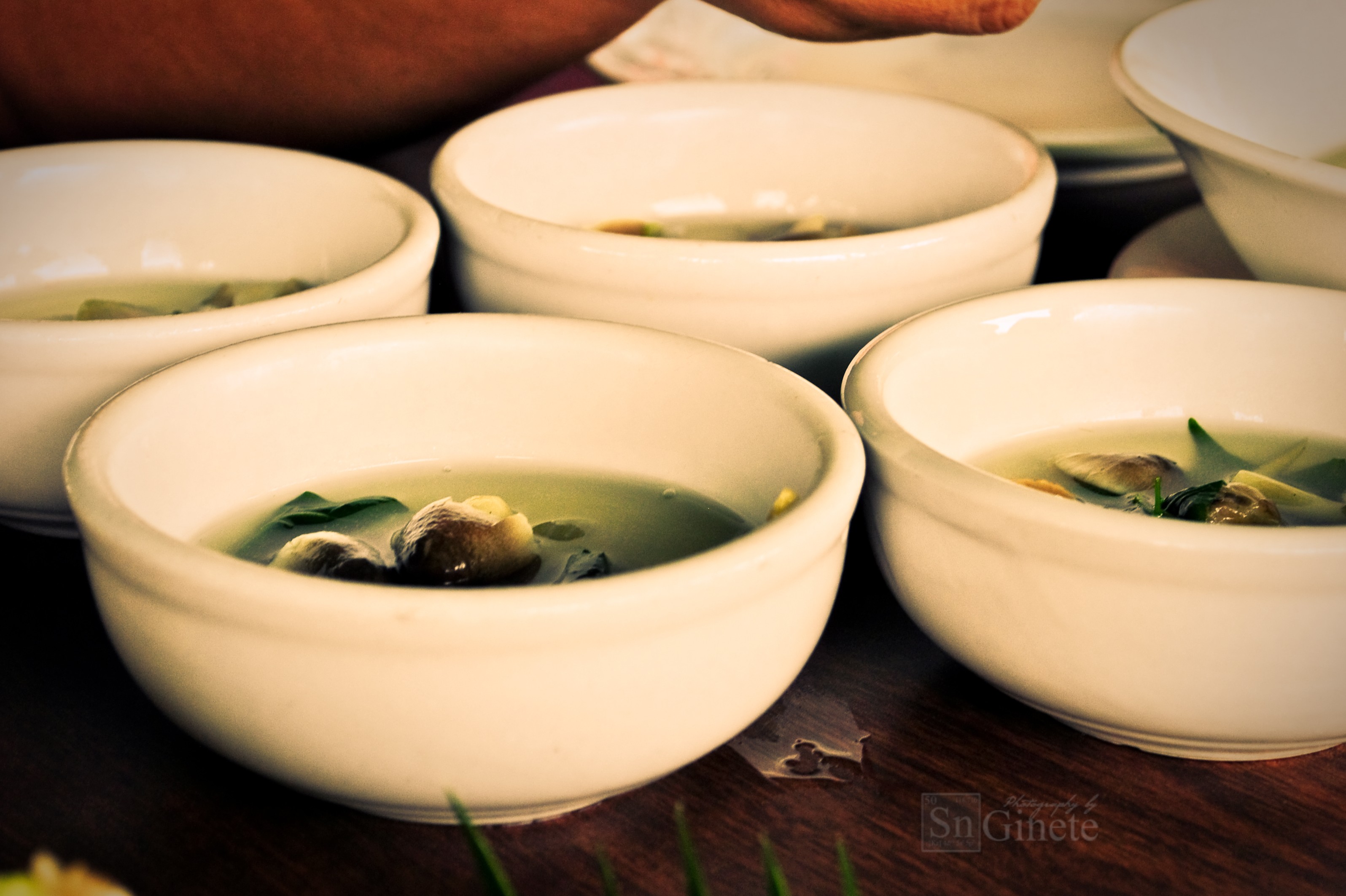
Davao Cuisine
Davao Cuisine
Jack Ridge’s Restaurant
Jack Ridge’s Restaurant
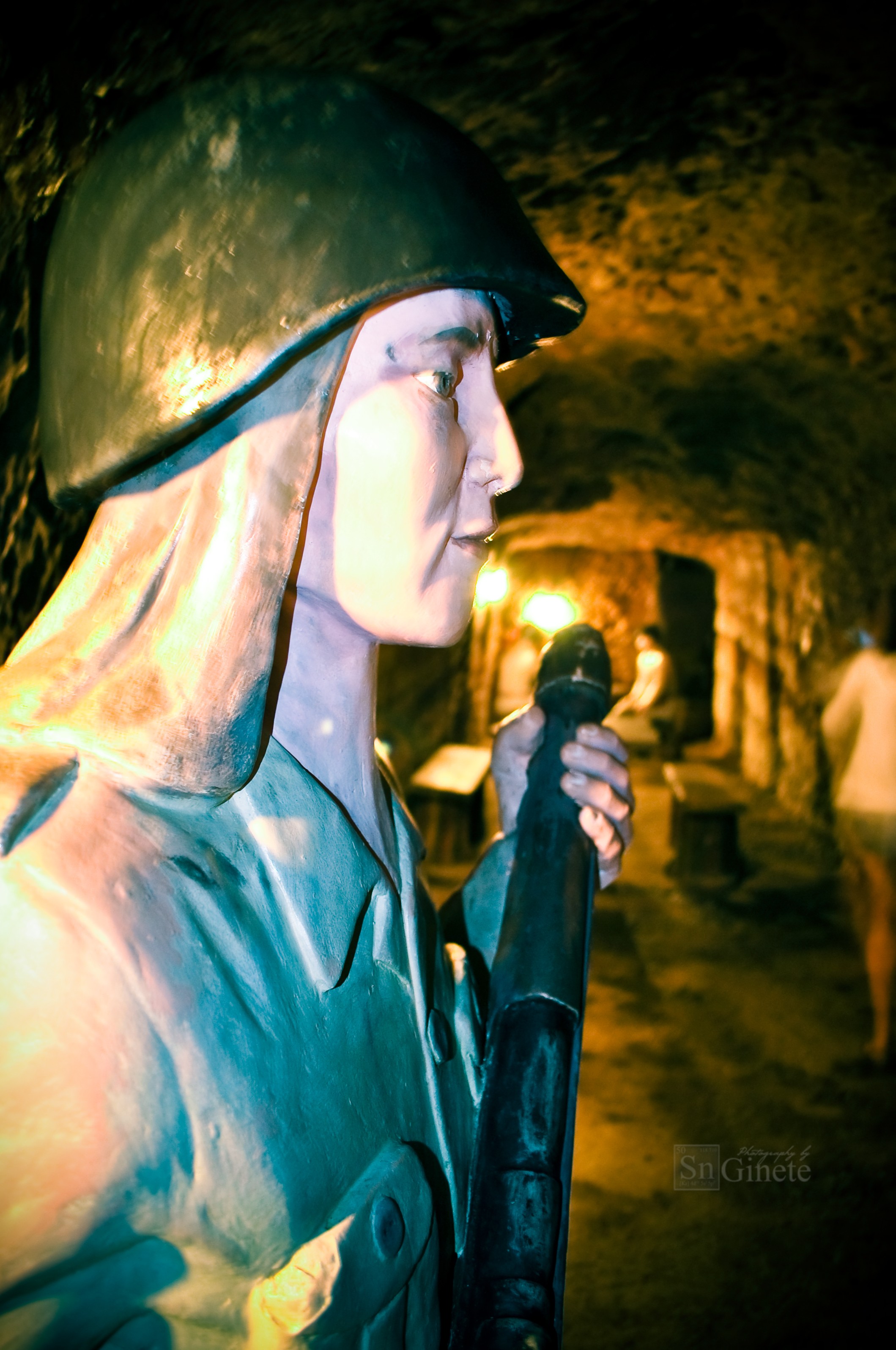
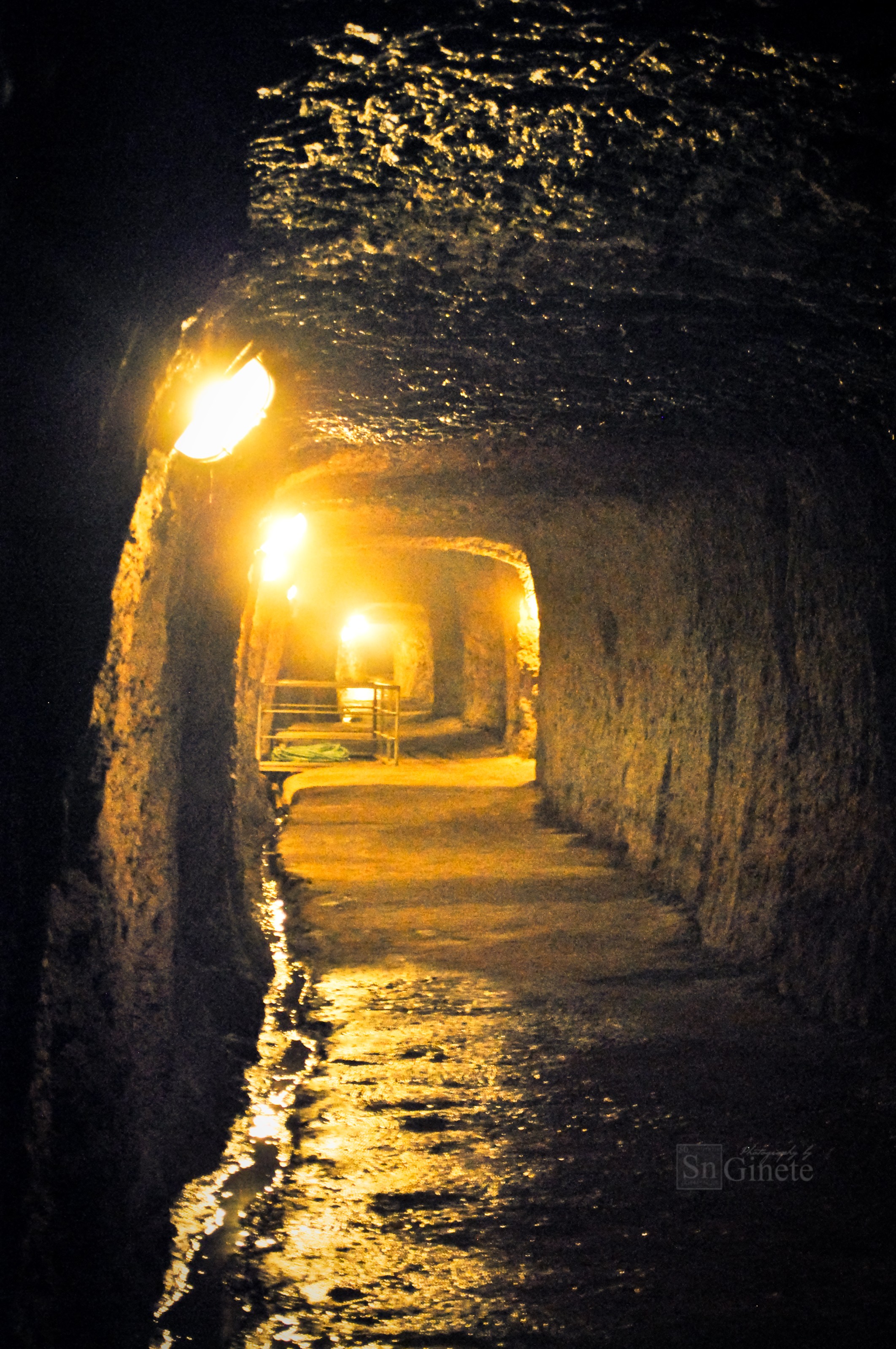
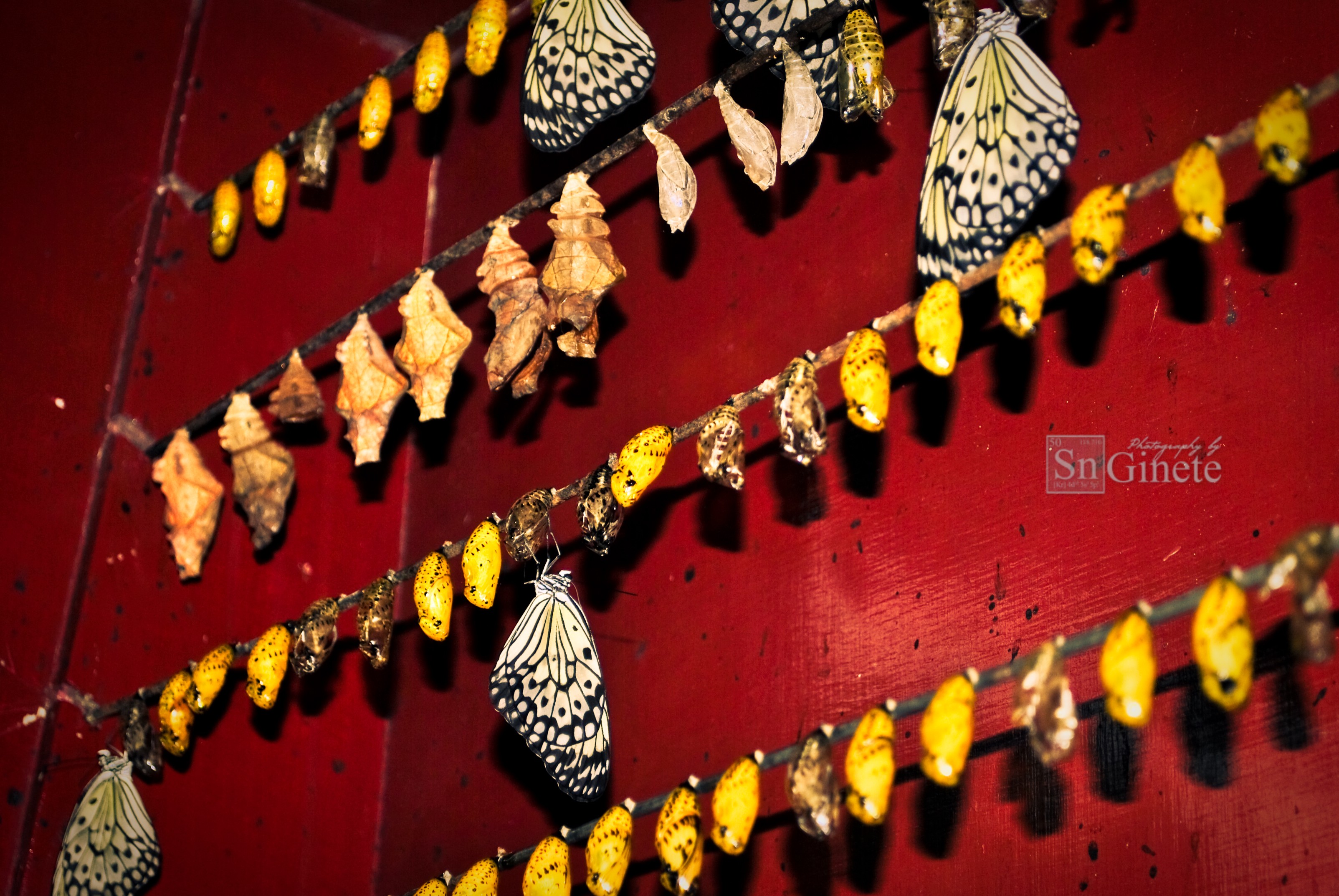
We were able to visit tourist attractions such as the Crocodile Park, the Butterfly house, and the Japanese tunnel, which all contributed to our having a very fulfilling field work/vacation. I may have been to Davao more than once already, but there will always be something more, something new, and something exciting to look forward to in Davao City. Yes, 3 days are not enough for me to completely acquaint myself with the place and learn more about its culture.
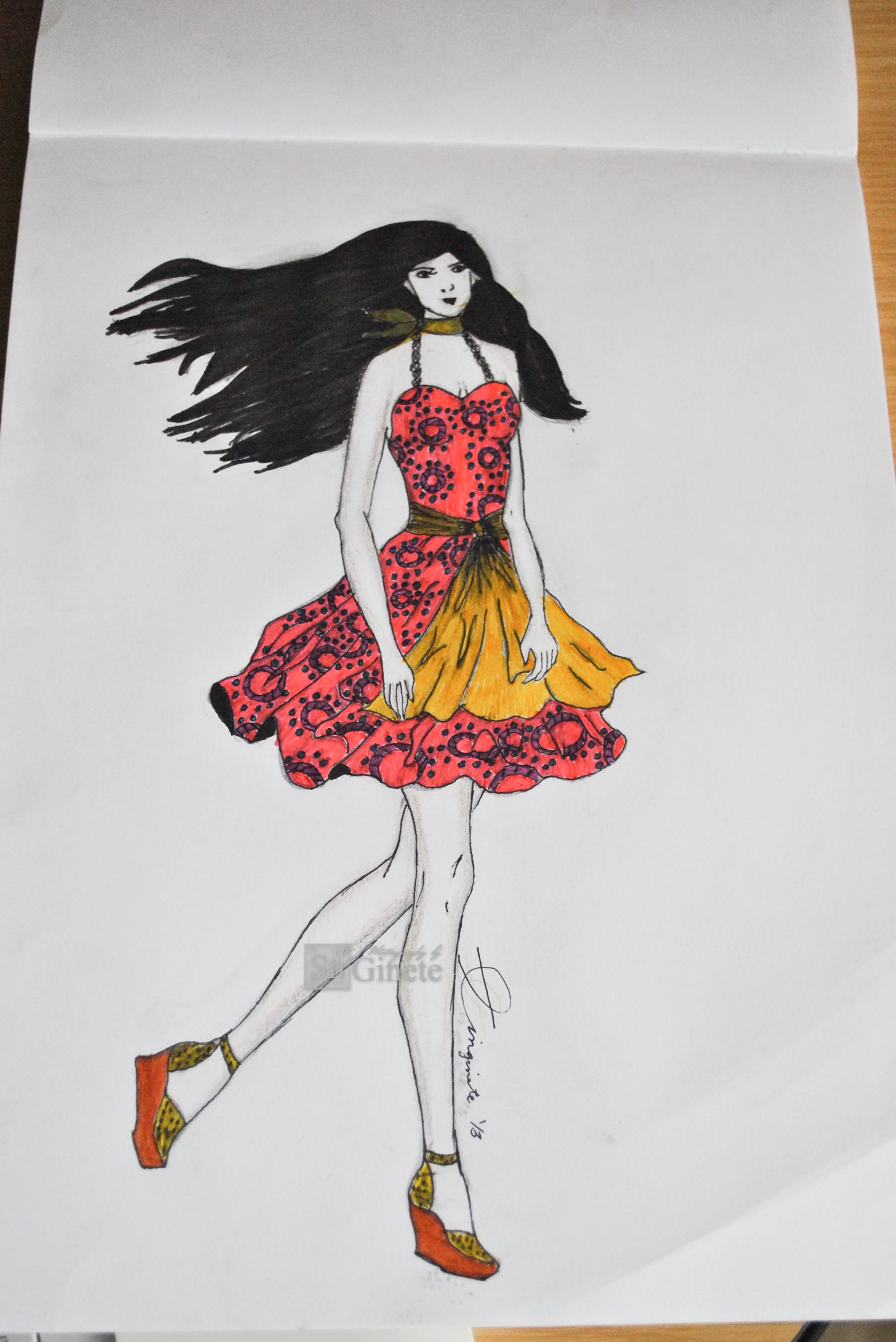
This is a workshop that inspired me even more to create another fashion design creation like the one below:
Pink and Blue Dots and Circles
“Fashionably fun.”
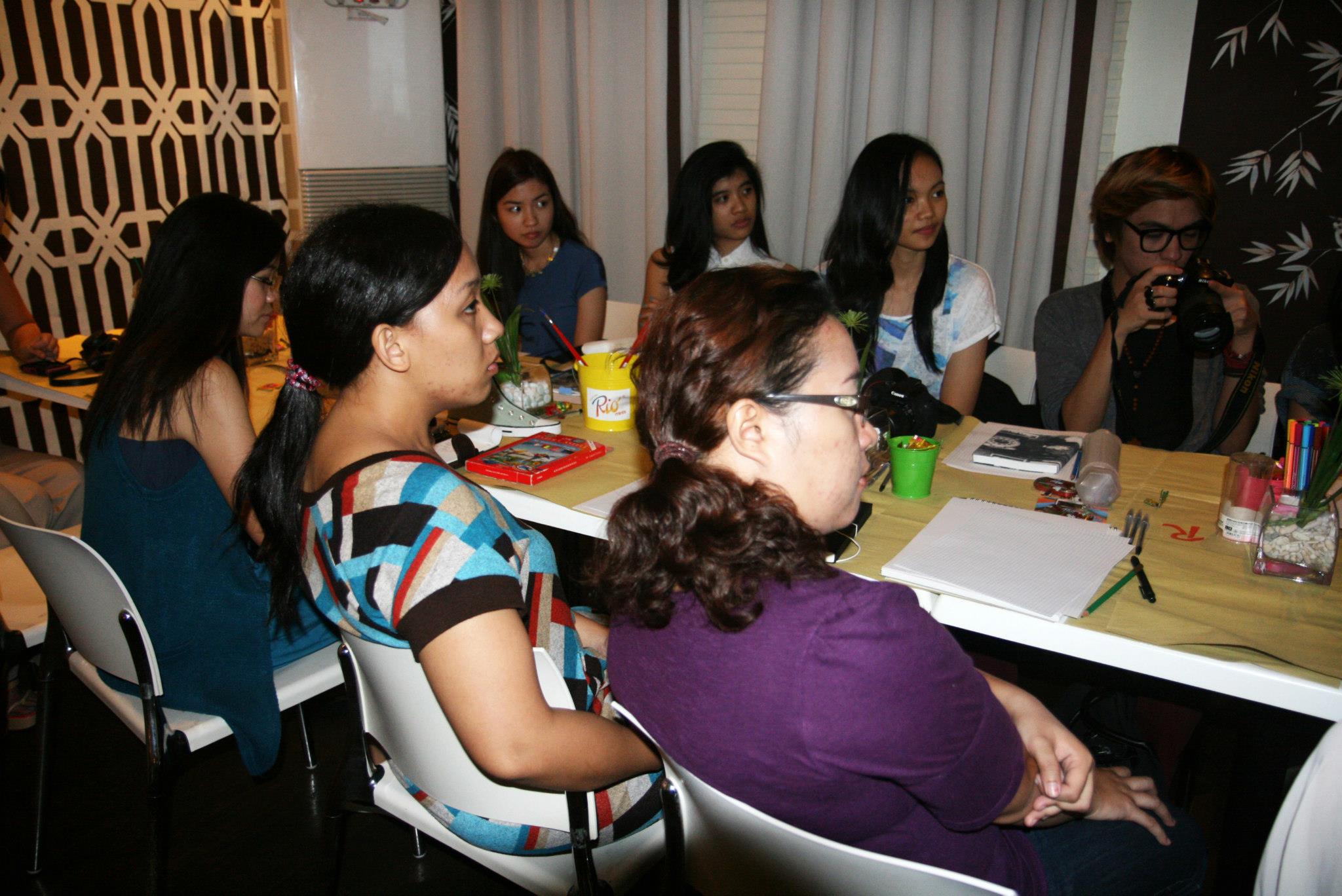
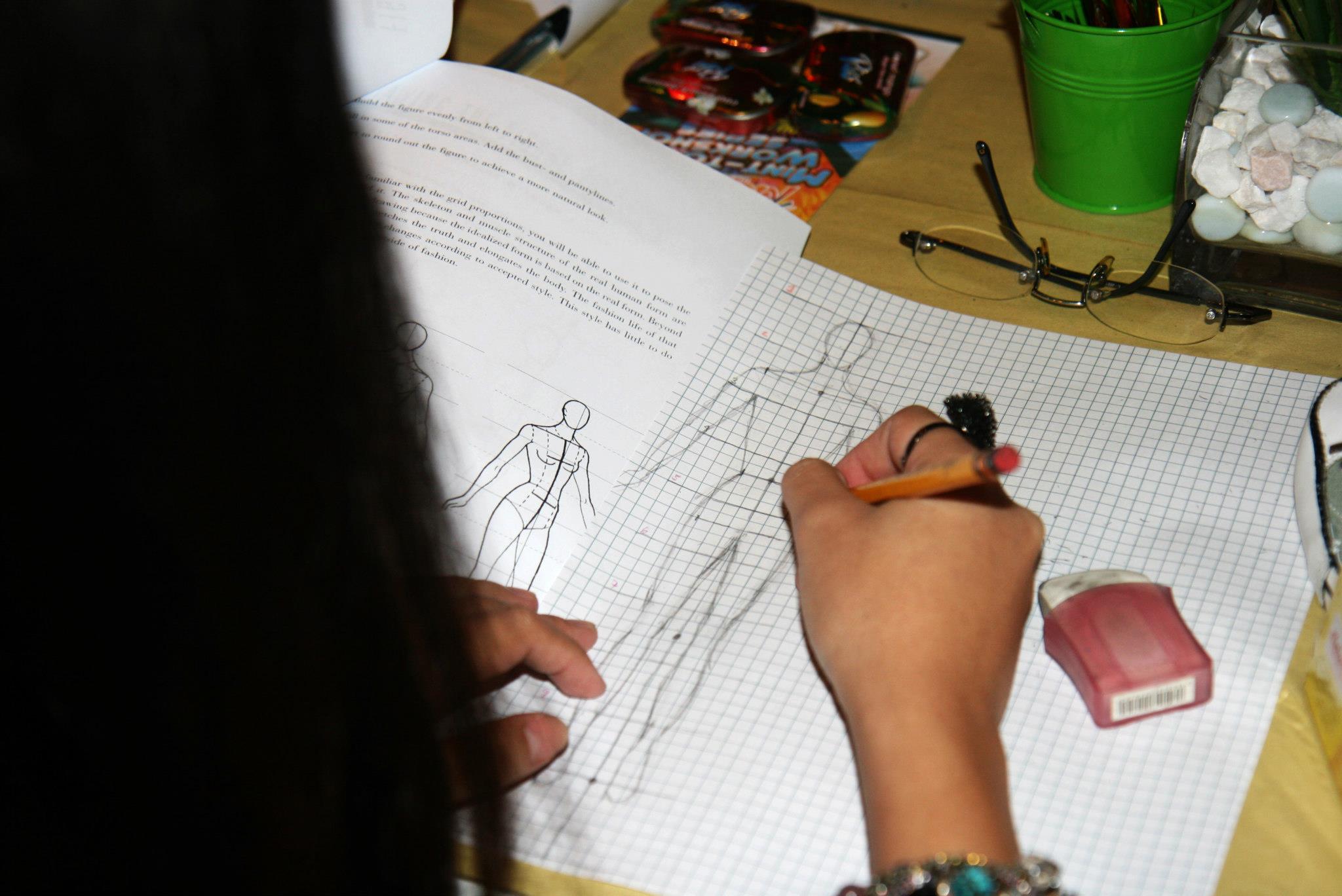
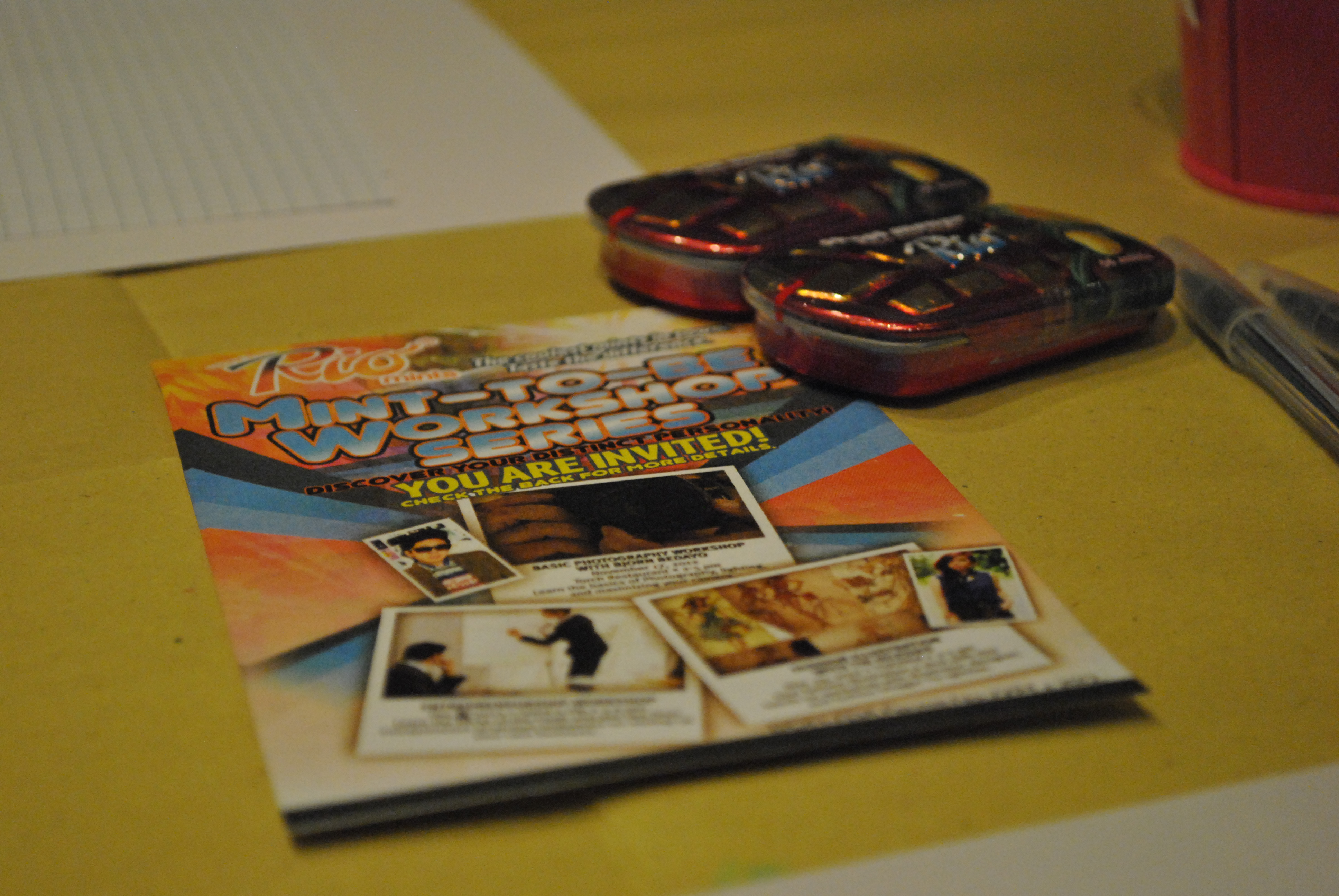
That would definitely describe the experience I had during the Fashion Illustration workshop of Ms. Tin Iglesias sponsored by Rio Mints at Thaipan Restaurant last November 24, 2012. It was a spectacular afternoon of colors, lines, food, and lots of fun. This was the first fashion illustration workshop I have attended, and I must say that I have never enjoyed an occasion as much as I have enjoyed this workshop, wherein I barely knew the attendees.
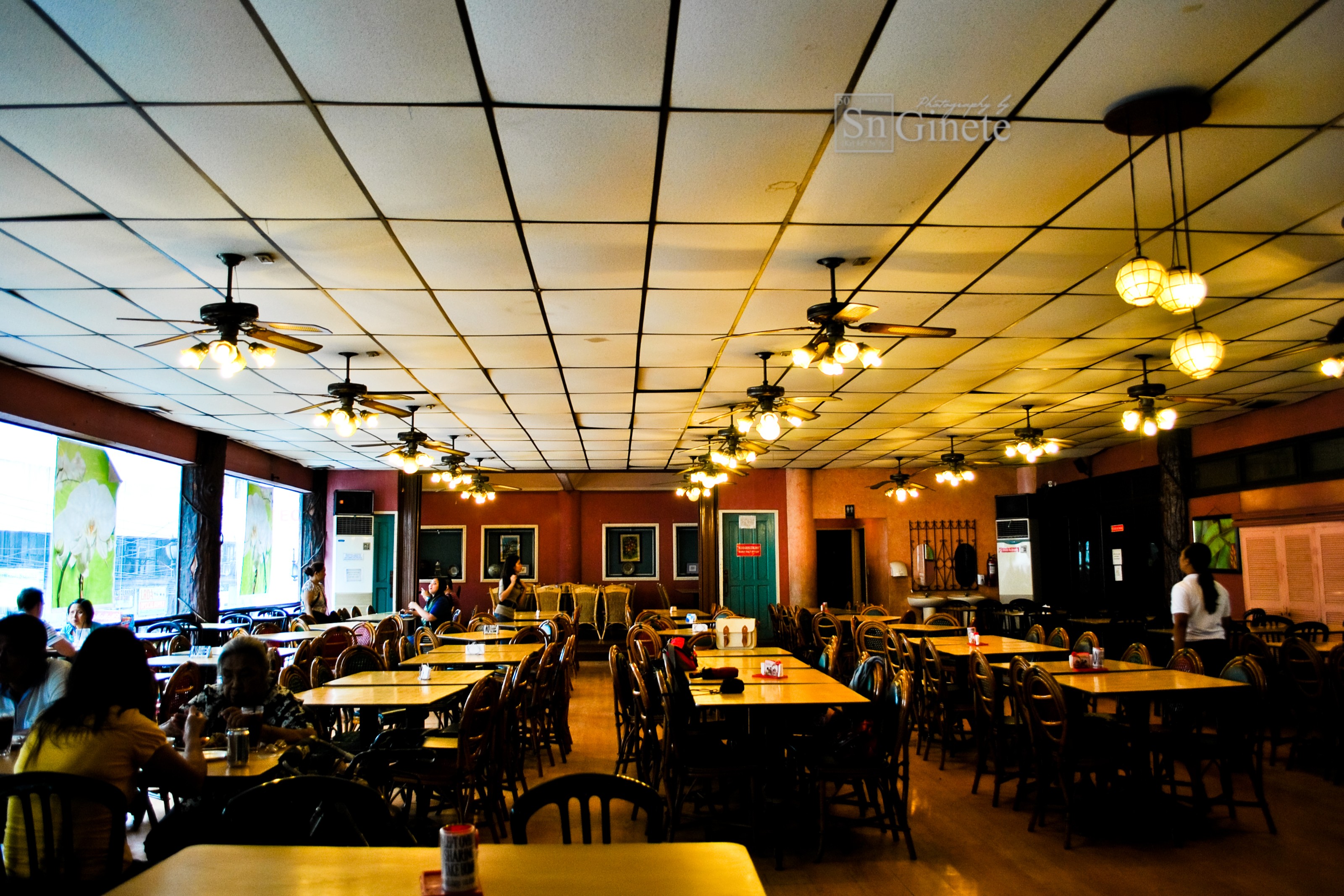
Thaipan Restaurant
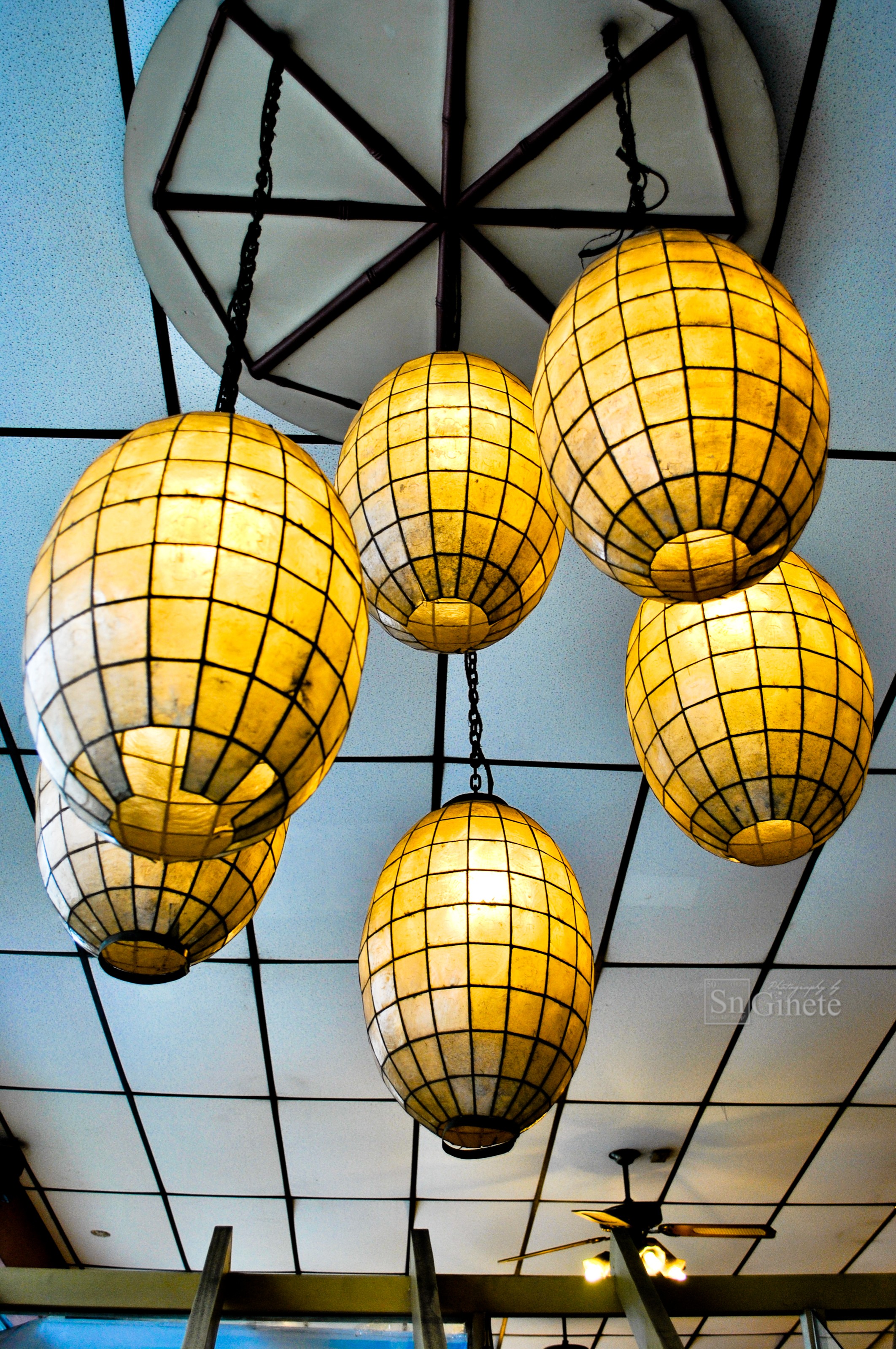
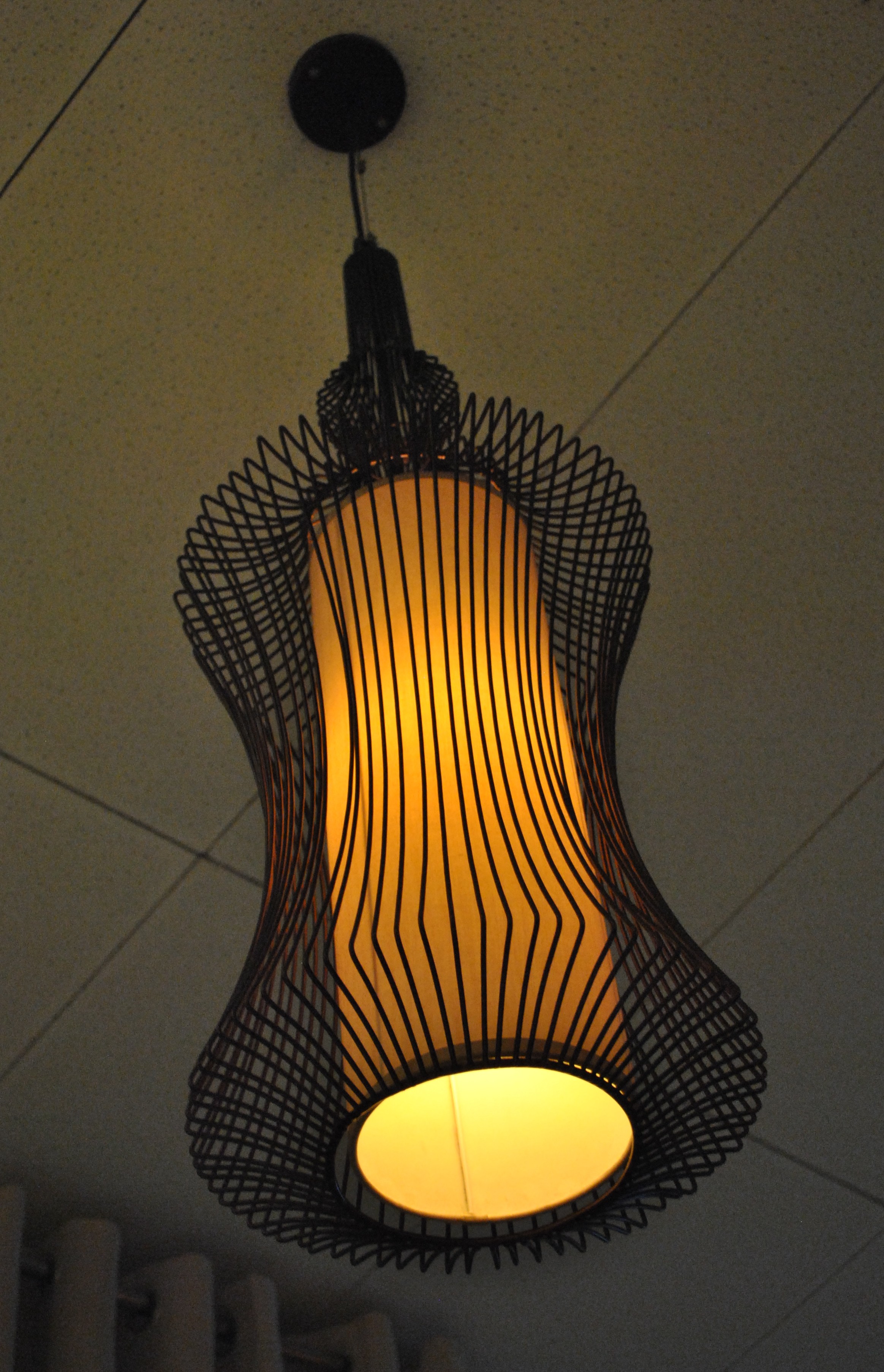
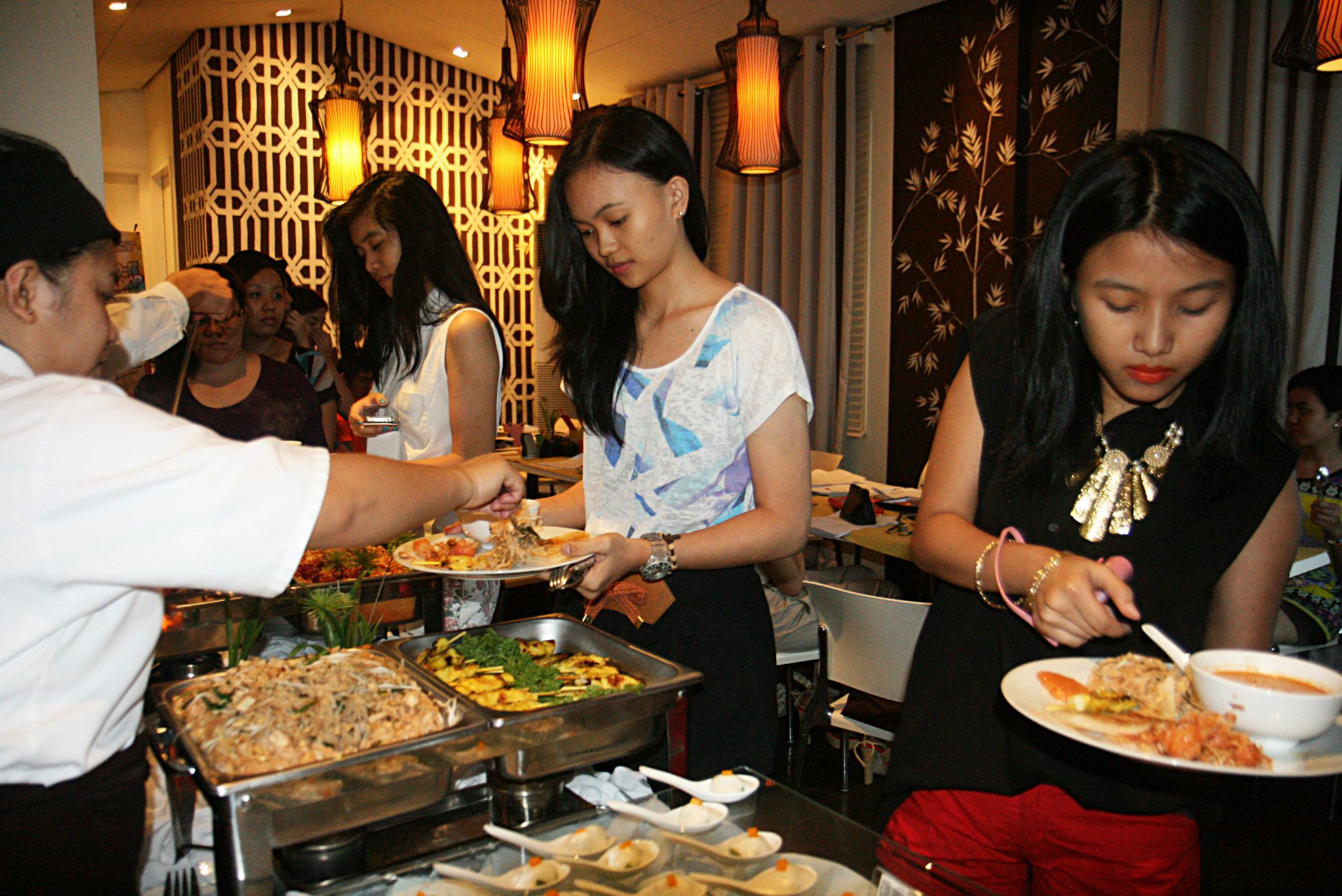
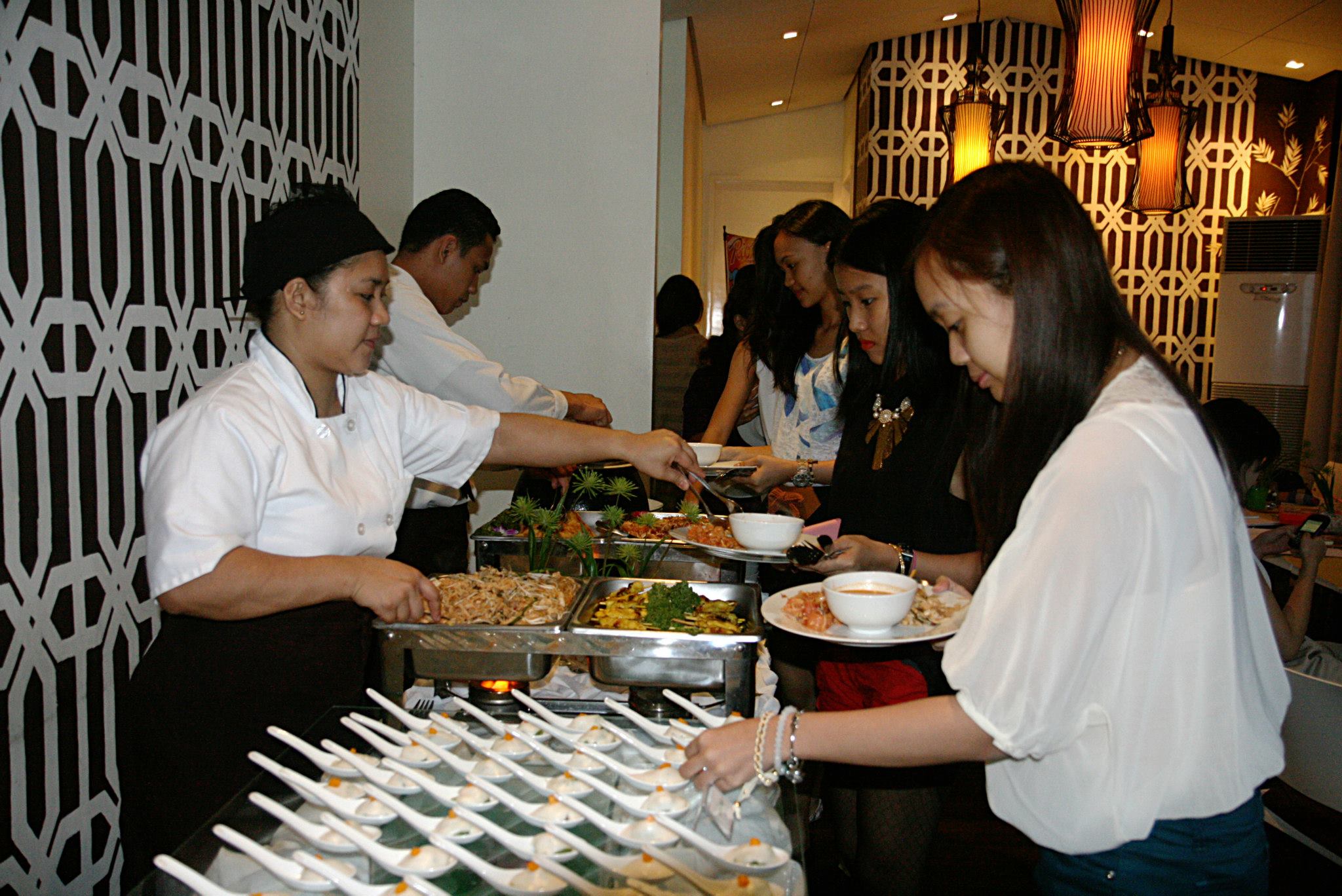
The workshop was even made more fun by the perfect ambiance of the restaurant, which is located at Tomas Morato in Quezon City. The interiors are just so cozy with all the soft, mellow light from the hanging lamps, and of course, how could I forget the delicious Thai meals served while we were drawing.
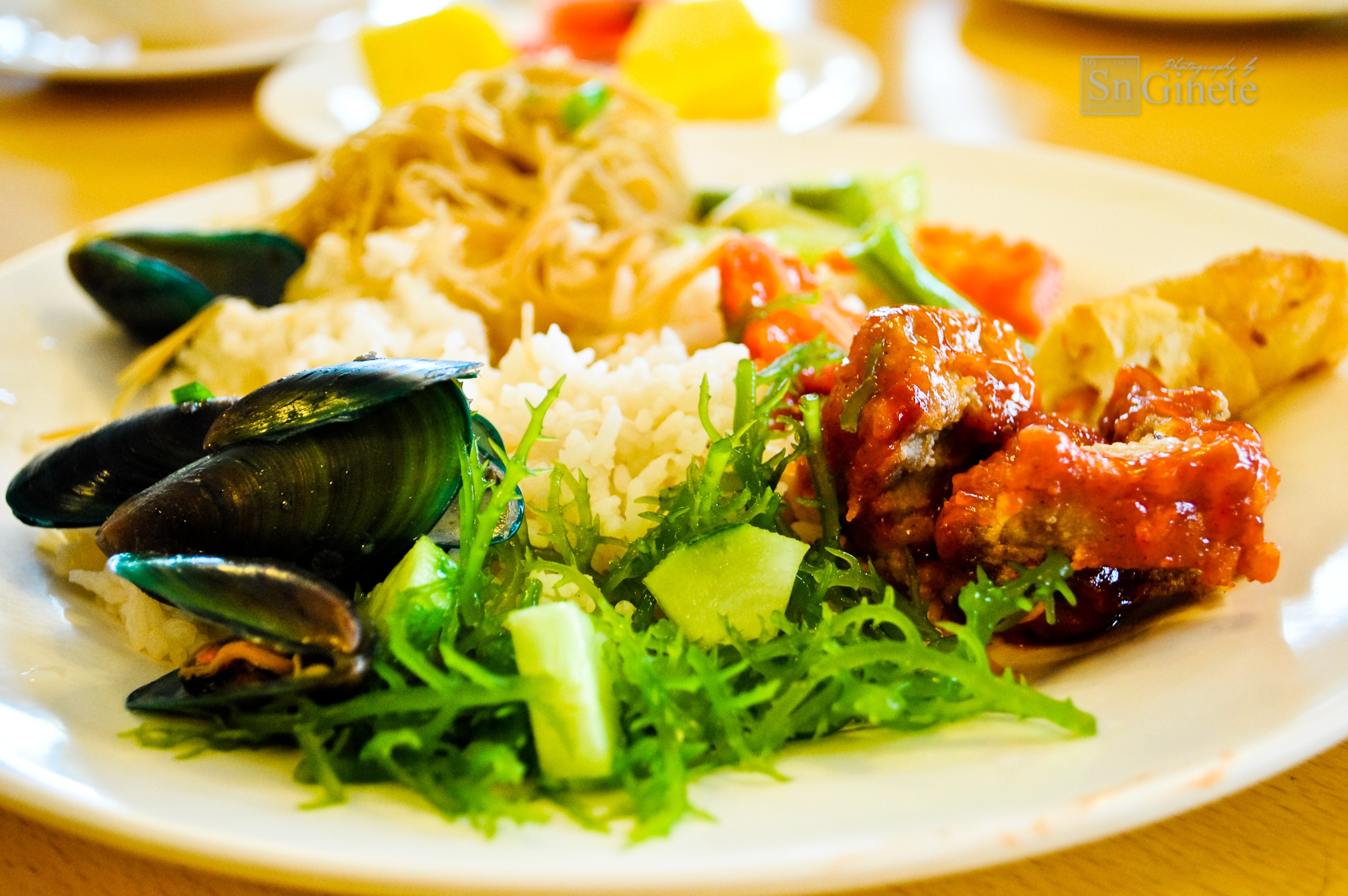
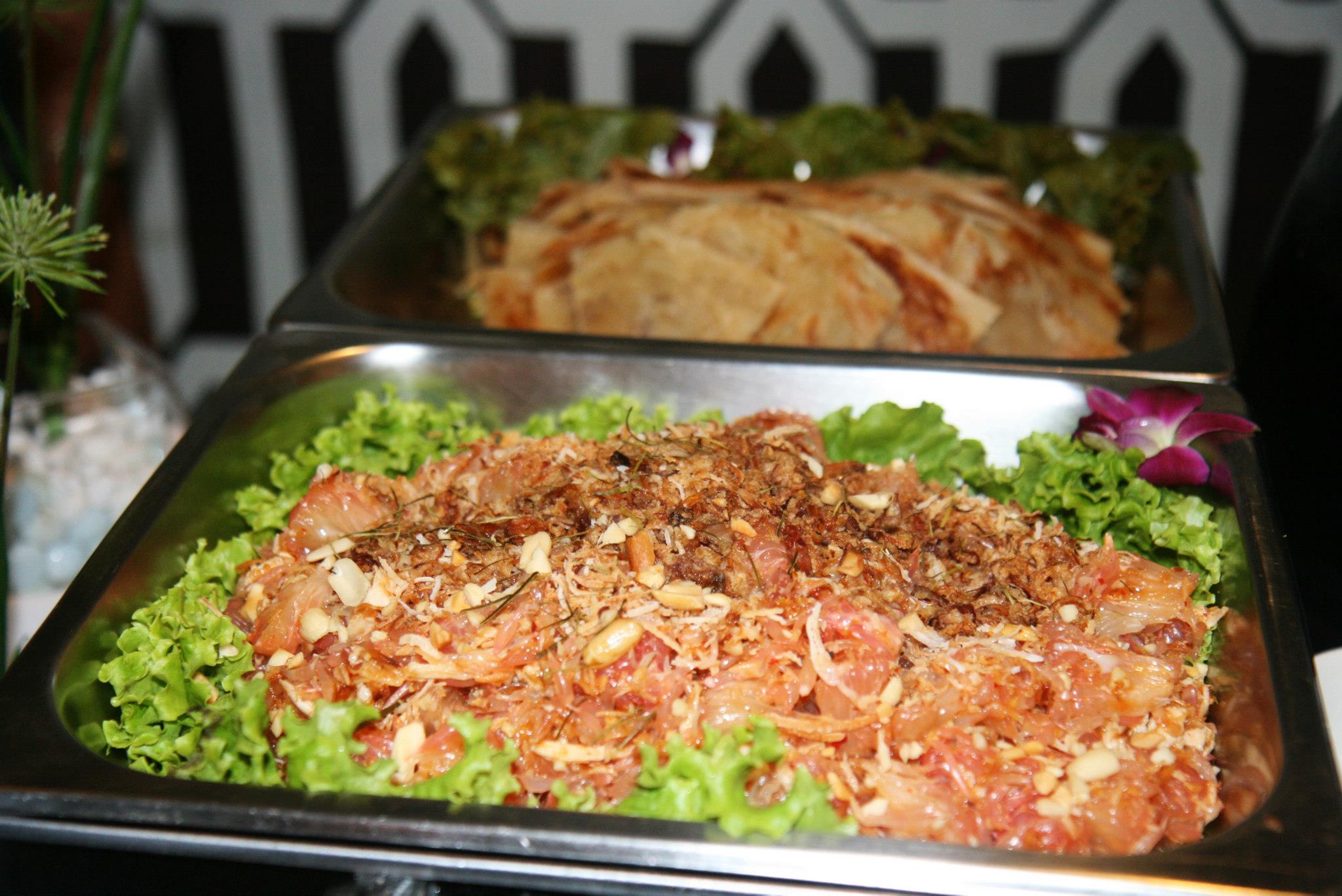
Although it was not my first time tasting Thai cuisine, I must say that it never fails to please my appetite. If I am to rank the ambiance and the food, I must say that I will give it a perfect score of 5, 5 being the highest and 1 being the lowest. The place is just suitable for any small group meetings as the limited space makes it more convenient and cozy for the attendees to socialize and acquaint with one another.
Thaipan’s Hanging Lamp
Thaipan’s Cuisine (www.facebook.com/riomints)
Thaipan’s Dessert (www.facebook.com/riomints)
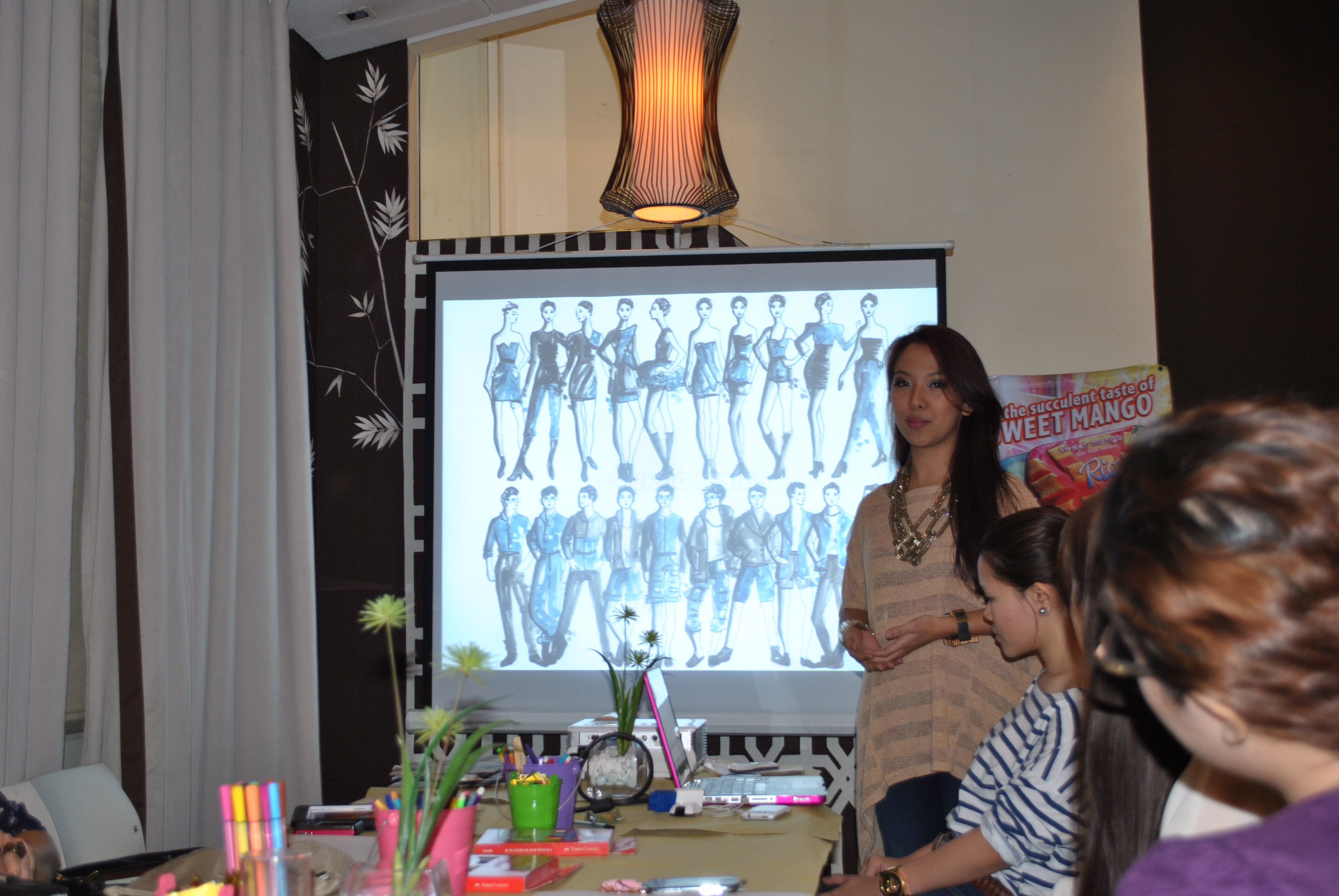
The workshop started with a short introduction of the speaker and host, Ms. Tin Iglesias. She is a graduating BS Clothing Industry student at the University of the Philippines, Diliman. But she has already been invited to numerous fashion events and featured in several fashion magazines, both local and abroad. She has also received several fashion awards and has been making a lot of fashion designs for clothing companies here and internationally.
(www.facebook.com/riomints)
tiniglesias.com
Tin Iglesias
After the introduction, Ms. Tin showed us a few of her artworks. And here they are, lifted from her website (tiniglesias.com):
tiniglesias.com
tiniglesias.com
tiniglesias.com
tiniglesias.com
tiniglesias.com
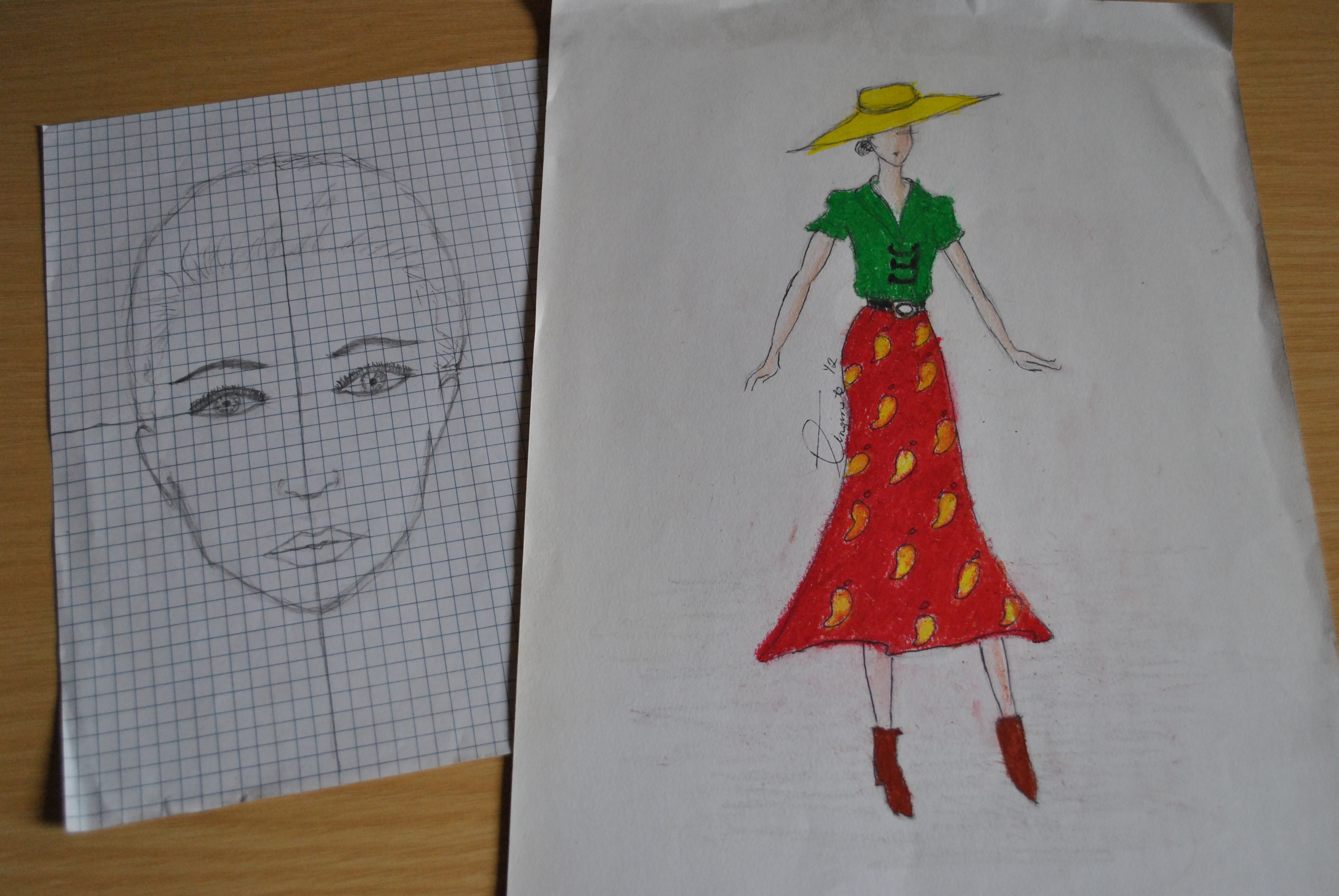
Truly talented – I know that is what you are going to say upon seeing her artworks. And at such a young age, I could not help but admire her and admit that she is going to make a big name and be among the best in the fashion industry. Afterwards, we were then given the chance to create our own fashion illustration after learning the basics of figure drawing and portrait sketching.
Fashion Illustrators
basic figure drawing
my output during the workshop
All I can say afterwards is this – MAGNIFIQUE! I am looking forward to yet another Fashion Illustration/Fashion Designing workshop with her. I never thought that fashion could be made as exciting as this. And the best part is, I got to meet other fashion enthusiasts who are passionate about bringing today’s fashion to a whole new level. ❤
Me and my friend, Jeai
Me, Ms. Tin Iglesias and Jeai
Fellow fashion aficionados with Ms. Tin
Fashion Illustrators
Thank you Rio Mints, Ms. Tin Iglesias, to my fellow fashion aficionados/artists and of course, to my ever beautiful friend and herself a fashion icon, Jeai, for this wonderful opportunity. Thanks to Thaipan Restaurant for the delicious Thai cuisine as well. 🙂
Until the next fabulous fashion event my fellow fashionistas!
A beautiful, intricate pattern in one of Zamboanga City’s shawls made of fine gold threads. One of the exquisite designs ever made – definitely a work of art. 🙂
No. I wasn’t arrested. Just in case you are wondering. 🙂
It was my first time being in jail. I was nervous. I have always thought of prisons in a very negative manner – a correctional facility for the “bad guys” of society. I expected to see and experience the worst – prisoners taunting us, throwing things while we are looking around, screaming, a dirty environment, and prison cells.
That was before I entered the compound of the Davao City Jail. When I got inside, I was surprised. I saw colourful homes with curtained windows, flowers, plants, trees, and a pavilion with a stage decorated for a program. I saw women sweeping the yard, washing laundry, creating and weaving handicrafts – it doesn’t look like a jail at all.
Yes, the jail wardens referred to the jail houses as “cottages” and the prisoners as “bakasyonistas” or “tourists.” Their quarters are indeed small cottages, and if you weren’t informed beforehand, you might think that there is a small community inside. Except that the settlers are all women, a correctional facility for female prisoners.
Slowly, I became more comfortable as our guide, who happened to be one of the prisoners also, toured us around and explained what the “bakasyonistas” are doing, what the particular cottages are for, and how the system in that community works. Our purpose for the visit is to learn about how they run the program on ALS or Alternative Learning System as part of the requirements in one of my classes in my graduate study at the University of the Philippines in Diliman.
The ALS aims to provide opportunities for these women to study and learn while inside the facility, to help them earn a living through the income generated from the handicrafts that they have created. As for the younger women, this will be equivalent to a vocational course that would certify them to get decent and promising careers outside when they have served their terms and are released from the facility.
Most of the “bakasyonistas” were detained due to drug-related offenses. Some accounts are based on a drug-busting operation, and they just happen to be included because they were at the scene when the operation happened, but were innocent of the crime. A classmate of mine and I were allowed to interview one “bakasyonista.”
Her name is *Rosa. She is 25 years old, 2 years younger than me. She has two kids already, and she’s been in the facility for almost 2 years. She and her husband were separated even before she was arrested. When I saw her, I never felt any apprehension about how to approach her. She seems harmless.
She greeted us with a smiling face, a bit shy. She carries a very light expression about her while we were conversing. We asked her about how she finds the ALS program and found out that she is one of the staff members in charge of the art decorations of the stage. She said that she loves to do artwork, and she is also one of the women in that community who weaves ladies’ bags out of straw.
She said that it is a very good opportunity for them that they are studying through the ALS because it gives them hope. It gives them another chance to start something good for a new beginning when they leave the facility. I asked her what she plans to do after she has served her term. She said she plans on putting up her own handicraft store, and she wanted to see her two kids, as she missed them so much already.
She said that she seldom sees the kids as they are studying, and her mom and relatives are also too busy to pay her a visit. They get to visit her once or twice a year. I asked her when her term will end. She was silent at first, looked at her hands laid out in front of her, and then she cried.
She doesn’t know how long she will stay inside the facility. In between sobs, she told us she misses her children so badly. Sometimes, even if the facility seems to be a good community and they are treated pretty well, it still feels lonely.
She said that yes, they may be seeing homes, flowers, plants – a regular community, but at the back of her mind, the thought still remains that they are prisoners. Although they may be free to roam around the compound, they still can’t leave the facility and mingle with the rest of society, free to do anything they want.
At that time, while she was talking, I wanted to cry too. But I just held her hand and listened. By the end of her story, I told her with a smiling face, “Don’t lose hope. Have faith in God. He will give you the strength to overcome all those feelings of loneliness and hopelessness. You will get out of this facility, you will be free, and you will be able to see your children soon.”
I changed the topic as soon as I said that to keep her from crying even more. I asked her what she did on Valentine’s Day. She told us that she was one of the “bakasyonistas” who conceptualized the theme for the stage decoration, and yes, she had a date.
After saying this, yes, the light, bubbly *Rosa was back again. I teased her. I asked who the guy was. She told us that the guy is one of the male detainees at the men’s correctional facility, which is the compound next to theirs.
So I wondered how they got to know each other. She said that it was through a dance group, where she and the guy were members, while they were practicing for a dance presentation. After that, they have been sending love letters to each other through a window. She is blushing while saying all these, and I can’t help but feel happy for her.
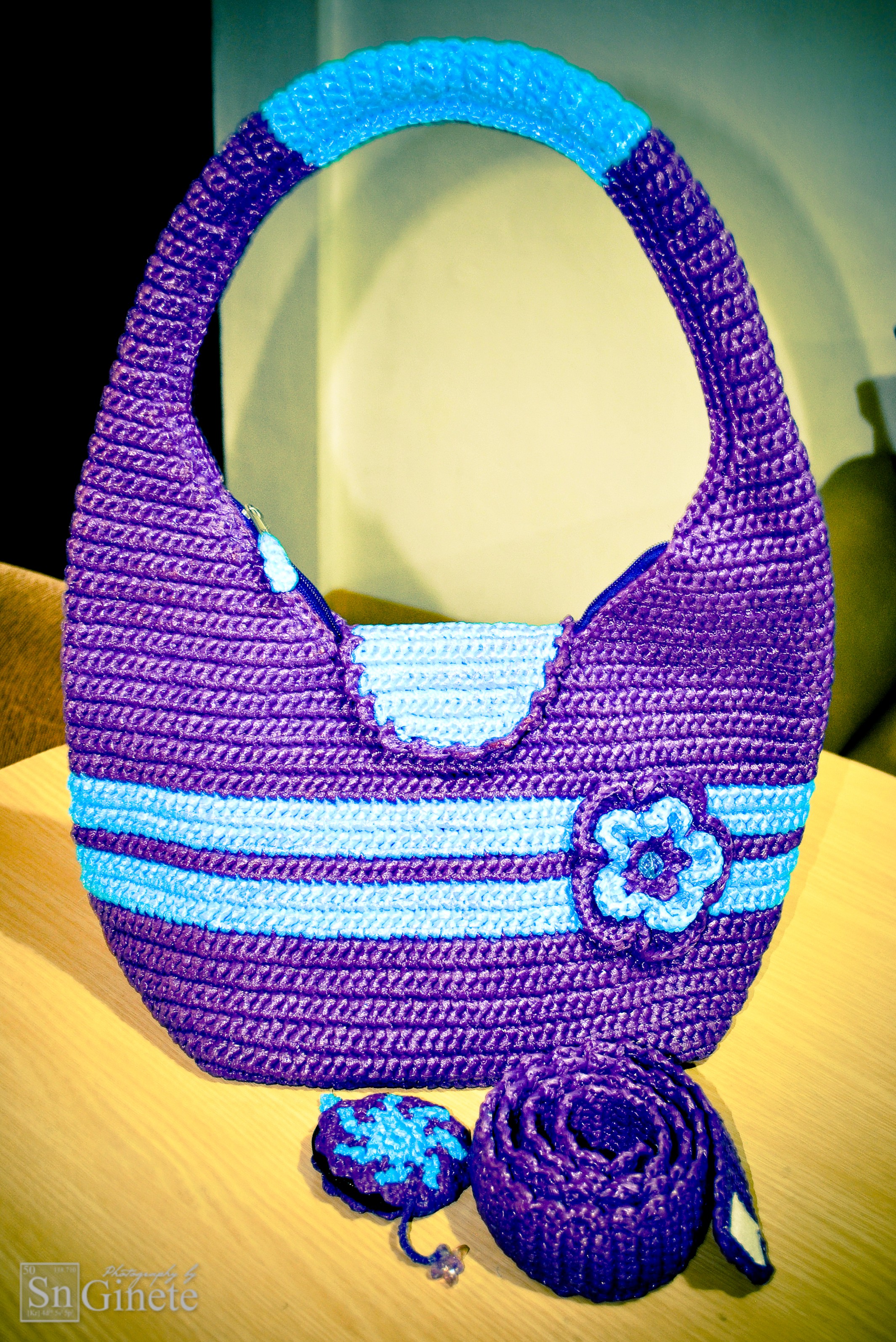
When our professor told us to wrap up the interview, I asked her if she could show me some of the handicrafts she had made. She showed me a purple and blue shoulder bag. Being a fashionista, I liked it right after I saw it. I asked her how much it is. She told me it is worth Php350.00, which is equivalent to US $7. I gave her a 500-peso bill and told her to just keep the change.
I was expecting her to say “Thank you” and only that. But no, she hugged me tight, almost jumping from joy, smiled, and told me, almost crying, how grateful she is. She just could not thank me enough; she told me she would use the money to buy her youngest girl a new pair of school shoes.
She then told me to wait because she had something more for me. I told her it is fine as we are also about to leave. But she still insisted, so I gave in. She returned a few minutes later with a coin purse and a belt made of the same color as the bag I bought. She is giving them to me, for free, so they would match my bag.
*Rosa’s Handwoven Bag, Belt and Coin Purse All Made of Straw
When she said that, it was I who wanted to cry right then and there. It is a good thing I was able to hold my tears. I thanked her and just told her how nice of her to do that, and for having a big heart. I told her that I will never ever forget her.
I asked her how I can contact her. She gave me the number of the facility and her full name. Afterwards, I hugged her tightly again, and she hugged me back just as tightly, smiling with a light and happy heart. Then, I had to bid her farewell.
As I was inside the van with the rest of the class on our way to our dormitel, I began to replay what had just happened. Those few minutes that I got to talk to her, see the community, and hear their stories, I felt like I had learned a year’s worth of experience.
As the facility is starting to get smaller and farther from our view, I can only utter a prayer. A prayer of hope for *Rosa, her children, and her family. A prayer for her that she would continue to look at life from a positive perspective despite what she went through, going through, and her sacrifices. That she would continue to hold on to her dreams despite all the feelings of loneliness, depression, and hopelessness.
Yes, I have faith. I told her to have faith. God is good and loving enough to answer prayers when we repent and ask for His forgiveness. He has a purpose for every single thing that we experience. I told her to be patient. God makes all things beautiful in His time. Just trust and obey.
Lastly, I pray for her heart, that though it may have been broken, though it may have been tainted, it still would remain capable of loving and caring.
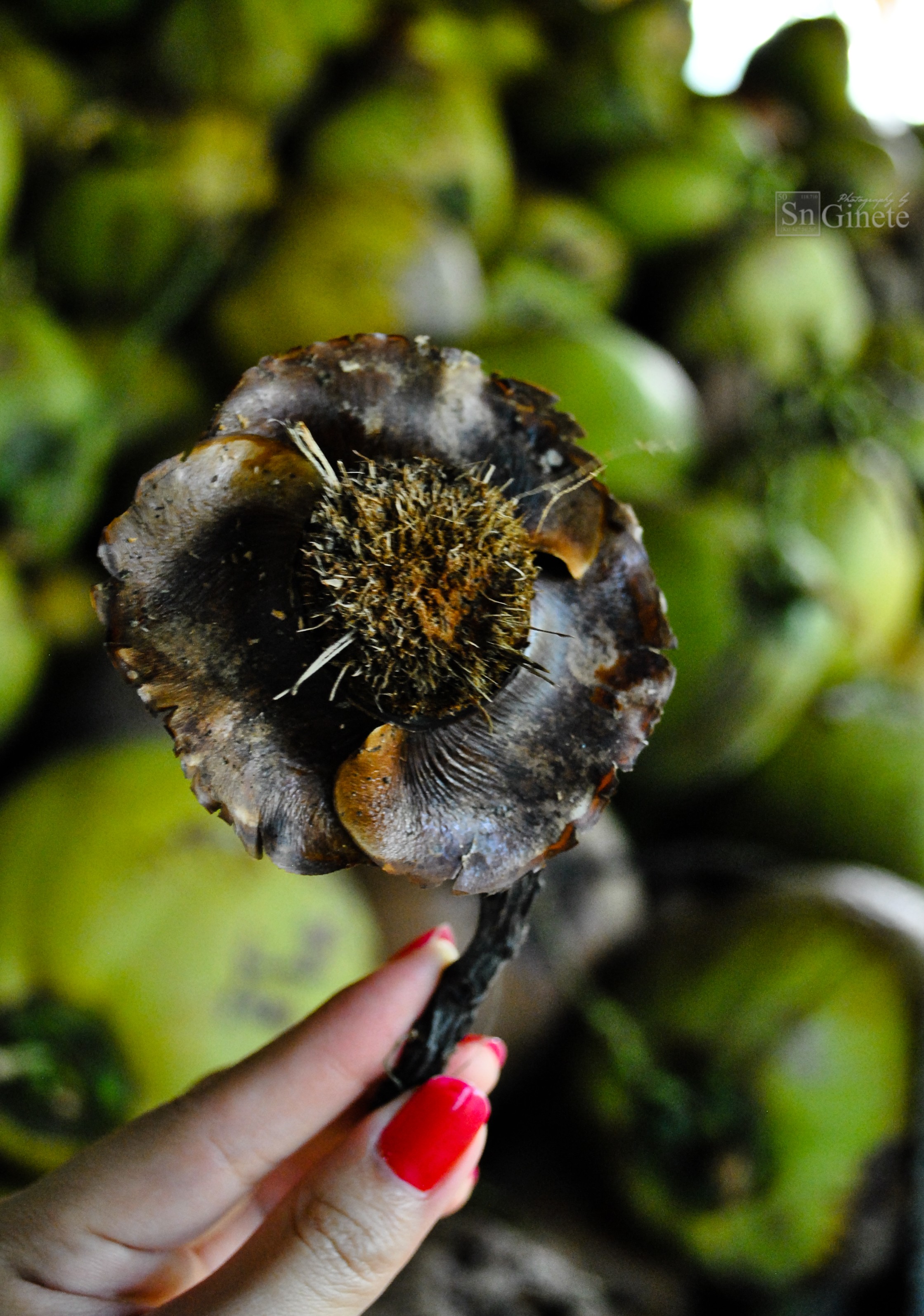
If your imagination is running high, you would agree with me if this looks like a flower to you – the inside of the top core cover of a coconut fruit attached to a stalk. A flower that will not wilt. 🙂
Yes, that is exactly what I had in mind when I saw clouds hovering over the city of Baguio from Beckel. Beckel is located at La Trinidad, Benguet, a province in Baguio City, here in the Philippines. The weather in this part of the country is comparatively cooler than the rest. In fact, it is the coolest part of the Philippines with a temperature range of 15 degrees Celsius – 26 degrees Celsius.
The Benguet Community
The Place
Astounding. That is the word that would closely describe how my first encounter with the community was. The serene ambiance, accentuated by the fresh scent of the pine trees surrounding the place and the stunning overlooking view, is beyond perfect. No other words best fit Beckel, but this description – the off-grid country life that most have imagined and wanted. The place was far from the city, and yet I can describe it as rich and bountiful in terms of nature-inspired simplicity. Truly an escape from the bustling metro, a sanctuary for tired souls.
The place is such a breather and definitely a lovely sight after a tiring 6-hour trip of winding roads and steep slopes. If I can describe it in another way, with just one word, I’d say it would be none other than the word “basic.” Why “basic”? What they have is enough to supply their basic needs without any extravagant luxuries.
Basic commodities are available at the shops downhill, which include the mini grocery store owned by the very generous Kagawad Vicky, who welcomed us into the community and helped us get acquainted with the locals. Then there’s the small internet cafe, the karinderya, a water refilling station, a panaderya, and an ukay ukay store, along with two other stalls that mainly sell essential goods.
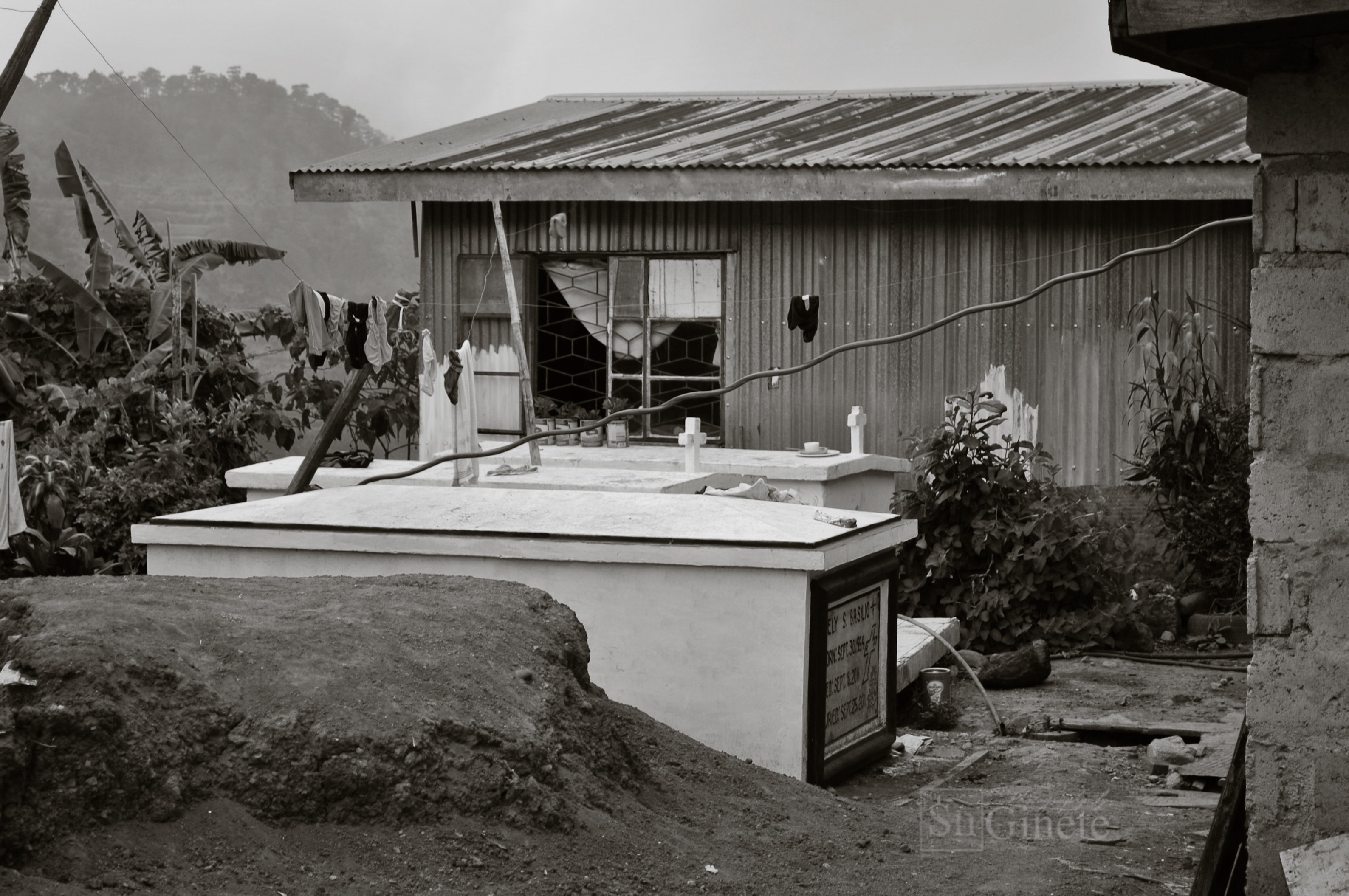
If there was one thing, though, that captured my attention most, it’s a scene that I don’t see often in other places here in the Philippines. That of coffins situated beside the house or in the backyard. If someone were to ask me what the most significant landmark in Beckel is that separates it from all the other communities I have visited, it would be the coffins.
As an outsider, I have to admit that seeing the coffins for the first time was a bit disturbing. It didn’t help much that the room where Ate Nina and I occupied is overlooking a neighbor’s backyard full of coffins. But good enough for us, we slept quite like a log, oblivious of any eerie sounds in the background at night, if there are any.
Coffins at the Backyard
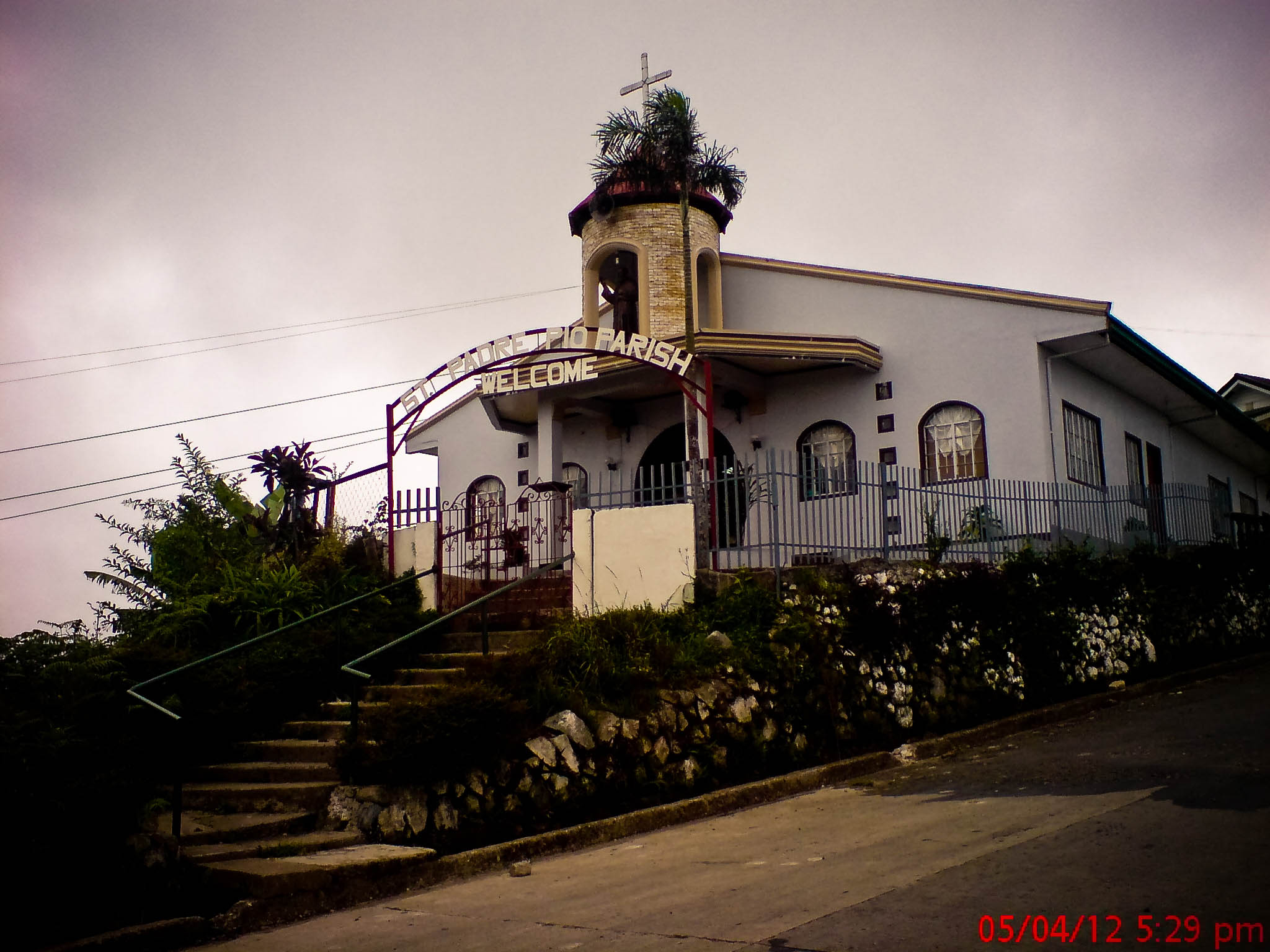
Speaking of our room, we stayed at the Parish house under the care of Father Joseph Pumihic, with the help of Ate Lisa and Ate Josie. It’s a very beautiful and humble abode, and a very special place for guests. It is this quaint little Parish house that actually made my entire Beckelian experience nothing of the ordinary. The house, perched atop the hill, offers an above-the-clouds experience when the temperature drops and fog starts to cover everything below us.
The Parish
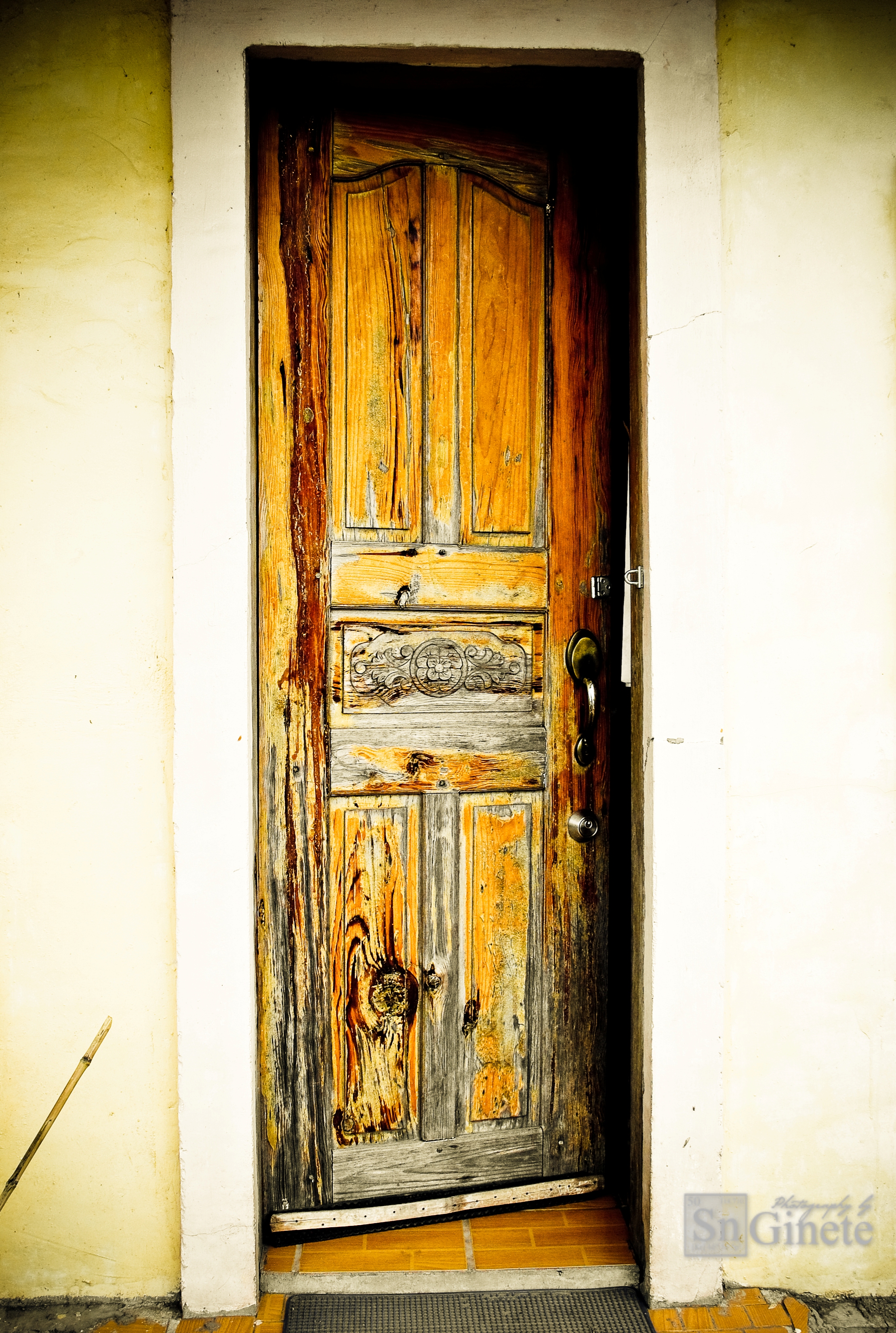
It’s not a typical guest house because it’s got a very “homey” vibe to it. The faded varnish of the wooden door reveals intricate wood grains, adding a subtle vintage touch to it. Upon entering the house, guests are ushered into the living room that also serves as the dining area. It provided just the right amount of space for the entire group to fit in and huddle for the discussion nights. My “little house” impression didn’t meet my expectations; it exceeded them.
The house was very spacious inside – there are two bedrooms, a kitchen, a laundry area, and a bathroom downstairs. On the second level, there are two more bedrooms, one bathroom, and more open spaces which can be converted to another living room or an extra sleeping area if there are more guests. The balcony is another great feature of the house that complements the warm ambiance and is the perfect nook for relaxing and contemplating.
The Parish House Door
The atmosphere, weather-wise, is very suitable for traveling. Plus, the scent of pine trees and the cool breeze instantly lightens up anyone’s mood. Indeed, nature basking in this place is the best breather. Though daily walks from the barangay to the Parish house and back to the community are so different from city walks in Manila or even in my province in Bicol.
Walking here in Benguet can be exhausting if you’re not used to walking uphill and downhill on steep and winding roads. But with good company and a laidback community, I must say “exhaustion” is just a word. When we headed to Lamut, I realized this is the reason why people in Beckel are physically fit. They had to tread these roads regularly when doing their daily activities. But for visitors, like us, it would take quite a long time to adapt to these strenuous walks.
Lamut Community
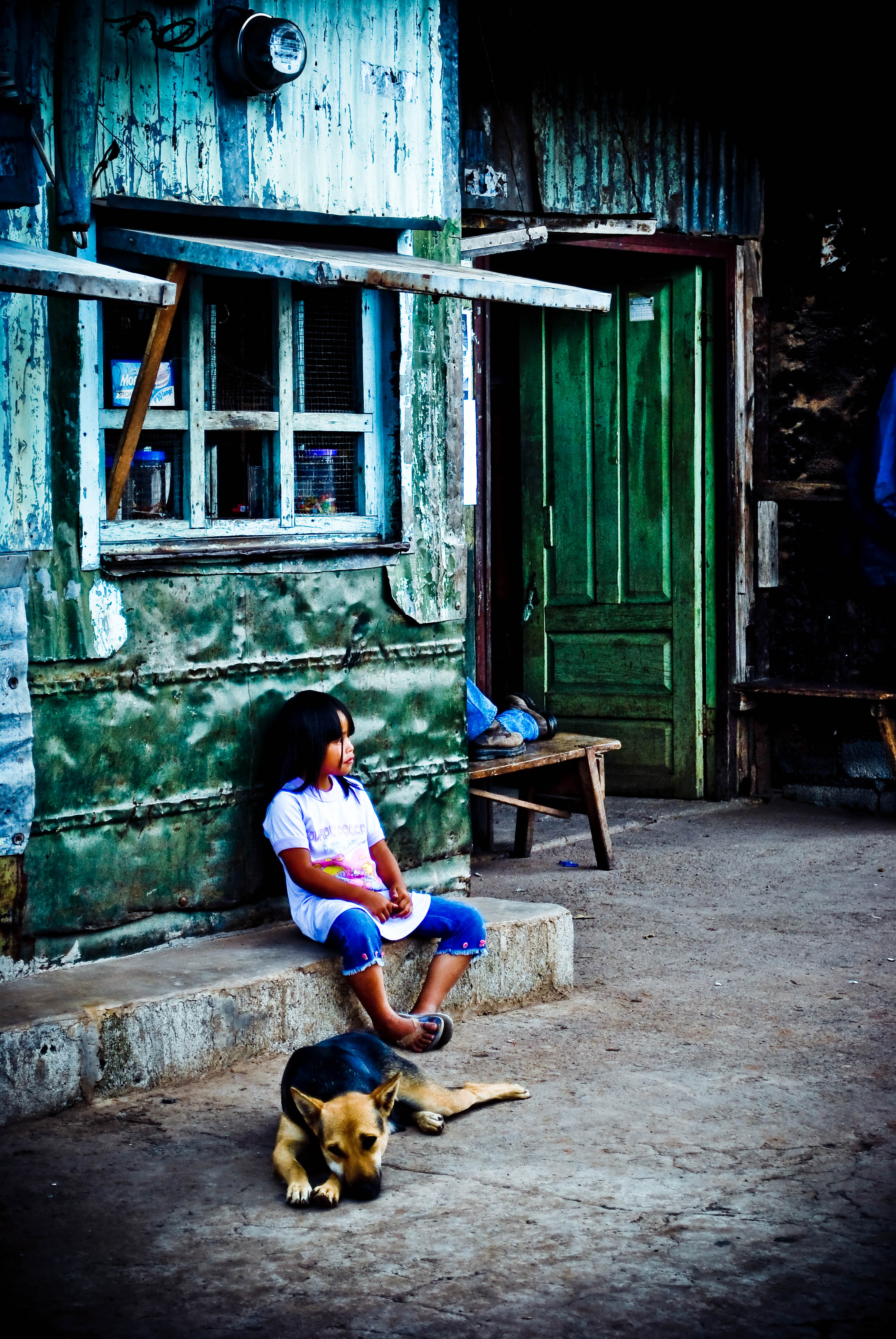
Children of Lamut
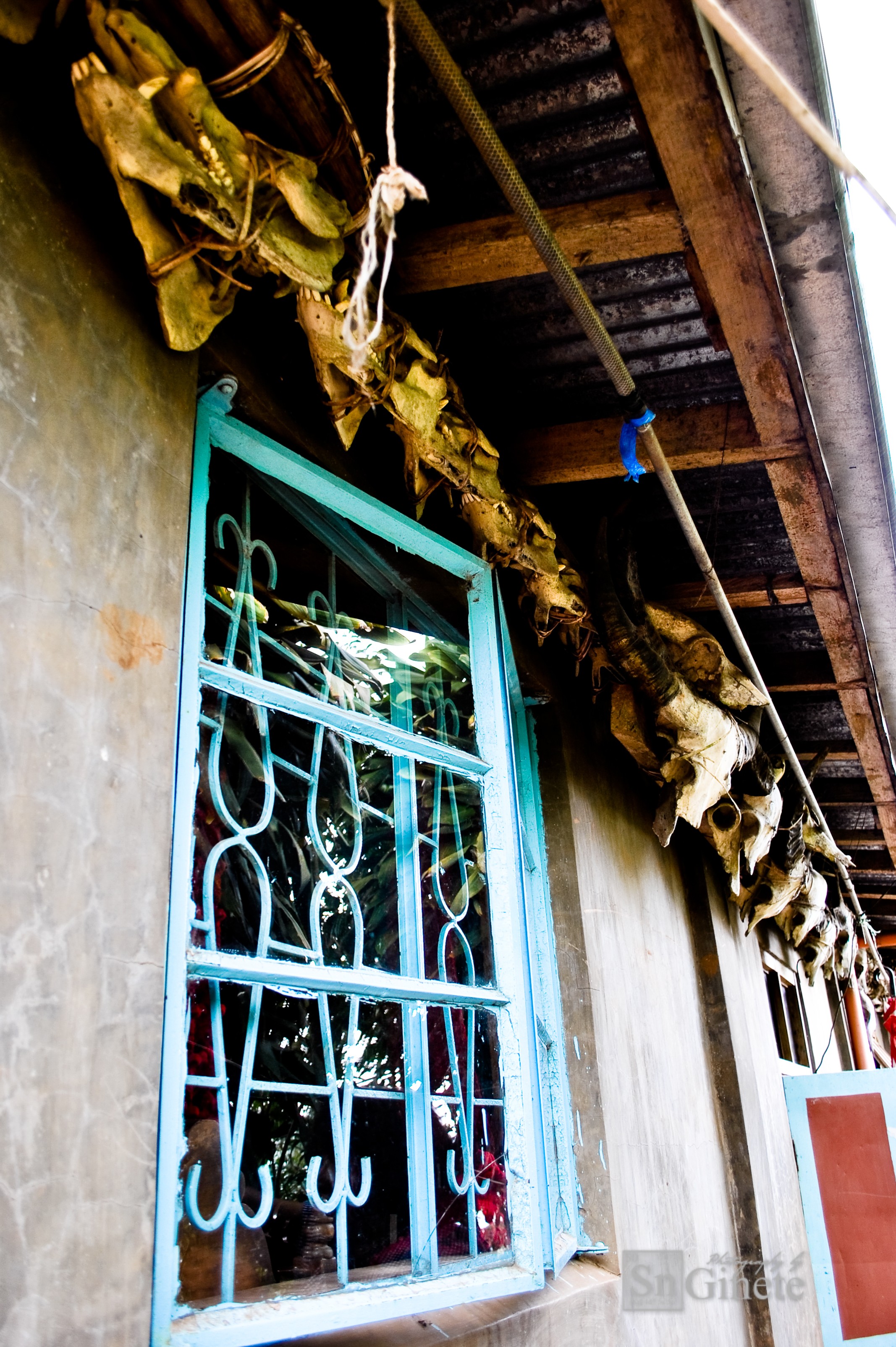
Carabao Skull
Skulls of the pigs and other animals used in the festivals are displayed outside the houses as a symbol of social status.
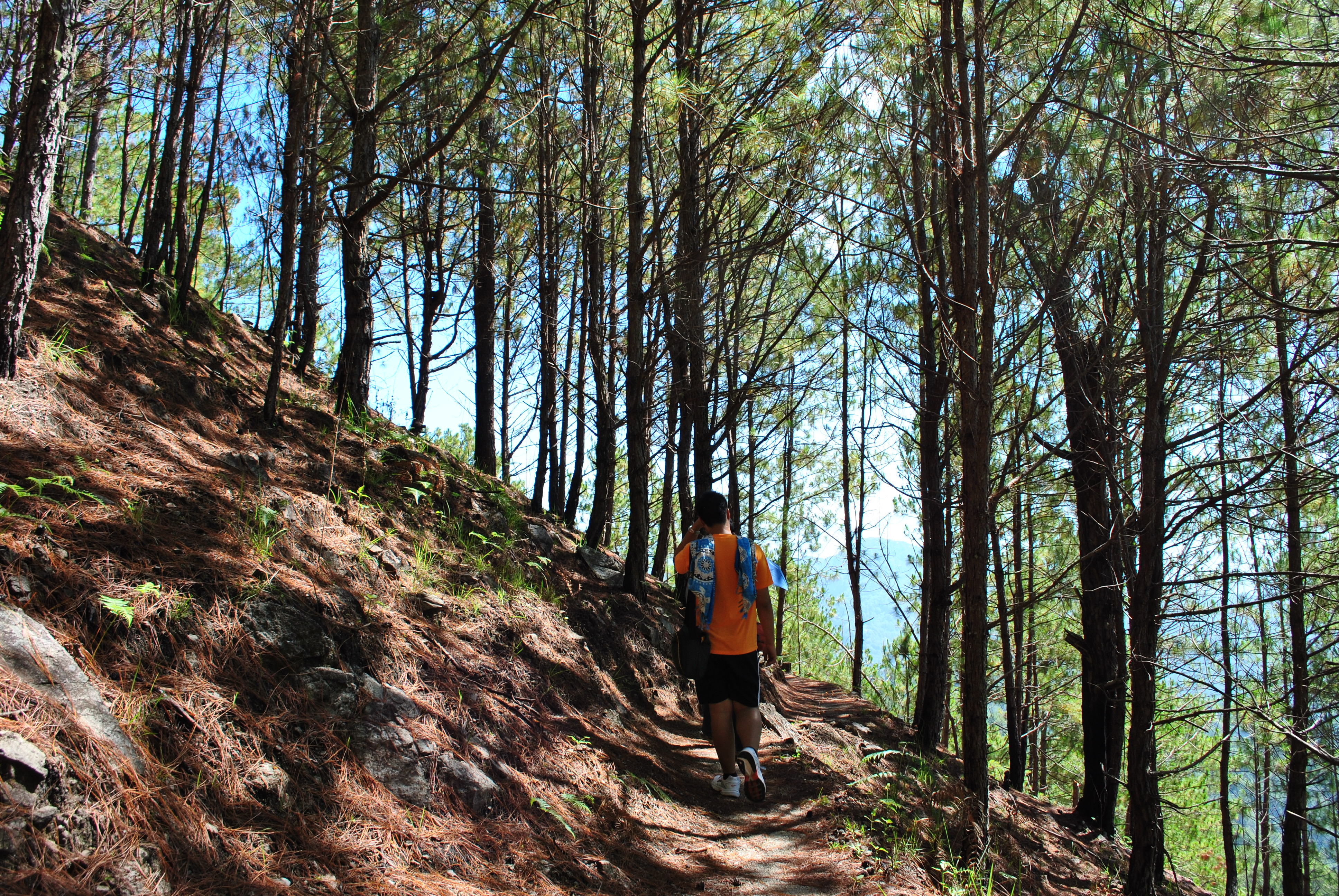
One of the major contributors to making my Beckelian experience worthwhile would be the hike to Mt. Camiling. Mt. Camiling is located outside Beckel. And I must agree with Ate Rose, one of the charity workers and our tour guide, that going to Mt. Camiling is one of the most difficult and treacherous hikes. This is mainly the reason why mass was held only once a month there in Mt. Camiling. I wasn’t geared up for the climb – very thin socks inside a pair of Chuck shoes (definitely a no-no for hiking), a heavy camera, and a backpack. I got shaking knees, aching feet with calluses all over, and a sweating, weary body during our trek.
Traversing Mt. Camiling
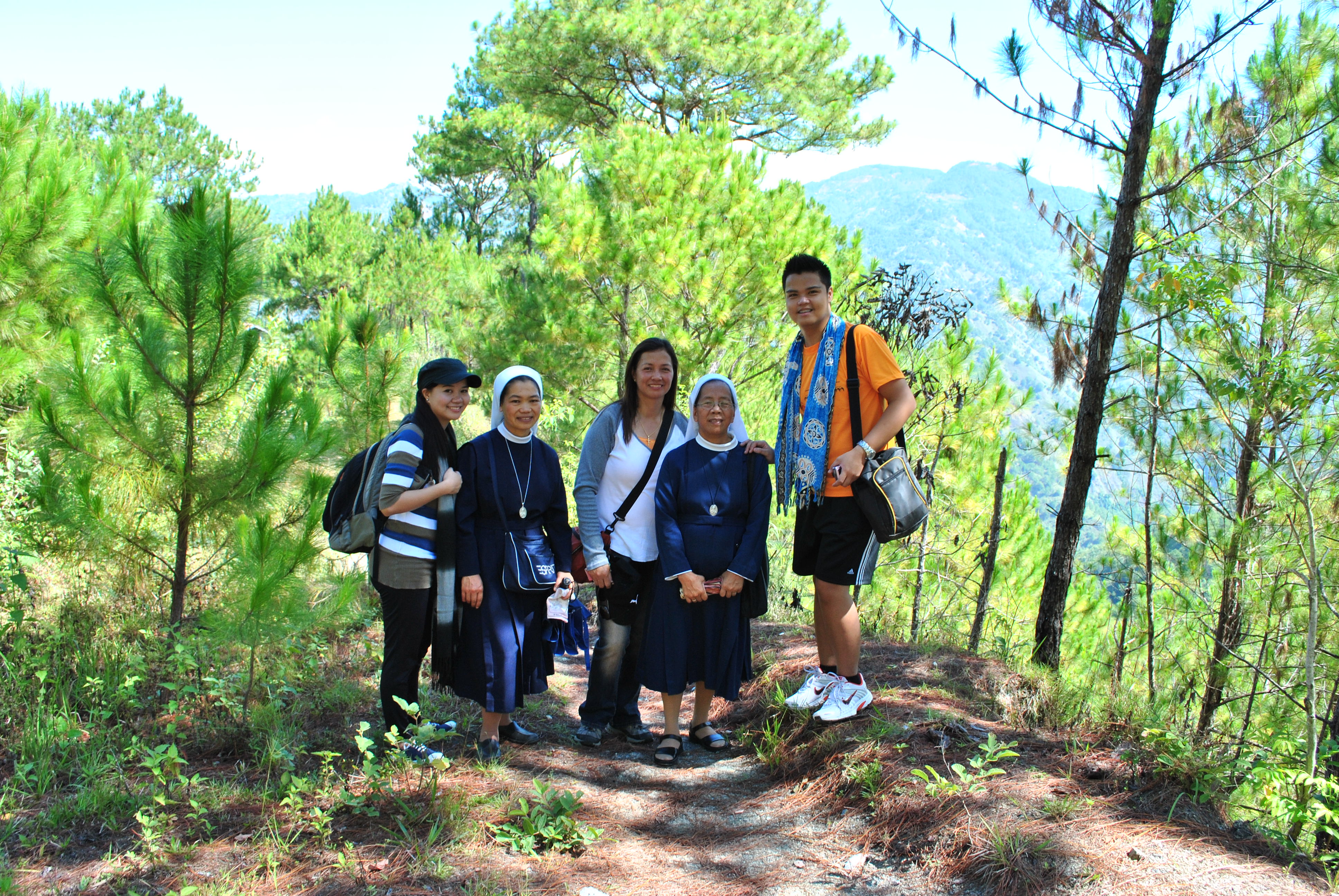
Halfway through the climb, I almost felt the urge to back out and head back to the guest house. But seeing the two nuns who are with us, Sister Maxene, who is 65 years old, and Sister Bina, treading on the cliff with difficulty but with patience, I thought otherwise. I am younger than them, stronger even, but do I have such strong faith and motivation to reach the community as them? It came to a point where I almost felt my life was hanging by a thread when I slipped and was only holding on to a bunch of wild grass to keep myself from falling and sliding down the cliff.
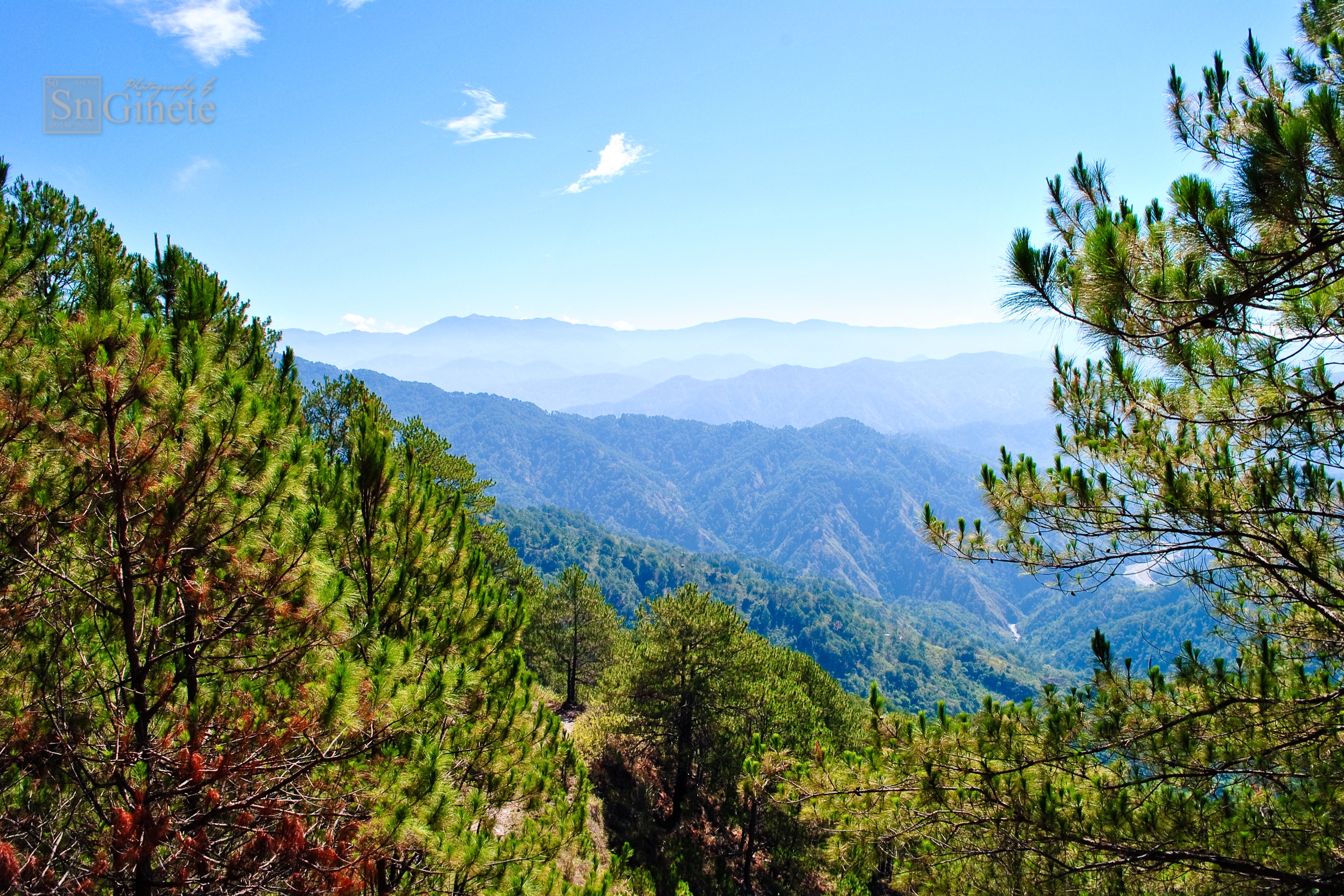
Thanks to Ate Rose, who grabbed me when I slipped and helped me get back on the trail. After walking for hours, we were physically spent out, were catching our breaths, and I had already emptied my water bottle – it was indeed the hike of the year for me. Not even my hiking experiences from Girl Scout days were a match for the challenging hike in Mt. Camiling. I must say I was hurled back to being a newbie in hiking. But seeing the community surrounded by rolling hills, lush mountains, and fresh pine trees — the view was spectacular.
Mt. Camiling
L-R: Me, Ate Josie, our guide, the missionary sisters, and my friend and classmate, Leo
The People of Benguet
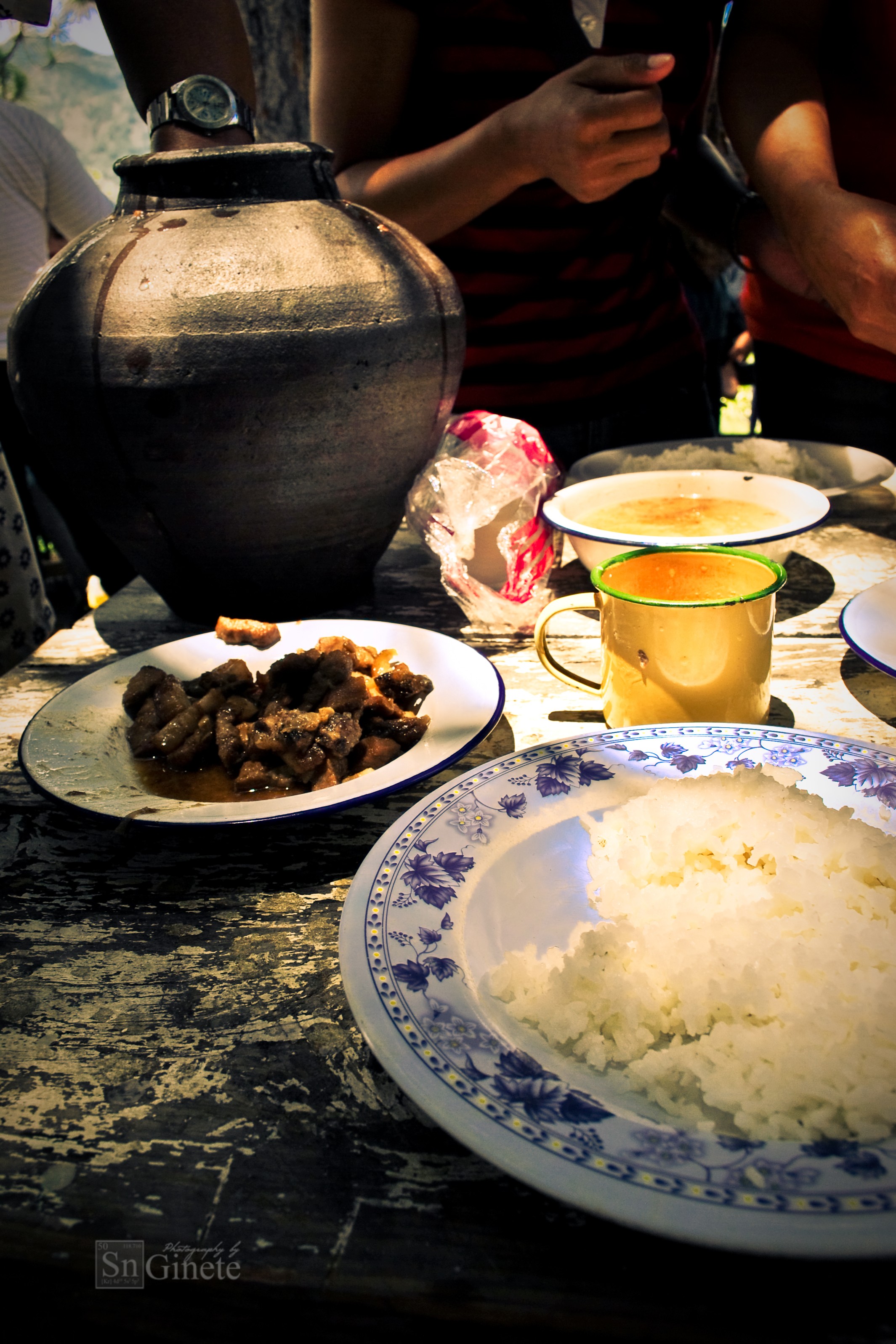
All the effort of going up Mt. Camiling is worth it when the locals welcomed us with smiling, exuberant faces. They were so glad and very thankful that Father Joseph and the sisters, as well as people from neighboring communities, paid them a visit. Aside from the warm greetings, they also extended their appreciation by preparing a celebration – a feast was waiting. They offered boiled saba and brewed coffee for snacks while we were resting. Then, mass started a couple of minutes after that, followed by “the feast.”
The vase (tapayan) contains rice wine and the meat dish is called “igado.”
A short program was conducted after everyone had already eaten. If there is one character trait that I have noticed with the people of Mt. Camiling, it is their hospitality – a simple gesture of extending what they can offer or provide to visitors in their community. I have also witnessed the same character trait in Beckel.
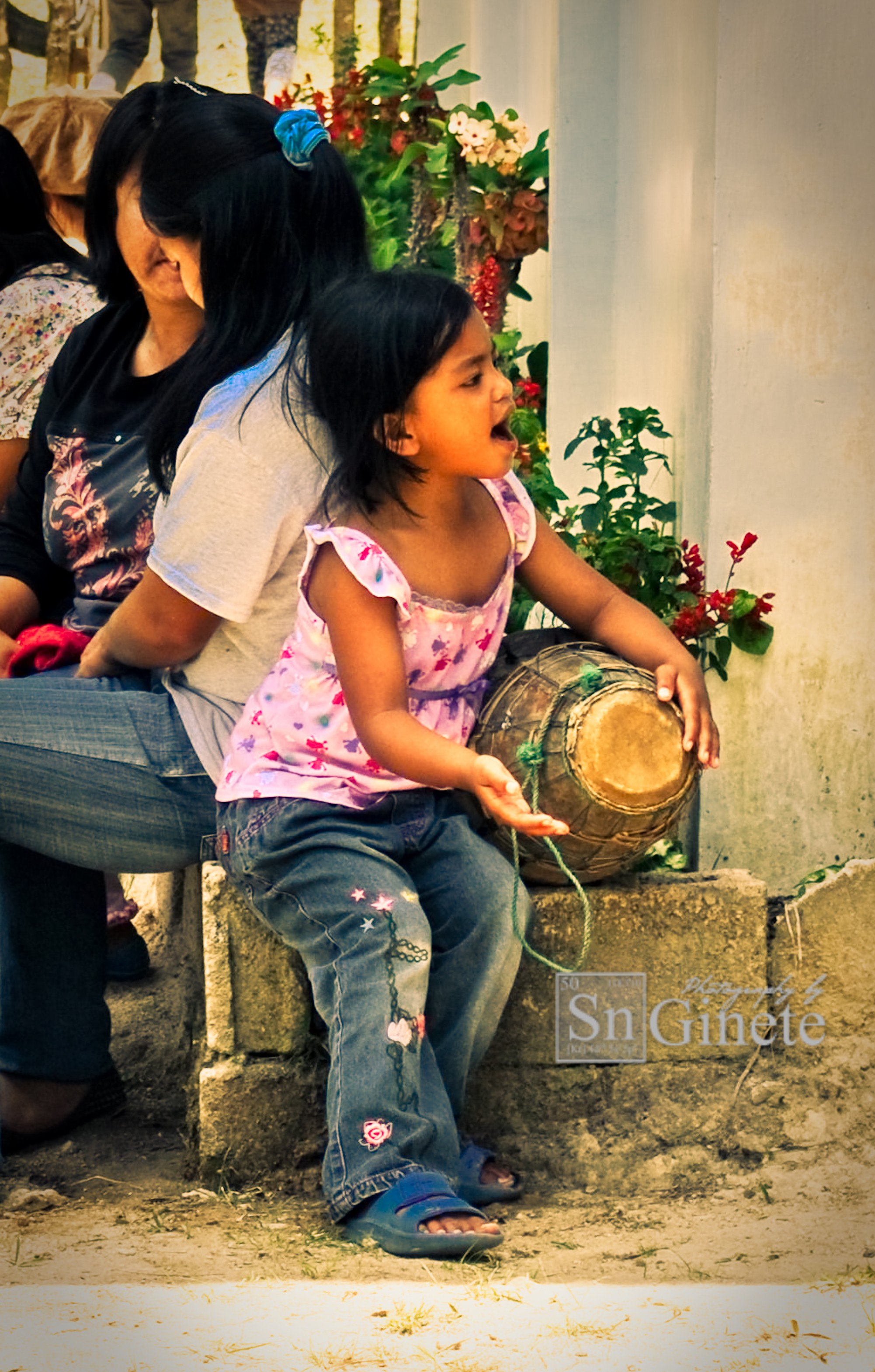
Girl in Mt. Camiling practicing for the “tayao” using a traditional musical instrument.
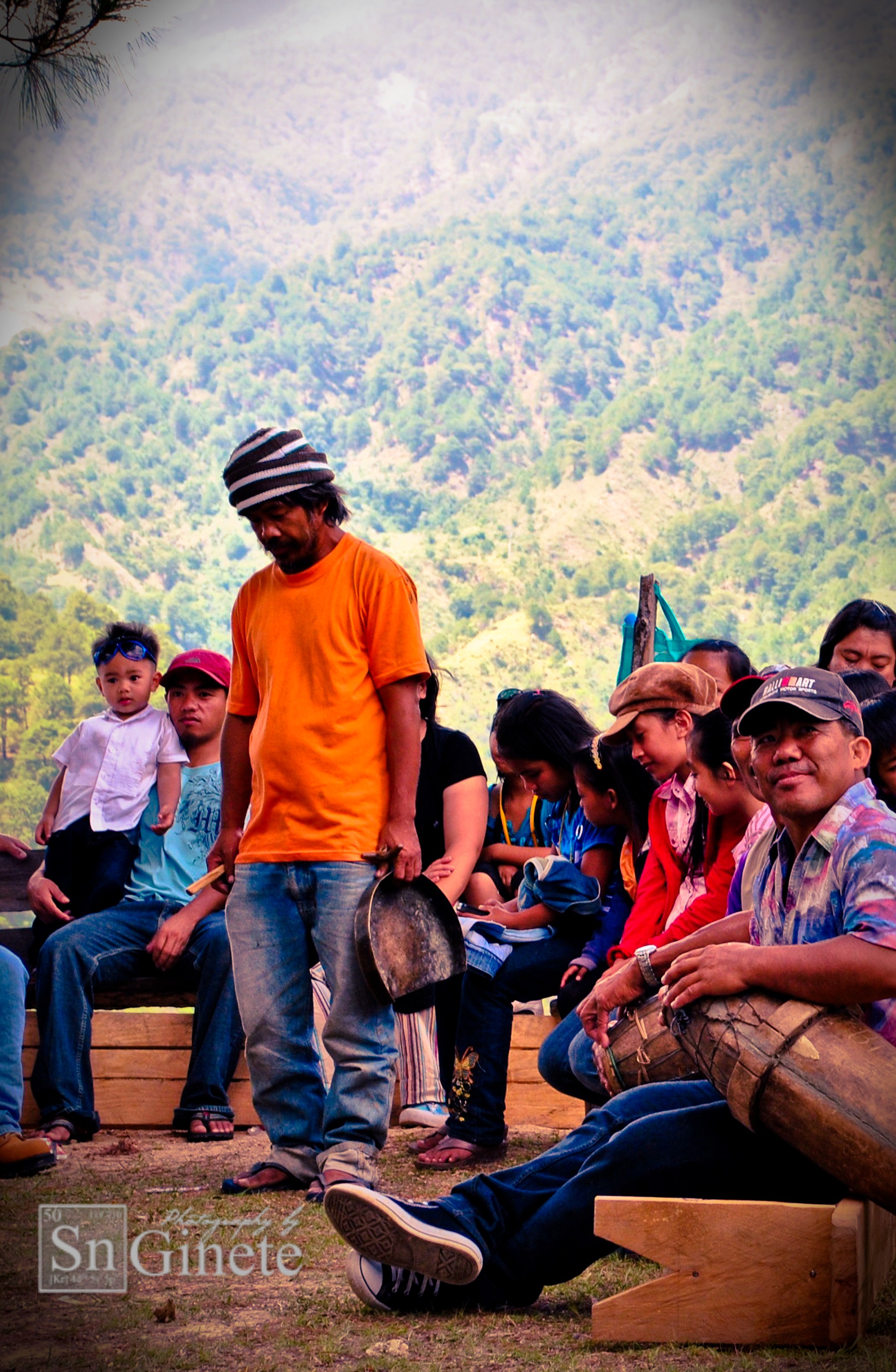
Before the “tayao” starts.
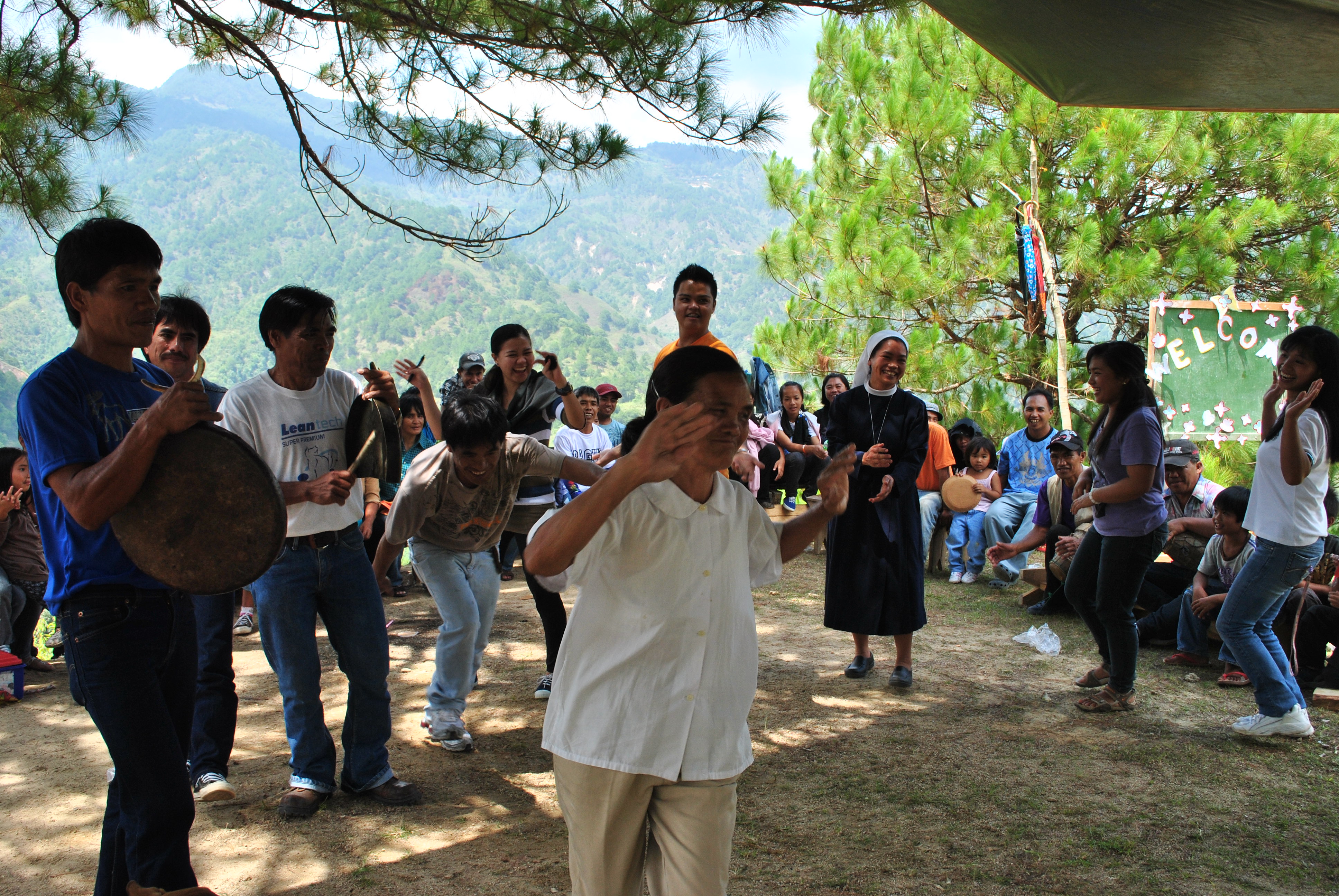
Me and Leo along with the people of Mt. Camiling dancing the “tayao.”
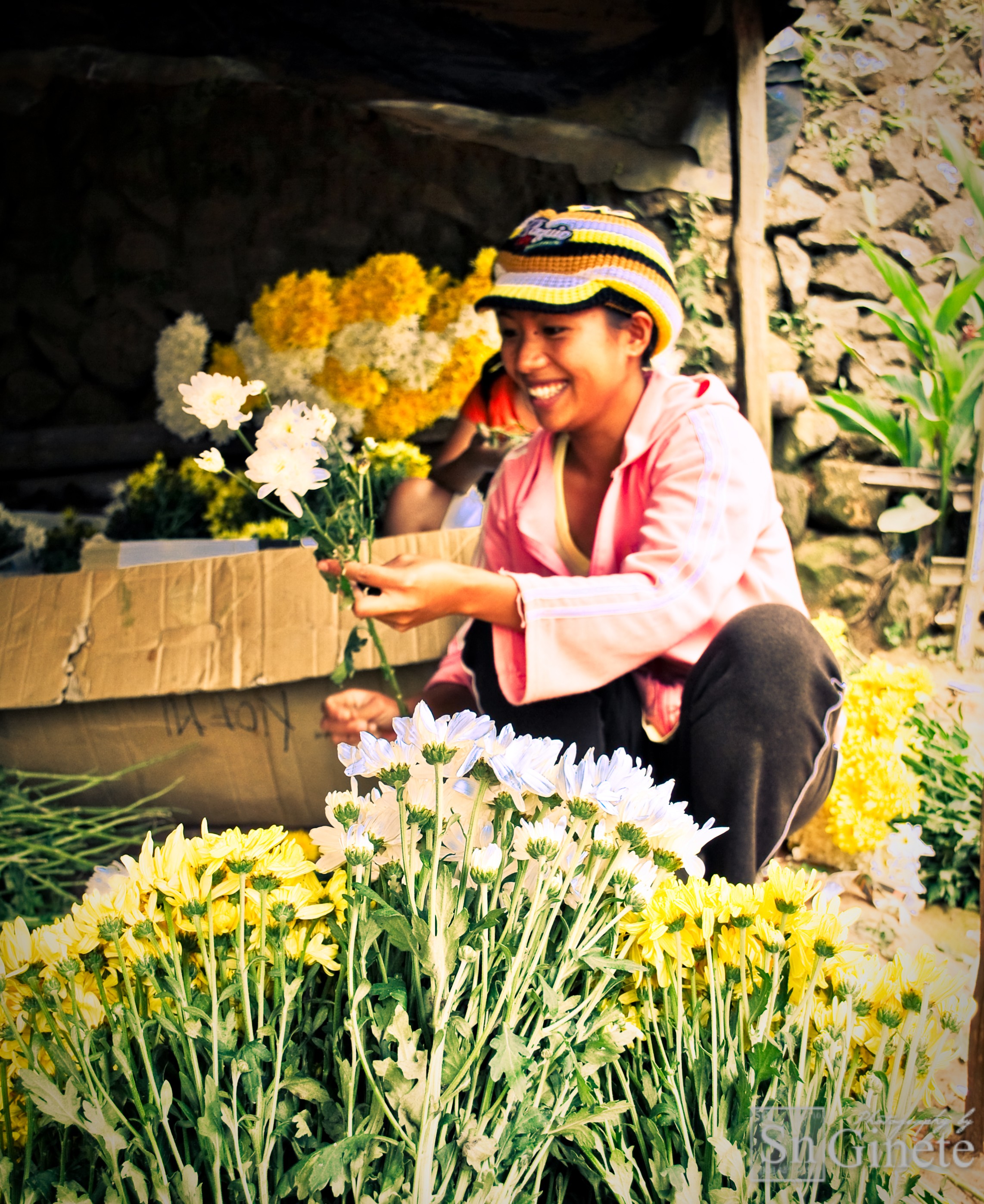
Growing fresh flowers is the main source of livelihood in Benguet.
The spirit of bayanihan is still very much alive in this community. Every local is intentional in actively participating in every important occasion or festivity. They share responsibility for making a festival or occasion as grand as possible. When it comes to becoming a solid community, I must say that the communities I have visited in rural areas and provinces are very much tight-knit compared to city life.
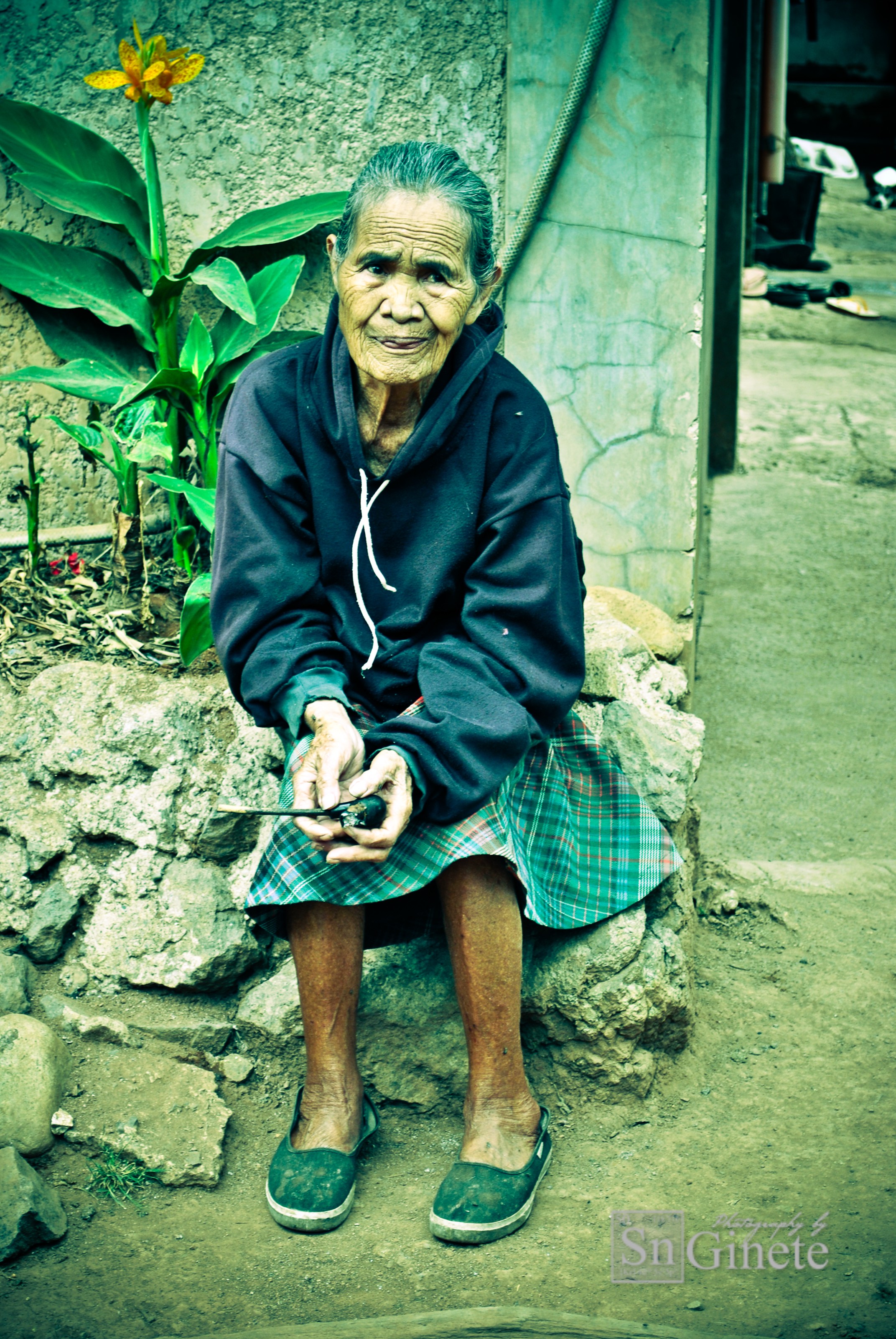
One of the Oldest People in Benguet (100+ years old)
They are also closely attuned to nature and their surroundings. Aside from the fact that it is through nature that they get their source of livelihood, they have somehow perceived nature as part of who they are as individuals. One observation that I can make from the entire duration of our stay in Benguet is that there was never an instance where I felt awkward in dealing and communicating with the people in Mt. Camiling, Lamut, and Beckel.
They never held an arrogant attitude and were just willing to share what they knew through storytelling. They have no reservations, so to speak, when it comes to their life and culture as a Kankana-ey or an Ibaloi. Yes, gossips are part of storytelling too, but they deal with it nonchalantly. This, I think, is reflective of how peacefully the dwellers of the Benguet community have lived alongside one another. I must say that to acquaint oneself with the people from Beckel, Mt. Camiling, and Lamut isn’t as difficult as acquainting oneself with the place itself.
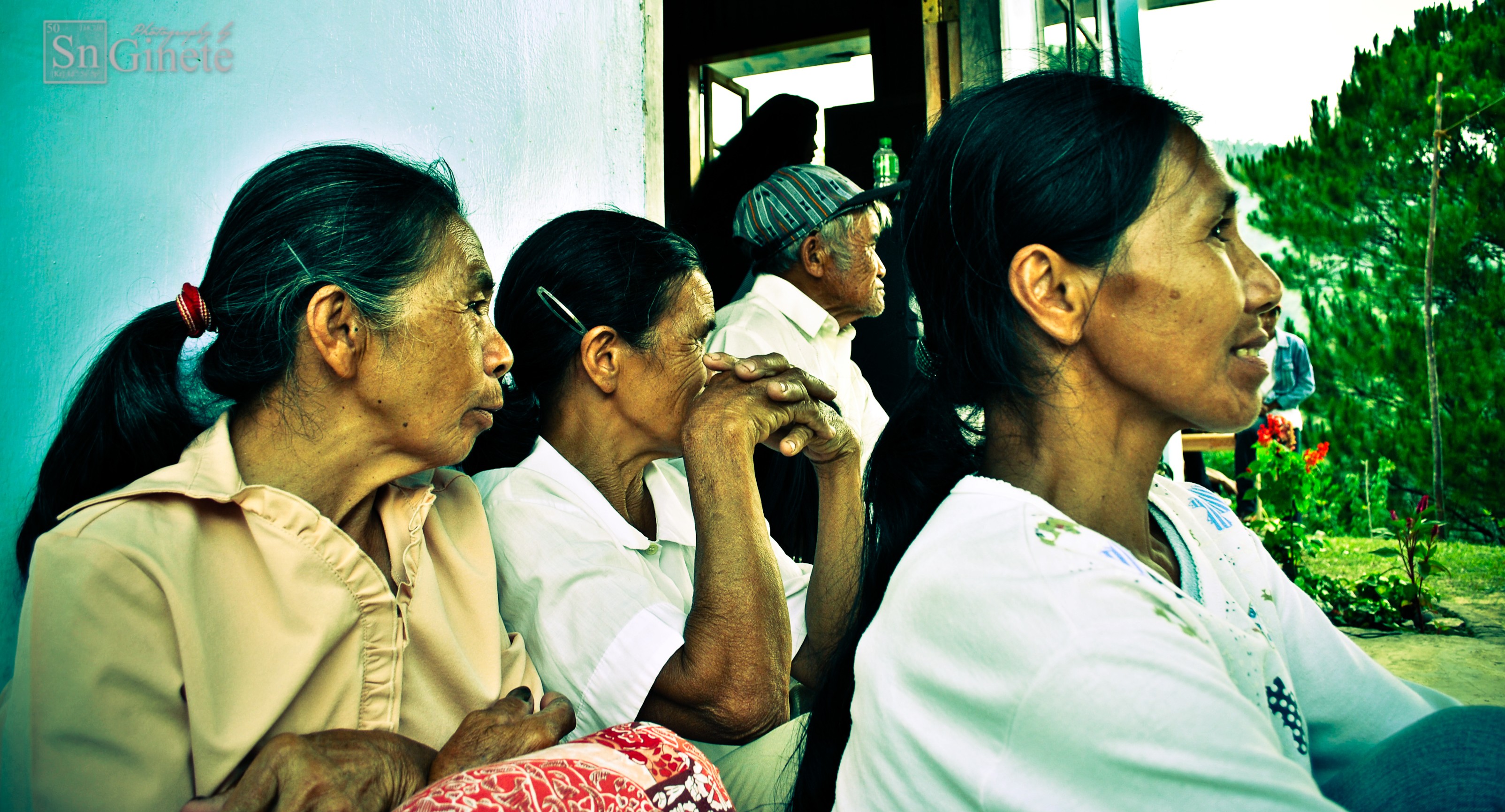
The People of Mt. Camiling
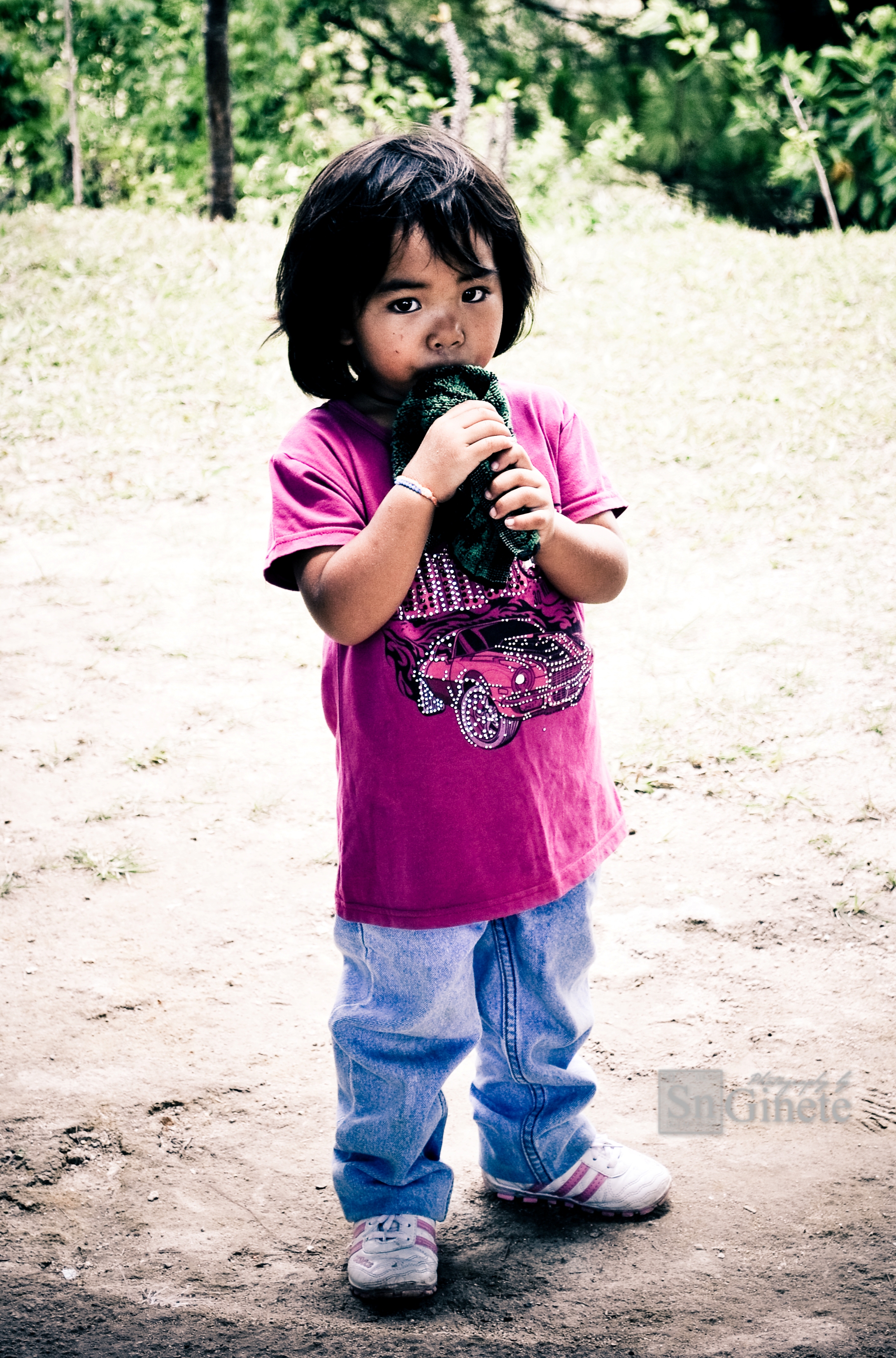
Child in Mt. Camiling
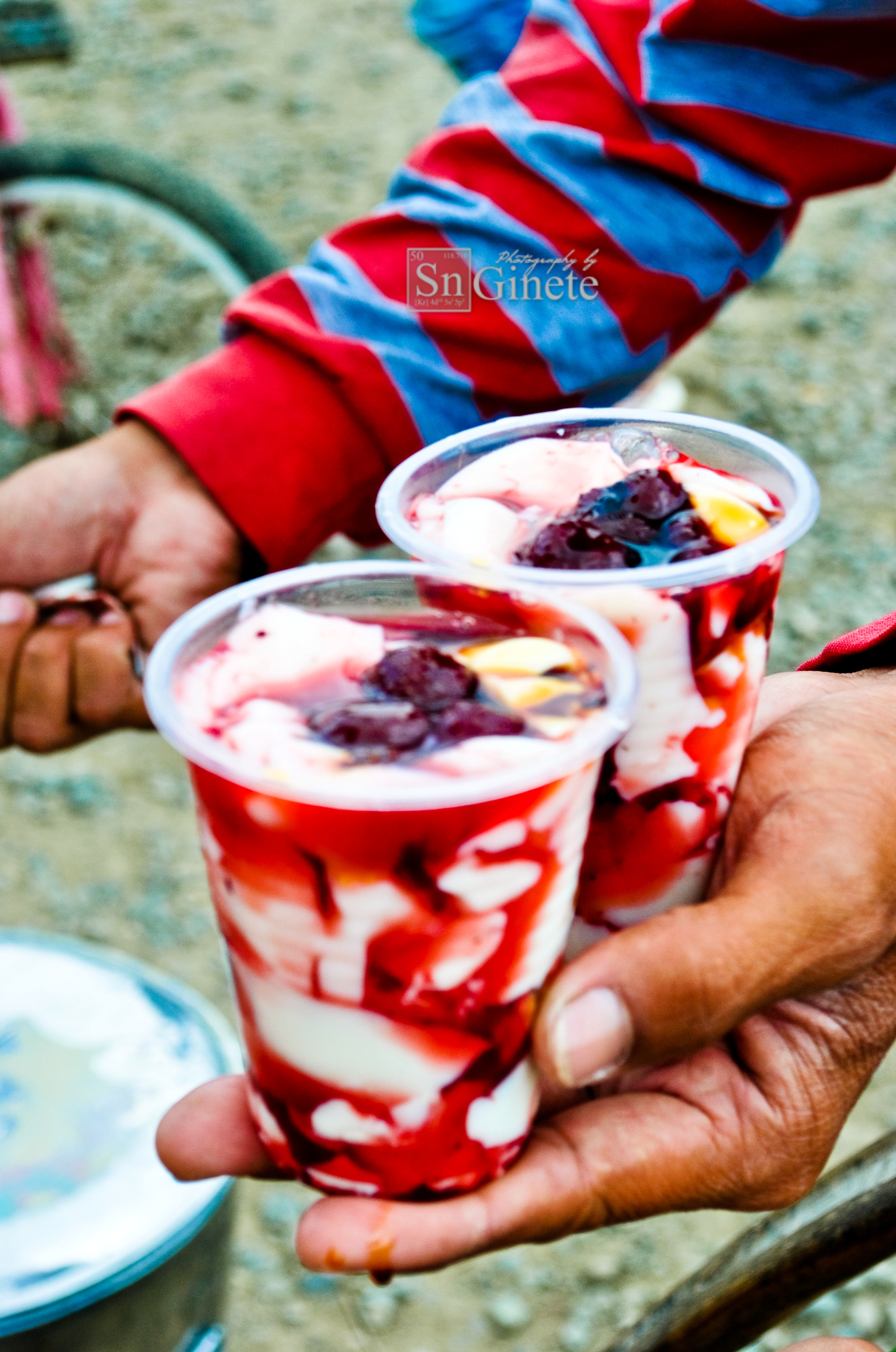
And of course, the trip won’t be complete without trying Benguet’s very own specialty: strawberry taho (soya/beancurd). So YES, if given another opportunity to go back, I definitely would. It’s one worthwhile experience that one should never, ever miss out on.




































 The Journeyman's Moments