From someone who grew up in the Bicol region here in the Philippines, I can say there’s only one ingredient that’s always present when preparing almost every local dish – chili. It’s no wonder Bicol became famous for its spicy cuisine.
How To Grow Siling Labuyo
The most commonly used type of chili here in Bicol is the Siling Labuyo. We have a lot of these growing anywhere in the garden all year round from bird droppings.
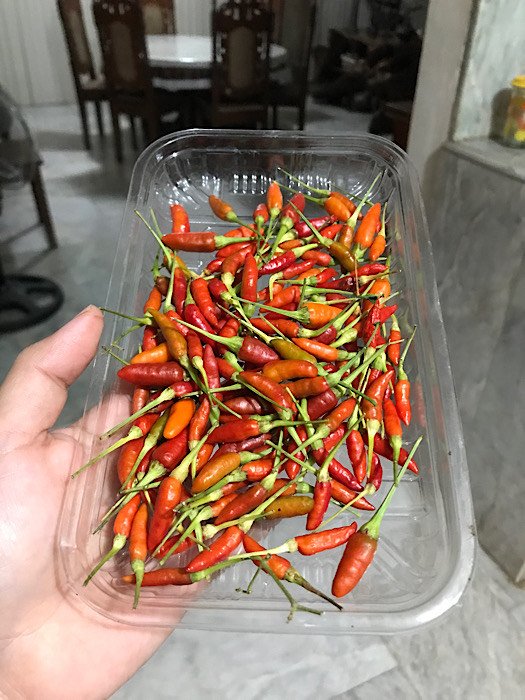
And this made me wonder, do birds have taste buds, too? 🤔 That’s my childlike curiosity asking, but I’m feeling lazy now to research it on Google. So, I leave it be. 😀
“Siling labuyo is a small chili pepper cultivar that developed in the Philippines after the Columbian Exchange. It belongs to the species Capsicum frutescens and is characterized by triangular fruits which grow pointing upwards.[1] The fruits and leaves are used in traditional Philippine cuisine. The fruit is pungent, ranking at 80,000 to 100,000 heat units in the Scoville Scale.[2]
The cultivar name is Tagalog, and literally translates to “wild chili.”[1] It is also known simply as labuyo or labuyo chili.[3] It is also sometimes known as Filipino bird’s eye, to differentiate it from the Thai bird’s eye chili. Both are commonly confused with each other in the Philippines, though they are cultivars of two different species.[4] Siling labuyo is one of two common kinds of local chili found in the Philippines, the other being siling haba (a Capsicum annuum cultivar).[5]
Siling labuyo is generally accepted as the world’s smallest hot pepper, as the fruit often measure a mere 0.20 in (0.51 cm) in length by 0.10 in (0.25 cm) in width.[6]
It is listed in the Ark of Taste international catalog of endangered heritage foods of the Philippines by the Slow Food movement.[7]” – Wikipedia
How To Grow Habanero
Growing Habaneros is fairly easy although you might want to watch out for an aphid infestation because they’re the number one pest of pepper plants. I spray Neem Oil on the plant when I see some aphids starting to gather under the leaves.
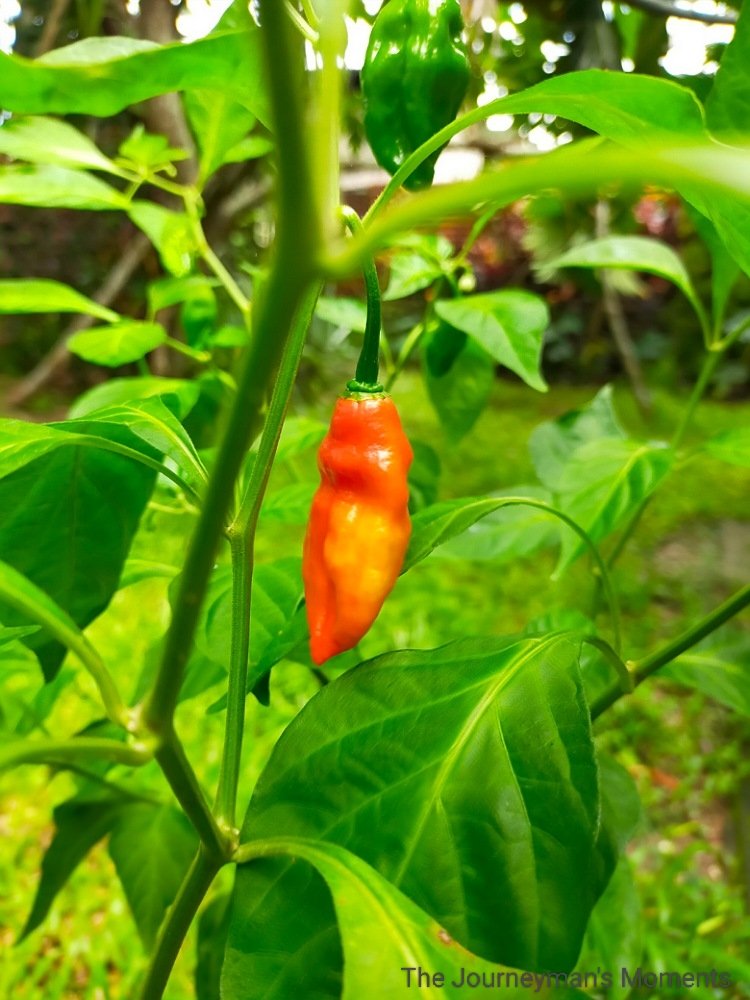
It was my husband who actually planted the Habanero seeds given to him during one of his biking adventures with Bicolano mountain bikers last year. Then I took over taking care of these plants when my husband went to Manila. One thing to note about Habaneros is that they are very resilient.
I accidentally chopped off one of the plants while I was cutting grass around these plants using a lawn mower. lol What happened next was totally unexpected because new shoots came out from the remaining stump, and the plant survived. It is actually now thriving although its fruiting stage is delayed.
For a more comprehensive guide on how to grow Habaneros, you can read this article: “How To Grow Habanero Peppers”.
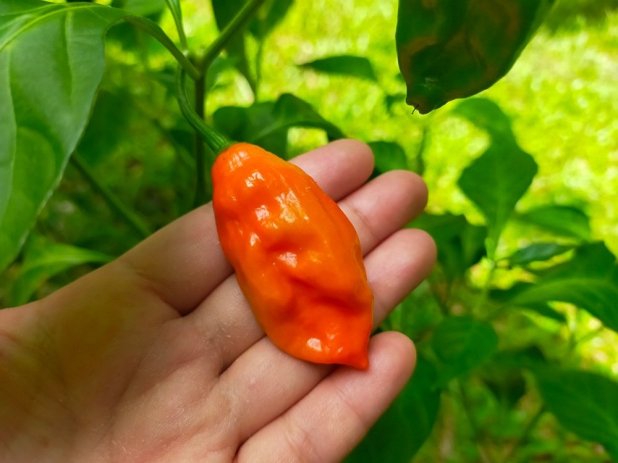
“The habanero (/ˌ(h)ɑːbəˈnɛəroʊ/; Spanish: [aβaˈneɾo] ⓘ) is a hot variety of chili. Unripe habaneros are green, and they color as they mature. The most common color variants are orange and red, but the fruit may also be white, brown, yellow, green, or purple.[1] Typically, a ripe habanero is 2–6 centimetres (3⁄4–2+1⁄4 inches) long. Habanero chilis are very hot, rated 100,000–350,000 on the Scoville scale.[2] The habanero’s heat, flavor, and floral aroma make it a popular ingredient in hot sauces and other spicy foods.” – Wikipedia
Benefits of Eating Habanero Peppers
I’ve read in some research articles that Habanero peppers contain capsaicin, which can help in treating cancer. Consuming these peppers can also help lower blood cholesterol levels, fight diabetes, and relieve pain.
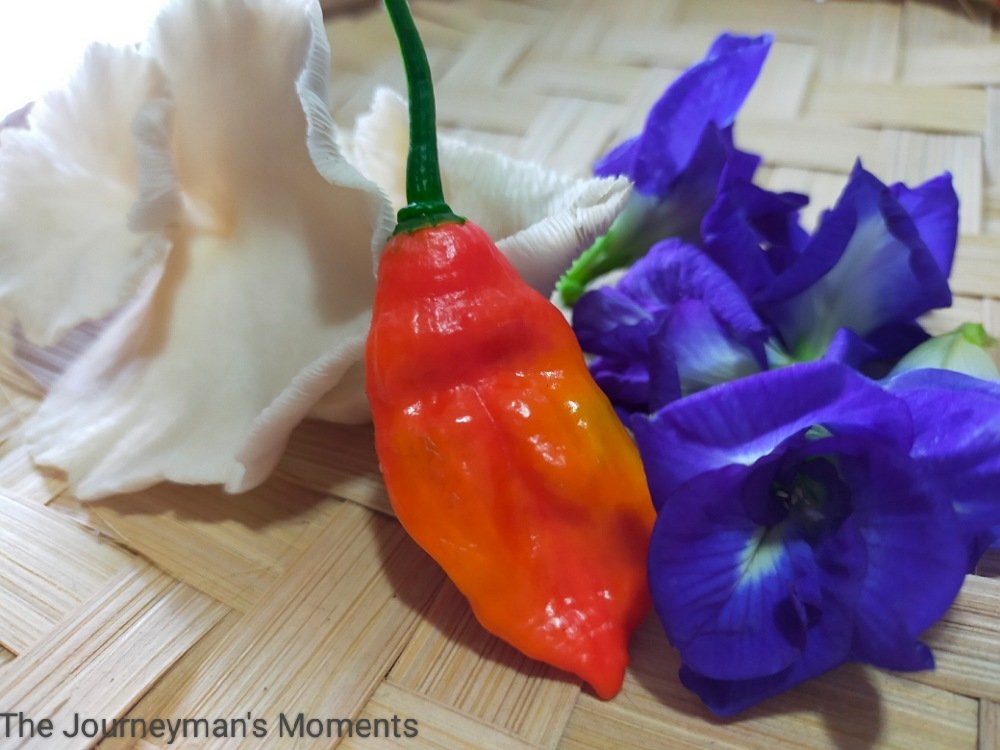
For more information regarding the other benefits of consuming Habanero peppers, you might want to read the following articles:
“What Are The Health Benefits Of Habanero Peppers?”
My Verdict
Habanero peppers are indeed hotter than Siling Labuyo and more aromatic. They’re too spicy I was only able to finish 1/3 of the fruit when I included it with lunch. lol Yes, this is how spicy Habaneros can really get. I don’t recommend this to those who have very sensitive tummies. Though the spicy flavor of Siling Labuyo stays on the tongue longer than the Habanero.
Every time I start planting from seeds, I make sure I complete the entire growing cycle of the plant until its fruiting stage. Then I propagate the plant using the new seeds to increase the yield – the goal of sustainable farming. It is a rule of thumb to start growing one plant per crop first, learn how to grow it successfully, and if you’re satisfied with the results, you can then turn it into a profitable agribusiness God willing. 🙏
And God said, “Behold, I have given you every plant yielding seed that is on the face of all the earth, and every tree with seed in its fruit. You shall have them for food.” – Genesis 1:29
 The Journeyman's Moments