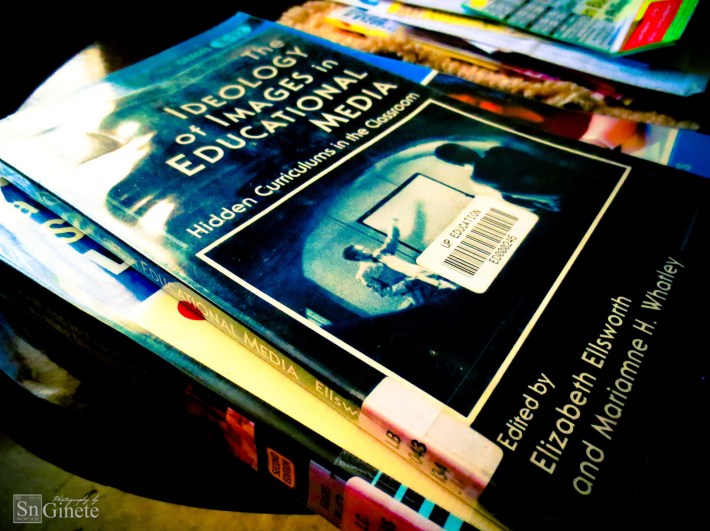
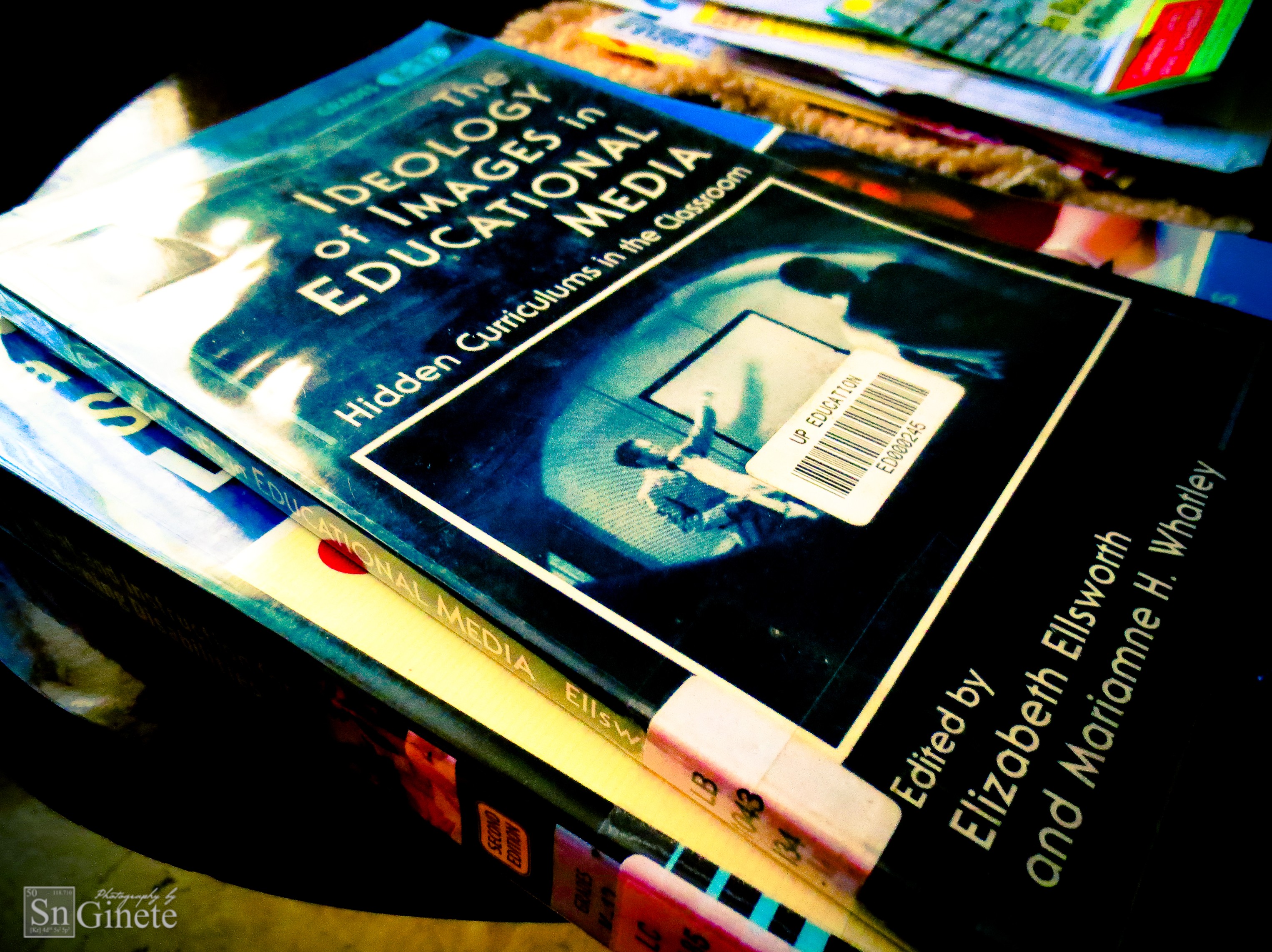
“Hidden Curriculums in the Classroom”
As a blogger, future SPED practitioner and educator, I believe it is my obligation to inform what goes on inside the academe and be critical about its practices. This was a reflection paper I submitted in one of my classes in my grad study.
First things first, let’s define some terms. What is hidden curriculum? As defined in the article entitled “The Hidden Curriculum and Social Studies,”
“The hidden curriculum, what was once referred by John Dewey as “collateral learning,” consists of all learnings that take place in school as a result of actions by school personnel and students. These learnings are normally excluded from statements of what is to be learned through the formal program of studies specified in each school or school district.”
I have found quite a number of issues that prevail until now in our current educational system most especially in public schools. I have been a “public school baby” since Grade 1 until now. I have seen how the traditional system works, how it is applied and what are its effects to the entire student population, me included. In the article entitled “Schools Kill Curiosity: The Regime of Conformity and Obedience,” I would have to admit that yes, most of what was discussed are all true and these situations do happen in our educational system. In the traditional system of instructing students, for example, it is only the teacher who talks in front of the class while the students are listening. And for the entire duration of the discussion, the students never get to interact and share their opinions. Thus, they have this notion that what teacher and the book say, are all true, correct and valid and most of all, students have to conform to how they were taught in the classroom. This method became the norm, sadly, to most institutions.
In the article entitled “Hidden Curriculum and Social Studies” what is stated about Social Studies being taught in a mechanistic way has been true to most schools. It is taught by a teacher who would just read what was written on the textbooks, instruct students to memorize the important dates in the history of the Philippine constitution without stressing on its social relevance and how significant was those dates to social change, and would ask them to copy everything that was written on the board. In that instance, all that the students will learn was the notion that studying is all about memorization and dictations, which, stifle the growth of learning of a child. How? It doesn’t allow the students to be creative, to exert their freedom of expression and to be confident in themselves regarding the things that they can share. They become, as what the previous article has stated, “more cautious and less innovative.” It freezes the learning capacity of the child disabling him/her to use potentials not to the maximum but only to a limited extent.
One article has stated about “control as conformity and obedience” inside most of the classrooms. We view the teacher as the one who is in control, the figure of authority and gets to decide on all the matters in class. Yes, I do agree that teachers do have to retain that authority in the classroom to foster the values of obedience, discipline and respect. But I also believe that there is another way in enforcing them, which is yes, through classroom management. I agree that when you teach the students how to be responsible for their actions and for their thoughts, you teach them how to have that sense of self-concept and be more relenting to the classroom policies when you give them the opportunity and the freedom to make their own decisions. Being able to address the issues by talking it out to them establishes that teacher-student rapport wherein the students become more open to how they feel and they know that there is always that other side of the coin in every situation.
As for Social Studies being used as the best form to exercise the benefits of the hidden curriculum, yes, I totally agree with it. If I am to relate it in the Philippine setting, the Social Studies textbooks didn’t fall short in informing the students regarding the Philippine history and its culture. Minorities such as the “Aetas” and the “Igorots” are described in some textbooks. I cannot speak for all though, as I would be relating this to my own experience when I was a grade school student. Although I also believe that only selected minority groups were included in the textbooks, which, I think is not sufficient in promoting and raising that social awareness, culture wise. I must agree that there is indeed so much to learn in Social Studies as the texts really do convey hidden meanings/messages that cannot be learned technically but only through experience by acting these concepts out. Values, most especially. That is, I guess, one of the most important issues that a hidden curriculum provides to its students. When students become socially aware and the teacher was able to make the students relate to their environment and/or society, only then can the students realize the essence of his/her relationship towards and with that society.
When people ask me why I have decided to be a teacher, I only have one answer. I have seen too much in the educational system from instructional and classroom policies to governance which made me decide that there is so much to change inside the classroom and the educational system in general – a vision that has always been the dilemma of current educators and the educators before me. Breaking into the system is as difficult as preventing one’s self from being “eaten” by the system and resistance will always be there.
But if there is one key value that I have also learned in our educational system, academics, social and political wise, it would be resiliency. To be resilient and be affirmative in what you believe in – conform if the situation ushers towards a positive change and remain firm in pushing through what is best for all. Too much of an idealist is negative in a lot of ways especially if what you aim at is a major and social change but changes will and will happen no matter how small or big it is and no matter how difficult it is to implement.



 The Journeyman's Moments