All About Davao City: Dissecting Its Educational System and Its Culture

Though it was my second visit to Davao, I must say that the place never fails to amaze me, geographically and culture wise. It was a trip to Talikud Island when I first visited Davao along with my co-workers way back year 2009 as my supervisor was a “Dabawenyo” (a local of Davao city). But if there is one thing that differentiates this second visit from the first, it would be the visits to the schools.
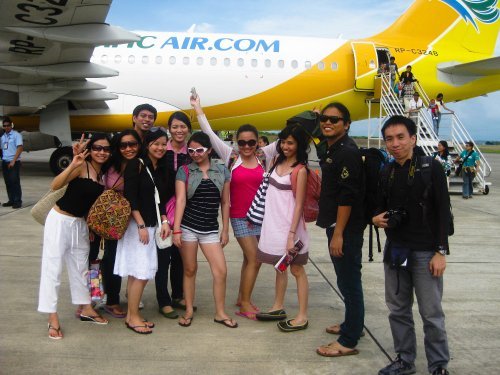
5733_1068079672973_5286359_n

With former office mates (2009)

5733_1068091153260_5986630_n-2

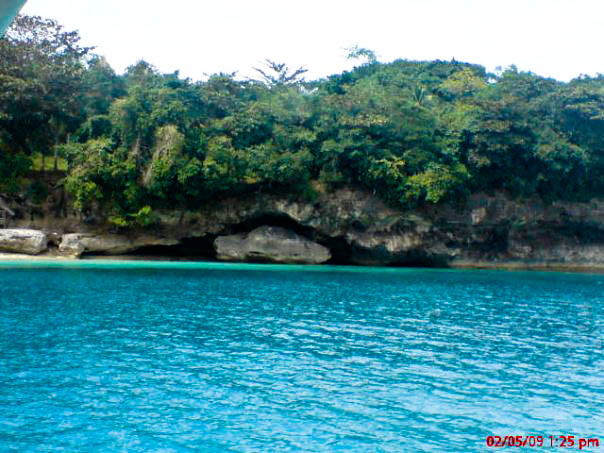
Davao’s Talikud Island

9328_1108288598171_6034786_n-2

Davao’s pristine waters

My second visit to Davao was with my fellow graduate students last February 16-18, 2013 as the field work is part of our requirements in our Socio-Cultural Foundations of Education class in UP Diliman. Before the trip,  I already have my own expectations about the visit i.e. what we would learn regarding the different educational systems that they have in Davao, what kind of classrooms do they have, what kind of students do they cater, how do teachers instruct students, what are the materials that they use for teaching, etc. And as far as my observations are concerned, somehow all my expectations were met and even more.
17

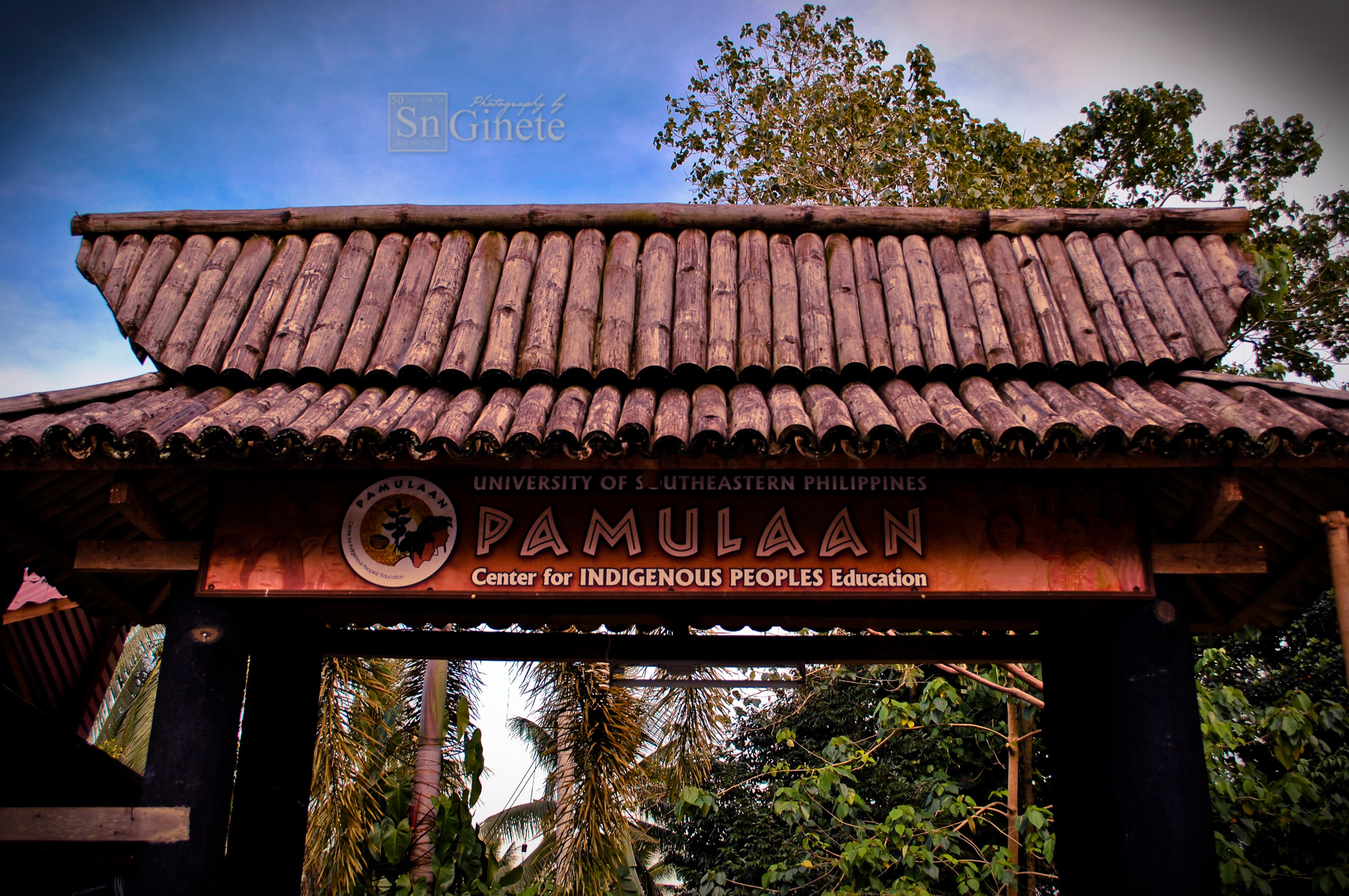
Pamulaan (Center for Indigenous People’s Education)
18

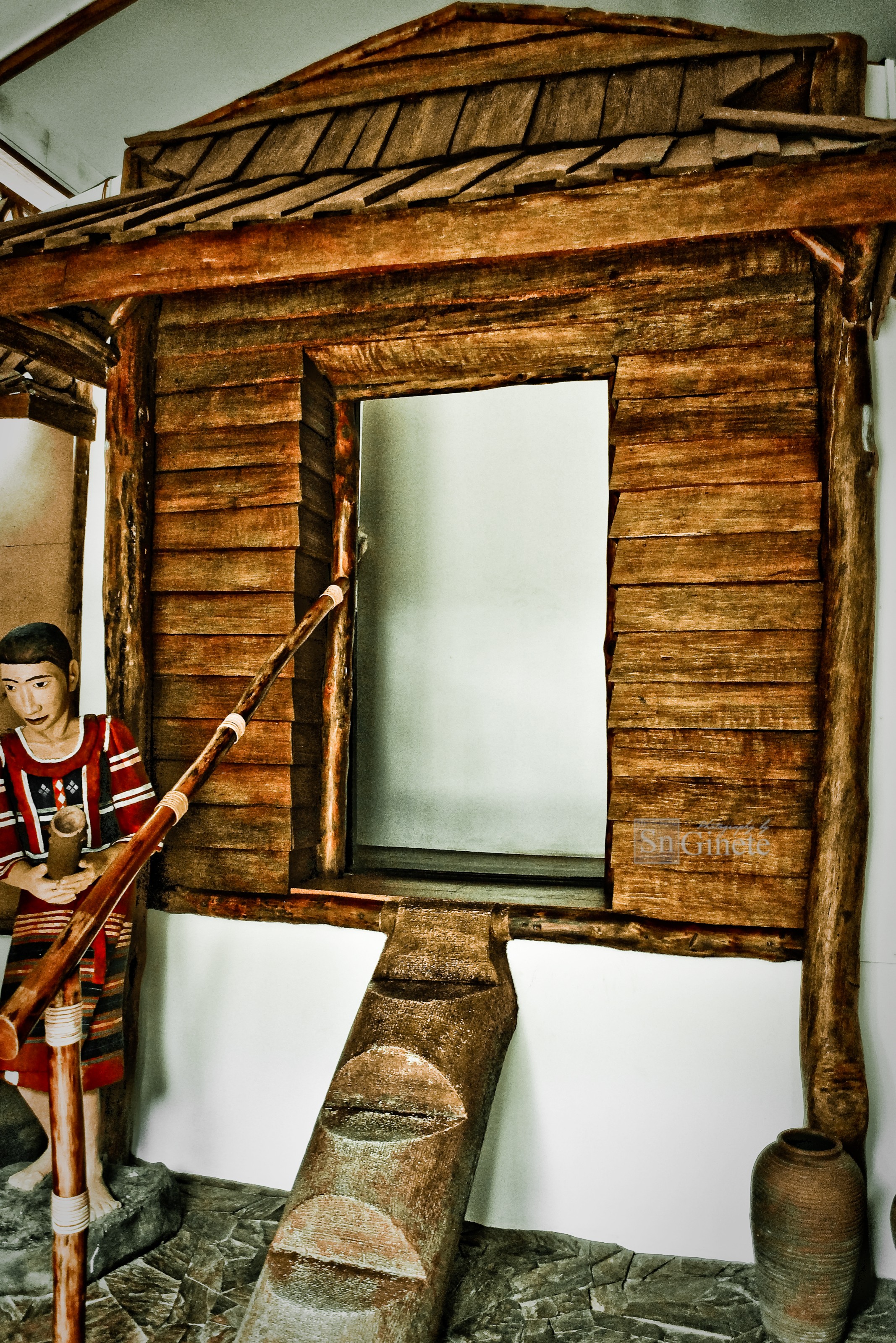
Pamulaan

If there is one thing that I find particularly significant about the educational systems in Davao, it would be the support, active participation and involvement of the local government with regard to the implementation of the said systems. Like for example in the Badjao community, the ALS (Alternative Learning System) program provides opportunities for the settlers in that community to participate in socio-civic affairs which would then allow them to raise their concerns and the issues that need to be dealt with i.e. health, source of livelihood, promotion of wellness for every family, etc. But it posed one certain dilemma – the idea of culture slowly diminishing once the Badjaos were educated. I believe educators, through the mobile teachers, are not just sent out to the field to teach the basics of writing and reading to the people of the Badjao community, old and young. It is also their responsibility to teach the Badjaos how to preserve their culture through the knowledge that they have acquired. For example in folk songs, these can now be written and preserved for the future use of the next generation. In the ALIVE Madrasah, for example, the children were taught Arabic, which is, preserving the native language by passing them on and by teaching them to the younger generations. MTBMLE (Mother Tongue-Based Multilingual Education) also has the same aim and in the class that I have observed, children are more receptive, they are more at ease when it comes to learning and they do participate actively in the discussions. The ALS at the city jail, however, may not be inclined to cultural preservation but it somehow shares the same vision to that of the E-skewala Program and the Open High School of the Davao National High School which look into holistic development of skills to those who may not have the same opportunities as what regular students commonly have.
19

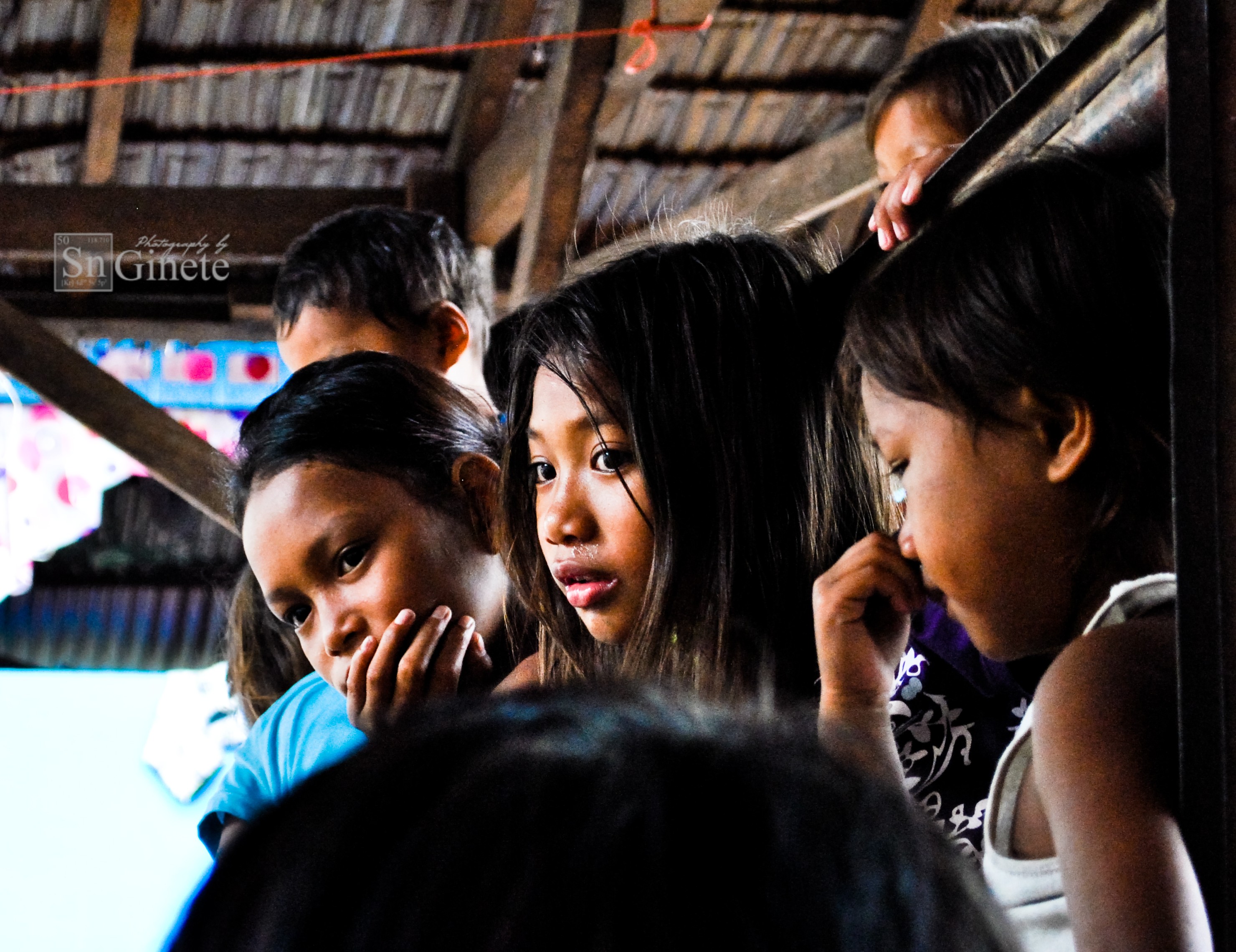
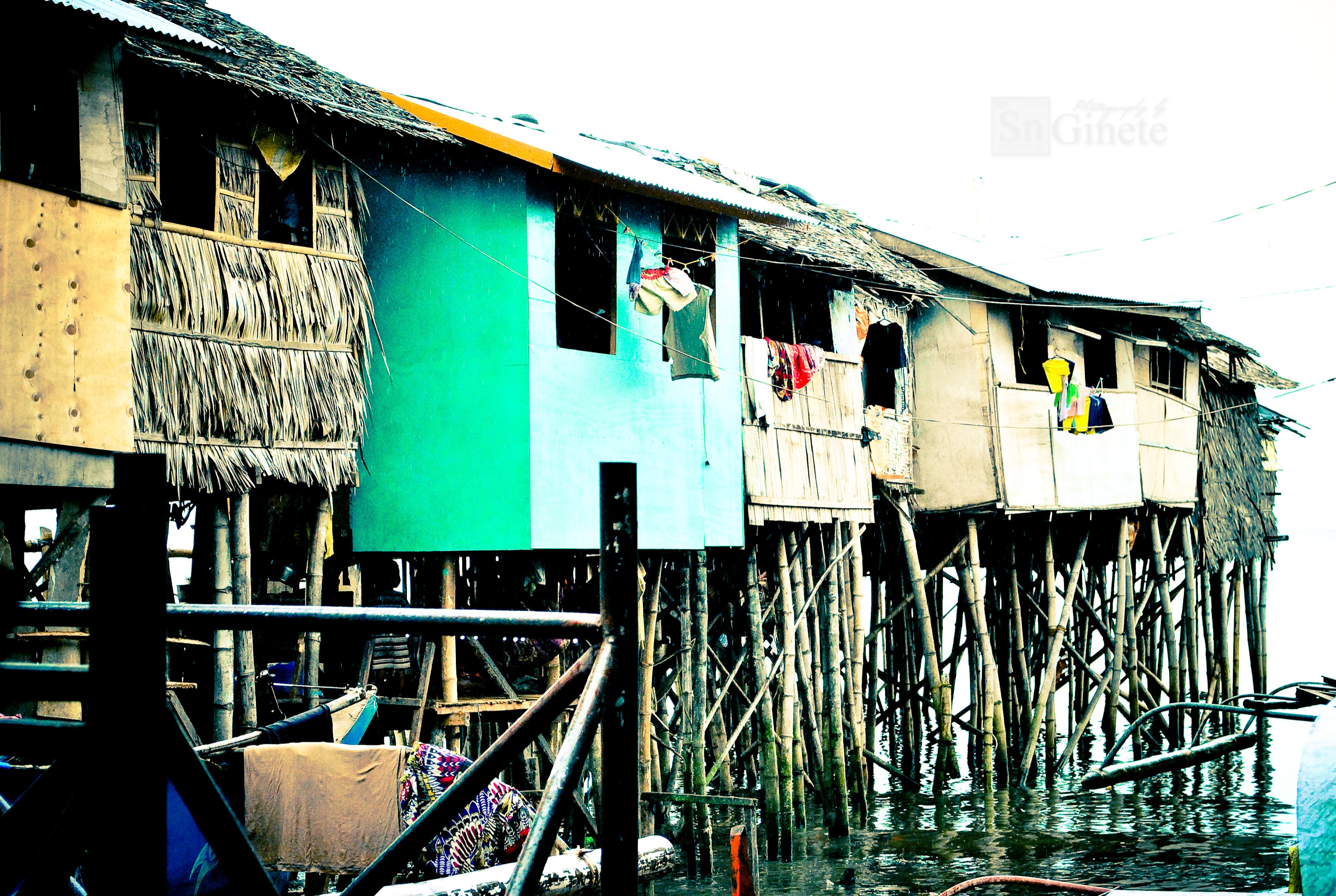
Badjao community

3

ALS among Badjao children

2

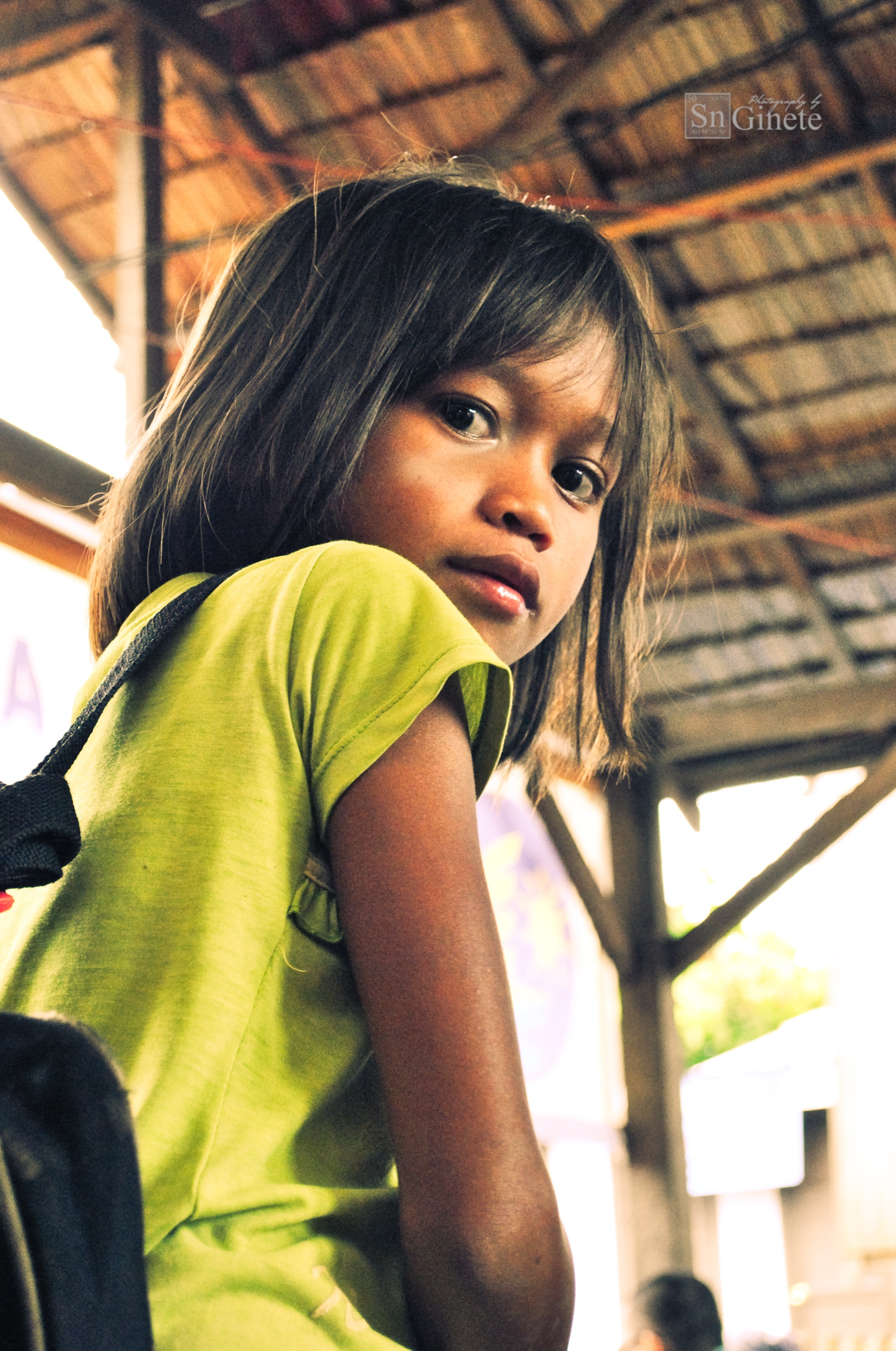
Badjao girl

All the educational systems that we were able to visit in the selected schools in Davao hold one very good vision which would benefit all – both the indigenous groups and the non indigenous groups. I see this as satisfying one very important goal and should be the main goal of every educator and every educational system – breaking down barriers when it comes to providing opportunities in terms of knowledge acquisition, cultural ventures and holistic development of every individual. The Pamulaan College and the ALS at the city jail are very promising projects considering that learning is not held in a regular classroom setting/school. It posits greater challenges not just for the educators involved in running the program but as well as to the learners themselves. Indeed, the society, as a whole, has a huge partaking in making the program a success. For example in Pamulaan College, one challenge that I see in the implementation of their mission is considering how open the society would be when it comes to promoting culture and passing it on by teaching the cultural traditions, beliefs and practices to the younger generation. The idea may sound interesting to foreigners and those who are not particularly in the area, but will the locals, themselves, voluntarily participate in promoting the advocacy and not because it was required by the city government of Davao? It is imperative in every advocacy/mission that they should aim for the success of the system taking into consideration that its success entirely depends on how involved the community is and not only with the supporters and the organizers who run that mission.  I also would like to put emphasis on what kind of opportunities will the graduates of the college have, career wise and will they still devote in promoting the college’s aim even after graduation. As for the ALS in the city jail, it is a huge responsibility not just for the educators but also for the government officials concerned with the project to make the program not just as a one-time, testing project but that its implementation will remain consistent regardless on who holds office both in the department of education in Davao and the local government.

I have observed that when it is time to change officials, the problem lies in keeping the projects running implemented by the previous officials and maintain consistency. Newly elected/ appointed officials also would like to raise and push through with their own projects regarding the educational system and society in general. It will continue to be a greater challenge that a very good collaboration between the local government and the educators would push through as any tension between the two when it comes to promoting projects will and can affect the status of the implementation of said programs.

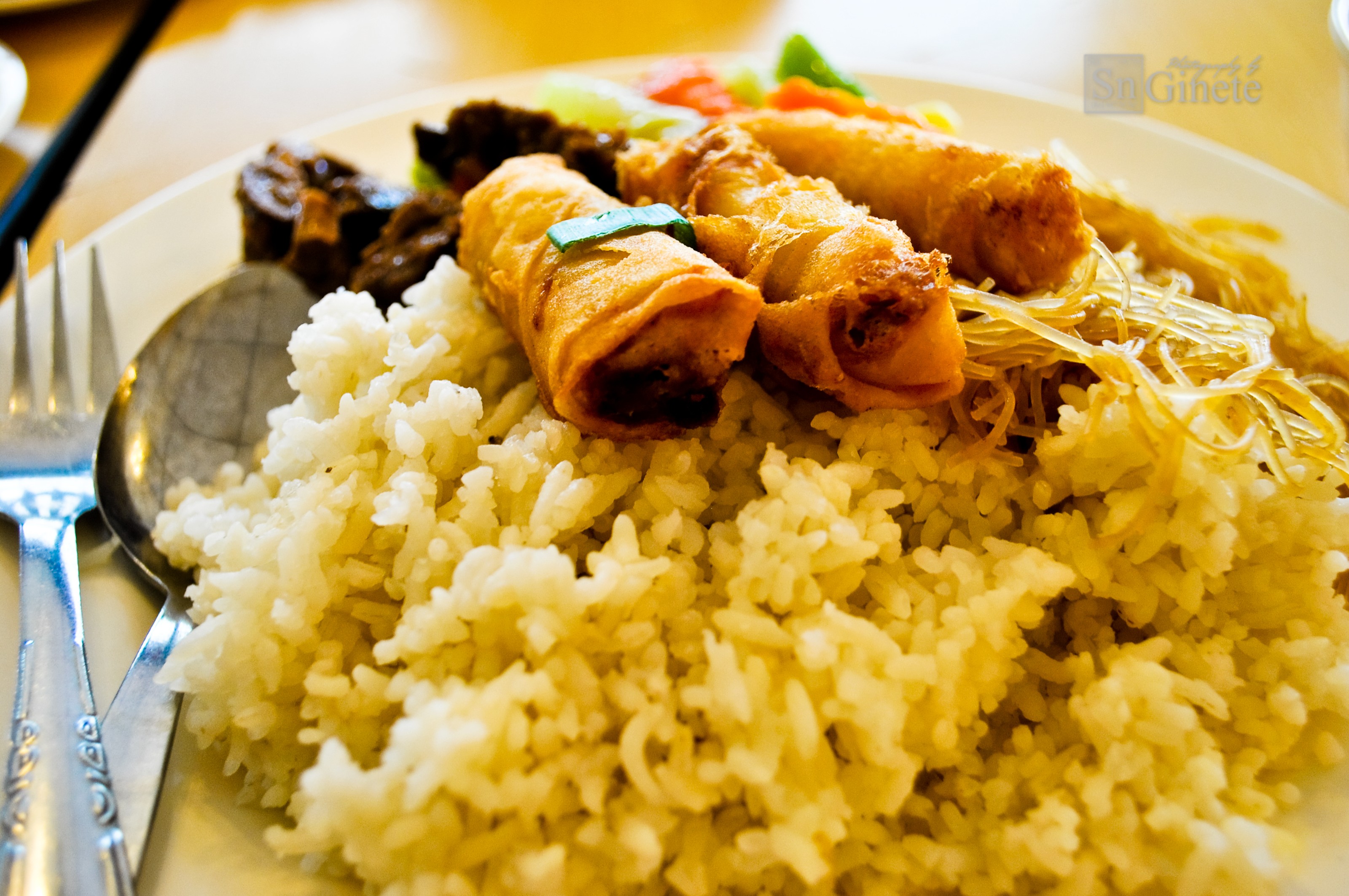
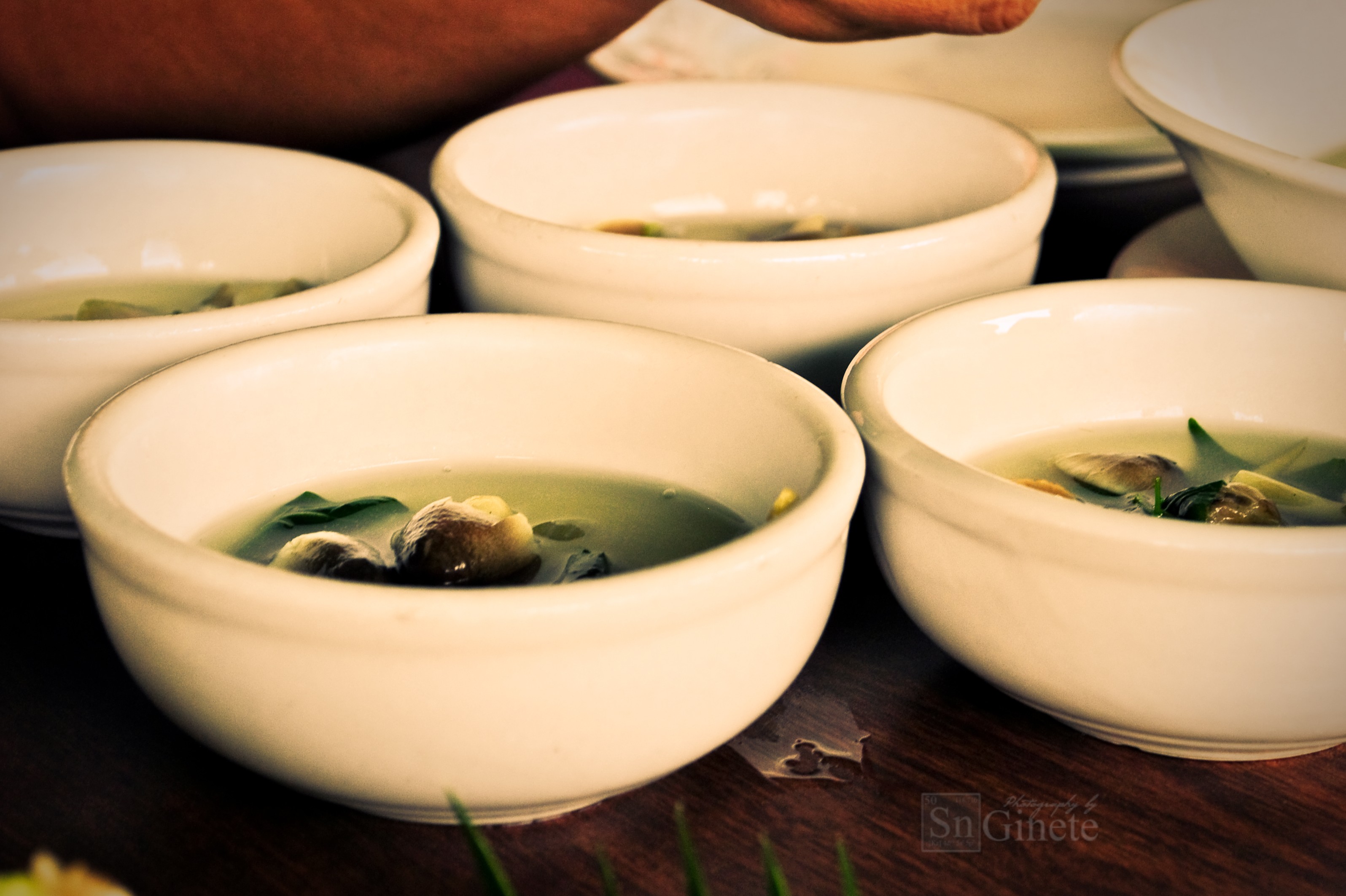
Learning the culture part is where leisure would come in. Yes, the less serious part. I must say that our dissecting Davao’s educational system started and ended on a very positive note. And to cap off the 3-day field work, we have decided to tour around Davao city’s local hot spots at the last day of our stay there. If there is one thing I can say about Davao’s cuisine, it may not be far from the regular dishes we have in Manila, but the recipes have a slight twist to it, making them as a Davao original.
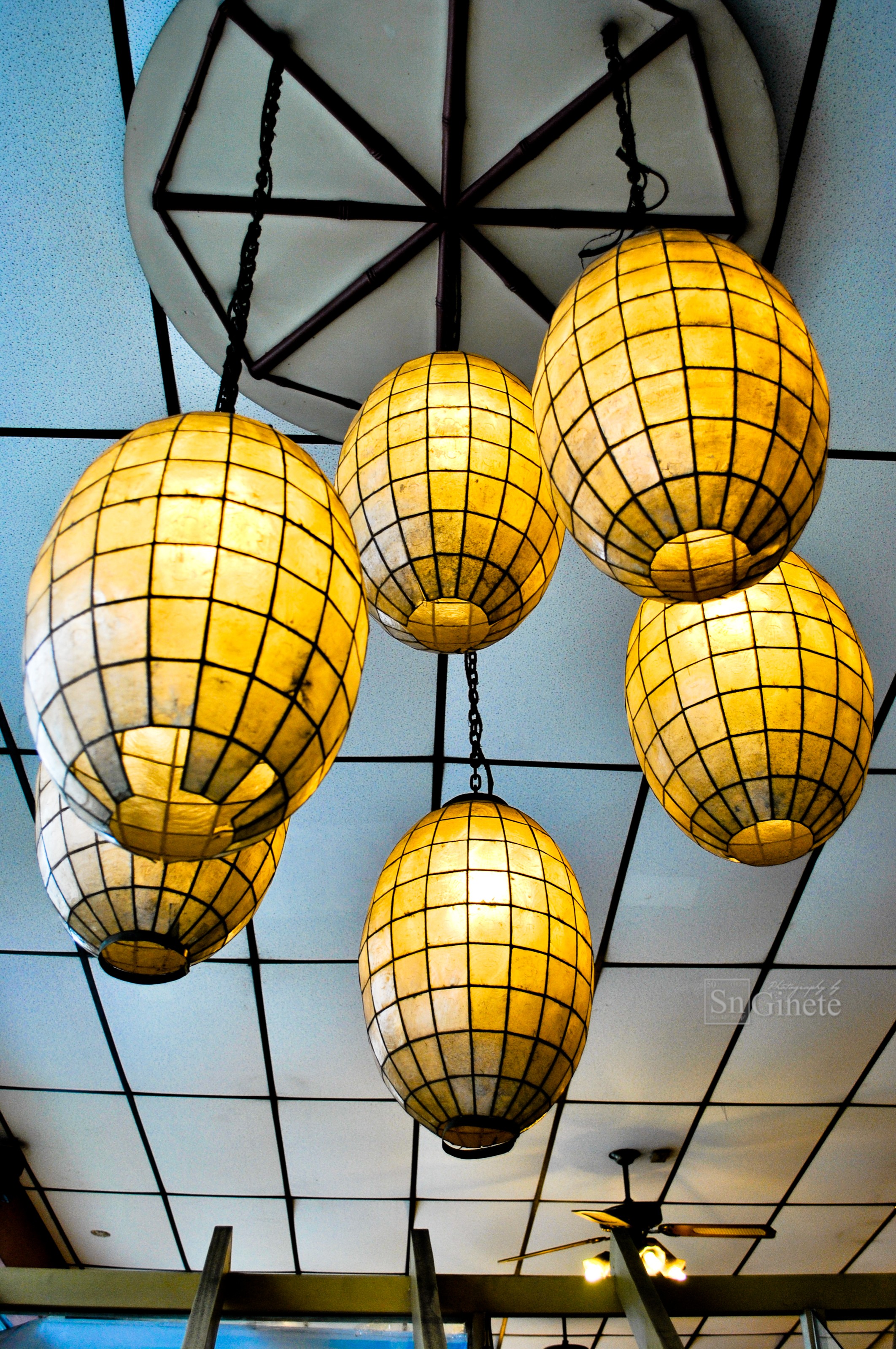
4

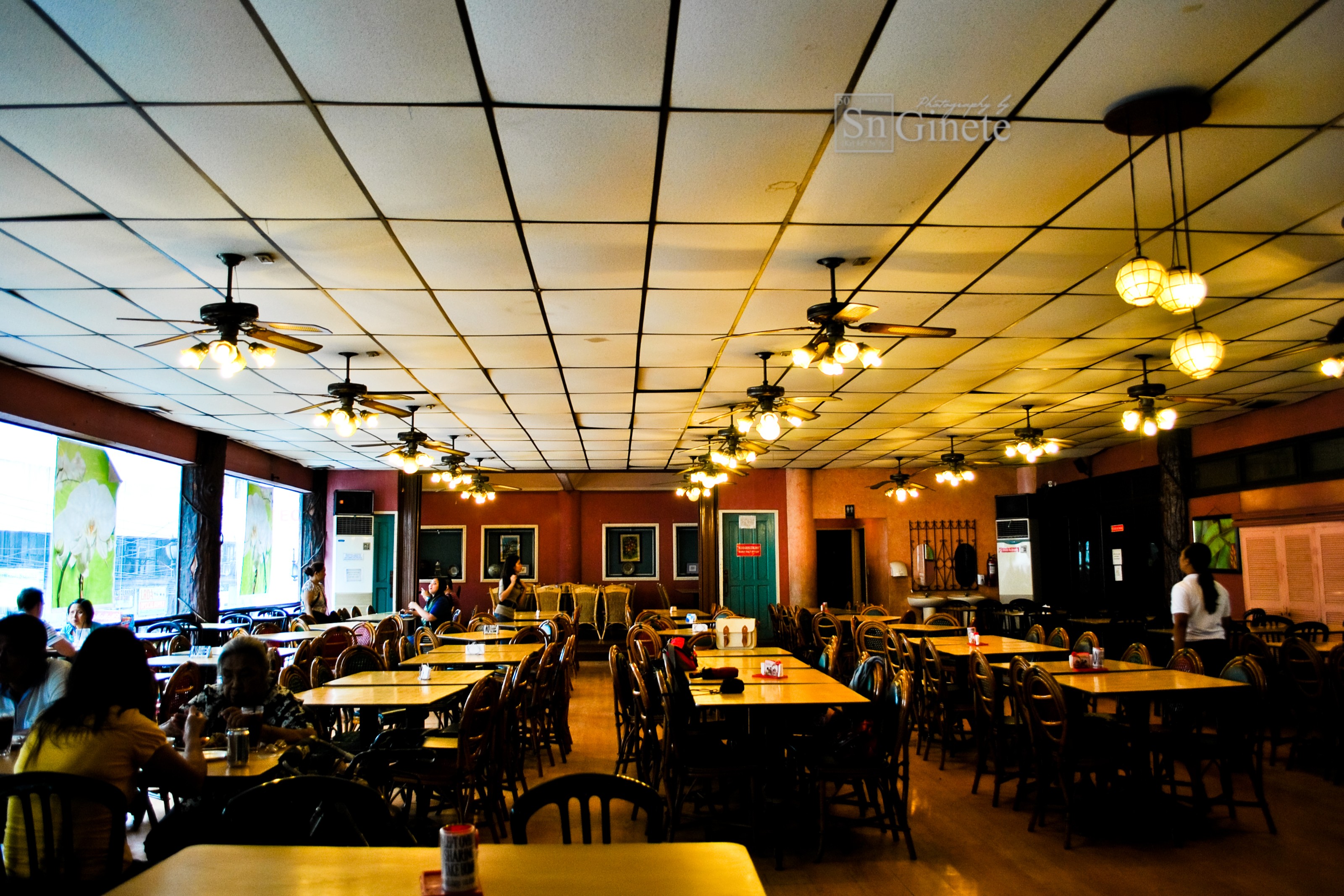
Davao Restaurant

5

Davao Restaurant

7

Davao Cuisine

6

Davao Cuisine

15

Jack Ridge’s Restaurant

1

Jack Ridge’s Restaurant

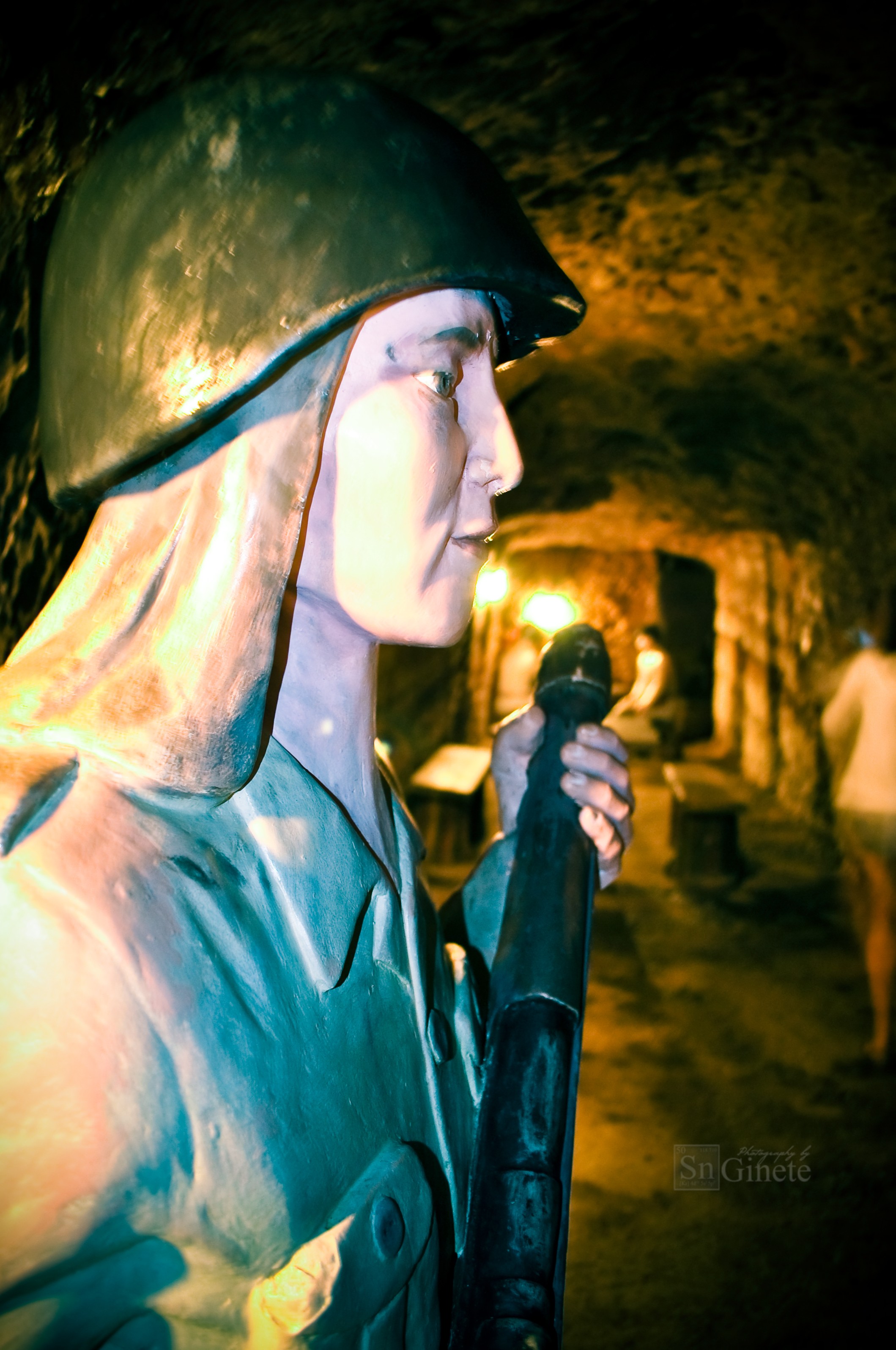
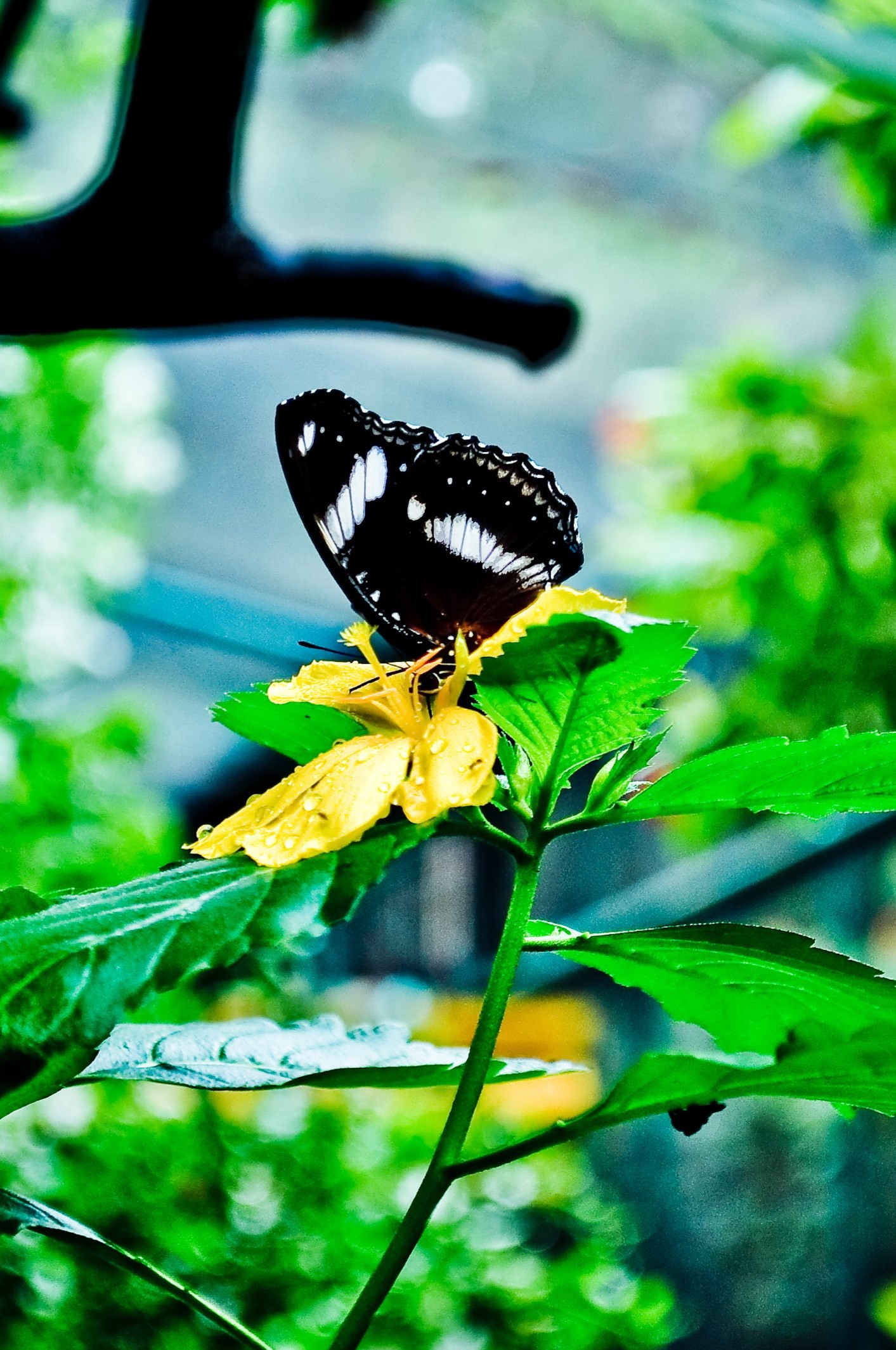
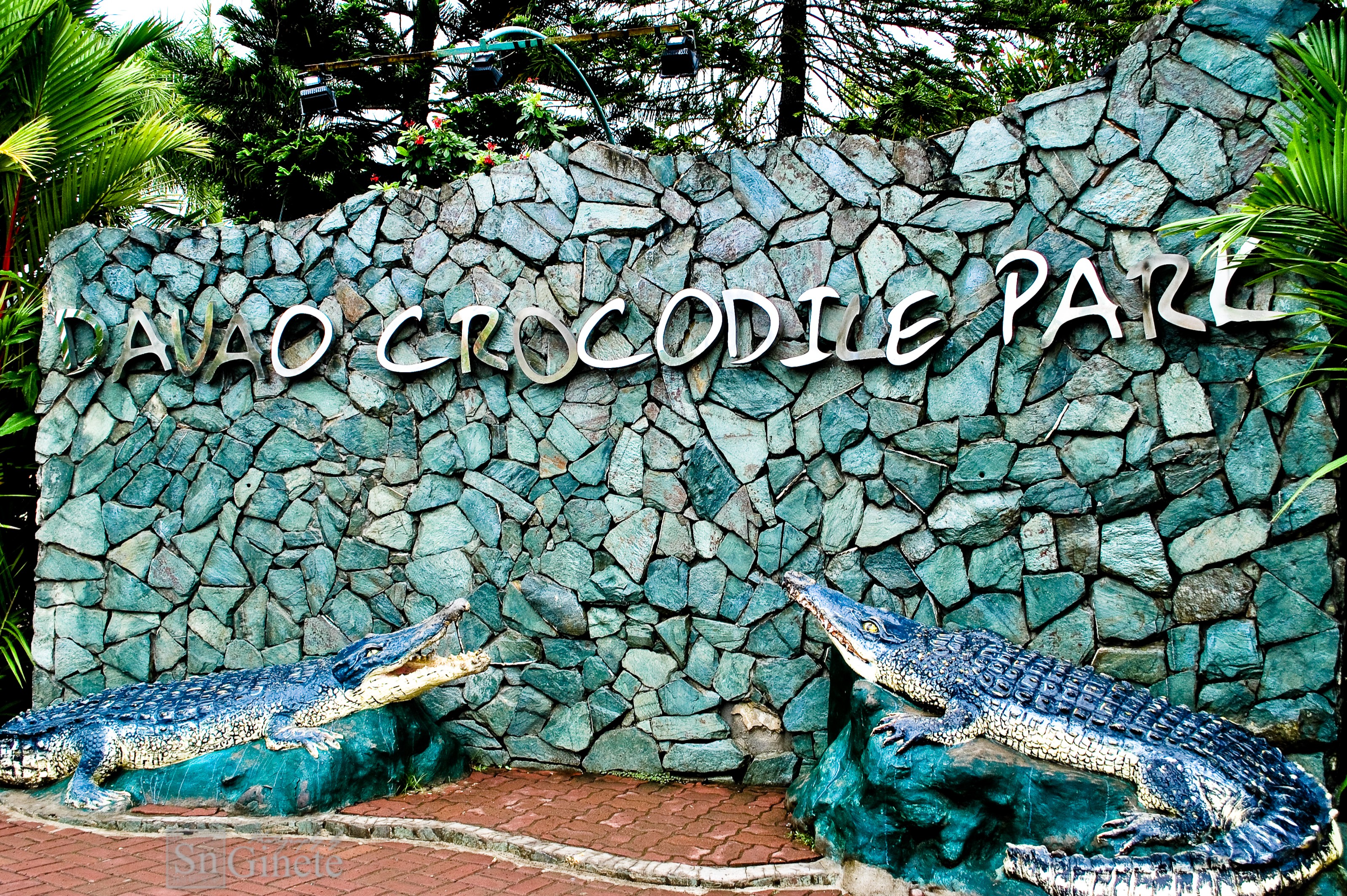
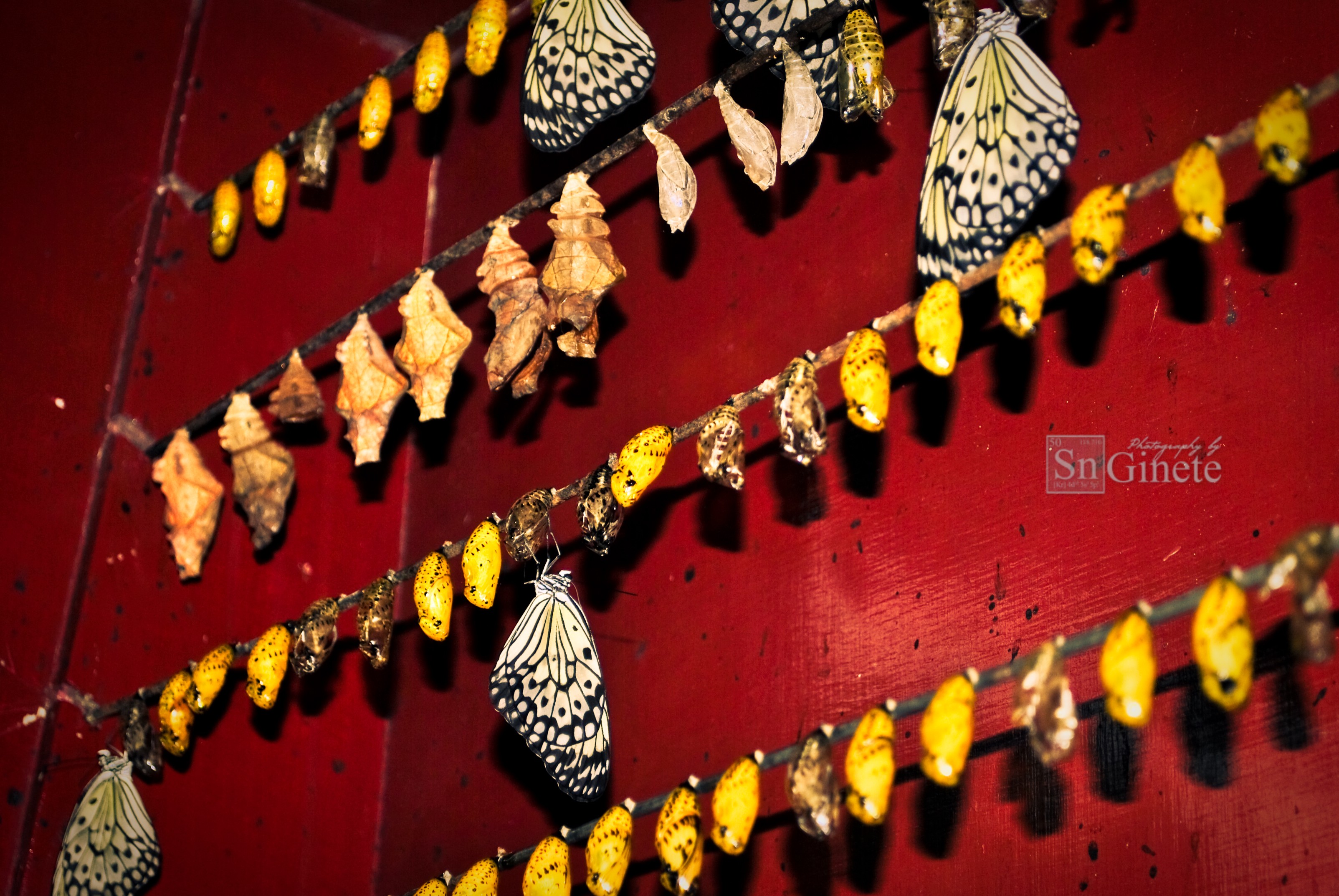
We were able to visit tourist attractions such as the Crocodile Park, the Butterfly house and the Japanese tunnel which all contributed to our having a very fulfilling field work/vacation. I may have been to Davao for more than once already but there will always be something more, something new, and something exciting to look forward in Davao city. Yes, 3 days are not enough for me to completely acquaint with the place and learn more about its culture.

16

Tarantula at the Butterfly Farm

14

Japanese statue at the Japanese Tunnel
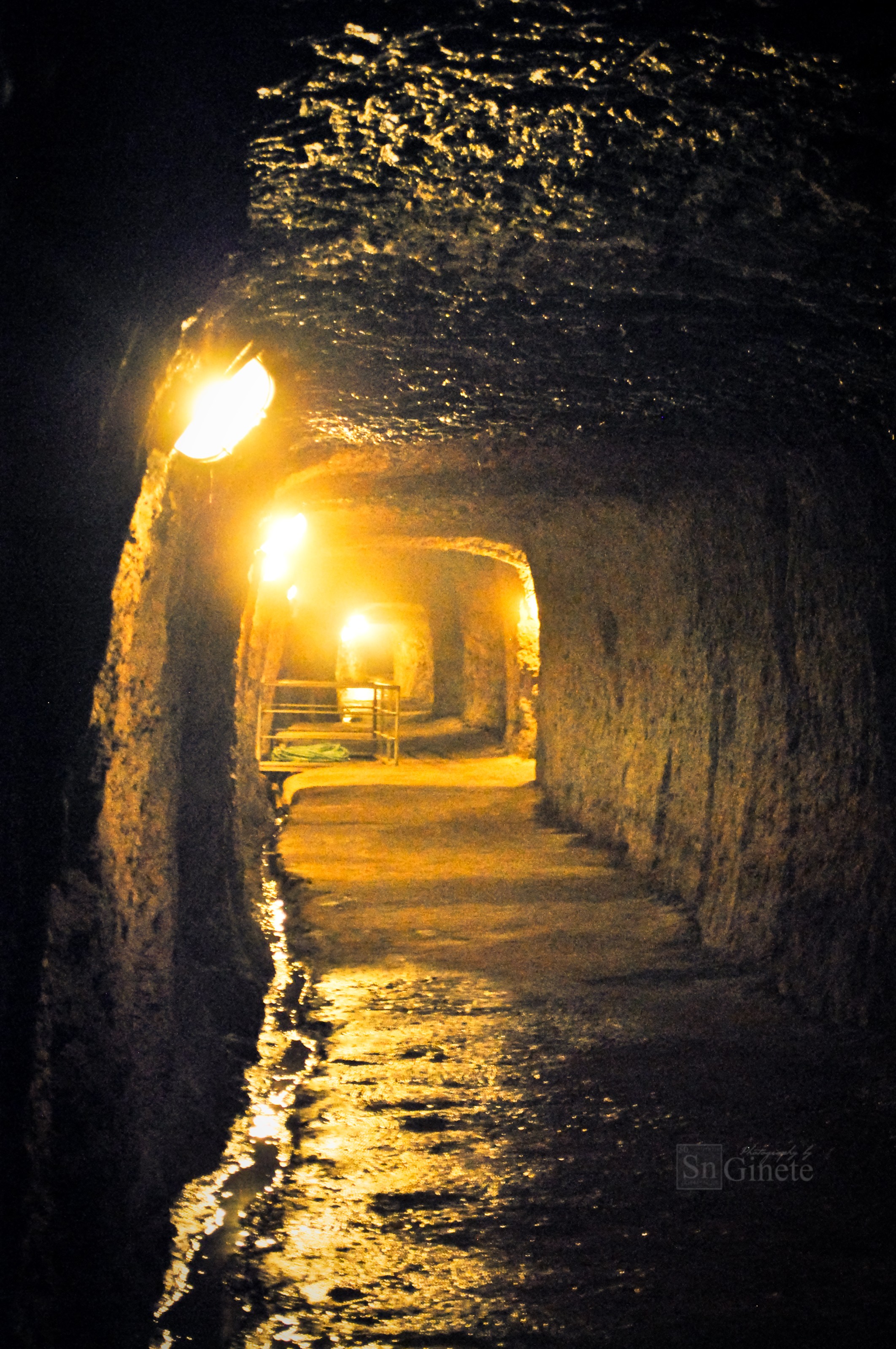
13

The Japanese Tunnel

12

Lotus Pond at the Butterfly Farm

11

Butterfly

8

Davao Crocodile Park

10

Butterfly Cocoons and Larvae

9

Davao Crocodile Farm

Therefore, it is decided that I will make it a point to visit the place – OFTEN. 🙂
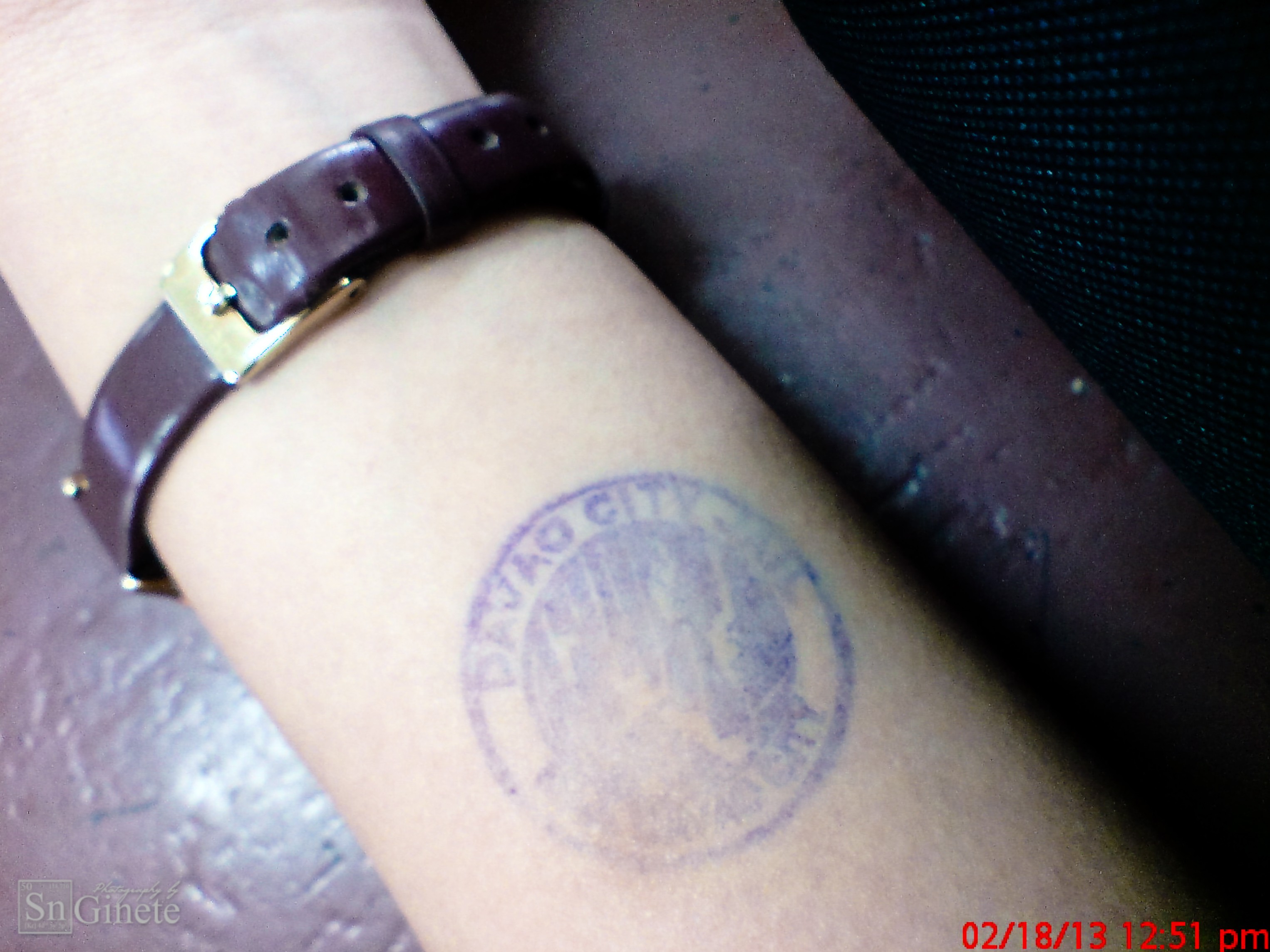
I Have Made A Friend – In Jail

Davao City Jail

Davao City Jail

No. I wasn’t arrested. Just in case you are wondering. 🙂

It was my first time to be in jail. I was nervous. I have always thought of prisons in a very negative manner – a correctional facility for the “bad guys” of society. I expected to see and experience the worst – prisoners taunting us, throwing things while we are looking around, screaming, dirty environment and prison cells.

That was before I entered the compound of the Davao City Jail. When I got inside, I was surprised. I saw colourful homes with curtained windows, flowers, plants, trees and a pavilion with a stage decorated for a program. I saw women sweeping the yard, washing laundry, creating and weaving handicrafts –  it doesn’t look like a jail at all.

Yes, the jail wardens referred to the jail houses as “cottages” and the prisoners as “bakasyonistas” or “tourists.” Their quarters are indeed small cottages and if you weren’t informed beforehand, you might think that there is a small community inside. Except that the settlers are all women – a correctional facility for female prisoners.

Slowly, I became more comfortable as our guide, who happened to be one of the prisoners also, toured us around and explained what the “bakasyonistas” are doing, what the particular cottages are for and how the system in that community works. Our purpose for the visit is to learn about how they run the program on ALS or Alternative Learning System as part of the requirements in one of my classes in my graduate study at the University of the Philippines in Diliman.

The ALS aims to provide opportunities for these women to study and learn while inside the facility to help them earn for a living through the income generated from the handicrafts that they have created. As for the younger women, this will be an equivalent to a vocational course that would certify them of getting decent and promising careers outside when they have served their terms and are released from the facility.

Most of the “bakasyonistas” were detained due to drug-related offenses. Some accounts are based on a drug-busting operation and they just happen to be included because they were at the scene when the operation happened but were innocent of the crime. A classmate of mine and I were given the opportunity to interview one “bakasyonista.”

Her name is *Rosa. She is 25 years old, 2 years younger than me. She has two kids already and she’s been in the facility for about almost 2 years. She and her husband were separated even before she was arrested. When I saw her, I never felt any apprehension how to approach her. She seems harmless. She greeted us with a smiling face, a bit shy. She carries a very light expression about her while we were conversing. We asked her about how she finds the ALS program and found out that she is one of the staff in-charge with the art decorations of the stage. She said that she loves to do art works and she is also one of the women in that community who weaves ladies’ bags out of straw.

She said that it is a very good opportunity for them that they are studying through the ALS because it gives them hope. It gives them another chance to start something good for a new beginning when they leave the facility. I asked her what she plans to do after she has served her term, she said she plans on putting up her own handicraft store and she wanted to see her two kids as she missed them so much already. She said that she seldom sees the kids as they are studying and her mom and relatives are also too busy to pay her a visit. They get to visit her once or twice a year. I asked her when her term will end. She was silent at first, looked at her hands laid out in front of her and then, she cried.

She doesn’t know for how long she will stay inside the facility. In between sobs, she told us she misses her children so badly. Sometimes, even if the facility seems to be a good community and they are treated pretty well, it still feels lonely. She said that yes, they may be seeing homes, flowers, plants – a regular community, but at the back of her mind, the thought still remains that they are prisoners. That though they may be free to roam around the compound, they still can’t leave the facility and mingle with the rest of society, free to do anything they want.

At that time, while she is talking, I wanted to cry too. But I just held her hand and listened. By the end of her story, I told her with a smiling face, “Don’t lose hope. Have your faith in God. He will give you the strength to overcome all those feelings of loneliness and hopelessness. You will get out of this facility, you will be free and you will be able to see your children soon.”

I changed the topic as soon as I said that to prevent her from crying even more. I asked her what she did on Valentine’s Day. She told us that she was one of the “bakasyonistas” who conceptualized the theme for the stage decoration and yes, she had a date. After saying this, yes, the light, bubbly *Rosa was back again. I teased her. I asked who the guy is. She told us that the guy is one of the male detainees at the men’s correctional facility which is the compound next to theirs.

So I wondered how they got to know each other. She said that it was through a dance group, where she and the guy were members, while they were practicing for a dance presentation. After that, they have been sending love letters to each other through a window. She is blushing while saying all these and I can’t help but feel happy for her.

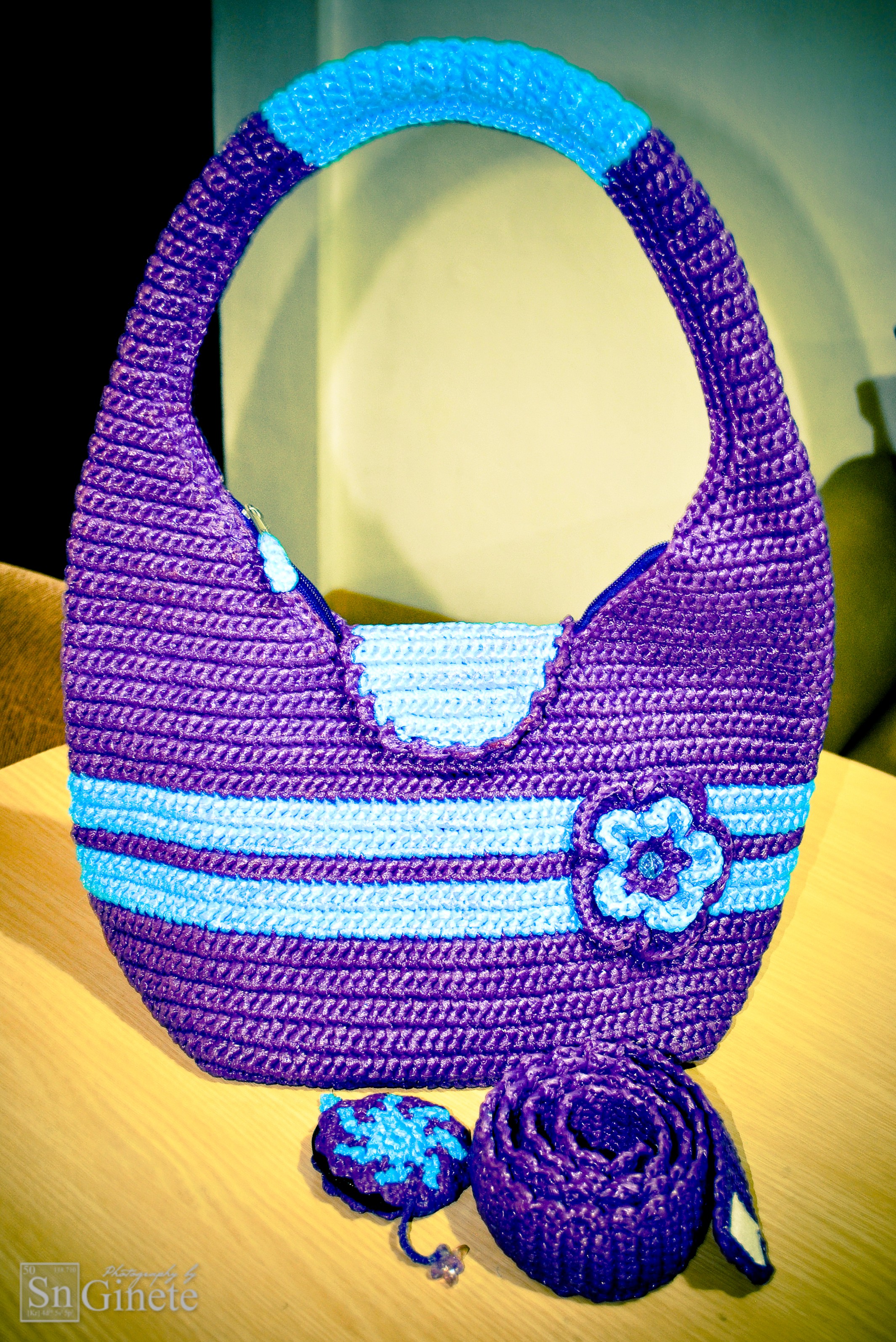
When our professor told us to wrap up the interview, I asked her if she can show me some of the handicrafts she made. She showed me a purple and blue shoulder bag. Being a fashionista, I liked it right after I saw it. I asked her how much is it. She told me it is worth Php350.00 which is equivalent to US $7. I gave her a 500-peso bill and told her to just keep the change.

I was expecting her to say “Thank you” and only that. But no, she hugged me tight, almost jumping from joy, smiled, and told me, almost crying, how grateful she is. She just could not thank me enough; she told me she will use the money to buy her youngest girl a new pair of school shoes. She then told me to wait because she has something more for me. I told her it is fine as we are also about to leave. But she still insisted, so I gave in. She returned a few minutes after with a coin purse and a belt made of the same color to the bag I bought. She is giving them to me, for free, so they would match my bag.

Image

*Rosa’s Handwoven Bag, Belt and Coin Purse All Made of Straw

When she said that, it was I who wanted to cry right then and there. It is a good thing I was able to control my tears. I thanked her and just told her how nice of her to do that and for having a big heart. I told her that I will never ever forget her. I asked her how I can contact her. She gave me the number of the facility and her full name. Afterwards, I hugged her tightly again and she hugged me back just as tight, smiling with a light and happy heart. I, then, bid her farewell.

As I was inside the van with the rest of the class on our way to our dormitel, I began to replay what just happened. Those few minutes that I got to talk to her, see the community and hear their stories, I felt like I have learned a year-worth of experience.

As the facility is starting to get smaller and farther from our view, I can only utter a prayer. A prayer of hope for *Rosa, her children and her family. A prayer for her that she would continue to look into life on a positive perspective despite what she went through, going through and her sacrifices. That she would continue to hold on to her dreams despite all the feelings of loneliness, depression and hopelessness.

Yes, I have faith. I told her to have faith. God is good and loving enough to answer prayers when we repent and ask for His forgiveness. He has a purpose for every single thing that we experience. I told her to be patient. God makes all things beautiful in His time. Just trust and obey.

Lastly, I pray for her heart, that though it may have been broken, though it may have been tainted, it still would remain to be capable of loving and caring.

It was golden. That moment was golden.