Some Photography Tips on Anything MACRO


Tin Ginete

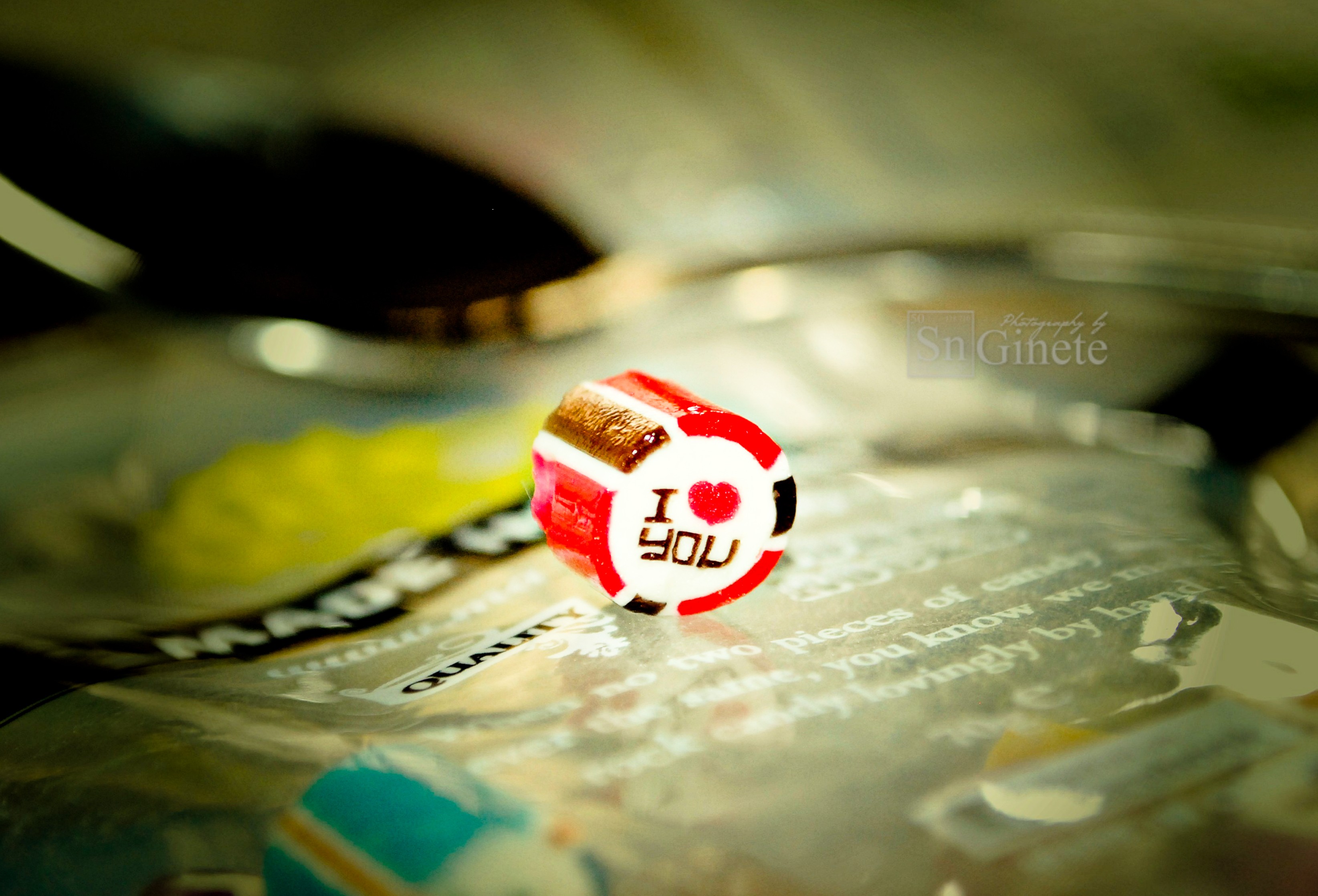
ILoveU

I particularly love macro shots. I believe it is one area of photography that I learned first before I even began learning all about the “rule of thirds,” etc. 🙂

My favorite would be this macro shot of Made in Candy‘s “I Love You” candy which is about 2 centimeters big in diameter. I only use a regular 32mm lens and if there is one item in my birthday wishlist that I would like to have, that would be a telephoto zoom lens. *wishful thinking* 😉
Tin Ginete

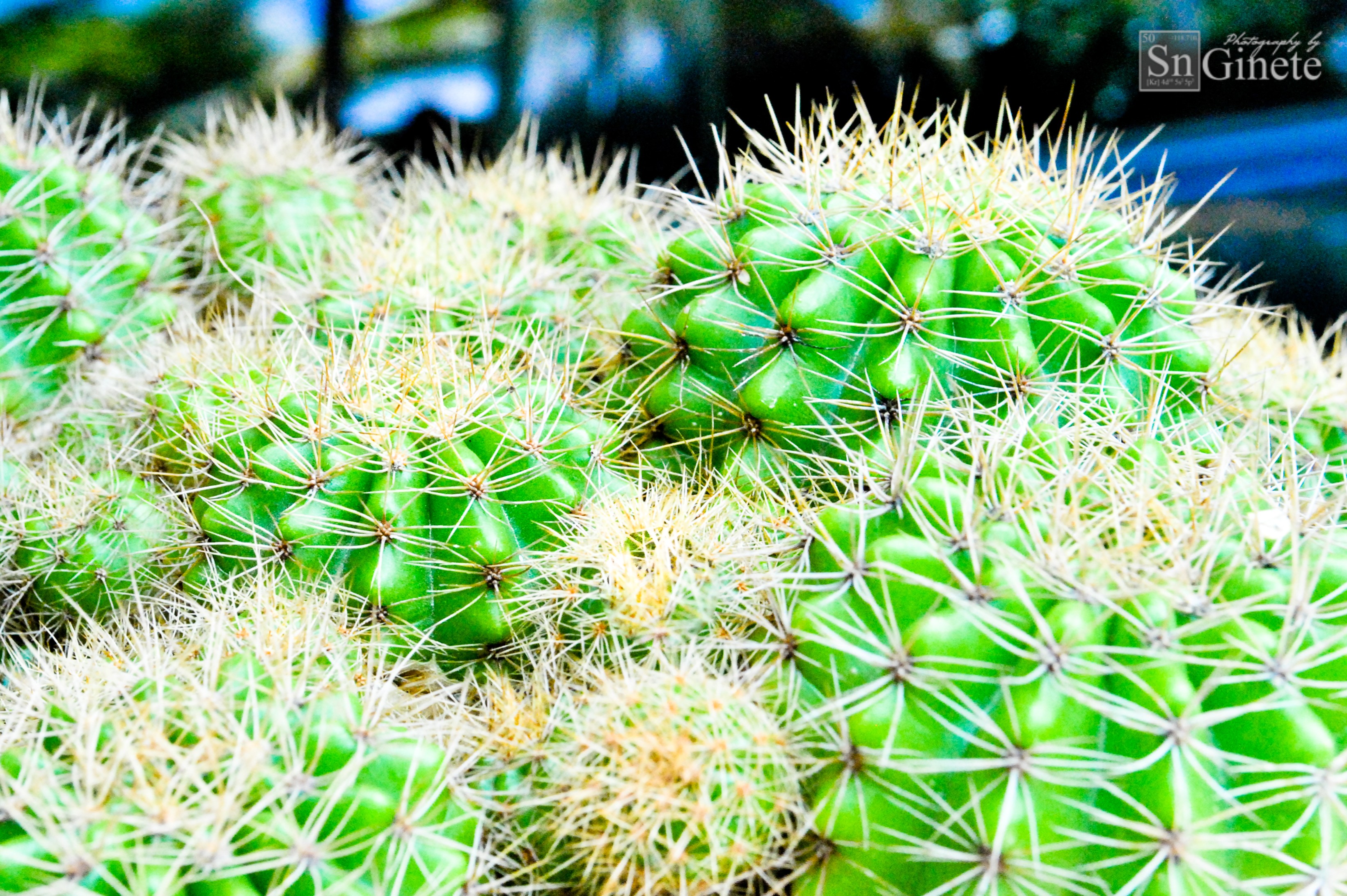
Cactus

I oftentimes use manual focus because I get to choose which part of the subject I like to highlight as well as the areas where I would put more emphasis on. Bokeh is also a favorite photography tip of mine when taking macro shots. It doesn’t completely blur the background and your background still has texture and patterns on it. Although a “clean” background does have its benefits too especially in pictorials and if you wanted to give extra focus on particular details of the subject like the texture of the fabric, intricate design of a piece of jewelry or to highlight the makeup of the model.

Just like in the photo below, I wanted to achieve a smooth progression of my subject and the background. The subject (keys) are detailed enough so to highlight them I opted for a soft blur contrary to a bokeh background. Always use your camera’s f-stop feature to change aperture settings and achieve a blurry background. I tend to do this manually as well.

Tin Ginete

“Keyboard”

But as for me, I don’t really follow rules in photography. And neither am I a professional photographer. I simply point and shoot and rely on my eye for the aesthetics. 😉 I cross-process my photos though using Photoshop but I only use it for color enhancements. And I watch tutorials re tips in capturing challenging photos i.e. moving objects, waterfalls, long exposures, etc. Keep in mind as well reminders from professional photographers you randomly meet during pictorials and events or even from a friend who is more experienced in this field.

If you love photography or just starting to love it, I suggest just go with what you enjoy taking photos of. In time, your shots will become better. Just keep on taking photos, keep on learning and keep on exploring. 🙂
Patterns and Textures

Details.

Never a piece of art can go without them. Never can an artist, a photographer, a fashion designer nor a dancer do their craft without them. In general, never will a project be made complete without them.

In photography, emphasis is given more on the details presented through the photographs. I usually highlight details in my photographs through patterns i.e. angles, positioning, etc. and macro shots.

The following snapshots are just a few of my favorite “detailed” shots:

Tin Ginete

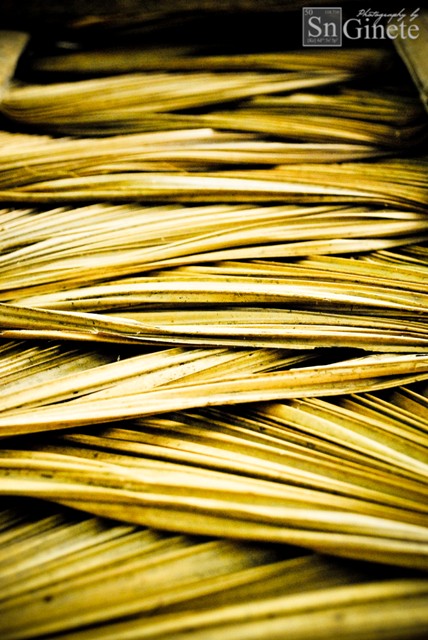
Dried Anahaw Leaves

Tin Ginete

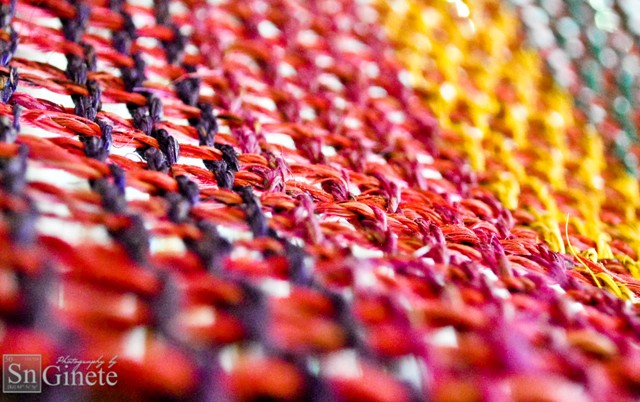
Colorful Woven Chair Made from Abaca

Tin Ginete

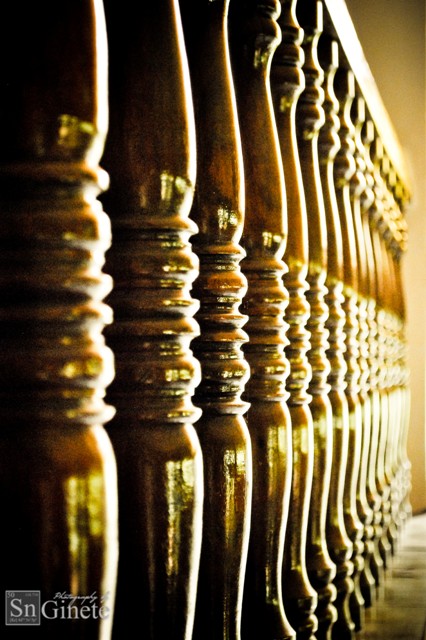
The Balustrade

In life, when patterns no longer benefit you, it is best to break them. Otherwise, the texture of your life will be nothing else but rough most of the time. Make it smooth sometimes, make it glisten, try a different pattern this time. What pattern, you say?

Conversations with God might help. 🙂

Join us for our Mid-Year Prayer and Fasting by visiting this site: http://victory.org.ph/midyearfasting2014/

I See Everything But A Blur

“Like a bokeh!”

Yes, that is exactly what I blurted out during our 15-hour long drive from Bicol to Manila yesterday along with other November 1 and 2 holiday takers. A long trail of red tail lights was all I could see around night time and out of boredom, I removed my eyeglasses to rest my tired eyes – my first, while traveling at night.

With a 20/750 vision on both eyes (normal is 20/20) and a .25 astigmatism on my right eye, my world is a blur when I am not using my eyeglasses or my contact lenses. In other words, I am blind. Well, not really. Let’s just say I only see light and silhouettes. Exactly like a bokeh.

Just in case you are not familiar what a bokeh is, here is a definition I lifted from Wikipedia:

In photographybokeh (Originally /ˈbkɛ/,[1] /ˈbk/ boh-kay — also sometimes heard as /ˈbkə/ boh-kə,[2] Japanese: [boke]) is the blur,[3][4] or the aesthetic quality of the blur,[5][6][7] in out-of-focus areas of an image.

If you want to know more, you can read the entire article here: http://en.wikipedia.org/wiki/Bokeh.

I have always wanted to achieve this kind of photo effect/filter with my Holga camera as lomography cameras are the best when it comes to achieving natural light leaks in your photographs. Unfortunately, I ran out of films already (expensive, they are). So I resorted to the practical ways of photography hoping to achieve the same effect of lomo cameras in dslr cameras and stumbled upon this website on doing bokeh for beginners using Nikon:

http://www.nikonusa.com/en/Learn-And-Explore/Article/h0ndz86v/bokeh-for-beginners.html.

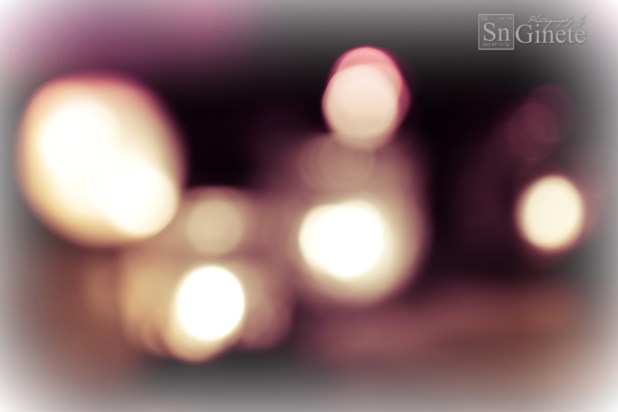
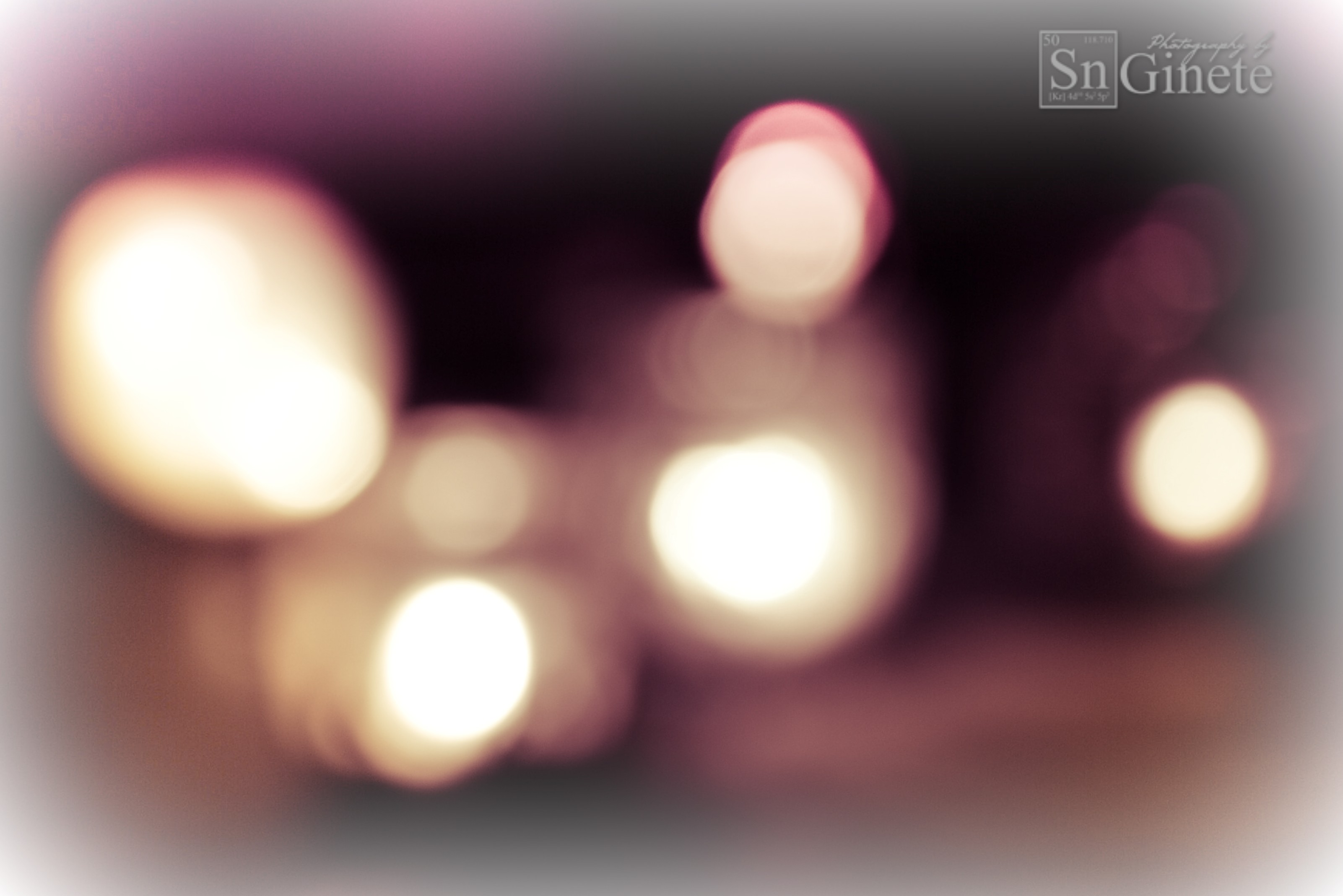
I did exactly that with my dslr camera set to an f4 aperture, manual focus, an oil burner and some candles we have at home under a very dim light and this is what I got:

Bokeh

Bokeh

I told my brother that maybe the one who discovered bokeh has the same visual impairment like mine and saw the beauty in blurred lights, thus, used the concept in photography.

I am having my eye surgery in a few days to have my vision corrected and I am afraid I only have last night as my first and last experience to witness bokeh with my own eyes and without any photography paraphernalia.

Ahh, the beauty of patiently waiting during long travels and appreciating the aesthetics through low vision – no matter how weird it sounds. Well, discoveries were made because of our inquisitive minds, right? Yes, no matter how weird they may sound – at first. 😉

P.S.

I thank God for the safe travel, for the beauty of eyesight and the awesome wonders of this world, tangible or not though I see everything but a blur.

You just gotta love life.  🙂