The musings of a wandergeselle about faith, literature, music, dancing, culture, food, travels, art, fashion, photography, life experiences, and everything in-between from journée to journée.
“So he is a flirt. And you fell for his charms. Are you willing to sacrifice your happiness when he flirts with other girls even when you are already a couple? How long are you willing to take it further when you two got married and you found out his mistress is having his baby – and she is not the only one?
Complicated, it is. Is this the kind of life you wanted for yourself and your future children?”
SILENCE.
So I continued:
“When an inner voice tells you that something is not quite right and when you ask yourself where did you go wrong, that inner voice is the Holy Spirit telling you to REPENT for your sins.
You just cannot go on sinning and then keep on asking God to forgive you. That is not the way things go. That is not what the CROSS meant and why Jesus died for us.
Believe me. I went through the same thing.”
So what now?
“SURRENDER it all to God. Cut him loose. Pray for him. Pray for yourself. Talk to God.”
What if he asks for another chance? Should I give in?
“NO. It is not your battle anymore but God’s. His chances are with God and not with you. You cannot change him. Let God change him for who and how He wants him to be.”
I don’t think I can let him go just like that. I love him.
“Ask God if that is the kind of love that He wants you to have. If you don’t feel right about it, when you are constantly hurt, then ask God to lead you. God would never want to see us crying, to see us broken. He would not send His son, Jesus Christ, to this world and let Him die on the cross if He doesn’t love us.
On the other hand, God wants to protect us from anything evil, from anything that would break us apart, from anything that is unholy. He knows you can get out of that situation. He gave us CHOICES. And as cliché as this may sound, our choices define our destiny in life.
You need not ask yourself if you are going to choose him or Him. It should ALWAYS be Him. Above everything else.”
What are the promises I will feel better afterwards, that I can move on from this and that my life will change for good?
“That is why God taught us things such as FAITH and TRUST. They are the only two things that we can offer to Him in return. Seek Him more.
Life as a Christian, no matter how devoted you are, will never be that smooth sailing. Never forget that there is that other side of the coin, always – the good, the evil; the strong, the weak; etc.
But then again, you have your CHOICES, your FAITH and your TRUST in Him. You should never worry.”
So I thought to myself:
“We may have our battered hearts but never should our souls be tormented. They were meant to be pure, to be holy – untainted.”
So the reader said:
“But we are never perfect. Even the Christians.”
Then I guess you need to read the article again. 😉
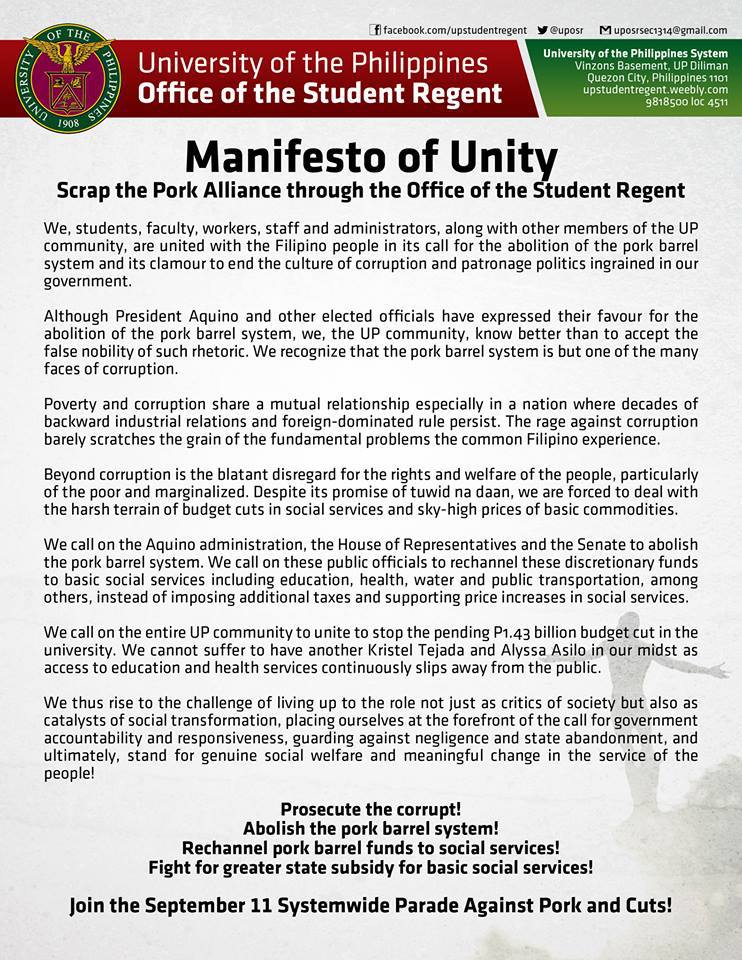
With the issues at hand in the current political system and governance, I can no longer stay mum and just ‘do my part.’ Sentiments of irate citizens are everywhere. If I am to say now that you join me in praying for our leaders and our country and leave it all to that, most likely I will also have a piece of the pork used in the Million People March at Luneta last August 26 thrown at me.
Yes, I understand. A social upheaval against the government means only one thing – it is a call for action. It is time for the public to learn from the consequences of vote buying, of previous officials charged of graft and corruption being reelected in office to just being plain forgiving. Mistakes are repeatedly committed because no one was ever convicted guilty of graft and corruption and has been justly punished for it.
The irony of it all is this – we, Filipinos, are being punished for having the ‘soft’ culture. Is it my conscience that is urging me to speak out and condemn? No, a conscience that goes far beyond my not voting during elections for a decade already. I never cared, it never mattered. My one single vote for a good official is nothing compared to the millions who voted for the wrong ones.
Red
Red symbolizes love and passion yet it also symbolizes rage and war.
I raise red.
A love-hate relationship with my country and my countrymen. But I am a Filipino, I have a ‘soft,’ forgiving heart. I live in the Philippines, it is a democratic country. I am bound by the societal rules but I follow one ruler – God. I chose to pray, to live well and do what I can do in my own little way. How? By asking God through a prayer to lead me to what it is that He would want me to do for me to be able to help. I will wait for His instructions. How will you know? You will know. All you have to do is trust God and Him alone.
Whatever the results of the investigation will be, I will continue doing what is good for this country through the Lord’s guidance. I will not just sit and wait for legislators to do their jobs. I will do my job as well as a citizen – not just by paying the taxes alone but extending help to those who may be directly or indirectly affected by the inconsistencies and irregularities in our current political system. Share what you know to help your fellow countrymen.
Like the picture below. But just like the picture too, it is a gray sun – still not sunny.
Mr. Sun
But I cannot let it dampen my spirits, can I? 🙂
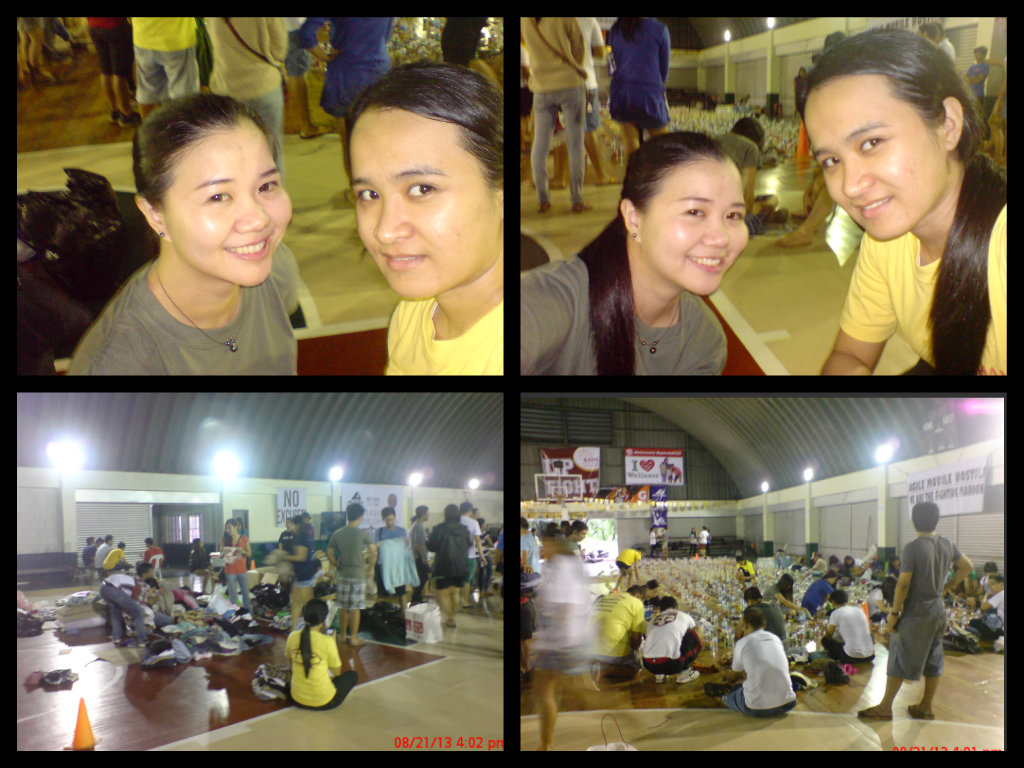
So yes, the rain poured and out I was with one of my best college buddies to help out in the Isko Operations held at UP Diliman. We helped in the packing of canned goods, water, medicine, clothes, and food that will be deployed in areas here in Manila and neighboring provinces that were flooded due to the heavy rains brought about by typhoon Maring.
Isko Ops 2013
It’s just been an hour since I got back from the relief ops and I can feel my aching limbs, stiff fingers and shaking knees as I was typing but it is all worth it.
It is all worth it.
I thank God for all the volunteers and to the volunteers too who helped in the relief operations as well as to those who sent in their donations. Indeed, in times like these, that one Filipino trait keeps us all together, “bayanihan” (camaraderie).
Please continue praying for those who were affected and please pray for the deployment volunteers as well who also risked their lives helping everyone to safety.
This has been my second time to volunteer in the Isko Ops, I believe I will be doing it regularly from now on. Looks like I will be having my New Year’s resolution as early as now. 😉
“Education is the most powerful weapon which you can use to change the world.” – Nelson Mandela
Wisdom and knowledge are two different things. My small group in church, led by our Victory group leader, Sheryl, shared a discussion on these two Sundays ago. Just to get to the basic definition of the two, knowledge is all about facts, and wisdom is how you use those facts for good.
Nowadays, education is regarded by most as a tool to gain knowledge. My question is this – is wisdom being taught in schools as well? Or is it what most would say too – education happens everywhere. Learning, so to speak. Or could it also be this – the school prepares, the society teaches. The school offers knowledge, society, and life in general teach wisdom; theory for the former, application for the latter.
Concepts can be very passé. But time and circumstances can change them. I aim to educate people. I see myself doing more of what is in the photo below – extending educational services to those who do not have the privilege to be in schools in the future.
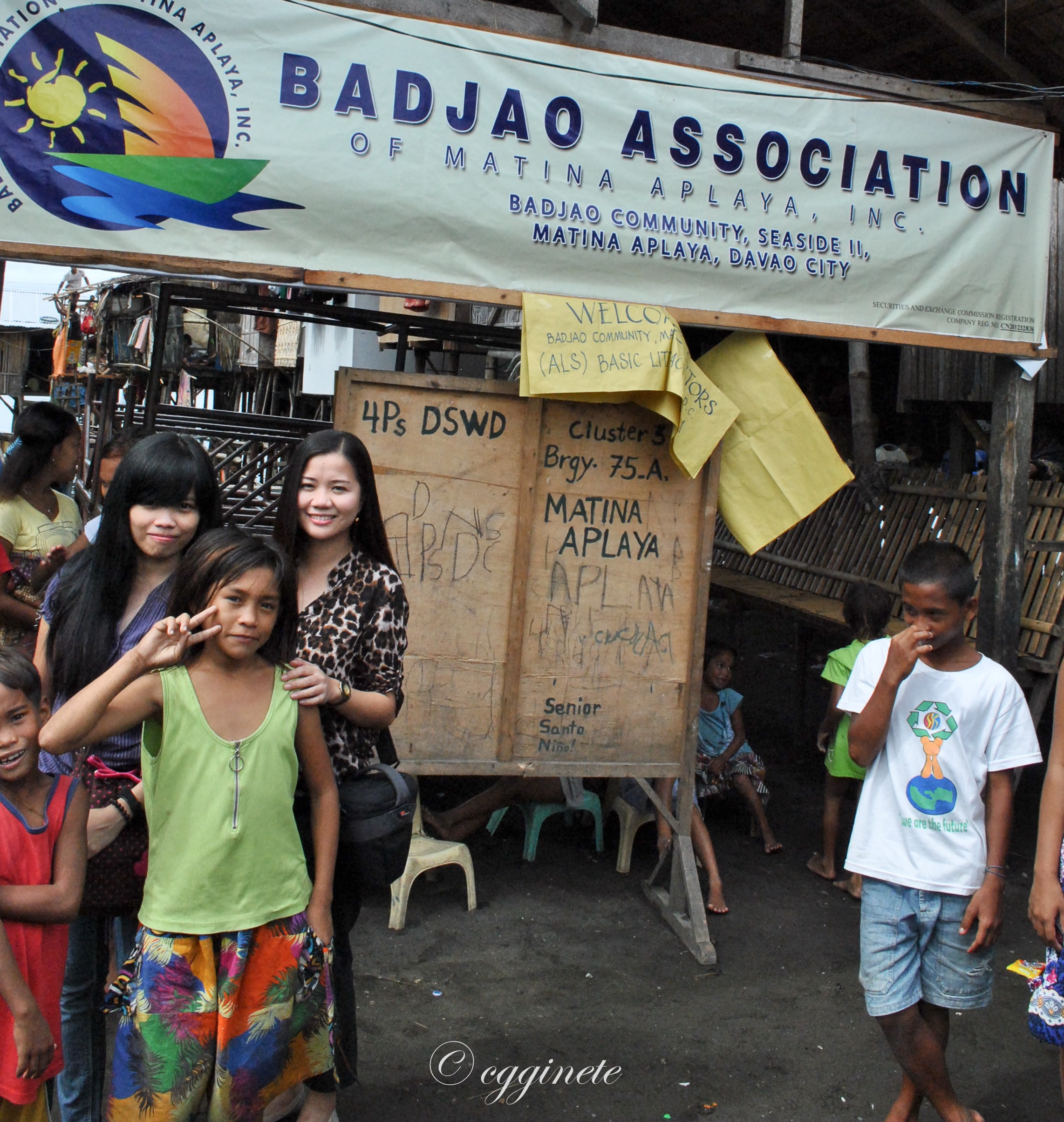
I also am still in the stage of gaining knowledge to gain wisdom when I get the chance to be out in the field and apply them – prepare and equip first. The photo below was taken during our visit to the Badjao community in Davao City to observe how the community runs the Alternative Learning System.
Alternative Learning System in the Badjao Community in Davao City, Philippines
But I have one challenge to myself and to other educators – the bible, THE book of all books. Didn’t you know that even for us, adults, more can be learned from the bible? I believe I need not ask because that’s a given, a stated fact. Yes, there are a lot of articles and books that teach us about a lot of things. But the basic foundations of learning can be found in the bible.
A lot have interpreted the bible. A lot have quoted the verses. Some used it to condemn. Some used it to glorify. I have no right to judge and say who said it right, who interpreted it wrong.
Because I personally believe they are all correct. I do, however, think that the bible was made to serve as our personal guide and as a reminder when we tend to be dissuaded every now and then from our good faith and in our beliefs.
But it is still through God that we can gain greater wisdom. How? We read the bible, then we ask God in a prayer to reveal what He meant by those verses that we have read.
We can also share our testimonies and experiences, then back it up with the bible verses. In other words, this is the pattern we can follow when it comes to acquiring knowledge through the world and reviewing it through the bible if it follows God’s standards.
Culture-wise, it is difficult to incorporate everything – Christianity, scientific knowledge, and wise, practical ways into one bundle and be assured that all will blend seamlessly. I think it will always be a constant dilemma, a difficult proposition, and a challenging task.
This is where I hope to seek wisdom; this is how I seek wisdom. When all else becomes too confusing, I go back to the highest and superior mentor and teacher, I ask God. But God most likely will say – the first thing that I wanted you to learn is this – patience. Have that, and then you will have your answers. They will be revealed at the right time.
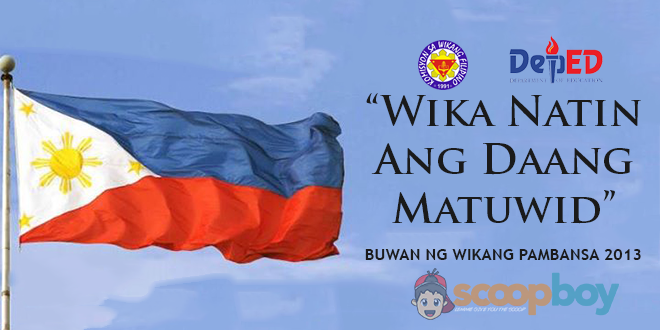
August is National Language Month here in the Philippines or what we commonly call as “Buwan ng Wikang Pambansa.” In line with the month-long celebration and as an artist and a poet, I have written a poem using our native language which is “Filipino.”
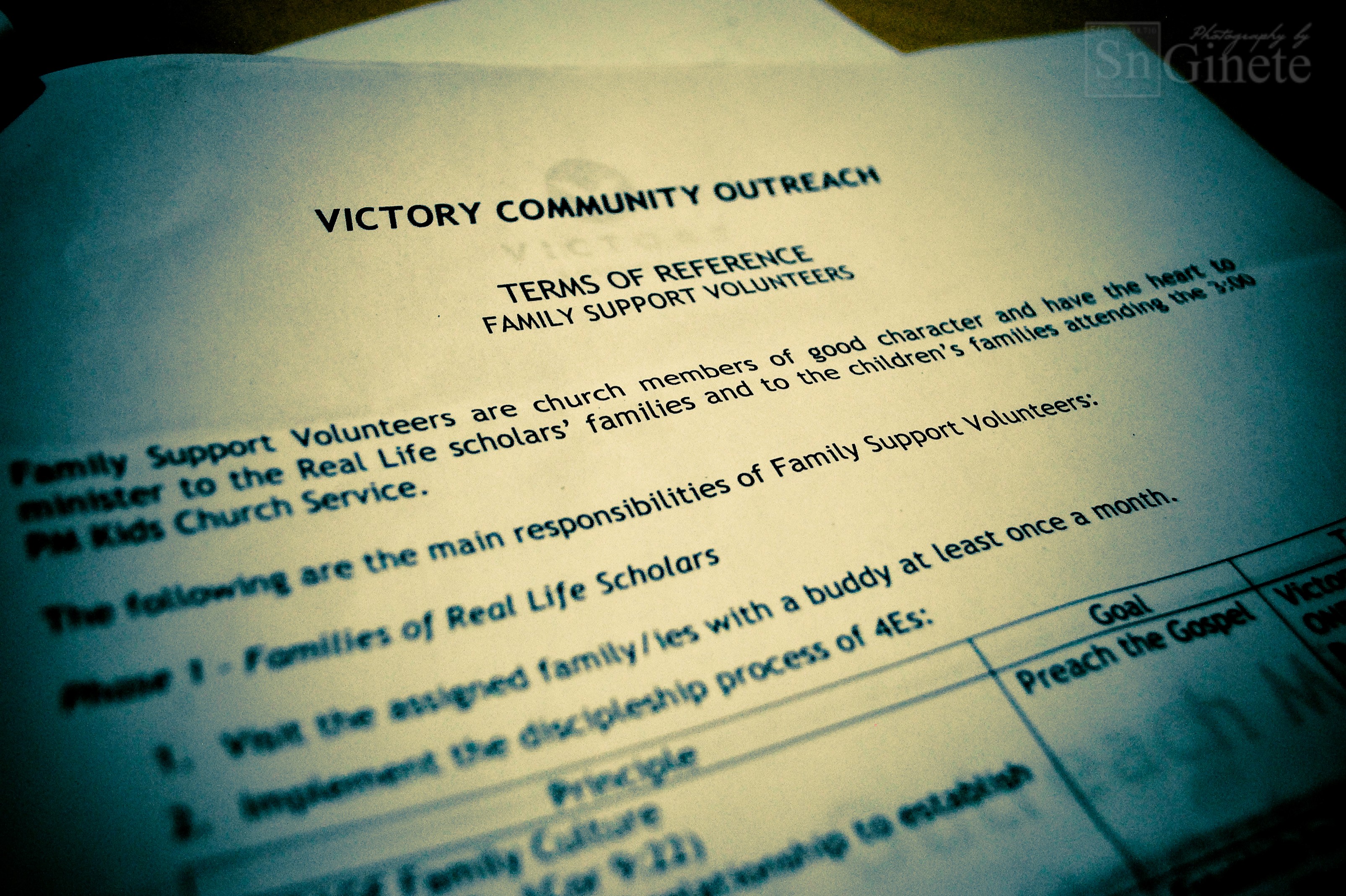
The Victory QC Community Outreach (VCO) is one of the first ministries among Victory churches that conduct outreach services and medical missions.
“One of its aims is to expand the kingdom of God in needy communities by engaging, establishing, equipping, empowering, and organizing individuals, families and groups. It endeavors to facilitate changes for community transformation where the multi-dimensional needs of people are addressed through participatory faith and actions.”
It offers two volunteering positions, the Outreach Event Volunteer and Family Support Volunteer.
For the Outreach Event Volunteer, the following are the tasks and duties:
– fills in staffing requirement for outreach events (e. g., ushers, registration assistants, etc.)
– engages the people in the community
– attends meetings with Coordinator for Special Events as scheduled
– attends special meetings and activities as needed (e.g. manning Community Outreach booth during recruitment Sundays, etc.)
– reports directly to the Coordinator for Special Events.
For the Family Support Volunteers, they should be church members of good character and have the heart to minister to the Real Life Foundation scholars’ families. The following are the tasks and duties:
– visits the family at least once a month
– implements the discipleship process of 4Es
– prepares and submits monthly reports to the Coordinator for Families
– attends meetings with Coordinator for Families as scheduled
– attends special meetings and activities as needed (e.g., manning Victory QC Community Outreach booth during recruitment Sundays, etc.)
– reports directly to the Coordinator for Families.
I already volunteered in these two positions. We are currently looking for more volunteers. If you are interested, please do not hesitate to contact us at victoryqc.org and www.igivetolife.com.
It is always an honor to be of service to God by helping our fellow sisters and brothers in Christ. 🙂
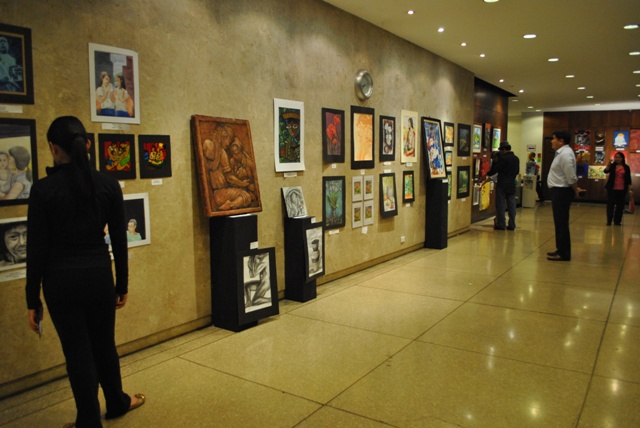
This was what my friend and former co-worker, Sigrid, told me when she asked me if I could donate some of my artworks for an exhibit.
A donation for a good cause, I never hesitated. An answer was given – YES.
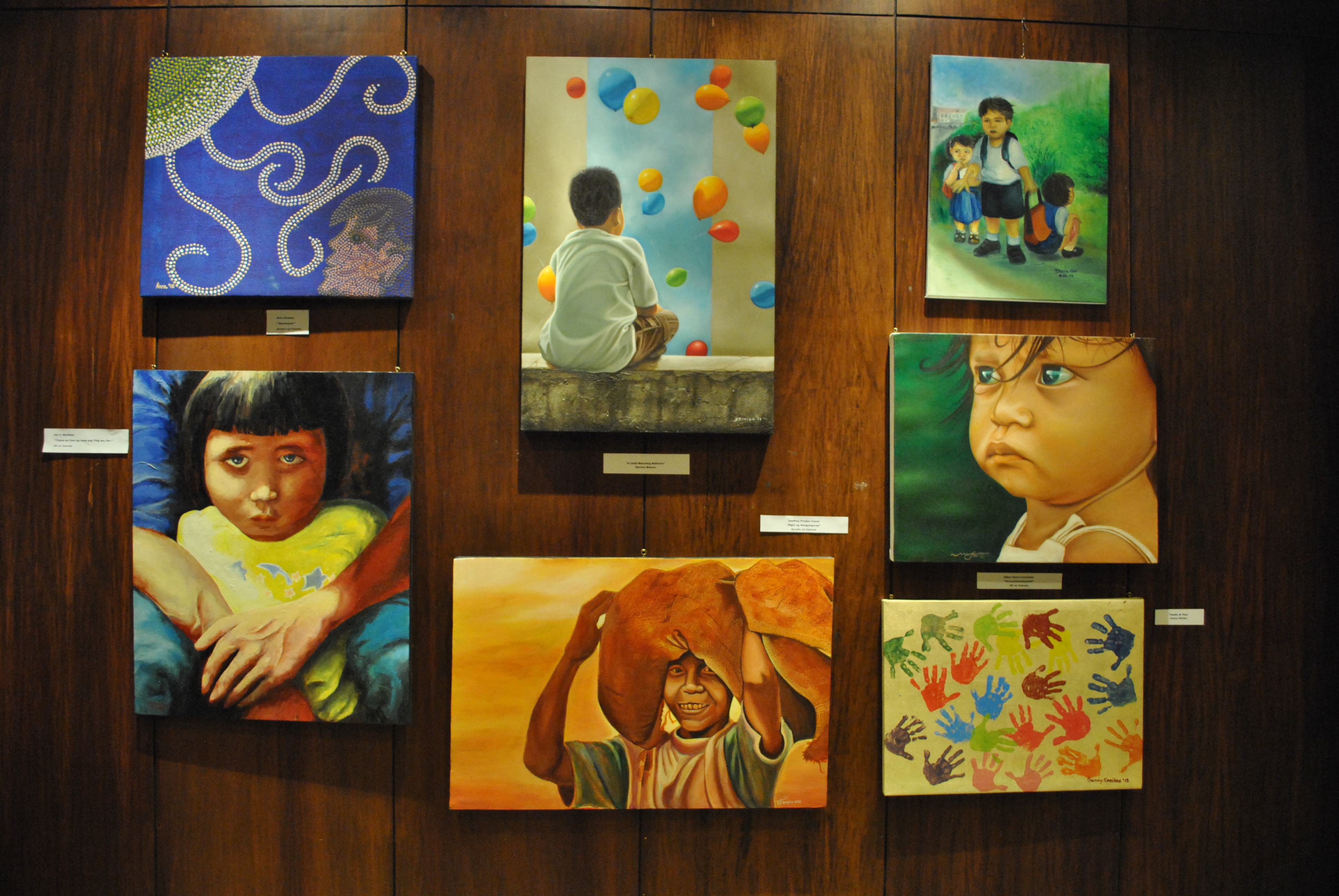
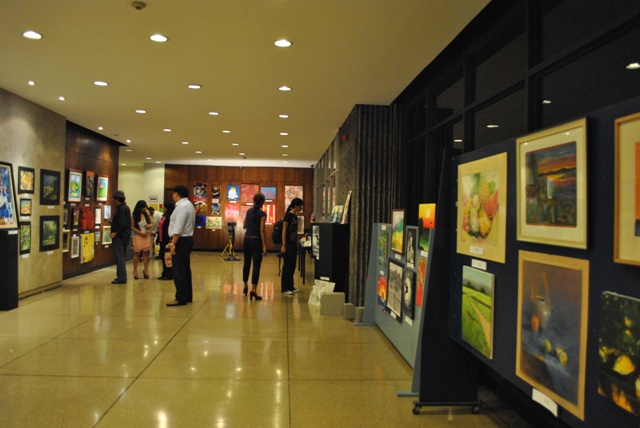
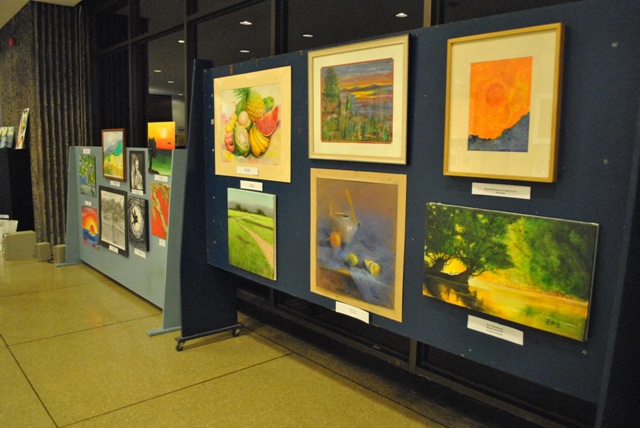
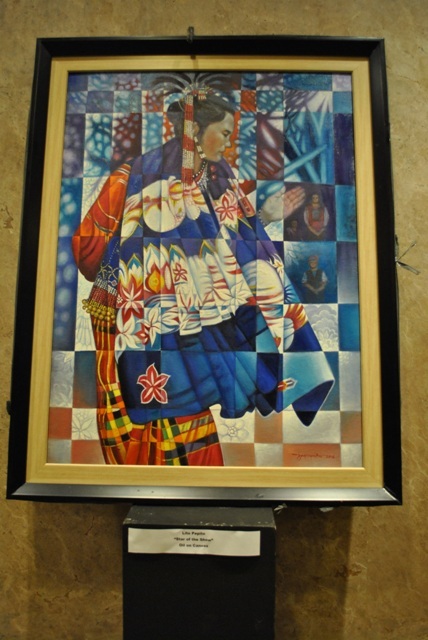
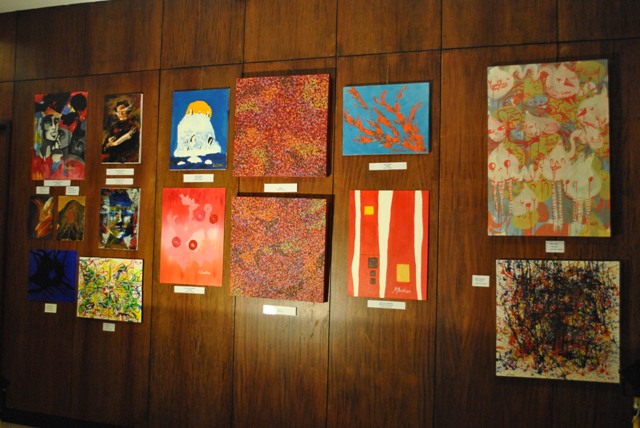
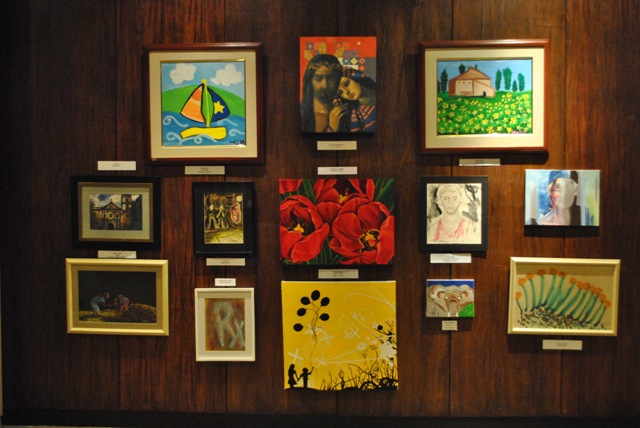
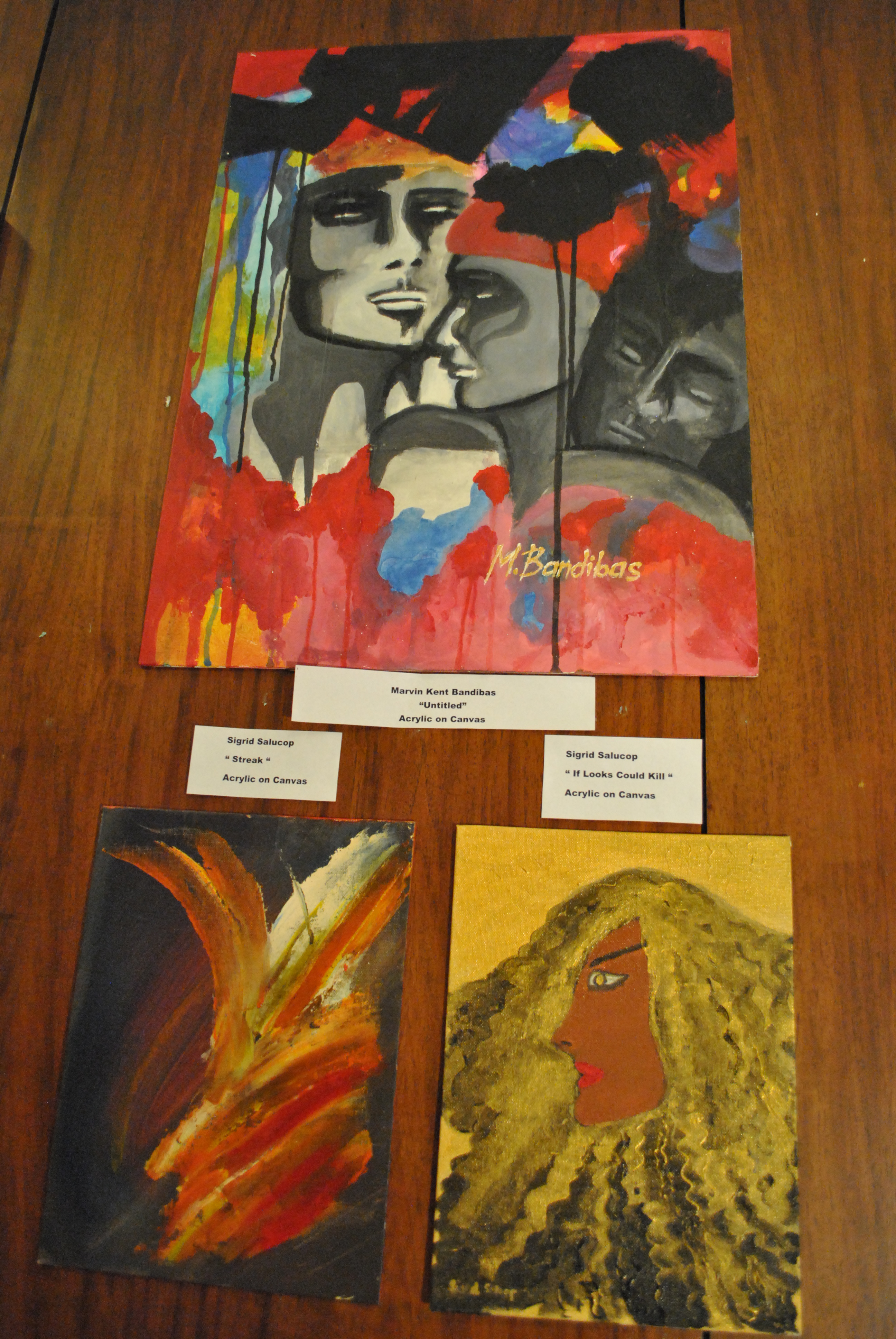
‘Sandaang Pintor, ‘Sang Damdamin (A Hundred Painters, One Passion) is a collaboration of over a hundred painters all over the Philippines to raise funds for the treatment of two ailing kids, Zack and Zoei, sponsored by the UP Diliman Delta Pi Omicron Sorority, where Sigrid is affiliated with.
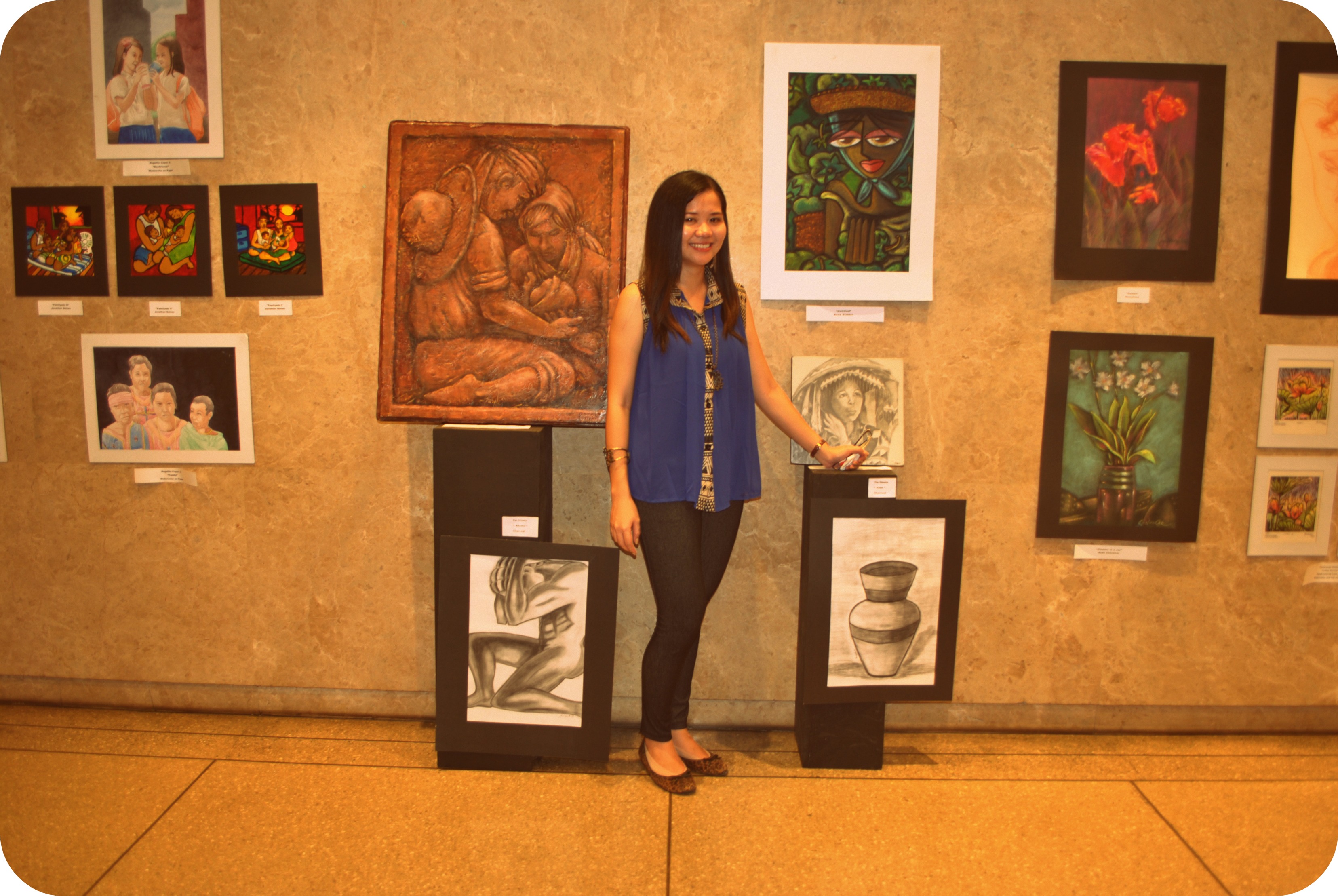
w/ my “Atlas” and “Banga”
I donated two of my artworks: “Atlas” (my first charcoal sketch on a big canvas) and “Banga.” It truly is a privilege to be part of a cause and be able to help in saving lives, most especially those of these young children.
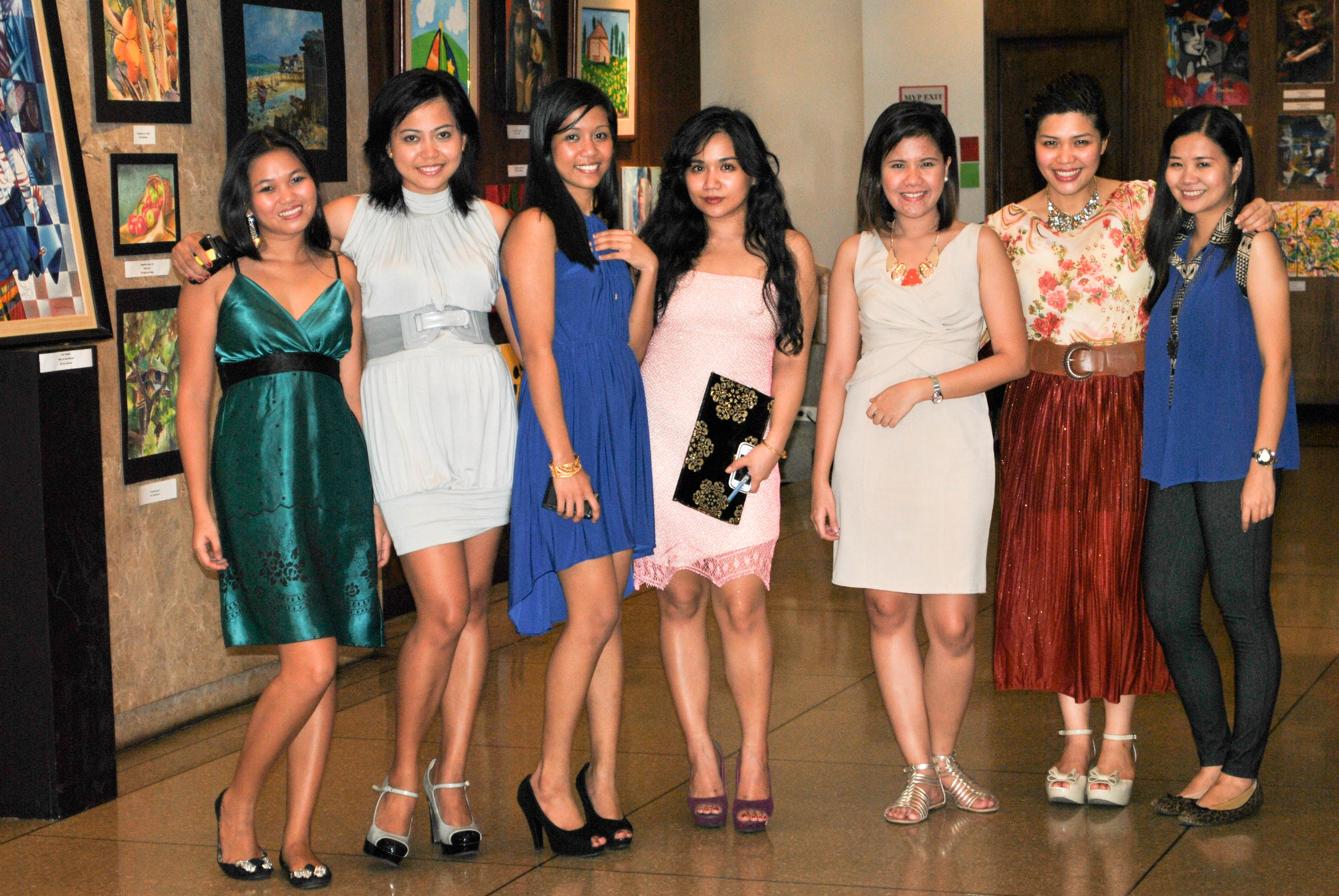
I was able to attend the opening of the exhibit last December 6, 2012, at the PCPD Building in Taguig City and met my two great friends, UP DPO Sorority’s Lady Omicrons, Tish and Sigrid, the rest of the Omicron ladies, and other supporters of the event.
w/ the UP Delta Pi Omicron Sorority
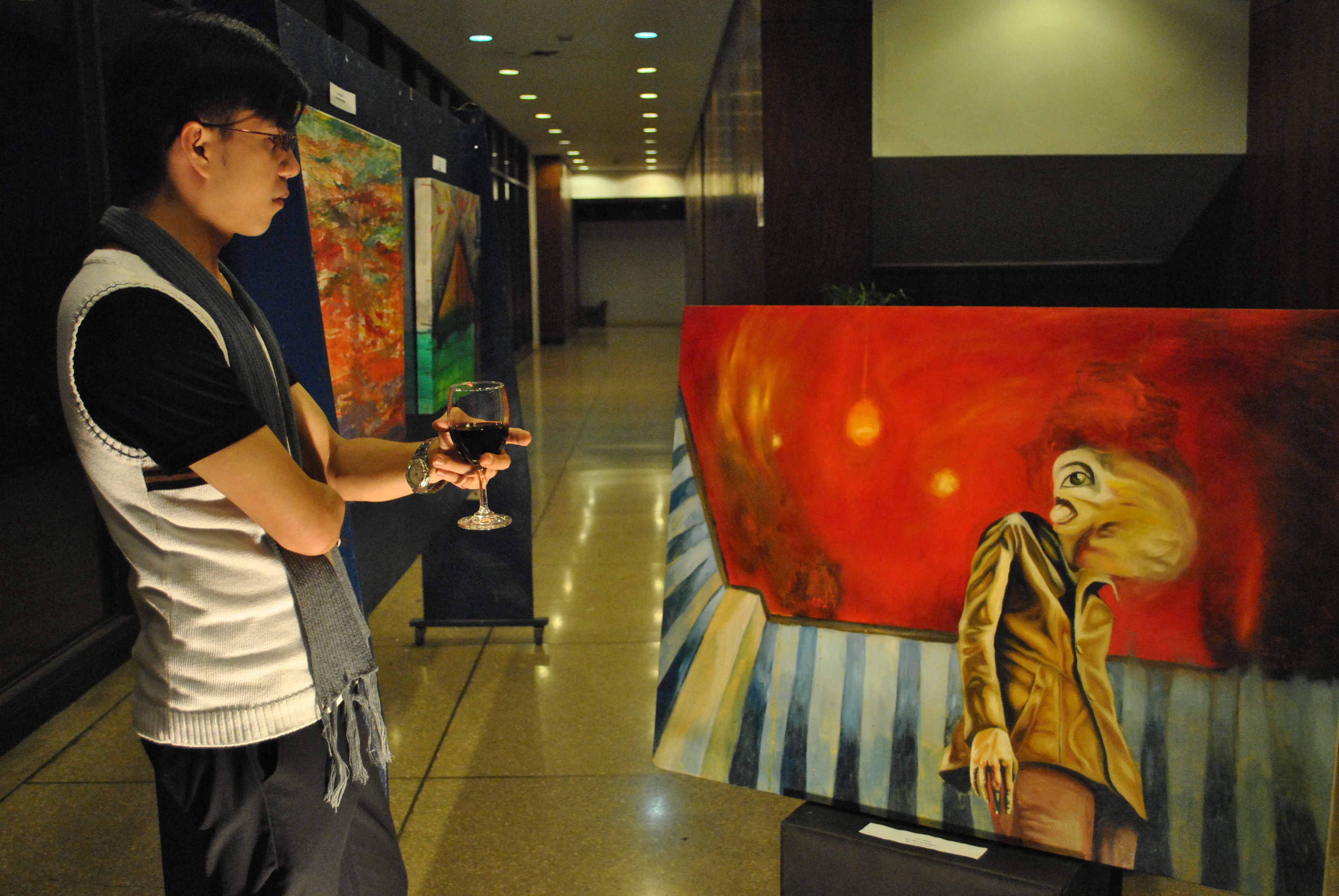
Manny O Wines
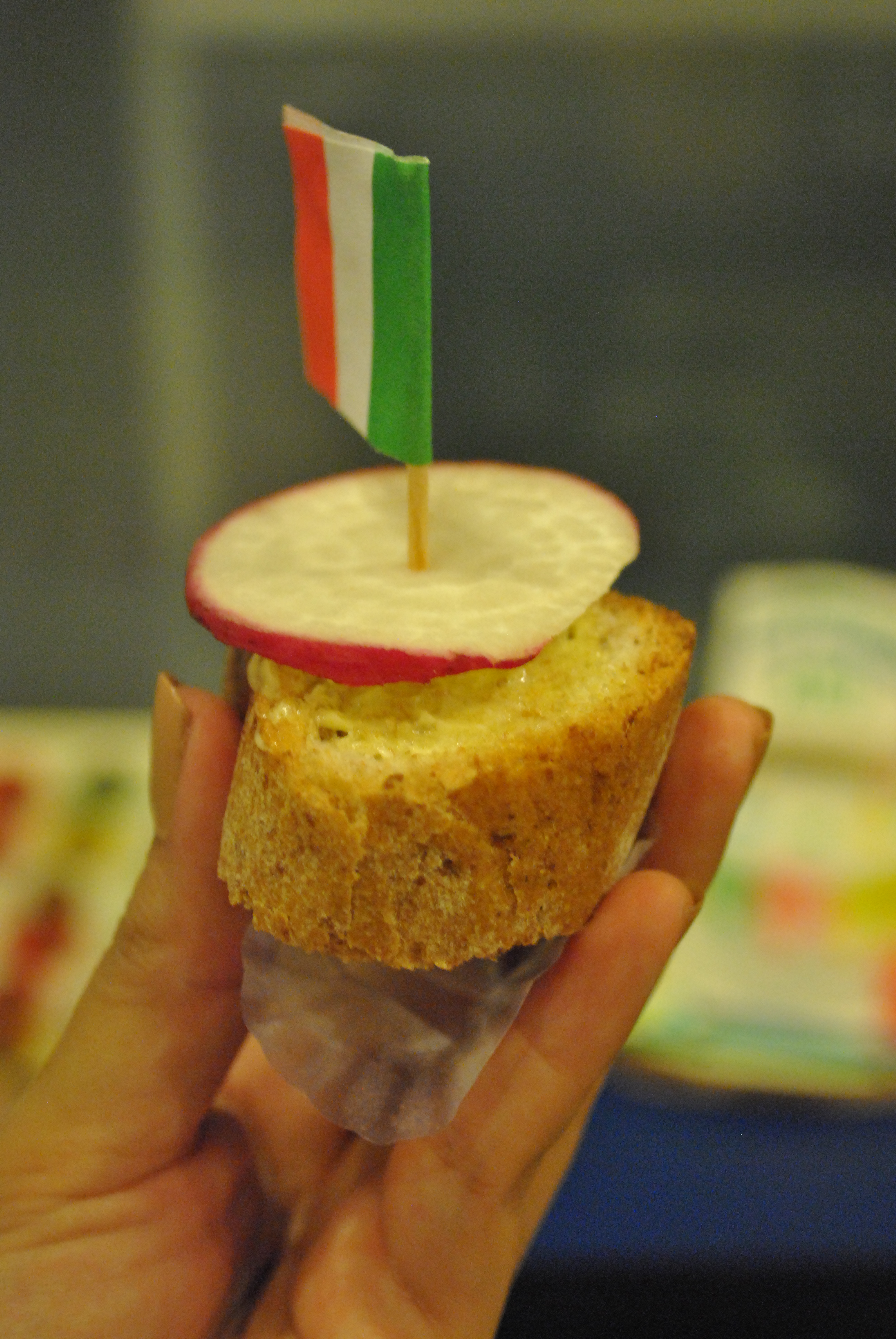
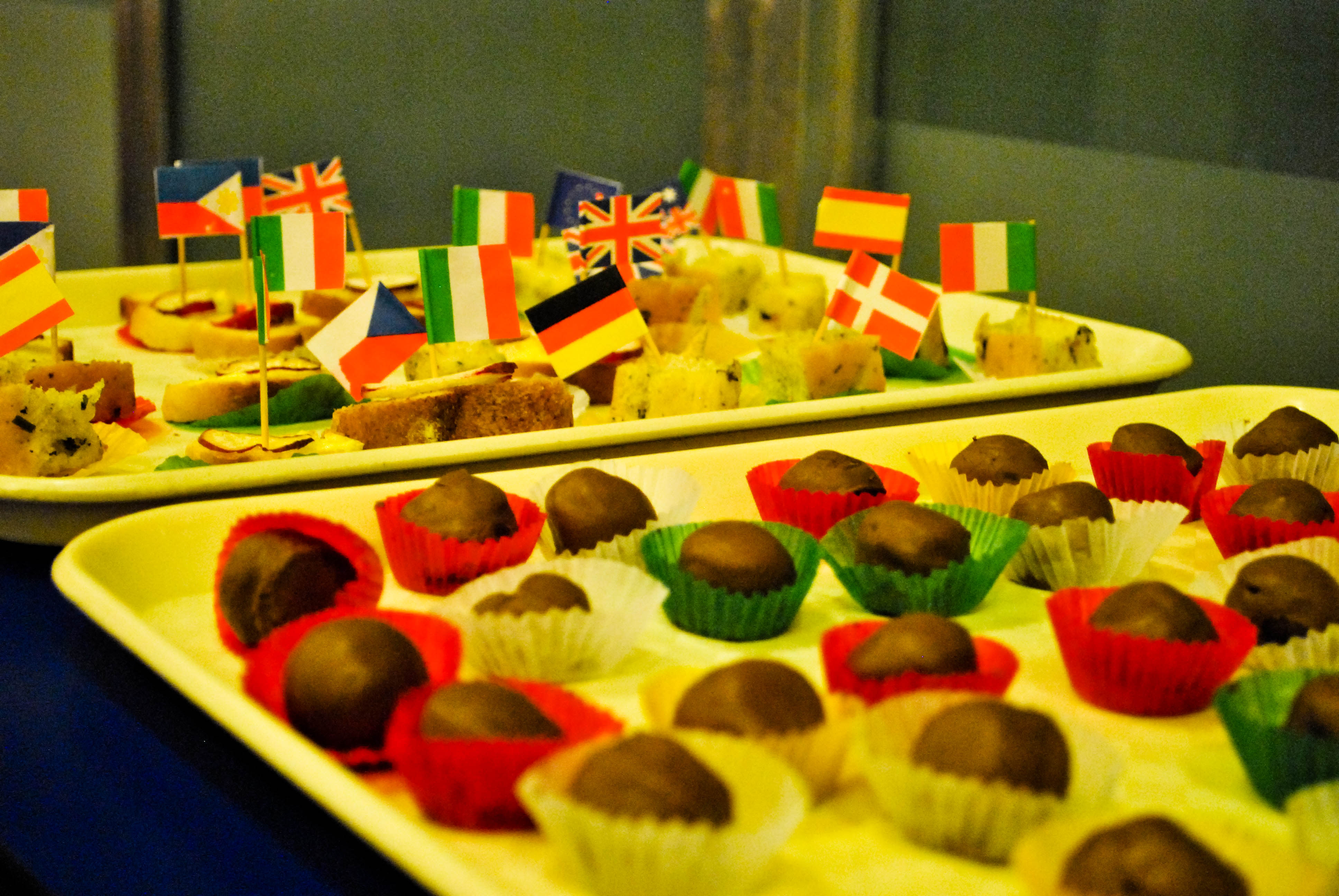
Baguette
Chocos and Baguettes
Tish’s dear friend, Pat
The great news then arrived – someone bought one of my donated artworks. I felt like a teenager who just got his driving pass. 😉
Happy is an understatement to describe it, not only because I was able to help raise funds for the two kids, but also because I know they will have a greater chance of surviving. Honestly, I wasn’t confident about displaying my artworks since I had just started creating them. But, my friend Sigrid happens to be so good at convincing. 😀 And I really want to help.
This is an ongoing project, and if you would like to help, please visit the ‘Sandaang Pintor, ‘Sandaang Damdamin website and be part of this very good cause: http://www.sandaangpintor.com/.
From us, fellow supporters, our sincerest gratitude, and join us as we pray for Zack and Zoei’s healing and fast recovery. ❤
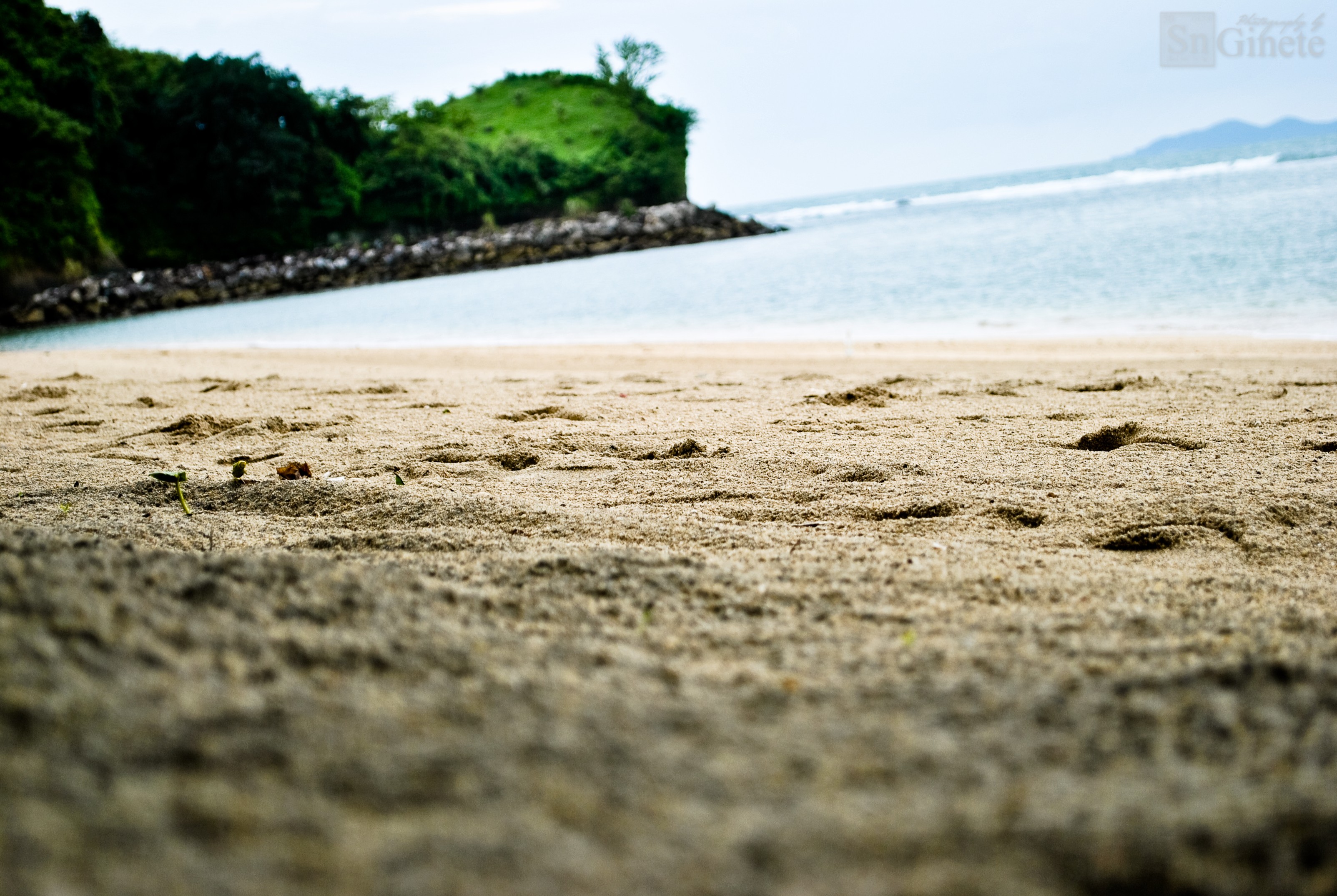
While taking a photo of the scenery by the beach at Canyon Cove in Nasugbu, Batangas, snippets of what I learned in the academe came through – society, its people and the barriers.
If partiality bespeaks of the unfair divide in the dichotomy of social statuses, will there ever be equality in favor to what majority of the public is comprised of, thus magnifying the basis of and for existentialism?
It is the least of my concerns, most people would say, but the thing is, I see it every single day. And it strikes, it kills.
On a less serious note, accuse me now of verbosity, yes, I am indeed guilty of the crime.
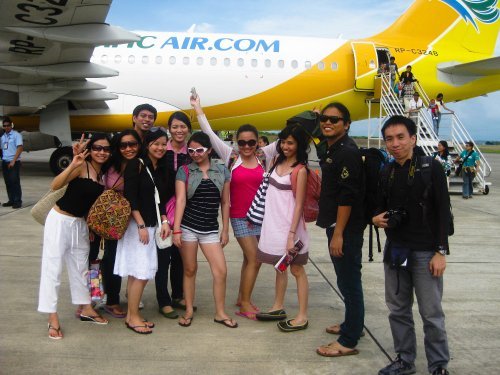
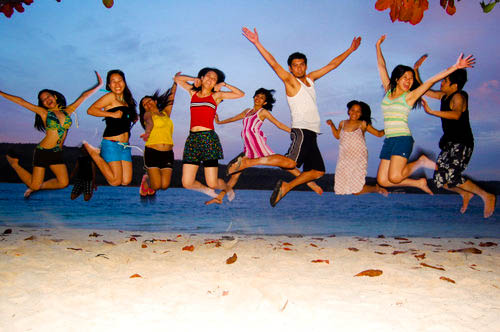
Though it was my second visit to Davao, I must say that the place never fails to amaze me, geographically and culturally. It was a trip to Talikud Island when I first visited Davao along with my co-workers, way back in 2009, as my supervisor was a “Dabawenyo” (a local of Davao city). But if there is one thing that differentiates this second visit from the first, it would be the visits to the schools.
With former office mates (2009)
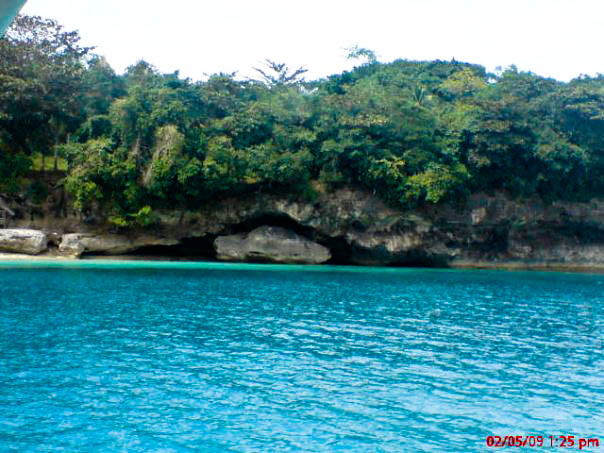
Davao’s Talikud Island
Davao’s pristine waters
My second visit to Davao was with my fellow graduate students last February 16-18, 2013, as the field work is part of our requirements in our Socio-Cultural Foundations of Education class in UP Diliman. Before the trip, I already had my own expectations about the visit, i.e., what we would learn regarding the different educational systems that they have in Davao, what kind of classrooms they have, what kind of students they cater to, how teachers instruct students, what are the materials they use for teaching, etc. And as far as my observations are concerned, somehow all my expectations were met and even more.
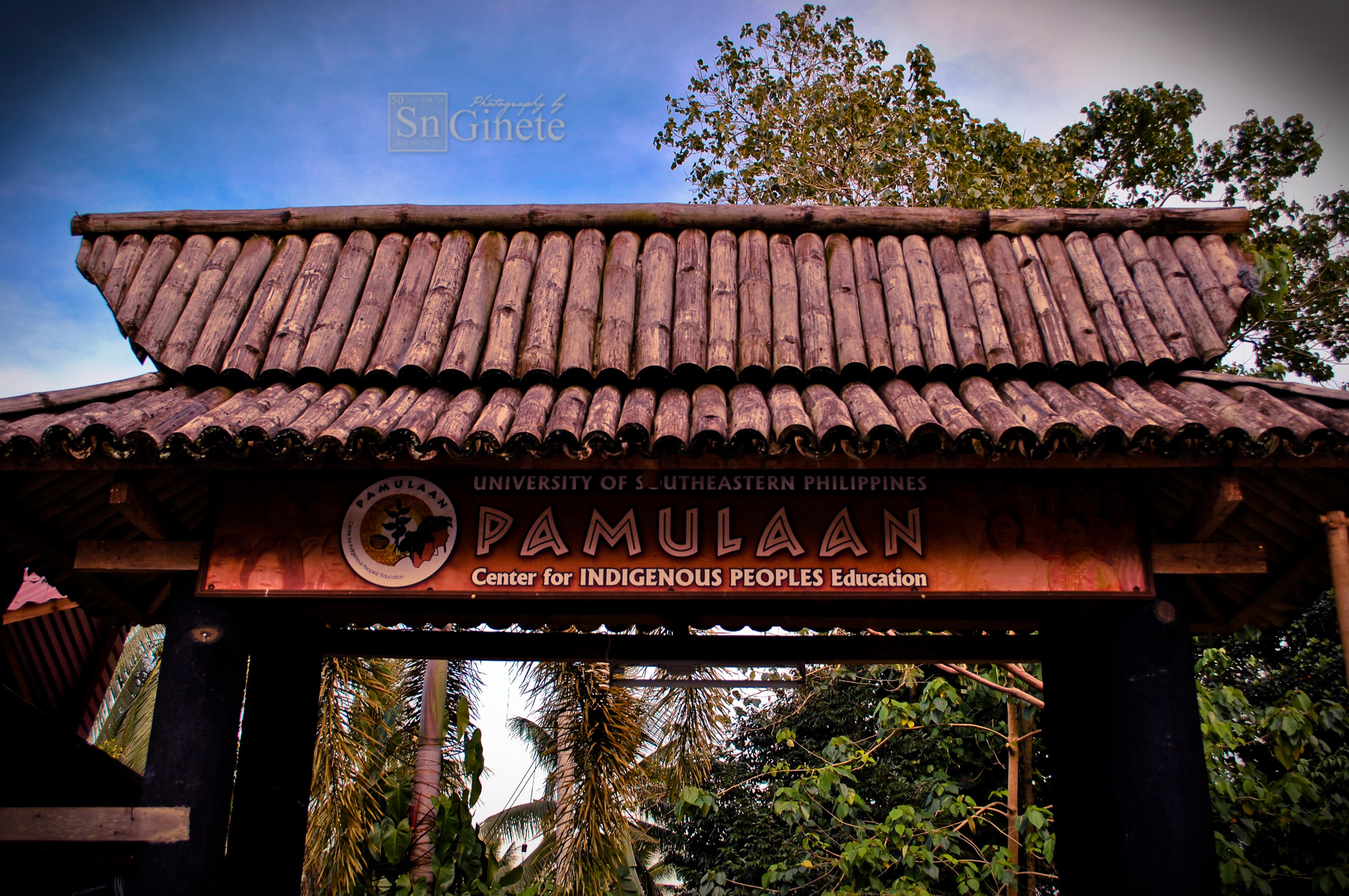
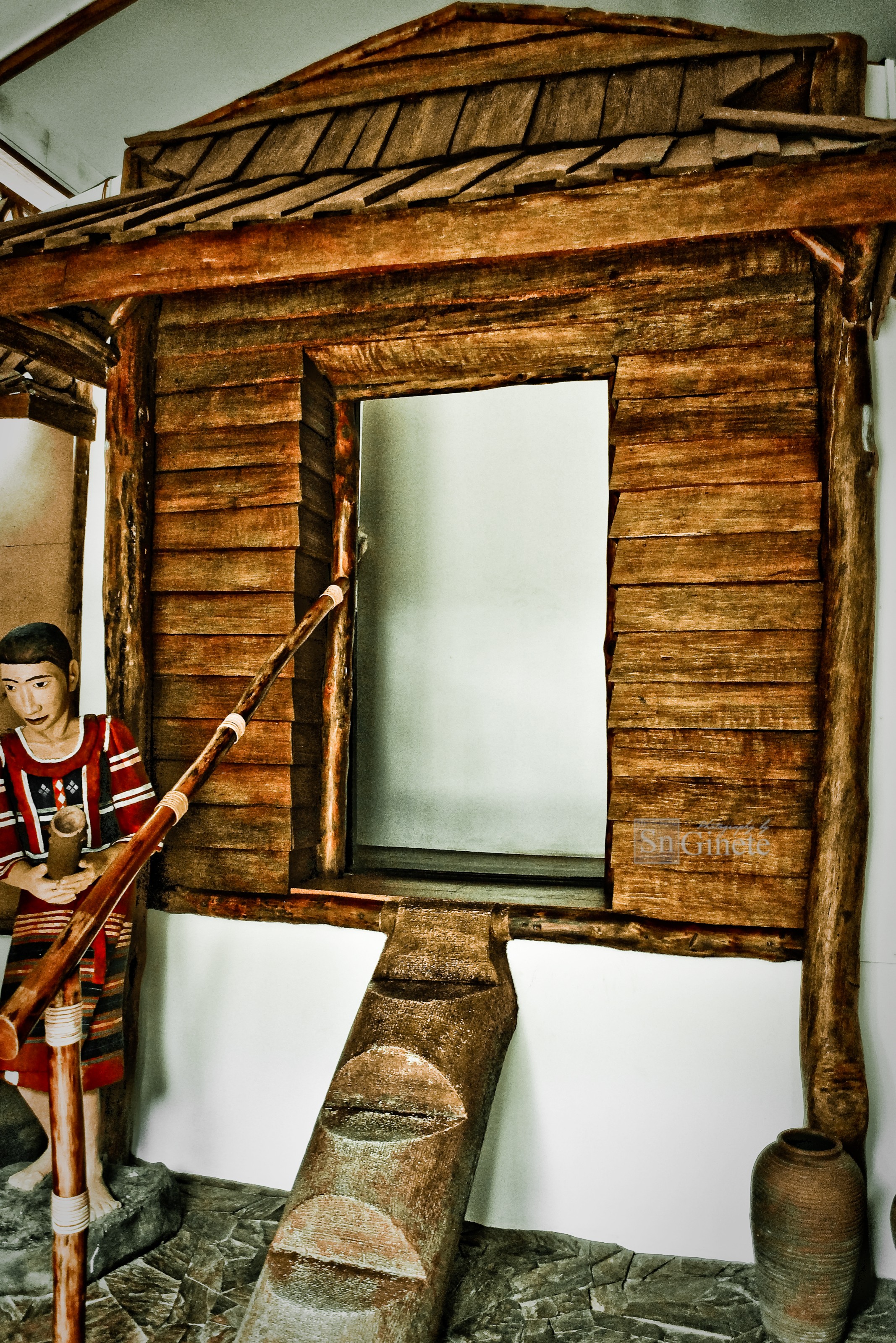
Pamulaan (Center for Indigenous People’s Education)
Pamulaan
If there is one thing that I find particularly significant about the educational systems in Davao, it would be the support, active participation, and involvement of the local government with regard to the implementation of the said systems.
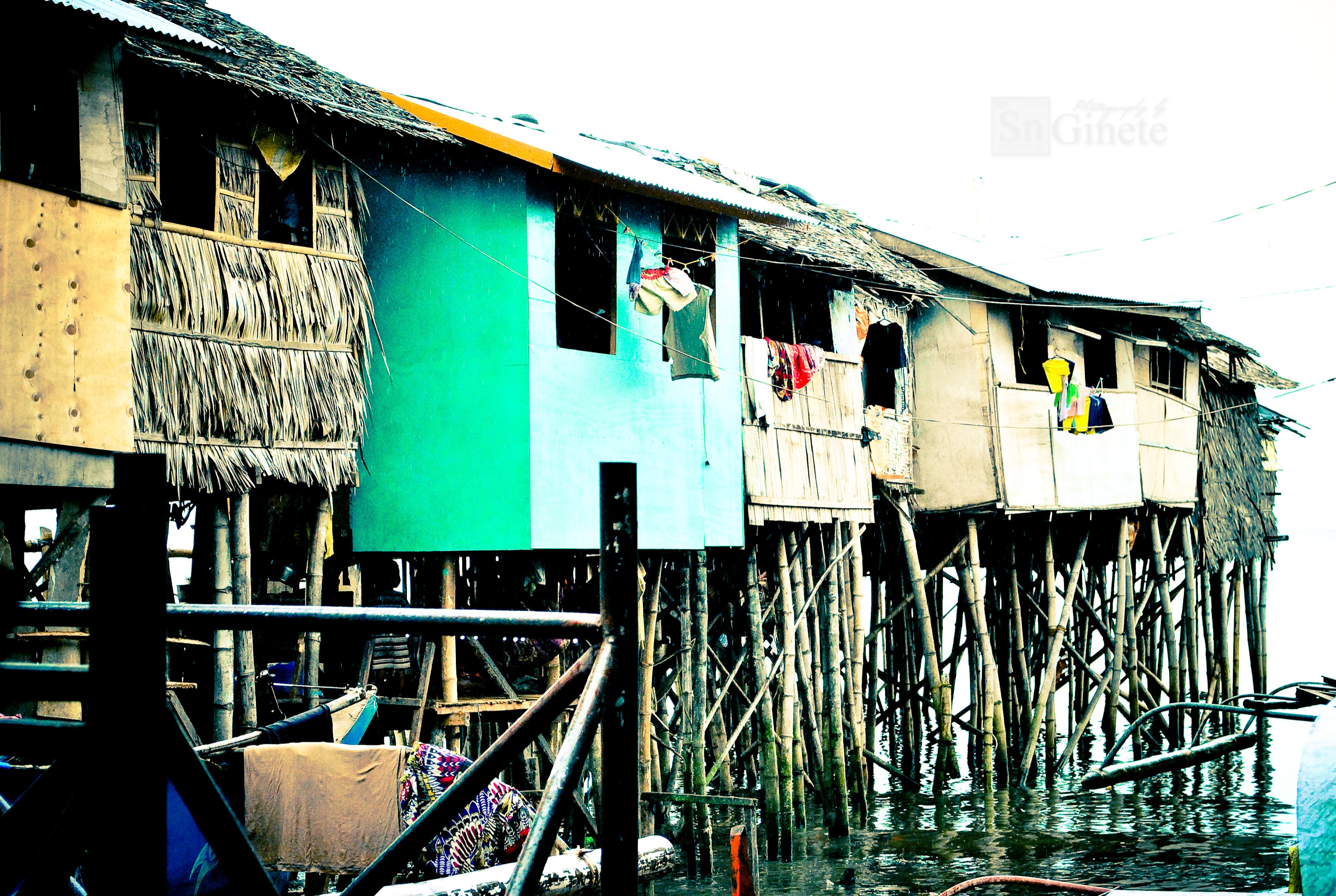
For example, in the Badjao community, the ALS (Alternative Learning System) program provides opportunities for the settlers in that community to participate in socio-civic affairs, which would then allow them to raise their concerns and the issues that need to be dealt with i.e., health, source of livelihood, promotion of wellness for every family, etc.
But it posed one certain dilemma – the idea of culture slowly diminishing once the Badjaos were educated. I believe educators, through the mobile teachers, are not just sent out to the field to teach the basics of writing and reading to the people of the Badjao community, old and young.
It is also their responsibility to teach the Badjaos how to preserve their culture through the knowledge that they have acquired. For example, in folk songs, these can now be written and preserved for the future use of the next generation.
In the ALIVE Madrasah, for example, the children were taught Arabic, which preserves the native language by passing it on and teaching it to the younger generations. MTBMLE (Mother Tongue-Based Multilingual Education) also has the same aim, and in the class that I have observed, children are more receptive, they are more at ease when it comes to learning, and they do participate actively in the discussions.
The ALS at the city jail, however, may not be inclined to cultural preservation but it somehow shares the same vision to that of the E-skewala Program and the Open High School of the Davao National High School which look into holistic development of skills to those who may not have the same opportunities as what regular students commonly have.
Badjao community
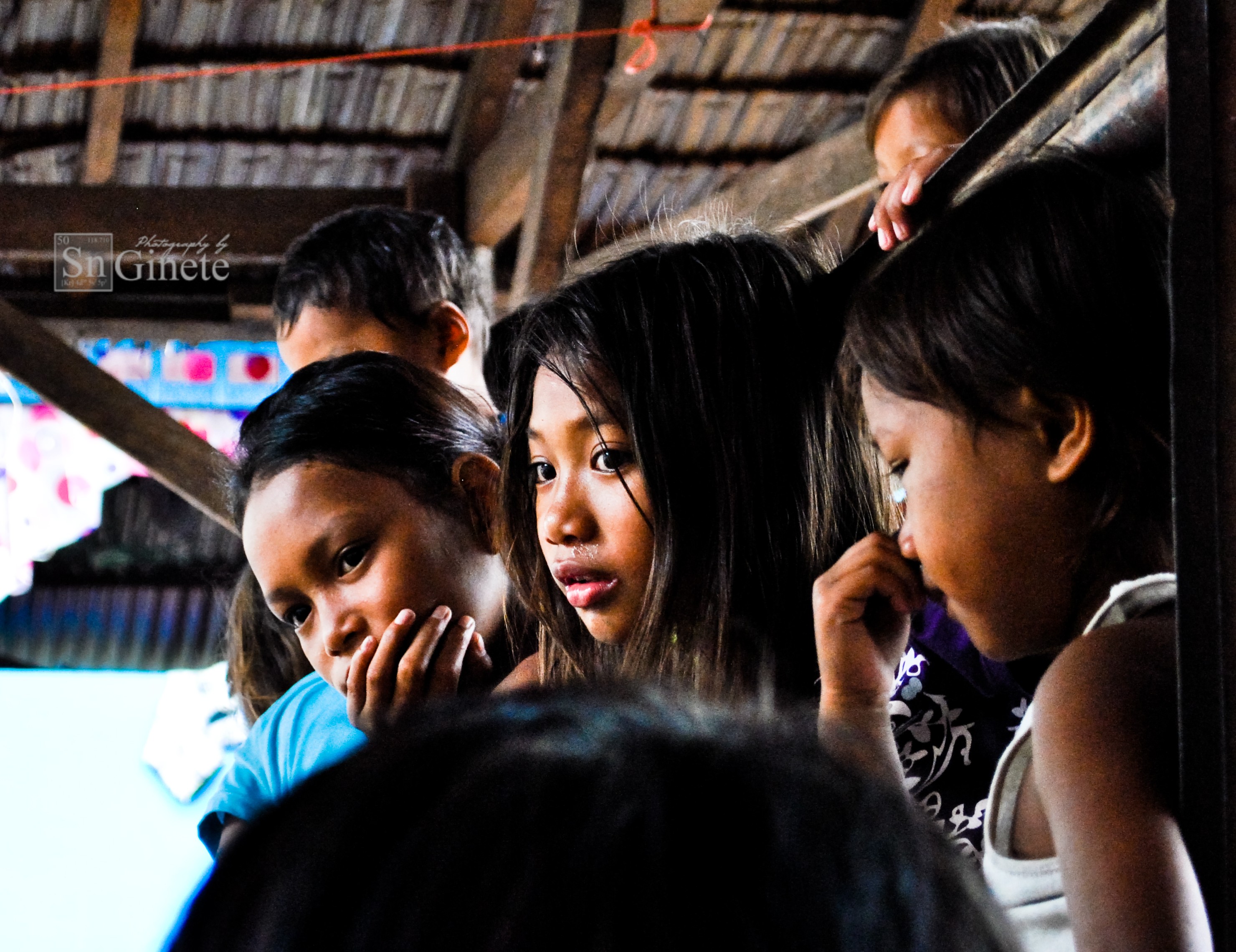
ALS among Badjao children
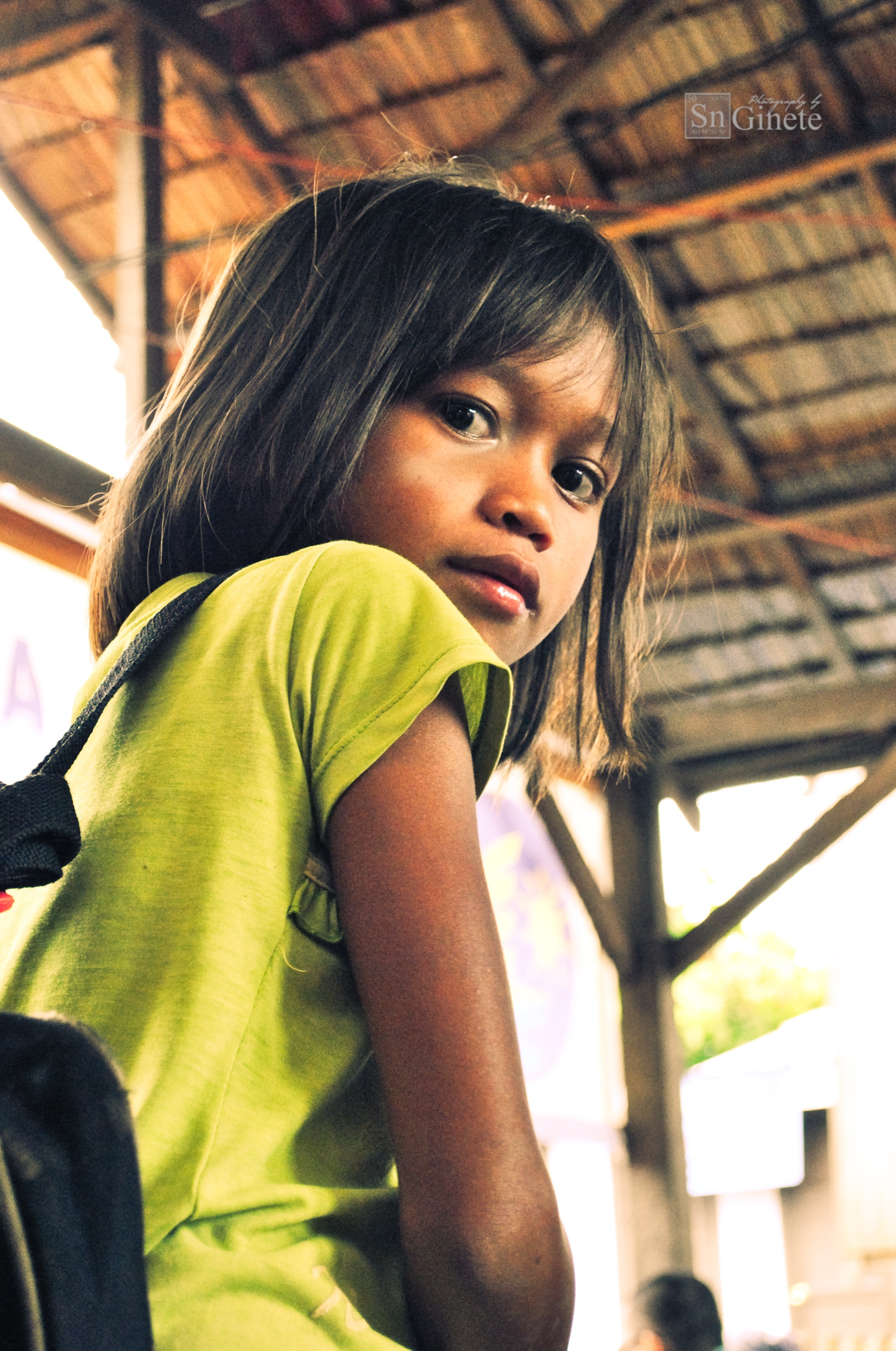
Badjao girl
All the educational systems that we were able to look into in the selected schools in Davao hold one very good vision, which would benefit all, both the indigenous groups and the non-indigenous groups. I see this as satisfying one very important goal and should be the main goal of every educator and every educational system – breaking down barriers when it comes to providing opportunities in terms of knowledge acquisition, cultural ventures, and holistic development of every learner.
The Pamulaan College and the ALS at the city jail are very promising projects, considering that learning is not held in a regular classroom setting/school. It posits greater challenges not just for the educators involved in running the program, but also to the learners themselves.
Indeed, the society, as a whole, has a huge part in making the program a success. For example, in Pamulaan College, one challenge that I see in the implementation of their mission is considering how open the society would be when it comes to promoting culture and passing it on by teaching the cultural traditions, beliefs, and practices to the younger generation.
The idea may sound interesting to foreigners and those who are not particularly in the area, but will the locals themselves voluntarily participate in promoting the advocacy, or will they do so only because it was required by the city government of Davao? It is imperative in every advocacy/mission that they aim for the system’s success, recognizing that its success depends entirely on community involvement, not only on satisfying the goals set by the supporters and the organizers who run the program.
I would also like to emphasize the career opportunities available to the college’s graduates and whether they will continue to devote themselves to promoting the college’s aims after graduation. As for the ALS in the city jail, it is a huge responsibility not just for the educators but also for the government agency involved with the project to make the program not just a one-time, testing project, but ensure its implementation will remain consistent regardless of who holds office, both in the department of education in Davao and the local government.
I have observed that when it is time to change officials, the problem lies in keeping the projects running implemented by the previous officials and maintaining consistency. Newly elected/ appointed officials also would like to raise and push through with their own projects regarding the educational system and society in general.
It remains a greater challenge to achieve a very good collaboration between the local government and the educators for these programs to push through. Any difference between the two when it comes to promoting projects will and can affect the status of the implementation of said programs.
Learning the culture part is where leisure would come in. Yes, the less serious part. I must say that our dissecting Davao’s educational system started and ended on a very positive note.
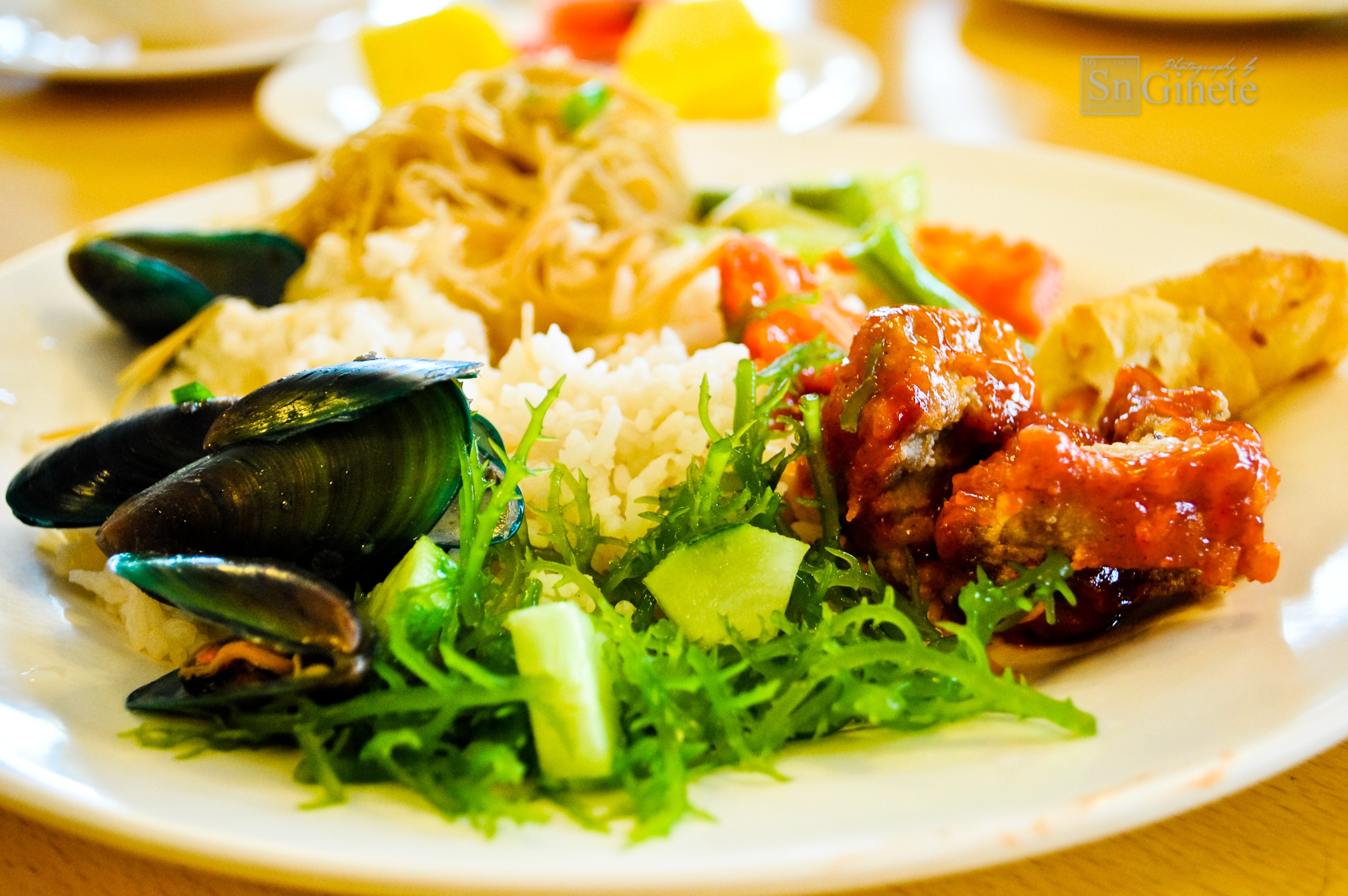
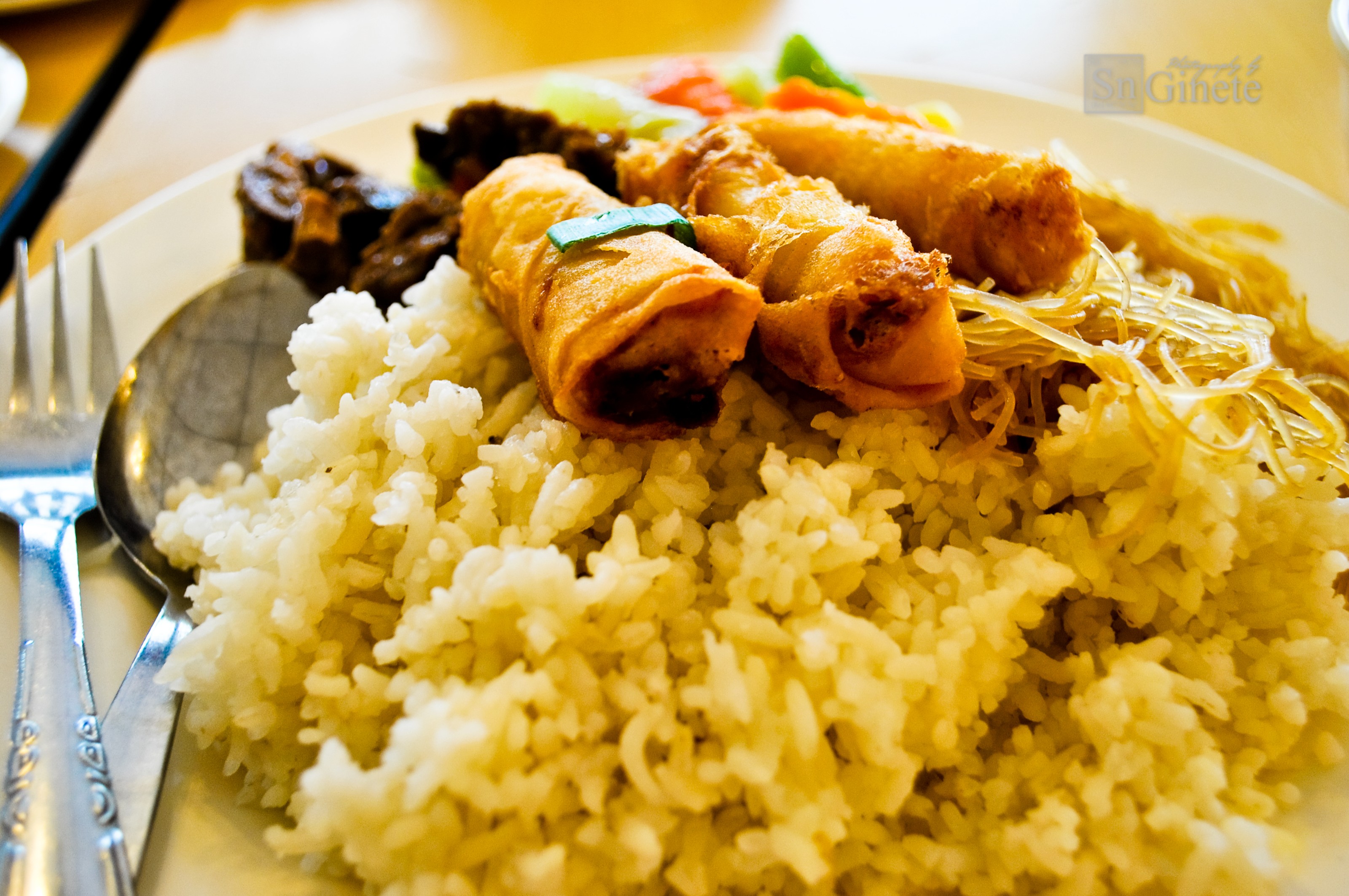
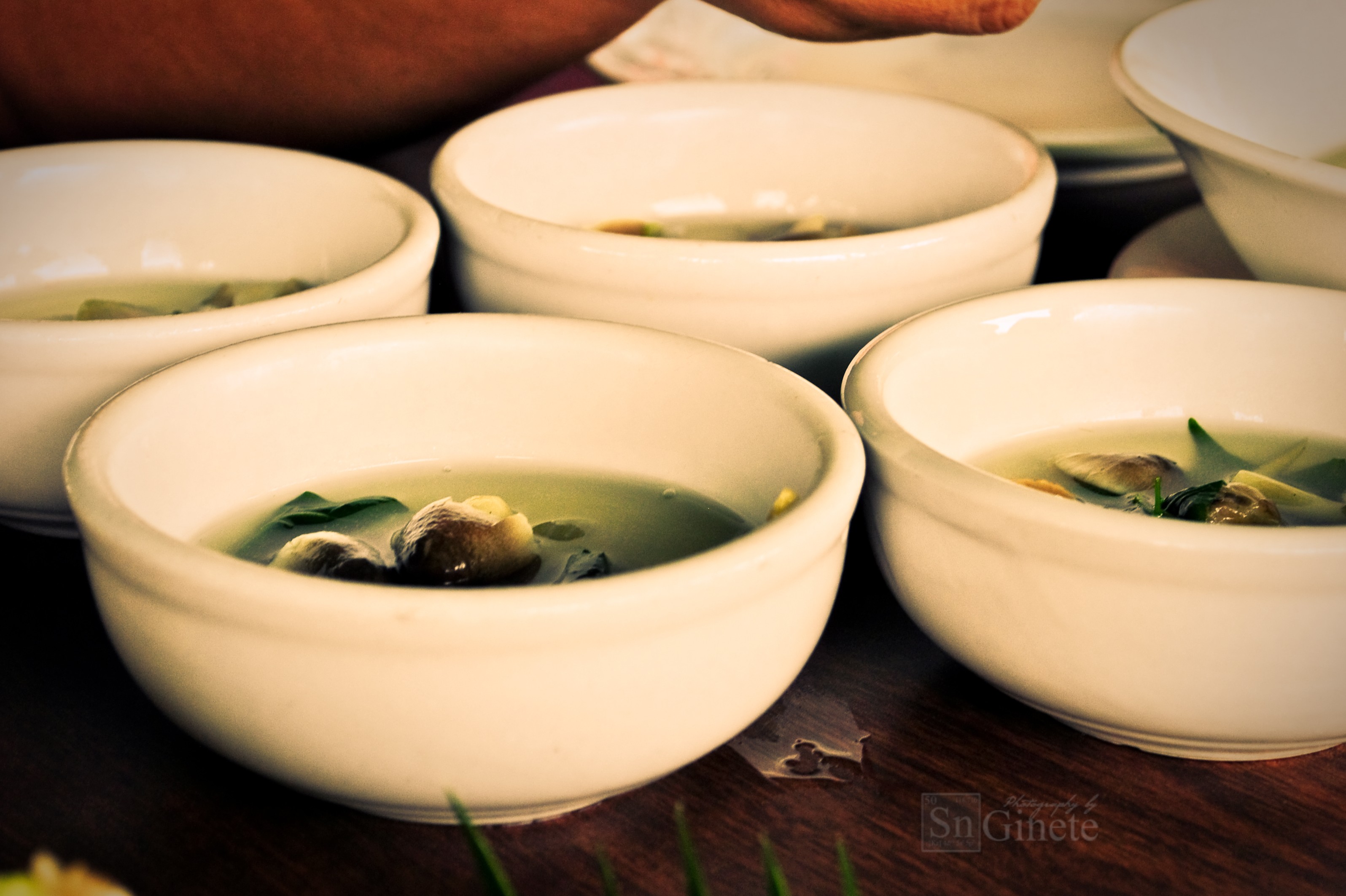
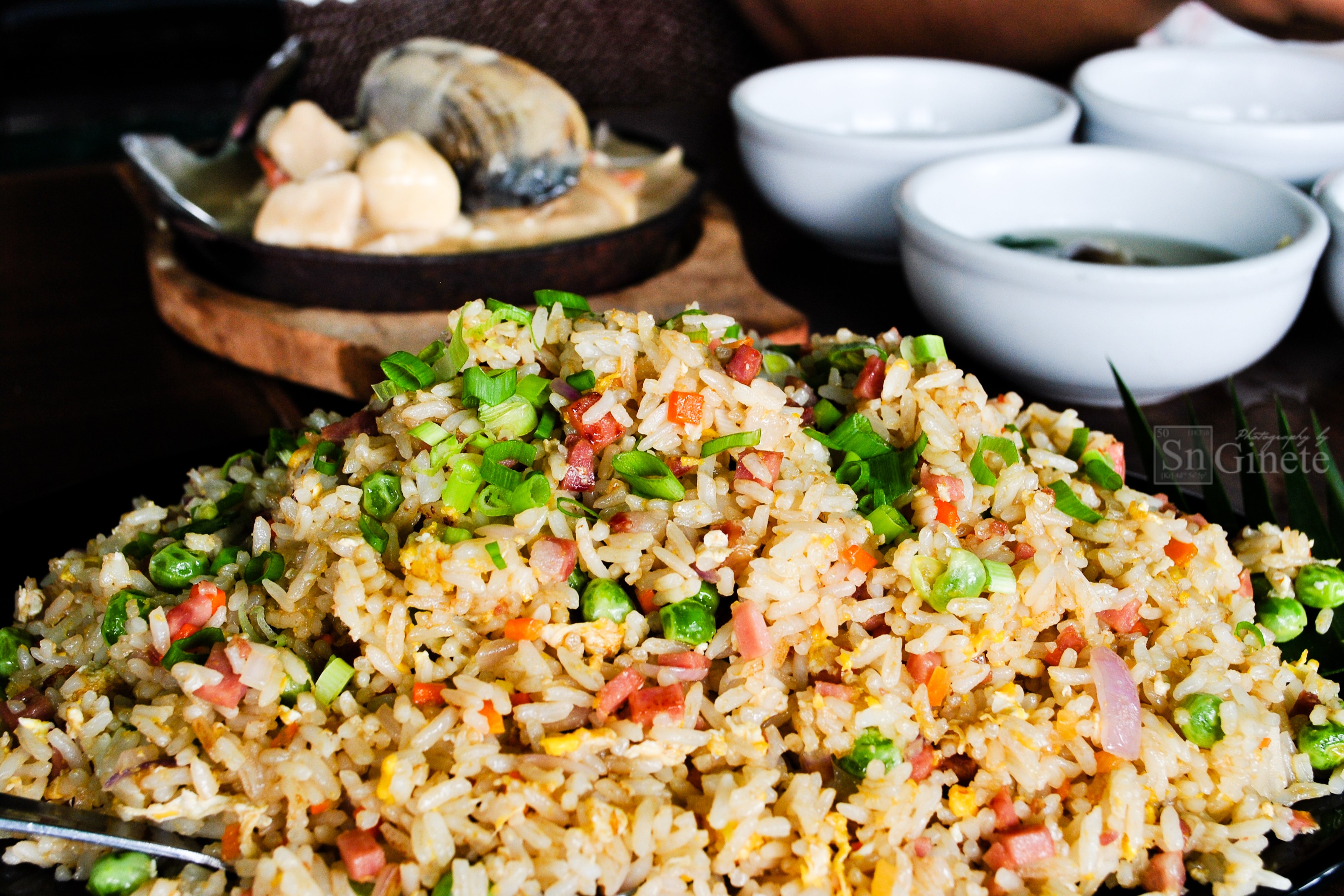
And to cap off the 3-day field work, we have decided to tour around Davao City’s local hot spots on the last day of our stay there. If there is one thing I can say about Davao’s cuisine, it may not be far from the regular dishes we have in Manila, but the recipes have a slight twist to them that makes them truly Dabawenyo.
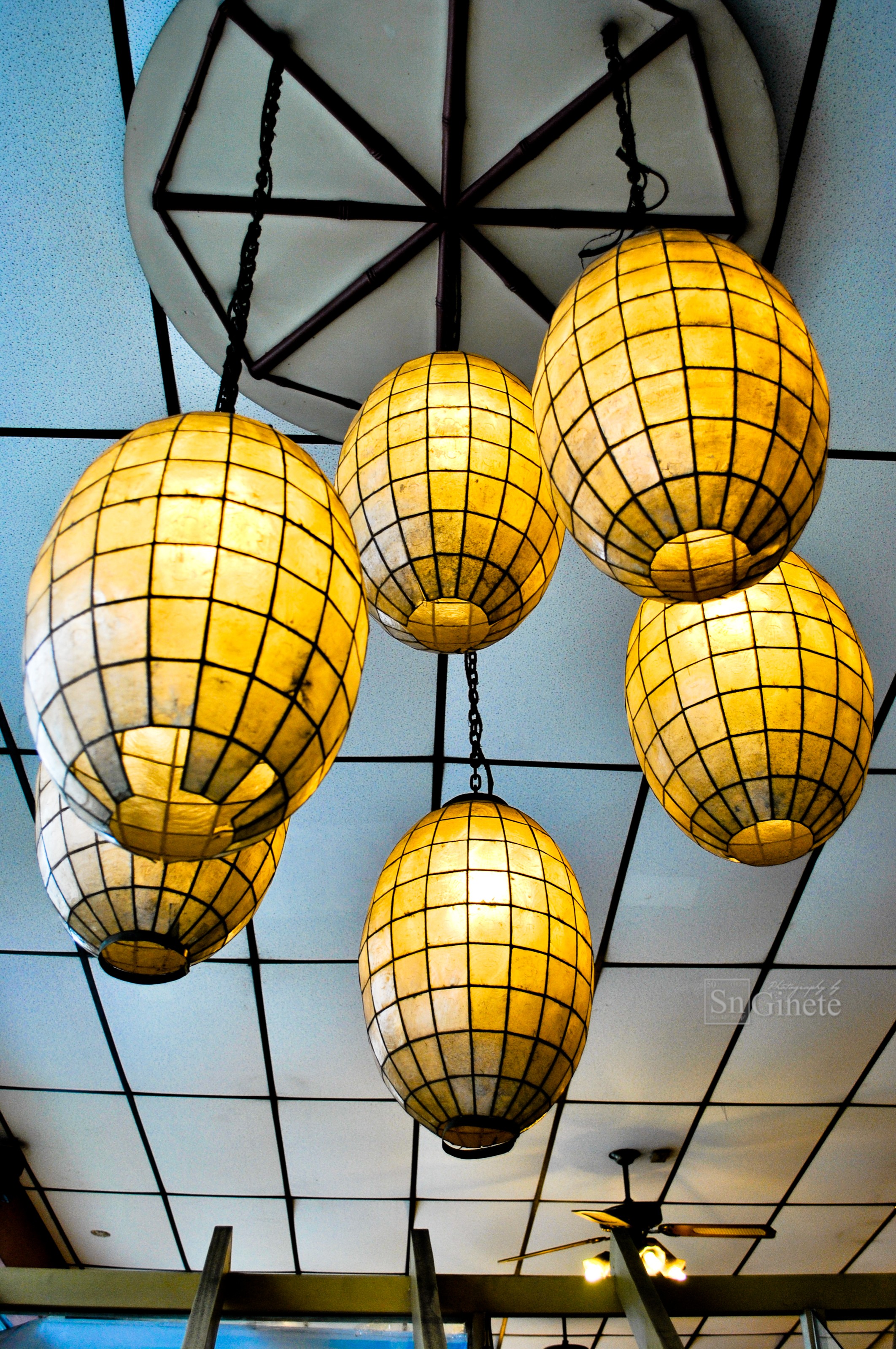
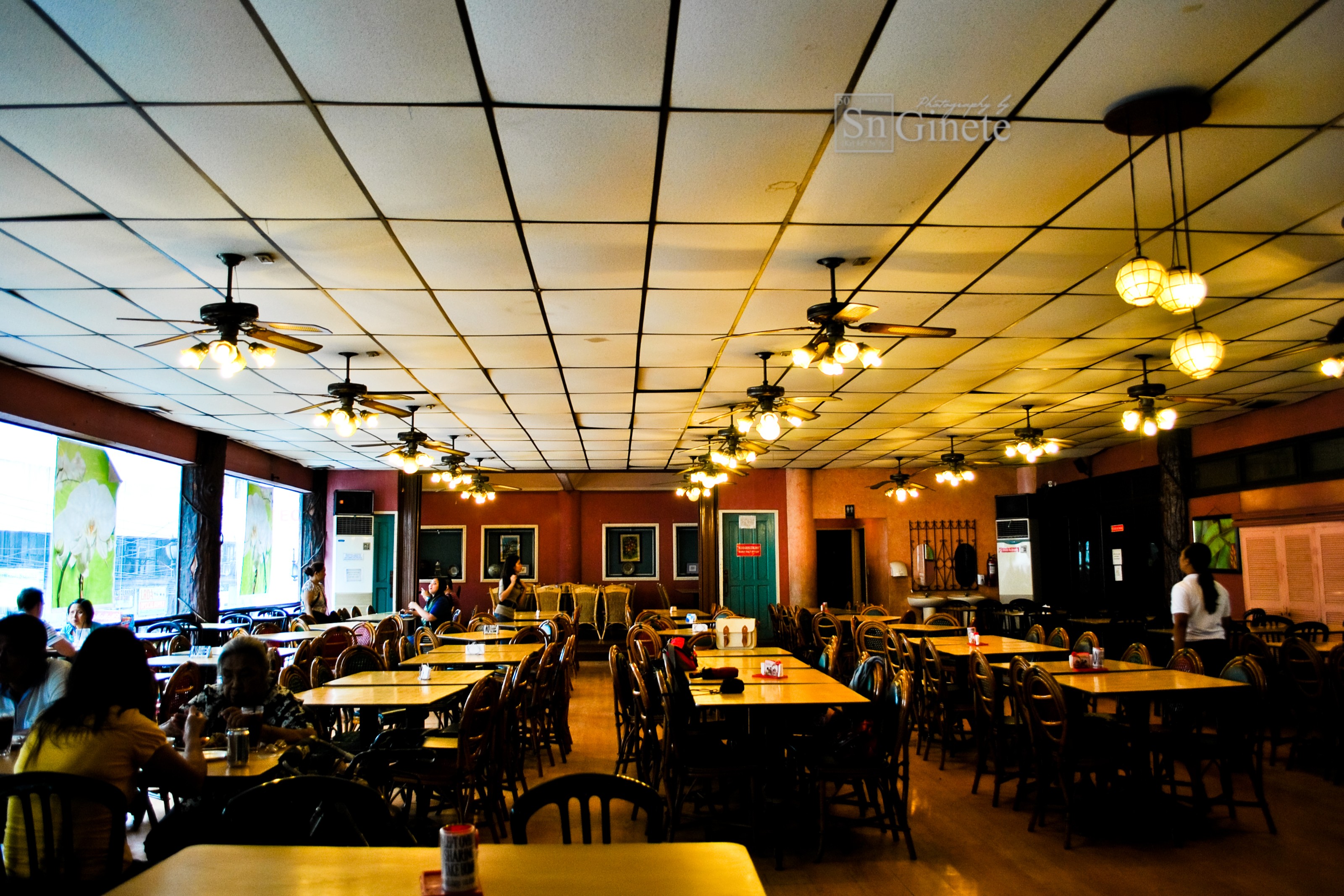
Davao Restaurant
Davao Restaurant
Davao Cuisine
Davao Cuisine
Jack Ridge’s Restaurant
Jack Ridge’s Restaurant
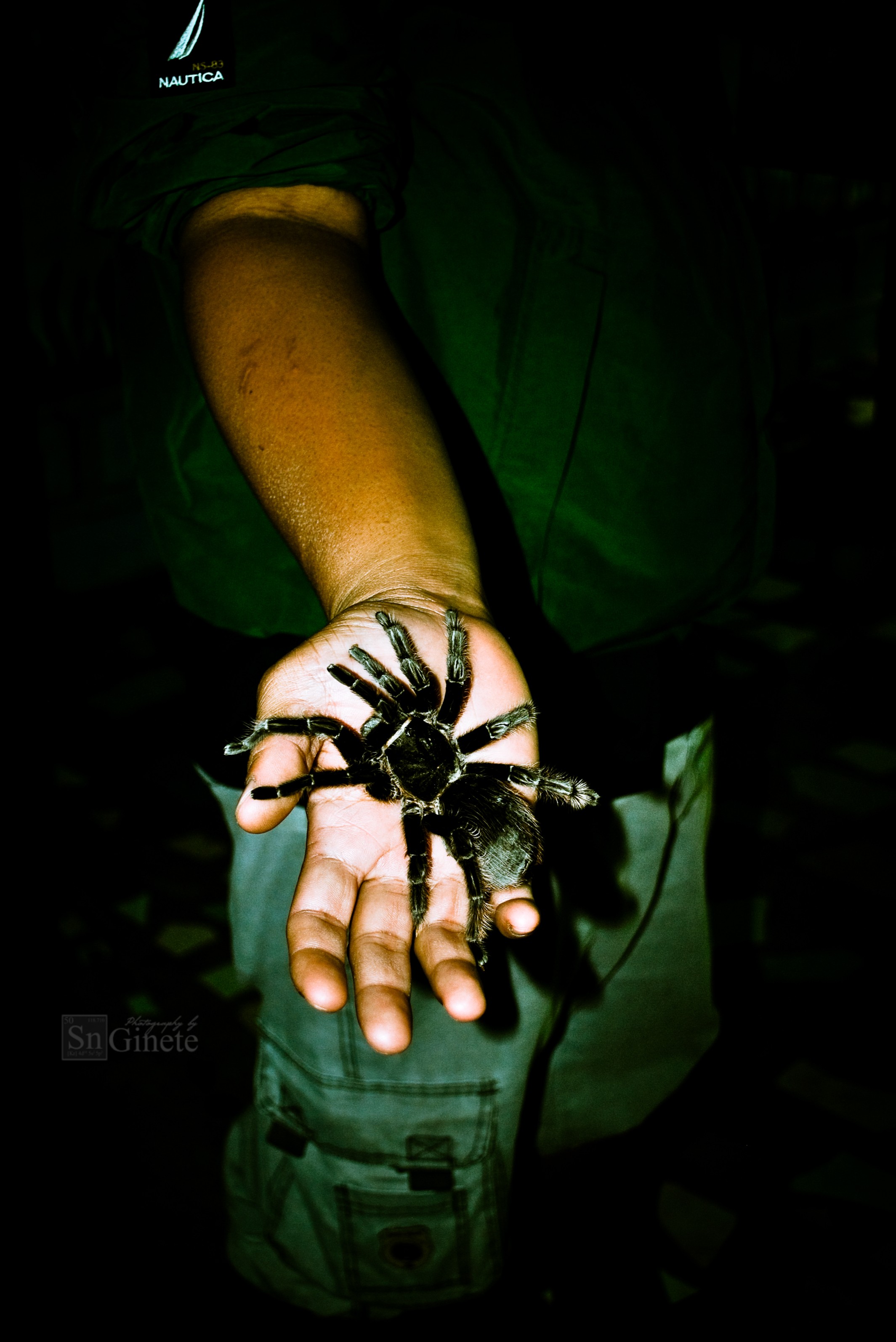
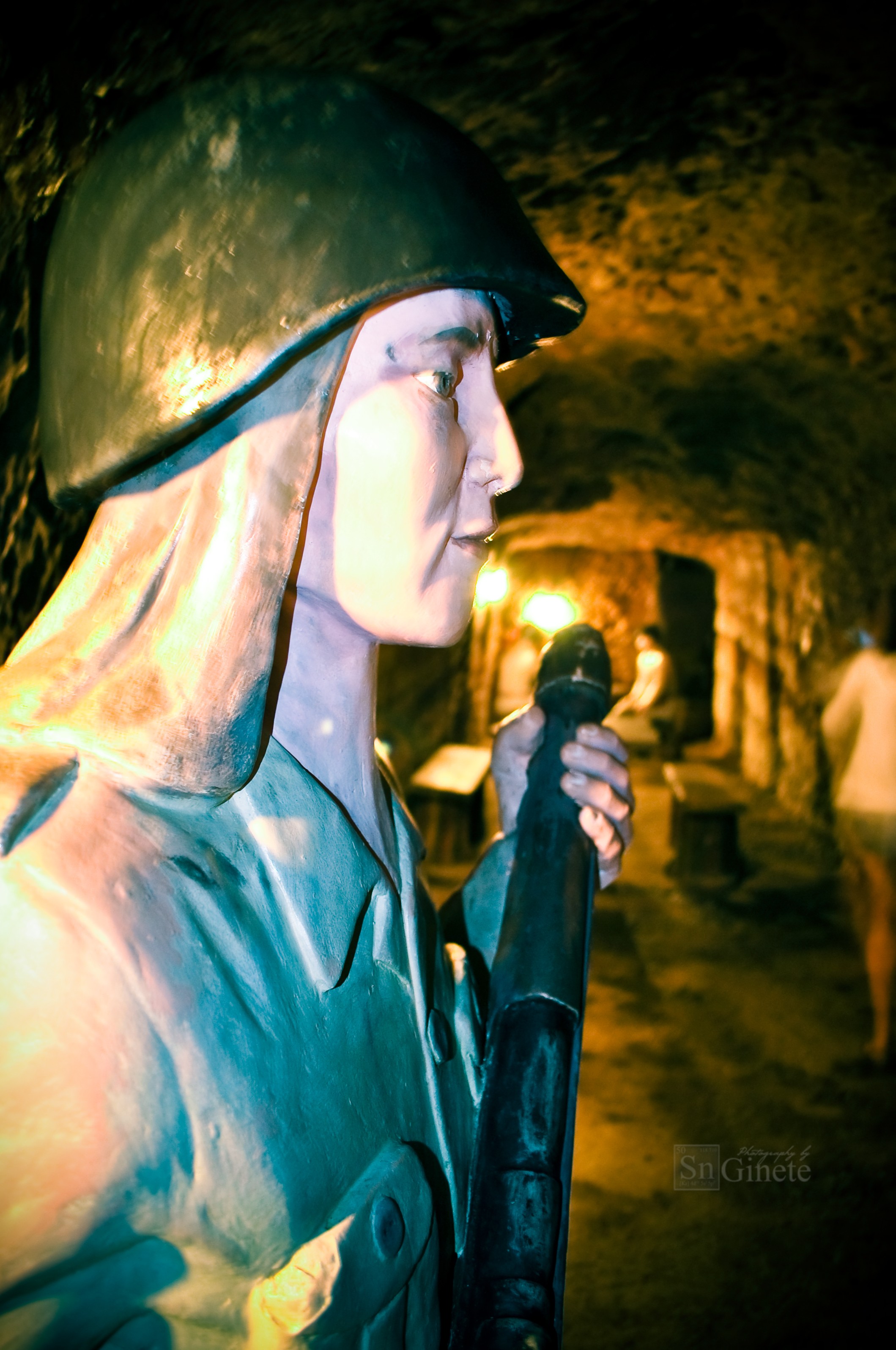
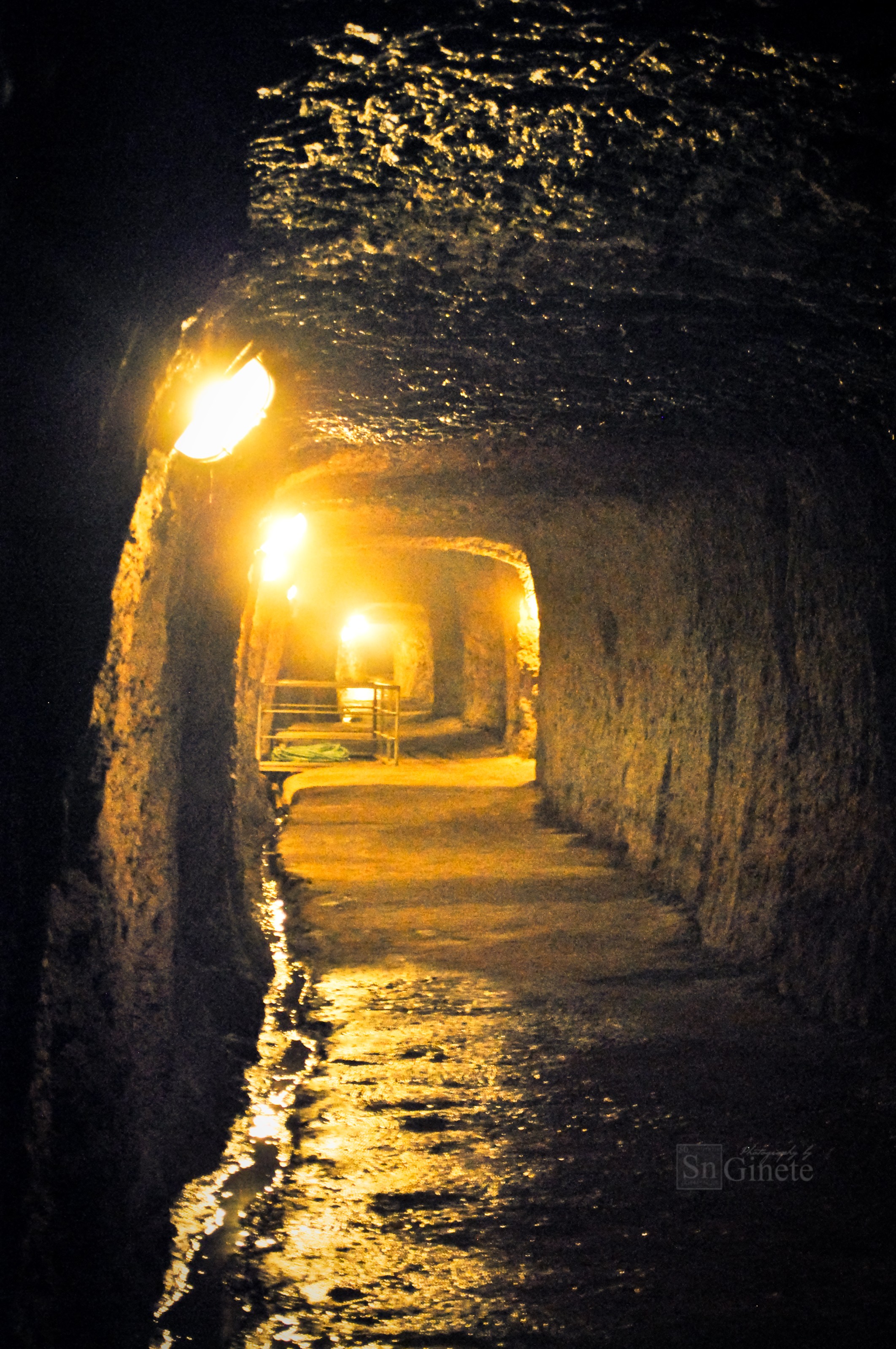
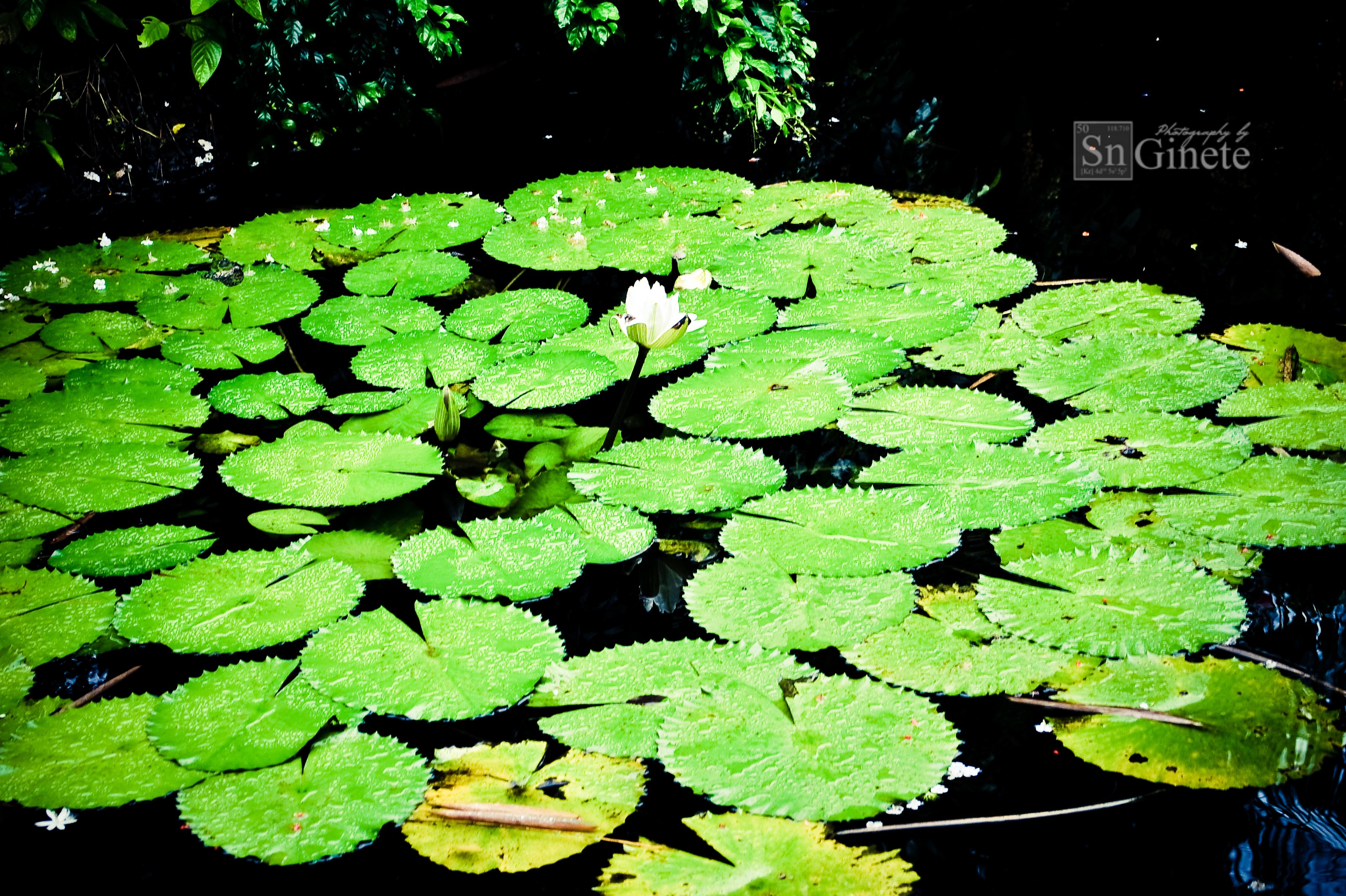
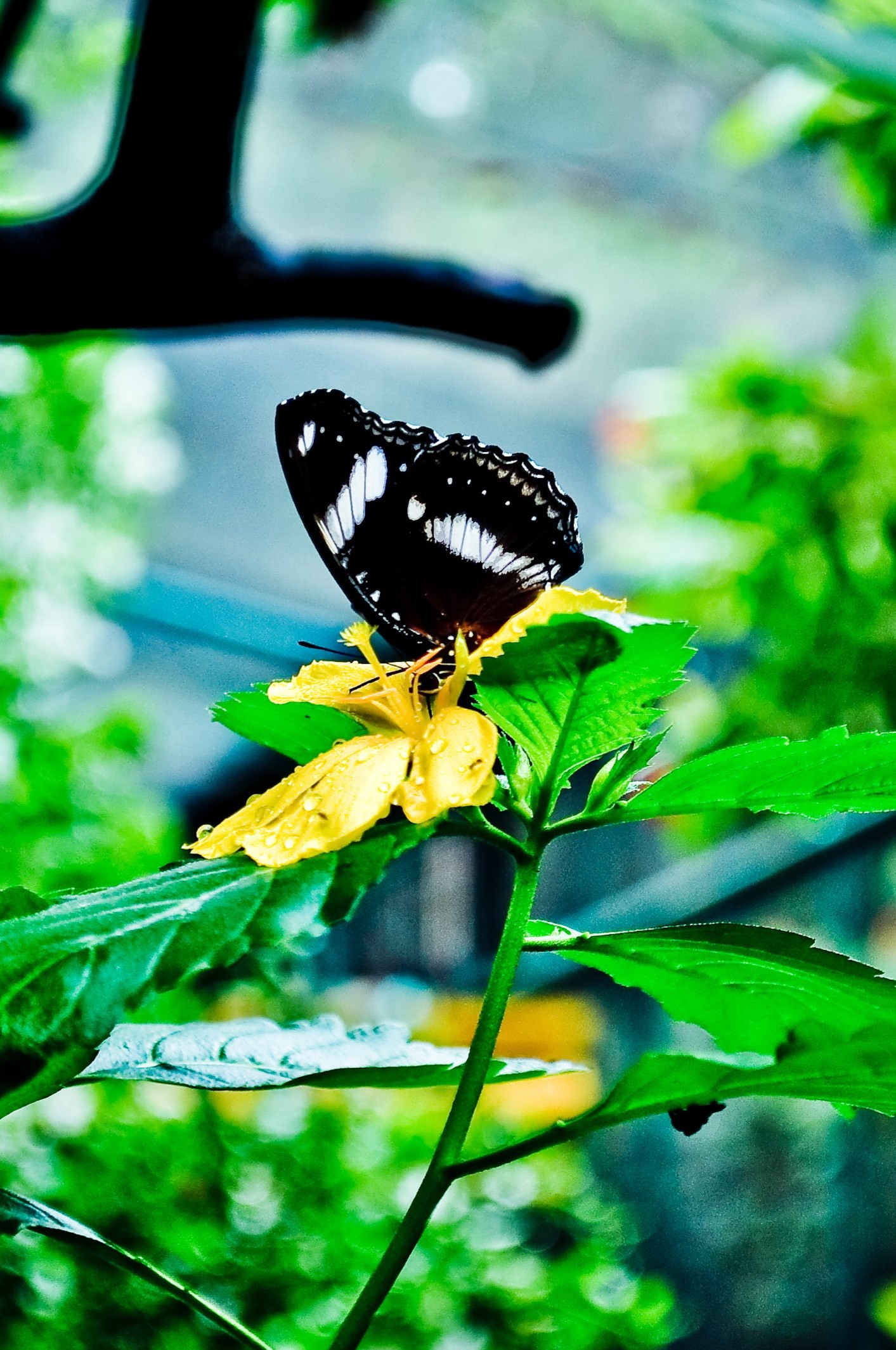
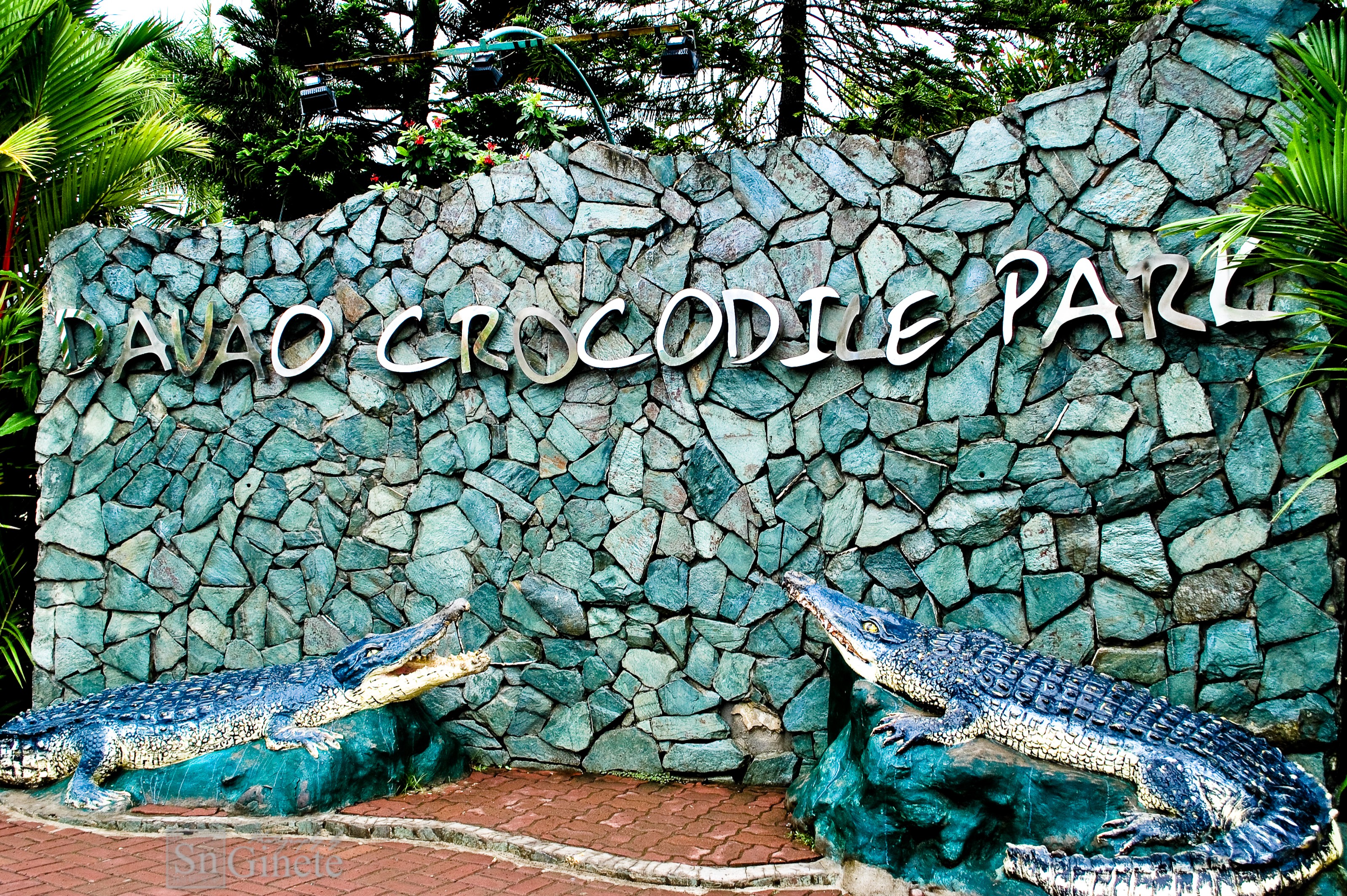
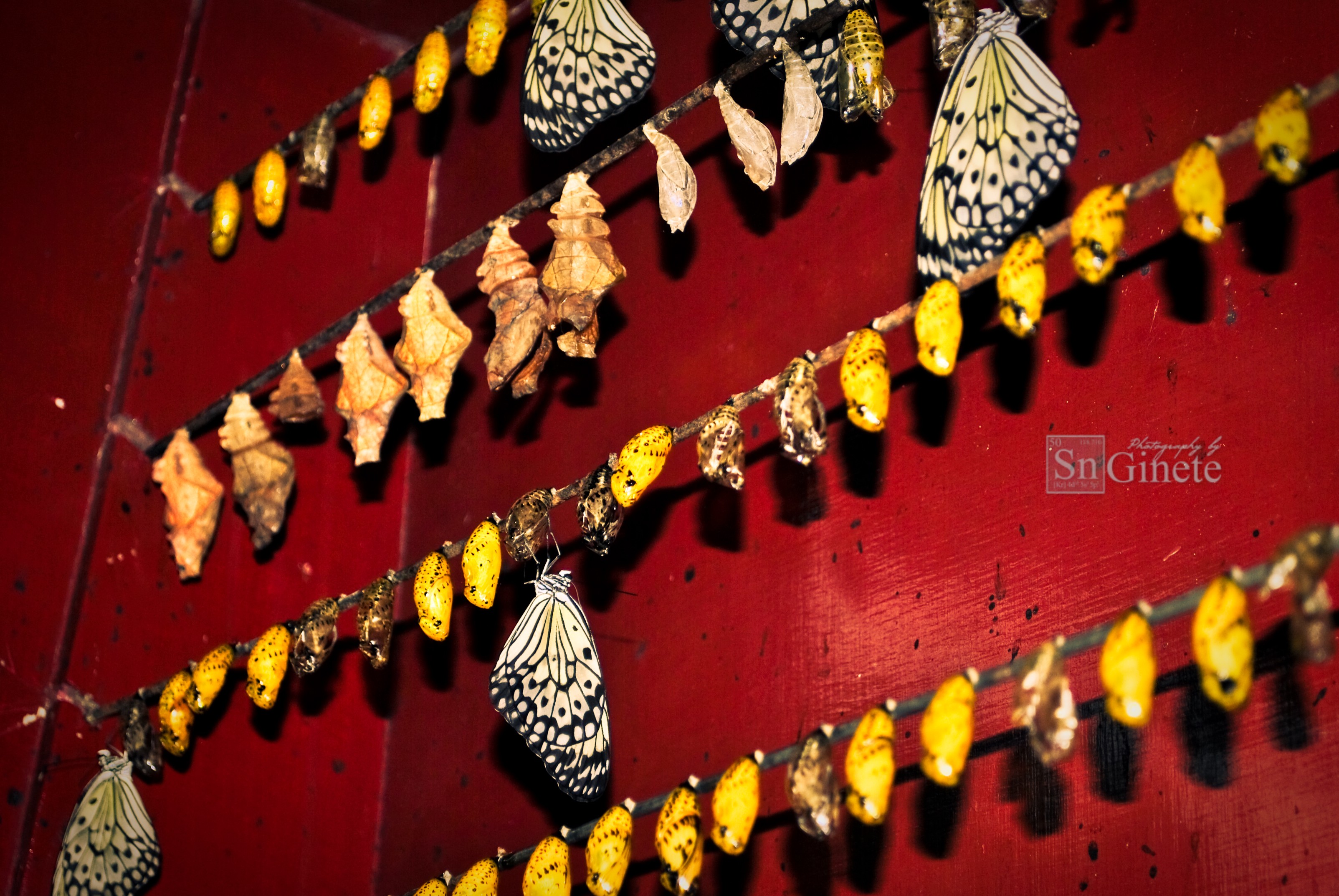
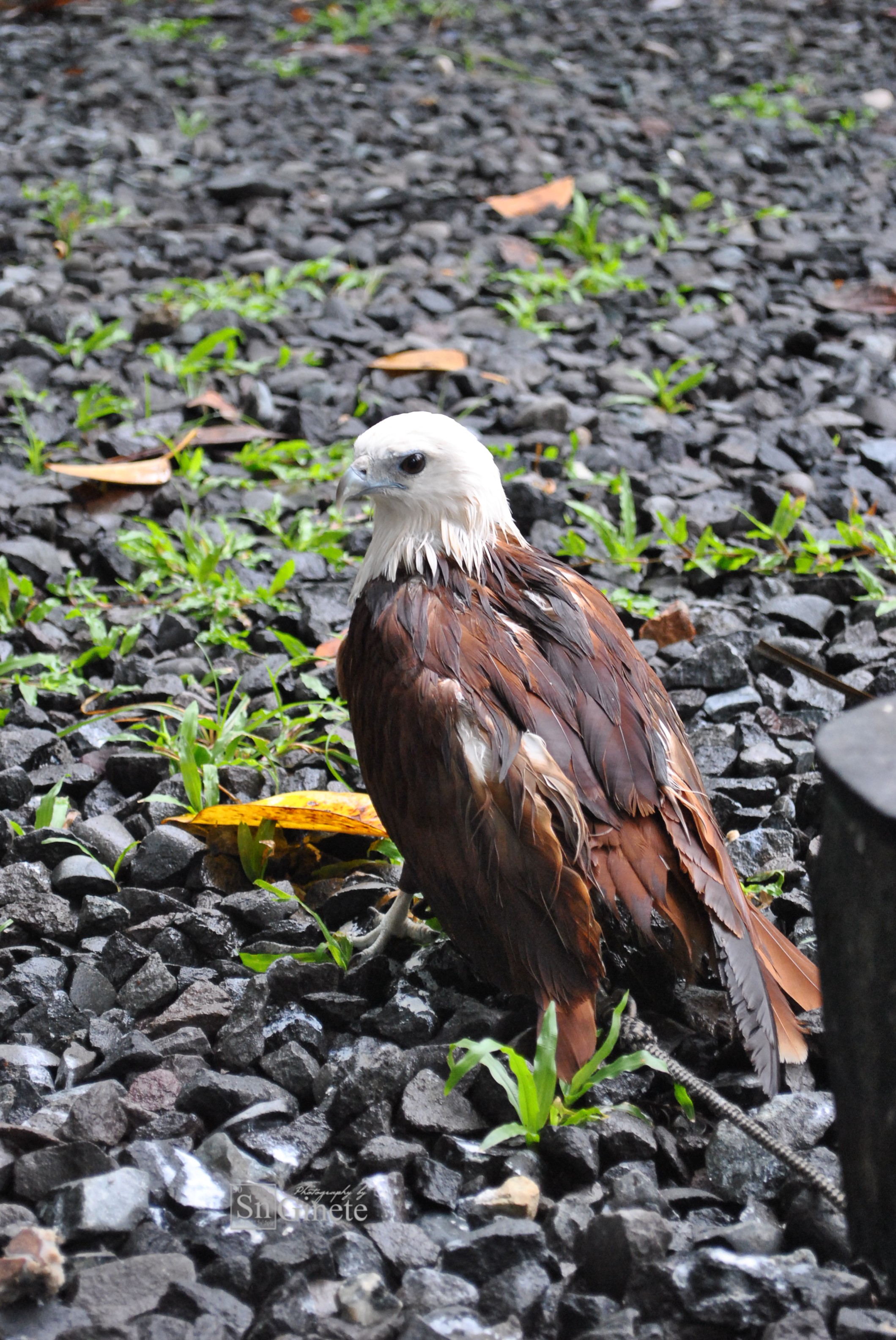
We were able to visit tourist attractions such as the Crocodile Park, the Butterfly house, and the Japanese tunnel, which all contributed to our having a very fulfilling field work/vacation. I may have been to Davao more than once already, but there will always be something more, something new, and something exciting to look forward to in Davao City. Yes, 3 days are not enough for me to completely acquaint myself with the place and learn more about its culture.



 The Journeyman's Moments